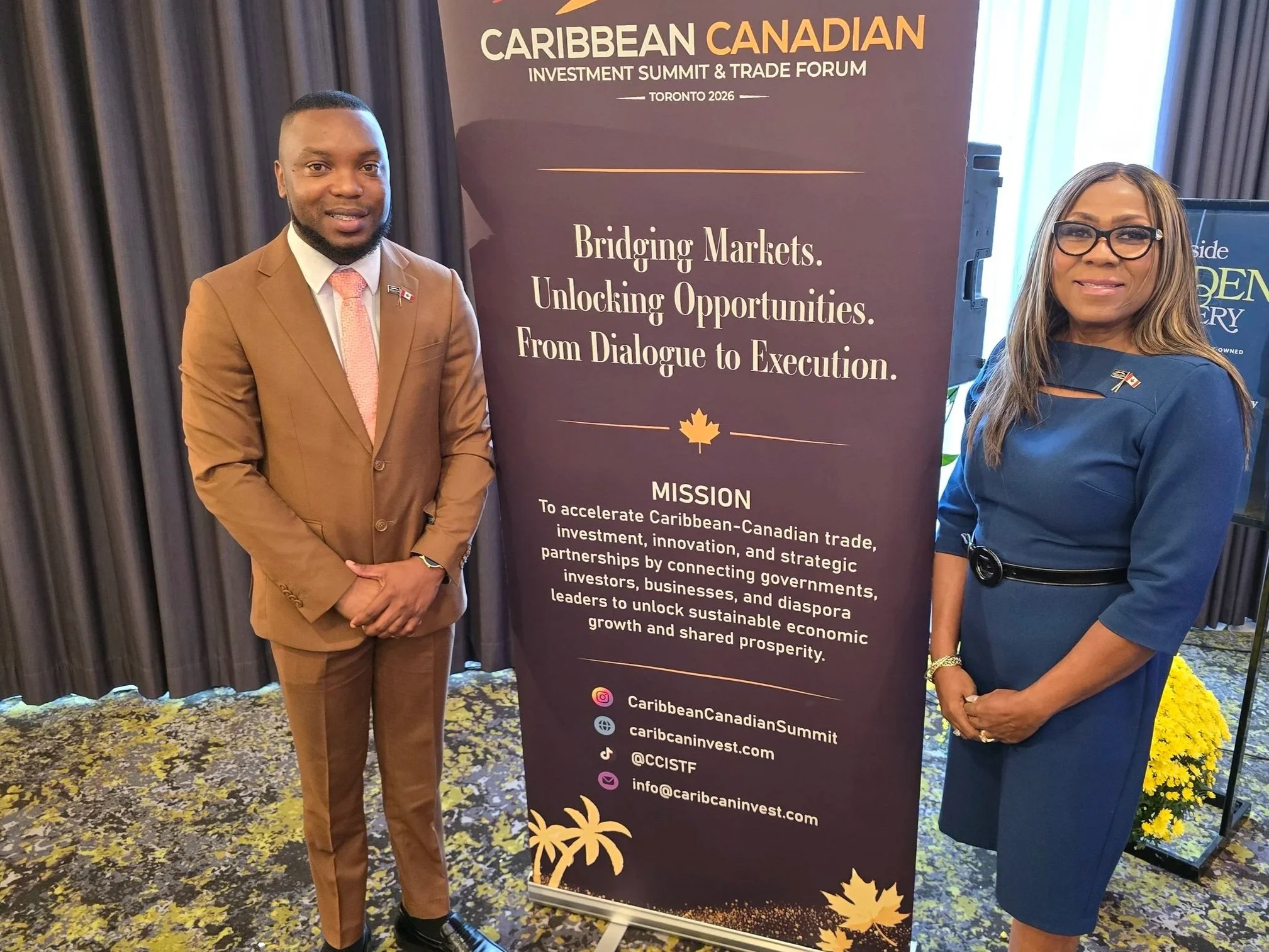
Caribbean Canadian summit urges diaspora to help shape the region’s economic future
September 27, 2026
For generations, Caribbean Canadians have sent money home, supported relatives, shared their professional skills and helped build businesses across borders.
At the Caribbean Canadian Investment Summit & Trade Forum (CCISTF) held September 25 and 26 at the Novotel Toronto North York Hotel, speakers explored how the diaspora could play a more direct role in the region’s economic future.
The theme was Bridging Markets, Unlocking Opportunities and Building Sustainable Prosperity.
The forum brought together government representatives, financial institutions and business leaders to discuss investment and trade opportunities.
It followed a June meeting at which Canada and CARICOM foreign ministers identified expanded trade and investment, stronger supply chains and sustainable growth as shared priorities.
Participants asked how to turn those priorities into projects and partnerships.
Dr. Letisha Malcolm, president of The Collaborative for Leadership, Policy, Advocacy & Global Exchange, placed the discussion within a long history of trade and migration between Canada and the Caribbean.
She said that relationship offers a foundation for cooperation, but changing economic conditions call for fresh approaches.
“We are operating in a very different global economic environment,” Malcolm told the gathering. “Governments are reconsidering economic relationships, businesses are reassessing supply chains and investors are weighing geopolitical risks alongside potential returns. How do we establish partnerships that create sustainable economic opportunities?”
The Fulbright Scholar said attracting investor interest is only the first step.
“To secure funding, a proposal also needs a viable business model, reliable financial information and a clear route through permits and regulatory approvals,” she noted. “Generating interest in investment opportunities is only the beginning. Investors need more than promising ideas.”
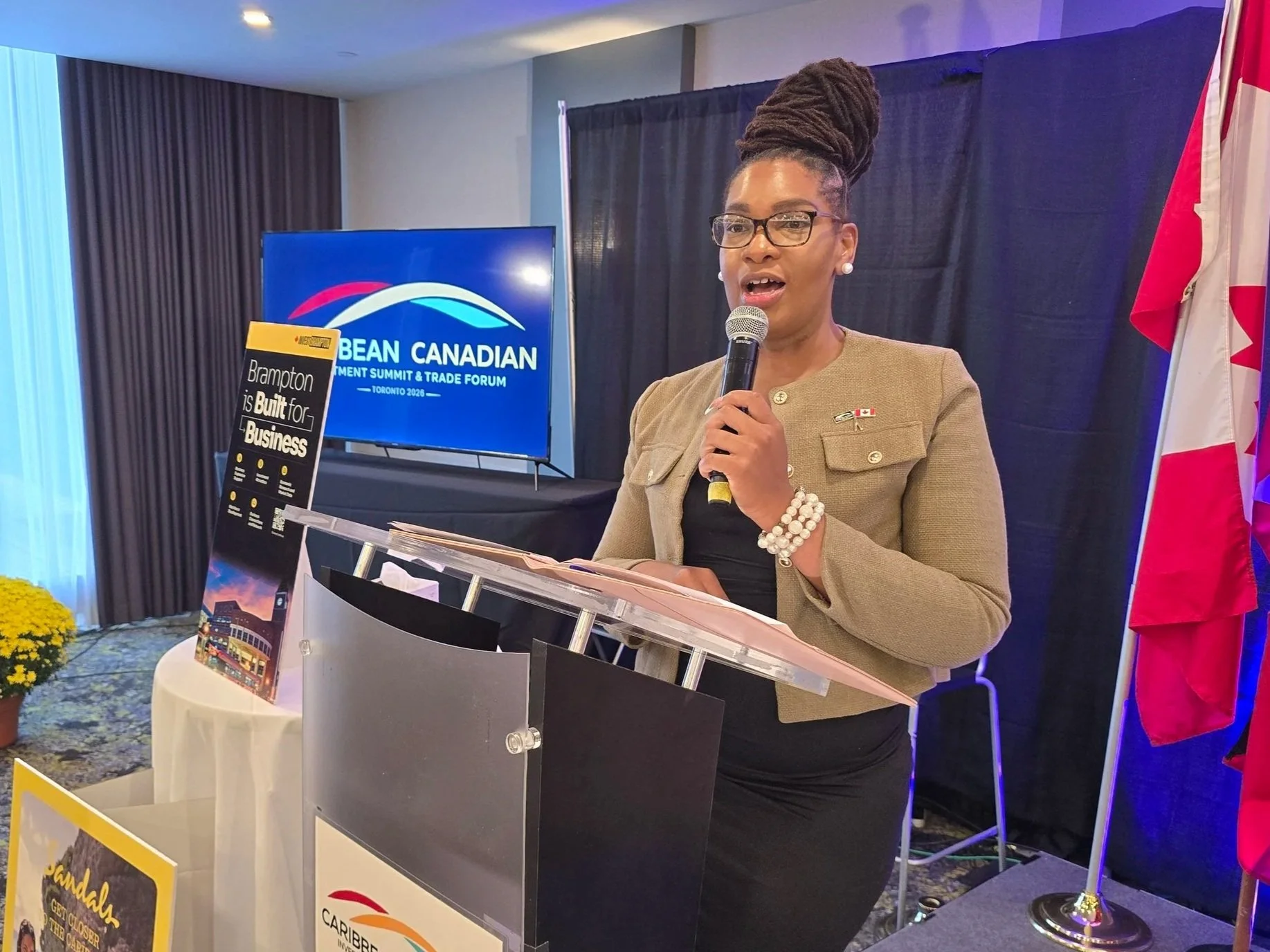
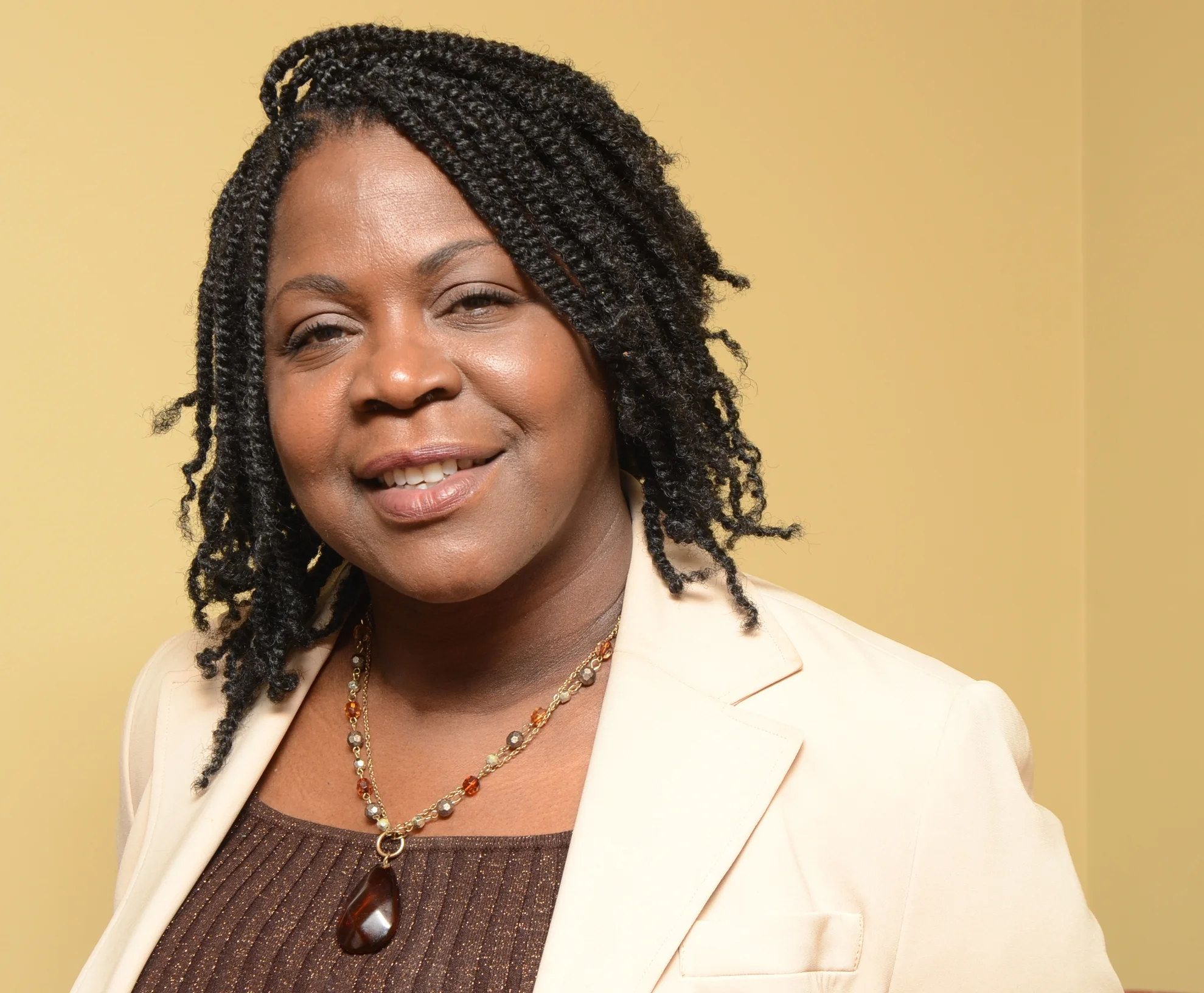
Dr. Letisha Malcolm (Photo by Ron Fanfair)
Malcolm called for governments, development institutions, private investors and technical specialists to work together on projects before expecting capital to flow. Depending on the proposal, she said that preparation could include a feasibility study, early development funding, equity investment or a loan.
“Businesses seeking customers abroad face their own practical needs, she added, including market information, trade financing, licensing assistance and reliable partners,” she said. “Our responsibility is to help establish connections that allow for opportunities to progress from initial discussions towards implementation.”
For Malcolm, investment also has to create a place for local people. Her background in education informs her view that workforce development and economic policy belong in the same conversation.
“Countries cannot build strong economies without skilled, knowledgeable, innovative people prepared to participate in these economies,” she said.
She asked participants to consider whether renewable energy projects would be accompanied by training for the technicians needed to support them, and whether emerging industries would develop local expertise.
“Sustainable investment requires more than financial capital,” Malcolm added. “It requires human capital.”
A presentation from Isaylin Cabanas Vera, Cuba’s Economic & Commercial counsellor in Ottawa, widened the discussion beyond the English-speaking Caribbean.
She said Cuba is seeking foreign investment in food production, agriculture, renewable energy, tourism, mining, manufacturing, construction and banking.
“Attracting foreign direct investment is a key objective for our economic growth,” Cabanas Vera said, pointing to Cuba’s location, workforce and portfolio of projects prepared for negotiation with foreign companies.
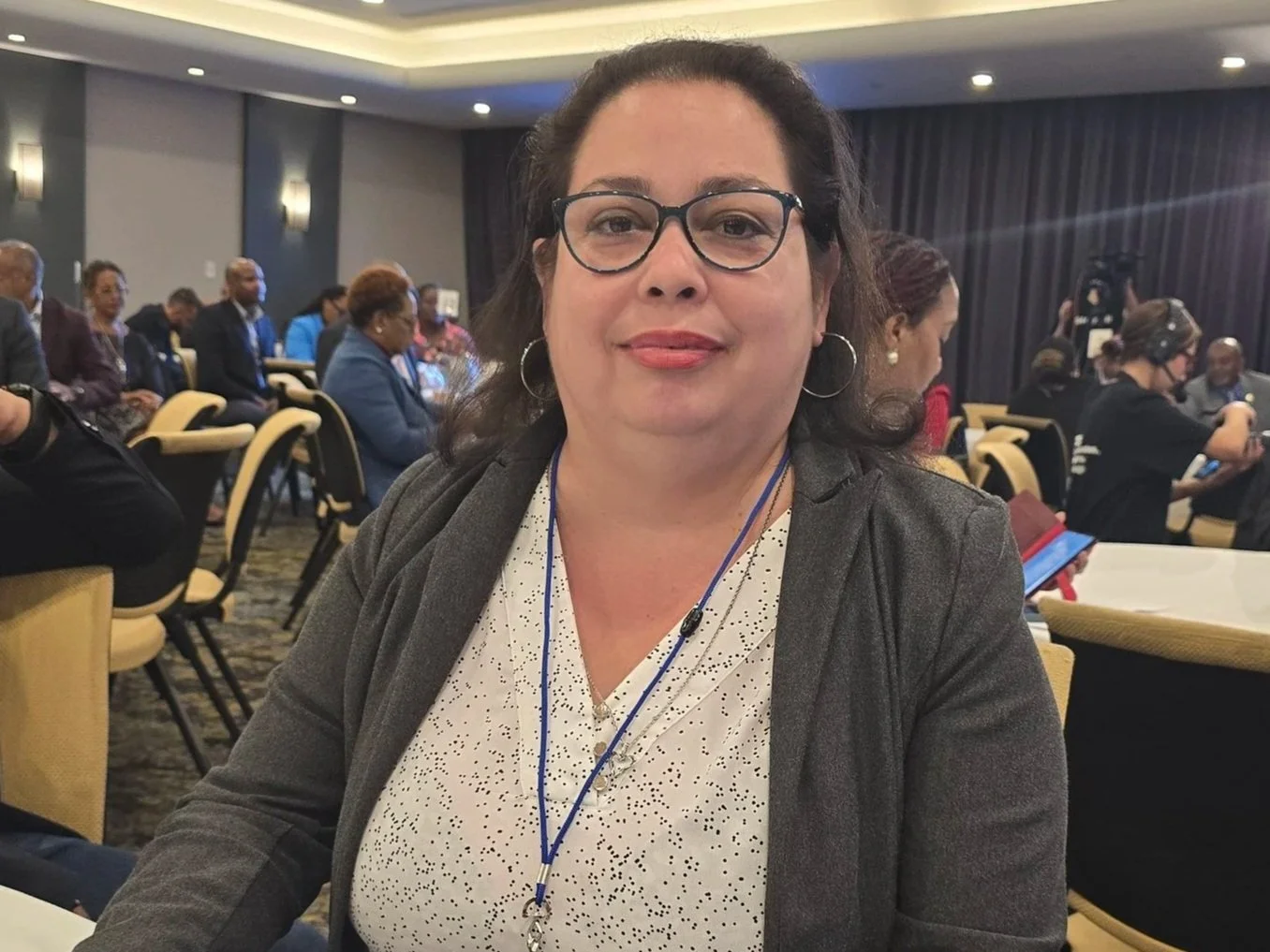
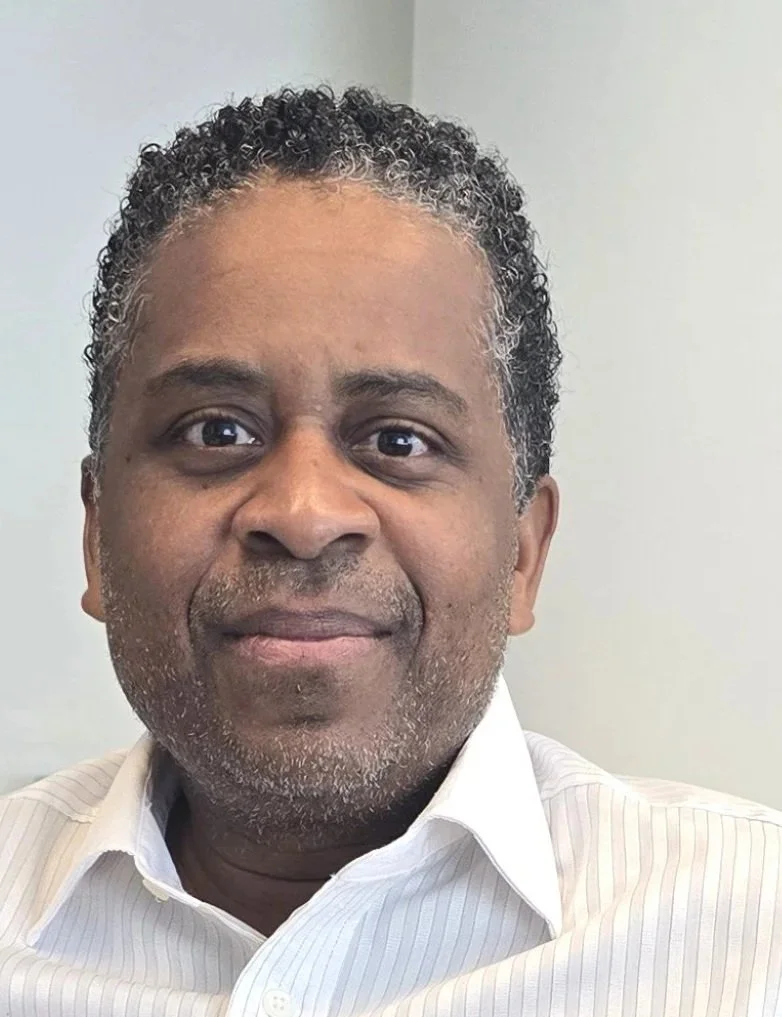
Isaylin Cabanas Vera (Photo by Ron Fanfair)
She also described a service intended to guide prospective investors through the required steps, and said Cuba is working to reduce the time needed for business approvals.
The presentation acknowledged the severe economic pressures the country faces while making the case that it continues to seek commercial partners.
“We hope it contributes to a strengthening of economic ties among Caribbean nations and with Canada,” added Cabanas Vera.
The question of how individuals might participate came into sharper focus during a panel moderated by Kurt Davis, Jamaica’s consul general in Toronto.
He guided a discussion that moved from the money Caribbean nationals send to support loved ones toward the possibility of investing in businesses and other opportunities back home.
Leighton Smith, vice-president of Victoria Mutual Building Society with responsibility for overseas offices and CEO of VM Finance Limited, said many Caribbean nationals regard sending money home as a responsibility to family and friends. He encouraged people to use established financial channels, both to protect their funds and to create a record of the transfers.
When asked what keeps members of the diaspora from investing more. Smith said trust is central.
“Managing finances thousands of miles away can be difficult, so people want institutions that are reliable and easy to reach,” he noted. “You want to create relationships with institutions that are solid, that are trustworthy. Access matters too. When a customer needs help, there should be a person available to answer.”
Smith described VM’s diaspora hub as a way to make information available to clients in Canada, the United States and the United Kingdom.
“Technology can make financial services easier to reach across borders, although institutions still have to work within the rules of each country where they operate,” he pointed out.
Rezworth Burchenson, chief executive officer of VM Investments Limited and VM Wealth, said many potential investors face an earlier obstacle in that they do not know what opportunities exist.
“The first thing is information,” he said. “Members of the diaspora aren’t aware of the opportunities that exist in various territories.”
Burchenson called for an ecosystem that connects projects seeking financing with investors.
“Caribbean institutions should explain opportunities clearly and recognize that prospective investors have different resources and levels of experience,” he said. “Participation does not have to begin with a multimillion-dollar project. There are some certain opportunities available for all of us in the Caribbean.”
Burchenson’s appeal also reflected a concern about who benefits as Caribbean economies grow.
“If diaspora members want a stake in that growth, they need to examine opportunities rather than assume investment is only for large institutions or wealthy individuals,” he pointed out.
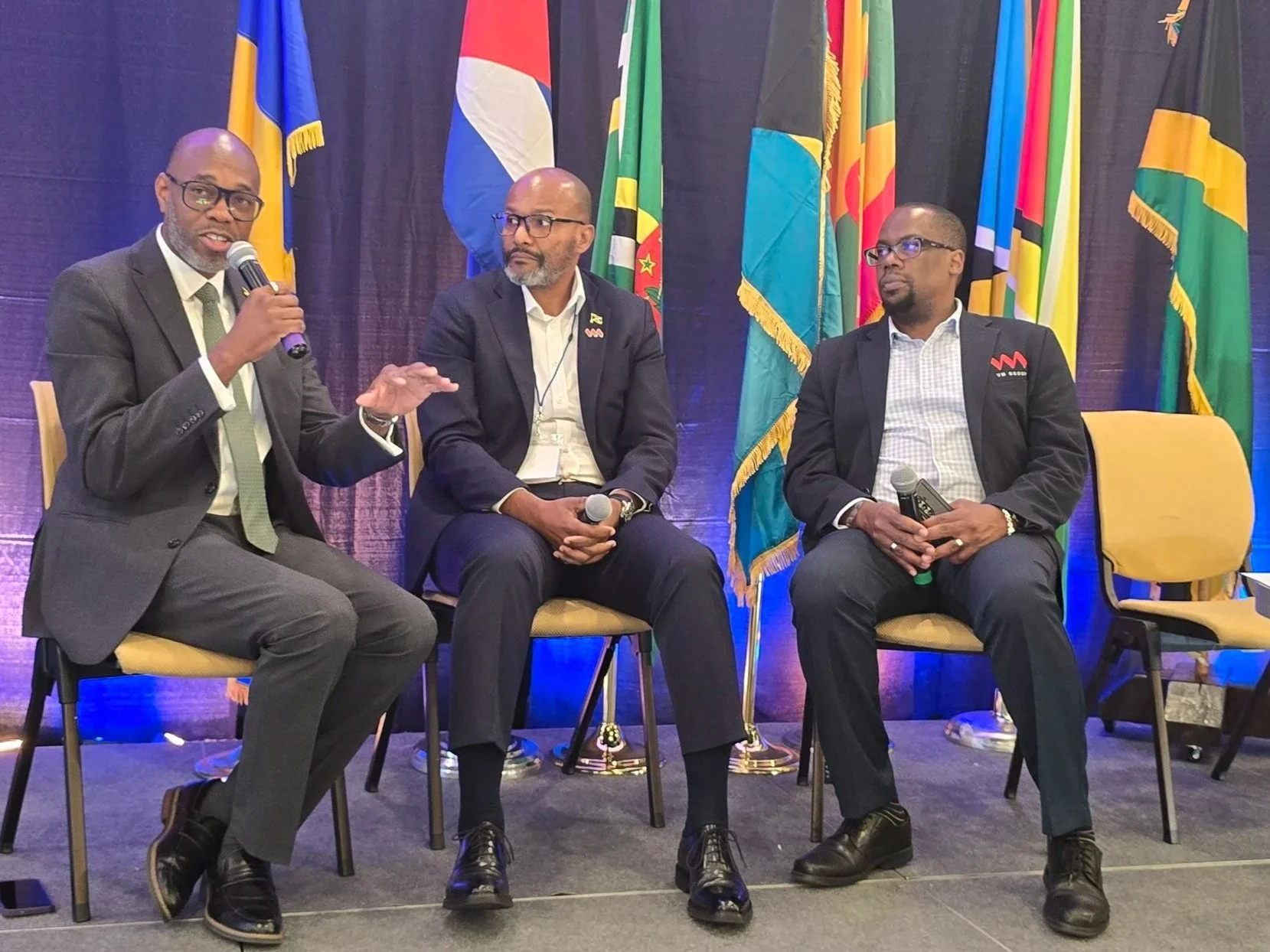
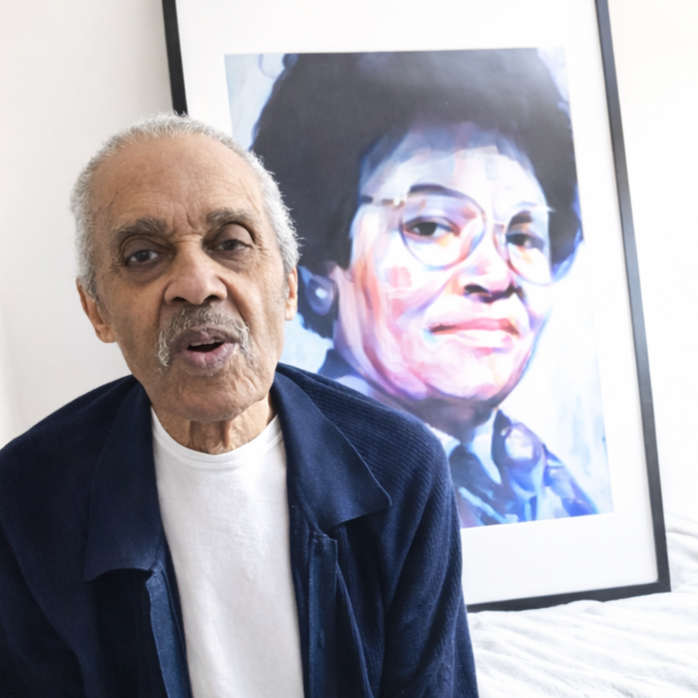
Jamaica’s consul general in Toronto Kurt Davis (l) moderated a panel that included VMBS vice-president Leighton Smith (r) & VM Investments CEO Rezworth Burchenson (Photo by Ron Fanfair)
Audience questions showed why information alone is insufficient.
Participants asked about financial literacy, transfer costs and the regulatory requirements involved in moving money. One wanted to know how someone unfamiliar with trading could learn the basics and protect their savings.
Burchenson cautioned against buying an investment simply because a friend had recommended it, saying people should understand what they own before committing their hard-earned money.
“Financial institutions have a responsibility to teach while prospective investors also have to take the time to learn,” he said.
Smith acknowledged that rules designed to prevent money laundering can create friction for customers.
“Explaining why financial institutions request information is part of building trust,” he said, pointing to money transfer services as a potentially less costly alternative to a bank wire for some transfers.
Donna Fanfair, the CCISTF president, is also the founder and managing director of The 651 Group Inc. Chairman Rammond Smith, who was born in Jamaica’s Trelawny parish, has worked in education, tourism, business development and community advocacy. He received the Governor General’s Award for Academic Performance in 2021.
The forum’s significance lies in bringing those practical questions into the same room as the people presenting opportunities.
Canada and the Caribbean have deep personal and commercial ties, but affection for a place does not by itself make a project viable or an investment suitable.
Participants described the work required, including preparing credible projects, explaining the risks, building trust and developing skills so communities can benefit.
For Caribbean Canadians who have long contributed to the region’s wellbeing, the summit offered an invitation to consider another role as informed participants in its growth. Whether that ambition produces lasting results will depend on the partnerships and practical steps that follow.