Study on Caribbean travel choices wins inaugural tourism intelligence award
October 8, 2026
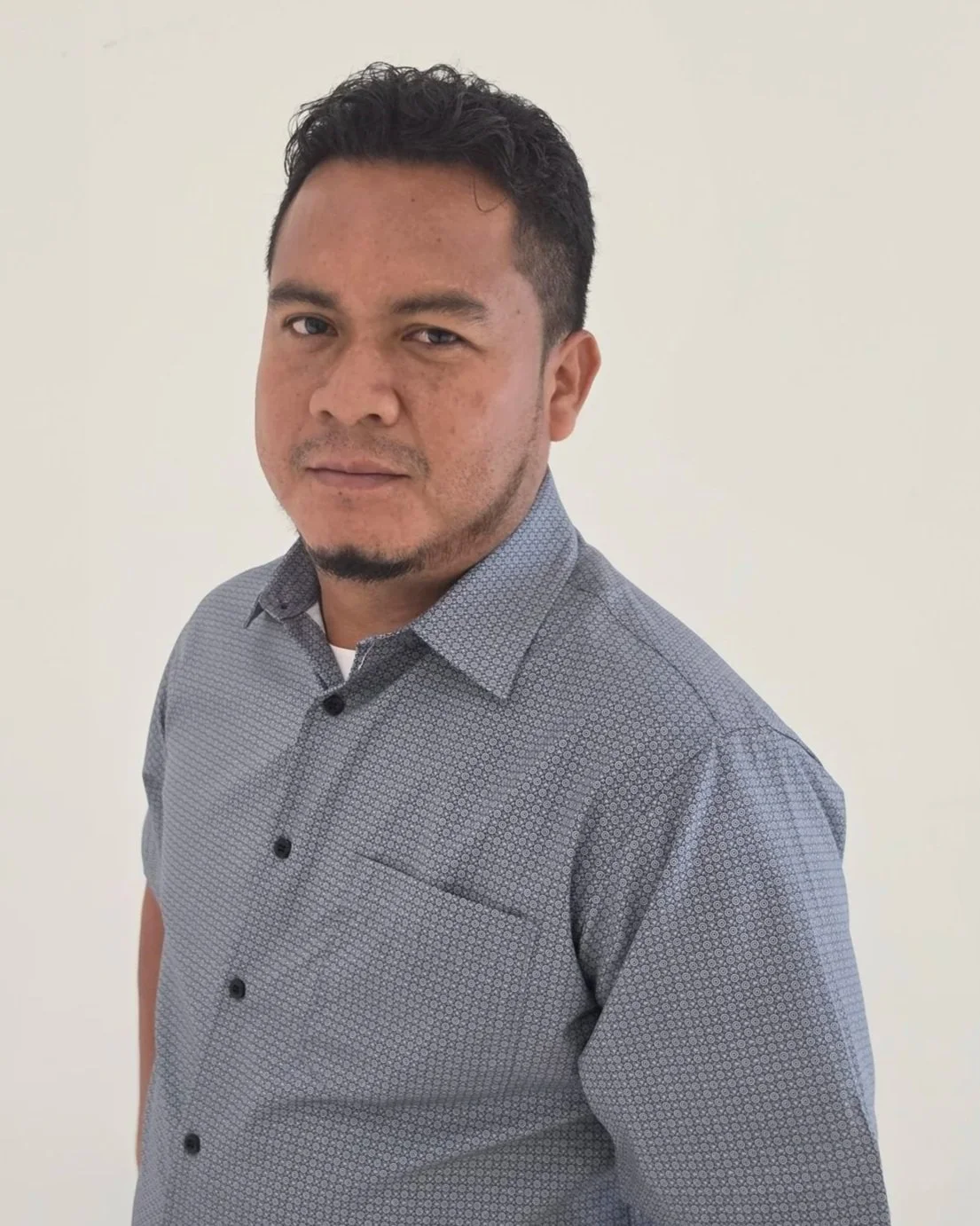
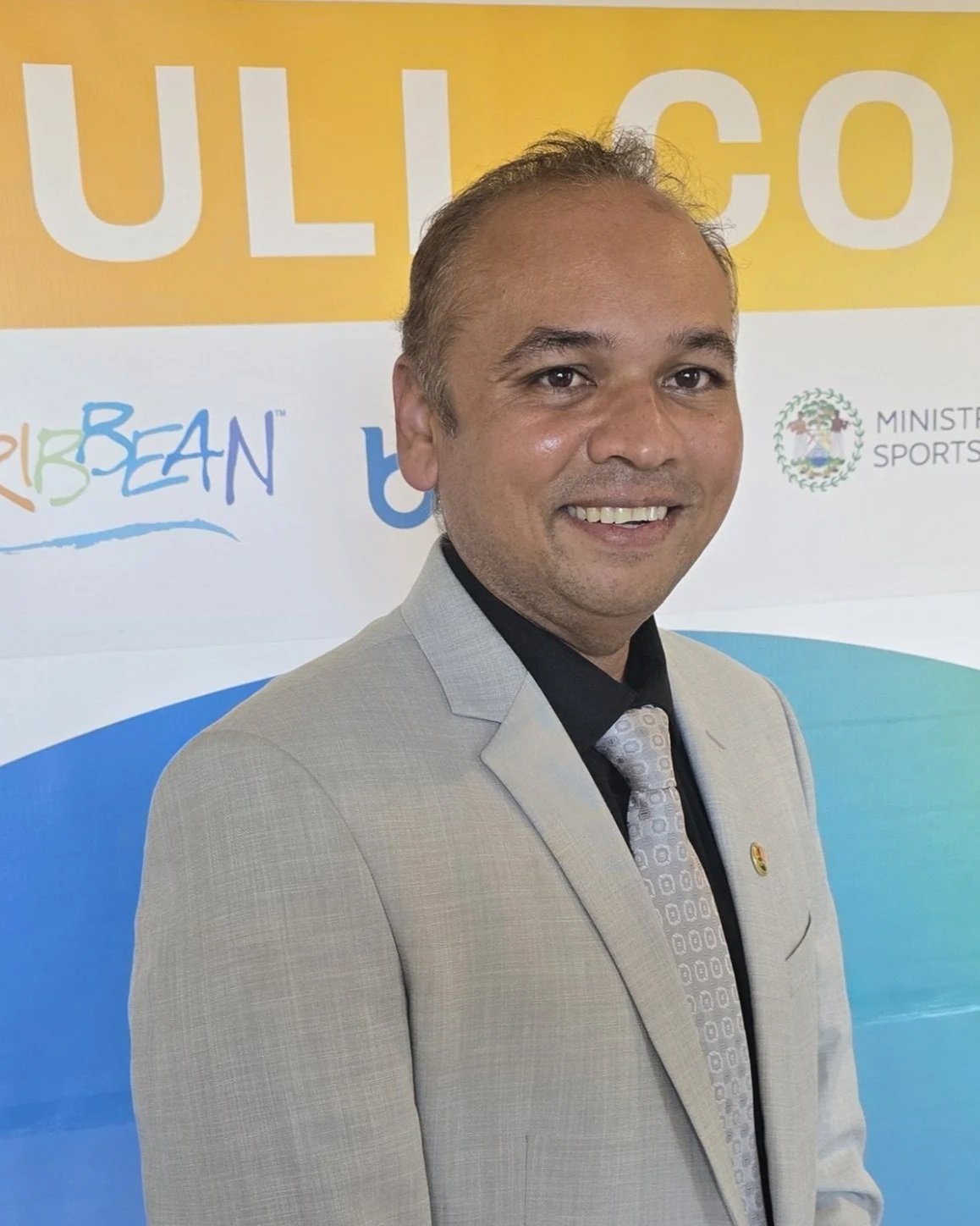
Dr. Dalano DaSouza and Dr. Dennis McCall Jr. have won the inaugural Caribbean Tourism Intelligence Award for research exploring why Caribbean residents increasingly choose international destinations over travel within the region.
The Caribbean Tourism Organization (CTO) presented the honour on October 7 at the State of the Tourism Industry Conference (SOTIC) in Guyana for their paper, ‘Decline of the regional traveller? Investigating new factors driving substitution of intra-Caribbean tourism with international travel’.
Vincentian-born DaSouza accepted the award on behalf of both researchers, whose work examines why Caribbean residents choose destinations outside the region, a question with implications for governments, airlines and tourism businesses.
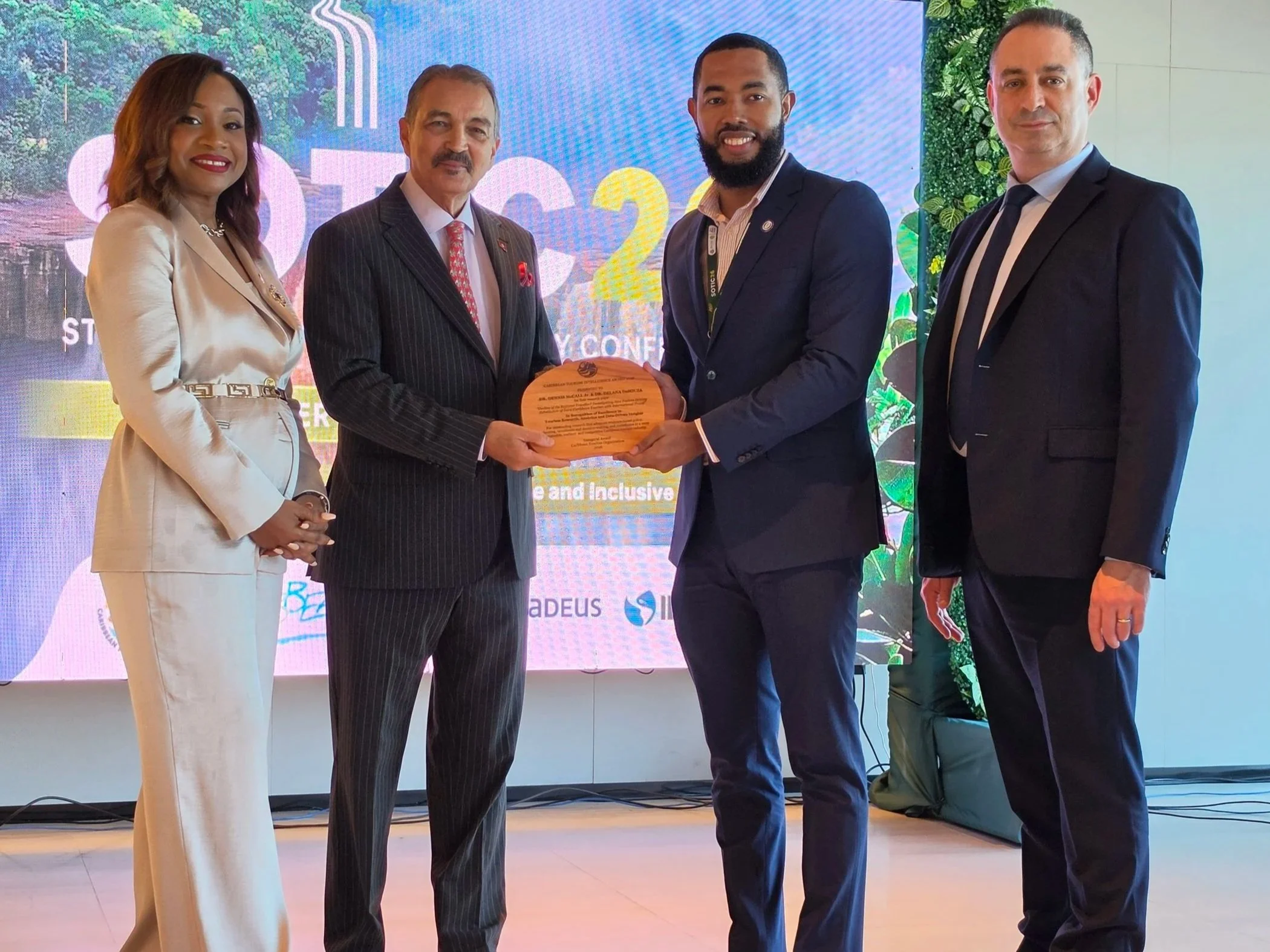
New CTO Council of Ministers & Commissioners of Tourism chair Charles ‘Max’ Fernandez presented the Intelligence Award to Dr. Dalano DaSouza in the presence of CTO Secretary General & CEO Dona Regis-Prosper and ASM Senior Vice-President of Airport Strategy Lee Lipton (Photo by Ron Fanfair)
McCall Jr. is an aviation strategy and sustainability professional who leads the BA (Hons) International Tourism Management program at Teesside University.
Published in Tourism Critiques: Practice and Theory, the study drew on 1,103 valid survey responses from 23 Caribbean countries and territories. It examined how airfare, connectivity, visa access, migration, shopping and demographic factors influence travel choices.
The award highlights Caribbean residents as a tourism market and the factors that shape where they spend their travel money. Understanding those choices can help destinations address barriers to regional travel and offer experiences that appeal to residents.
DaSouza, a public policy professional, researcher, and lecturer in Economics at the University of the West Indies Five Islands Campus in Antigua & Barbuda, said the researchers began their work in 2024 and tested five hypotheses about the shift toward travel outside the Caribbean.
They examined high regional airfares and expanding international connectivity, visa acquisition, waivers and migration, import duties, taxes and fees, perceptions of geographic and cultural similarity and demographic factors, including age, gender, education, income and nationality.
Some findings reinforced concerns about the difficulty of travelling within the region. Sixty-nine percent of respondents agreed that existing flight schedules made travel outside the Caribbean more convenient than travel within it.
The finding suggests that improving regional travel requires attention to convenience as well as cost, including the routes, schedules and connections available to travellers.
Visa access also influenced travel choices.
DaSouza said respondents were asked how obtaining visas, waivers or travel clearances for destinations such as Canada, the United States and the Schengen Area had affected their travel.
The study found that 69 percent reported travelling less within the Caribbean and more outside the region after gaining that access. For regional tourism planners, the finding suggests that easier access to overseas destinations increases competition for residents’ travel spending.
The researchers also examined how high import duties, taxes and fees encourage overseas shopping trips, making the cost of goods another influence on destination choice.
However, the findings did not support a simple explanation that Caribbean residents avoid neighbouring destinations because they consider them too similar to home. Instead, the appeal of unfamiliar experiences overseas emerged as an important attraction.
“Persons are still willing to go to different islands,” DaSouza said. “What we find is that there is a greater pull for international travel in terms of novelty.”
He also highlighted the relationship between income and destination choice.
“As persons get more income, they travel more internationally,” DaSouza noted.
His remarks suggest that regional destinations must address affordability and access while understanding the experiences travellers seek.
The study’s findings require some caution.
It used non-probability sampling, and 83 percent of respondents held a university degree. The results offer insights into the travellers surveyed but should not be assumed to represent all Caribbean residents.
For CTO, the award forms part of a wider effort to connect research with tourism policy and practice.
Director of Research Aliyyah Shakeer said the organization aims to strengthen its role as a centre for tourism intelligence and encourage greater use of research, data and analysis across the region.
“For us, tourism intelligence is more than the research and statistics produced by the CTO,” she said. “It’s about helping to build a stronger ecosystem for tourism research, analytics and evidence-based decision-making across the Caribbean.”
Shakeer pointed to the knowledge and expertise within universities, research institutions and tourism organizations, as well as among individual researchers and practitioners.
“Part of our role is to help identify, recognize and elevate that work, and to create stronger connections between research, policy and practice,” she said.
Announced at SOTIC in Barbados in 2025, the award supports CTO’s Reimagine Plan. Its five strategic pillars are tourism intelligence, sustainable and regenerative tourism, advocacy, market competitiveness and people development.
Shakeer said Caribbean tourism faces an increasingly complex environment, requiring decisions about competitiveness, sustainability, connectivity, investment and changing traveller behaviour to draw on credible research and data.
“That research must reflect the region’s circumstances,” she said. “At the same time, we need research that reflects our realities of the Caribbean, research that is grounded in our destinations, our communities, and our particular challenges and opportunities.”
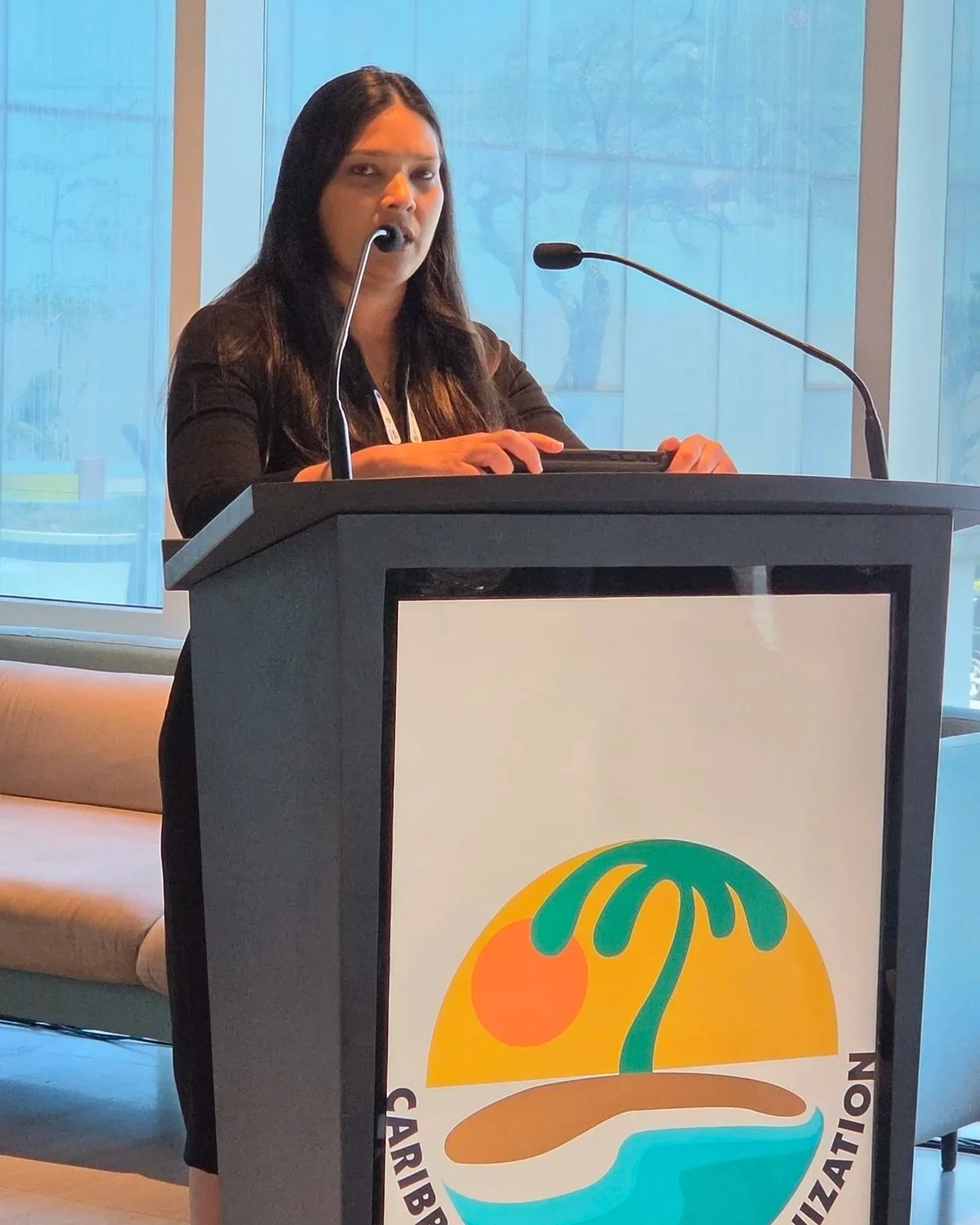
Aliyyah Shakeer (Photo by Ron Fanfair)
Shakeer hopes the award will encourage high-quality research that informs policy, planning and investment across the tourism sector.
The Caribbean Tourism Researchers Network, which operates under the International Tourism Studies Association, helped develop the evaluation criteria. Four independent evaluators assessed the submissions.
This year’s conference also introduced the Caribbean Tourism Research Forum, bringing researchers, policymakers and tourism practitioners together to discuss work that can inform the sector’s future.
Shakeer said CTO hopes to connect the forum more closely with the award, create opportunities for researchers to present their work and deepen collaboration with universities and other research institutions.
“Ultimately, our ambition is bigger than one award or one forum,” she added. “It’s to help build a stronger, more connected Caribbean tourism research community.”
Neil Walters, CTO’s Director of Finance and Resource Management, said the award recognizes research that helps the region ask better questions and make informed decisions.
“Reliable evidence helps us understand what is changing, where opportunities lie and how best to direct our resources,” he said. “Whether we are making decisions about policy, planning or investment, research can help us move forward with greater confidence and a clearer sense of purpose.”
Walters said the award celebrates work that supports a more sustainable, resilient and competitive Caribbean tourism industry.
“We hope it will also encourage more researchers and practitioners to share their insights and strengthen the connection between research and action,” he added.
That connection extends to air service development, where research can help destinations demonstrate demand for new routes and additional flights.
Lee Lipton, Senior Vice President of Aviation Strategy at Airport Strategy & Marketing (ASM), which sponsored the award, emphasized the importance of credible evidence.
“We believe that credible research and robust tourism intelligence are the foundation of sustainable growth,” he said. “The Caribbean is a region of immense opportunity, but it also faces unique challenges. This is why research is so critical.”
Lipton said research helps destinations, businesses and policymakers understand market trends, identify opportunities and plan for the future.
“Credible research ensures that strategies are not just aspirational, but actionable,” he said.
Lipton called for investment in emerging researchers and tourism professionals studying climate resilience, sustainable development and changing traveller preferences. He also encouraged regional cooperation to address shared air service challenges.
“By working together strategically, we can address shared challenges and unlock new opportunities for sustainable growth across the region,” he said.
Earlier, Olivier Ponti, Amadeus’ Director of Market Intelligence & Insights, demonstrated how travel data can inform destination marketing and decisions about air connectivity.
He explained that flight schedules, travel searches and bookings can help destinations understand where people want to go and when they plan to travel.

Olivier Ponti (Photo by Ron Fanfair)
With limited marketing budgets, destinations need to identify the markets that offer the strongest opportunities.
“The first question you should ask yourself is, what’s the economic impact of every single one of the travellers I’m going to bring to my destination?” he said. “Some visitors plan well ahead and stay longer. Others book closer to departure and can help fill accommodation at short notice.”
Ponti encouraged destinations to use those differences to guide the timing and focus of their marketing.
Combining demand data with information about available flights can also reveal markets where interest in a destination exceeds air capacity. That evidence can help destinations make a case to airlines for more frequent flights or additional seats.
“That’s the way to speak the same language as the airlines,” he said. “And you all want better air connectivity, right? So you really need good data.”
The inaugural award brings similar attention to the Caribbean’s own travellers.
DaSouza and McCall’s research examines residents’ choices and the factors influencing them, giving tourism leaders evidence to consider when developing policies, marketing campaigns and air services.
CTO hopes the award and research forum will strengthen collaboration and bring regional knowledge into everyday decision-making. The opportunity now is to use that knowledge to make travel within the Caribbean more accessible, convenient and appealing.