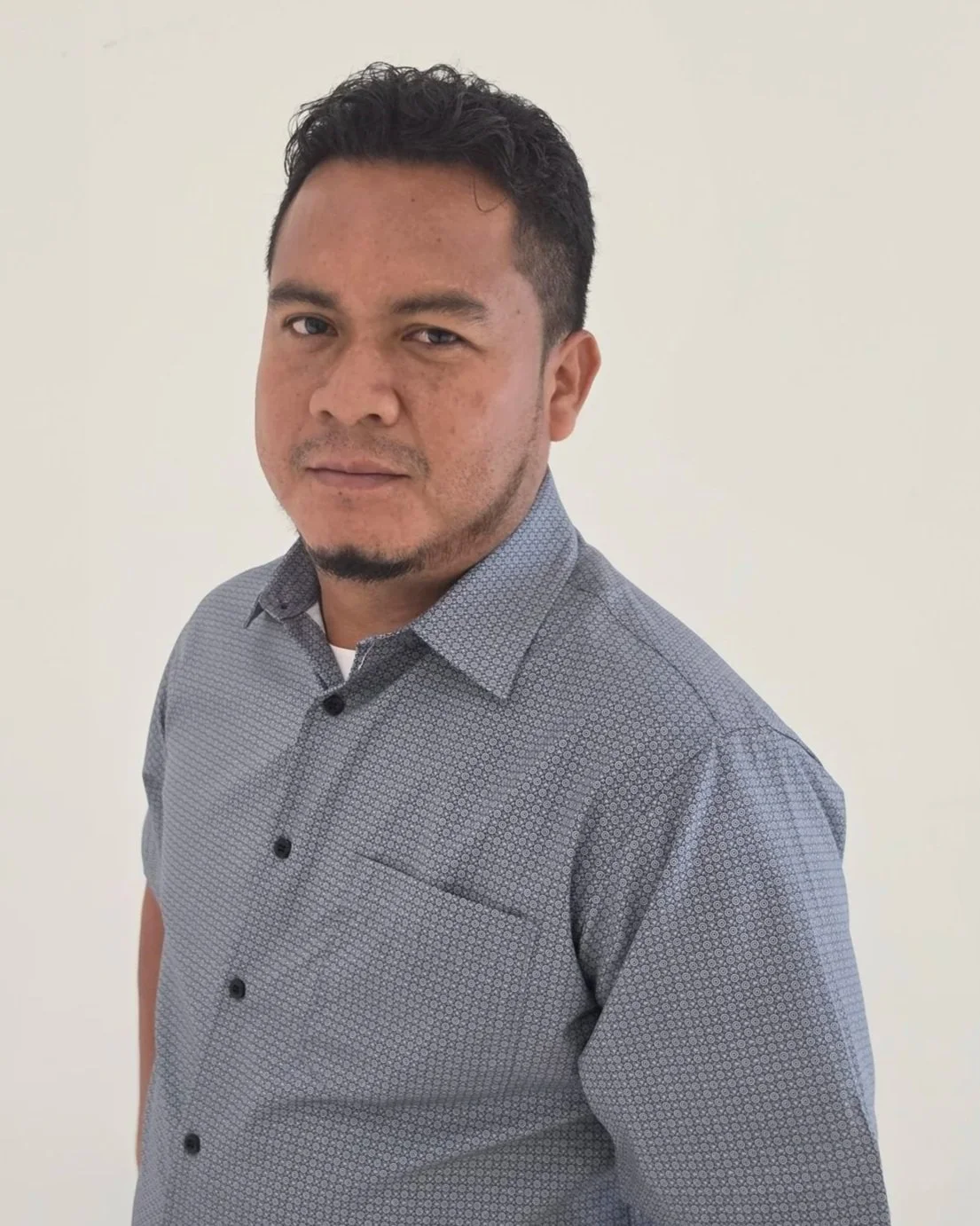
Rooted in their land, Indigenous communities are shaping Guyana’s tourism future
October 9, 2026
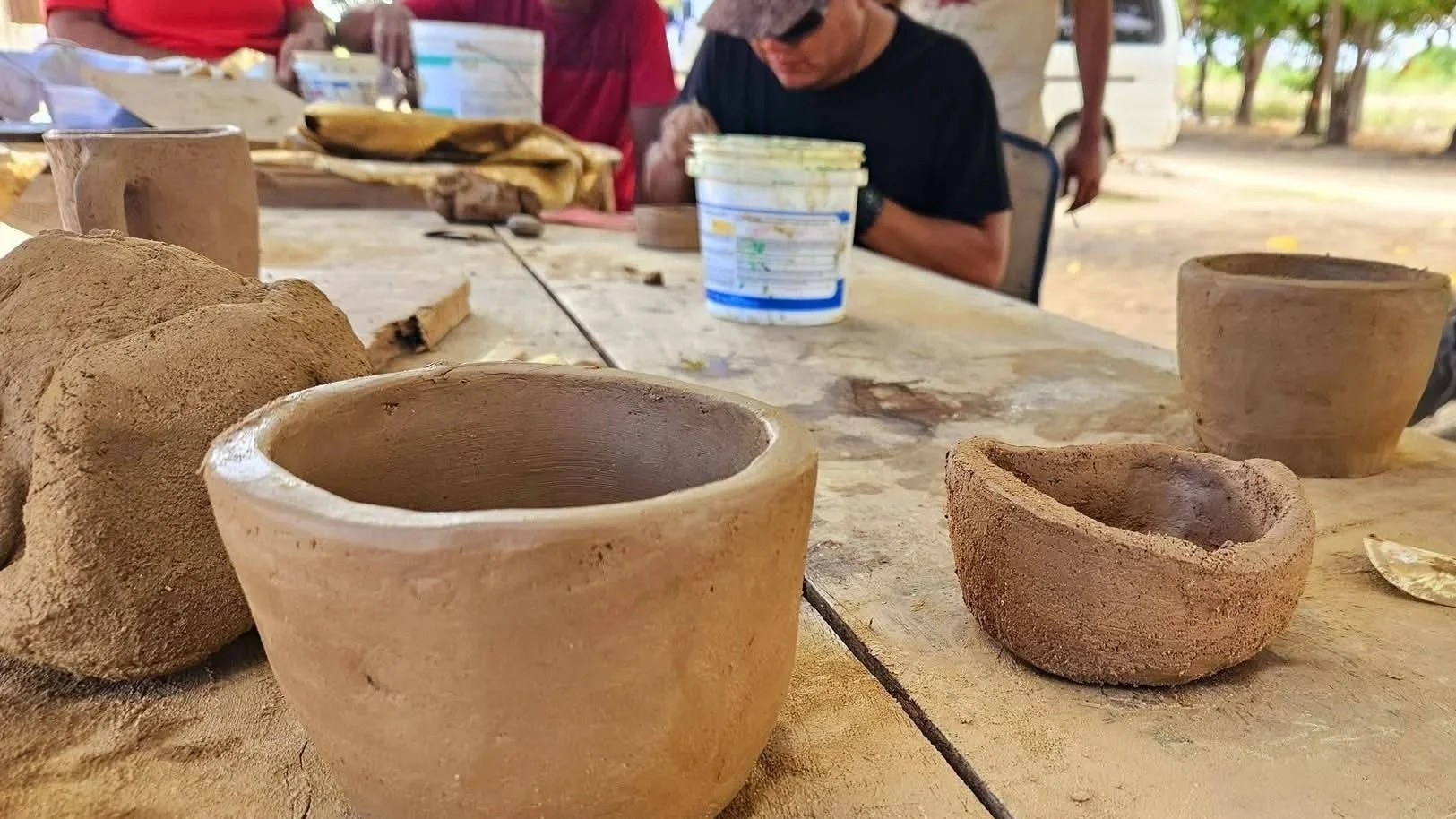
For the potters of Toka, clay carries a responsibility passed down through generations -- take carefully from the earth and give something back.
That belief helped shape how the Indigenous village in Guyana’s North Rupununi approached tourism.
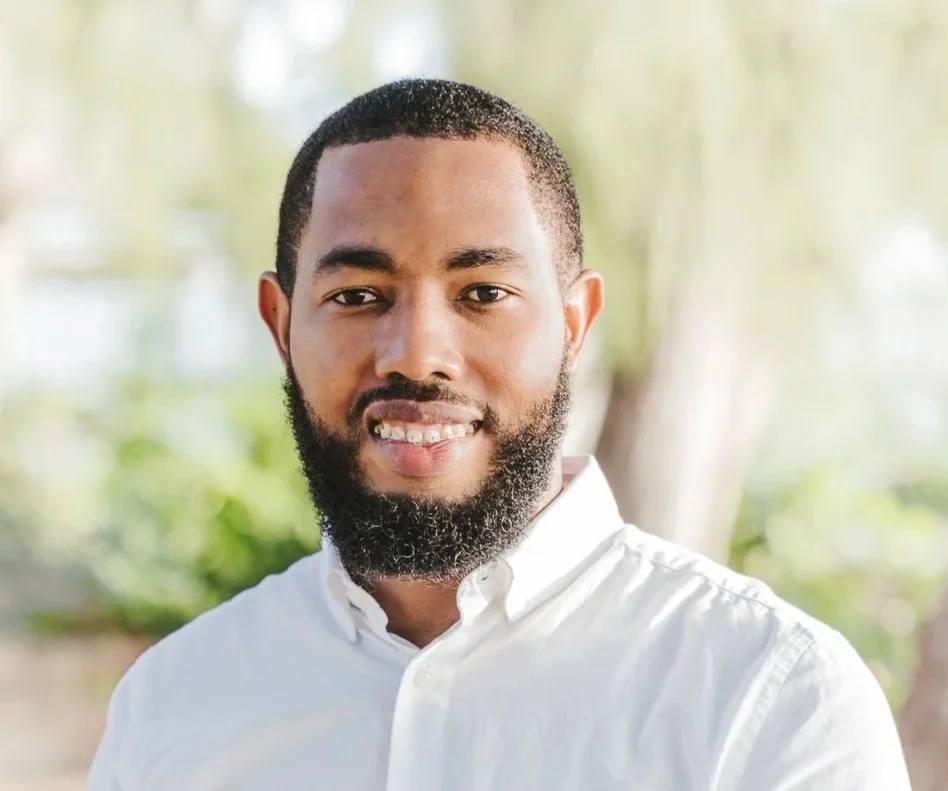
Micah Davis said residents declined proposals to mass-produce pottery, choosing instead to invite visitors to experience the tradition while respecting the sacred clay used to sustain it.
“We have decided as a community to offer it through the tourism business as an experience,” noted the village chief.
Davis believes tourism should create income while allowing residents to determine how their culture, knowledge and natural resources are shared.
“This is managed and owned by us as a community,” he said.
Davis shared Toka’s approach during an October 8 panel discussion at the Caribbean Tourism Organization’s (CTO) State of the Tourism Industry Conference in Georgetown.
The session, ‘Rooted in Place: Indigenous Tourism and the Future of Regenerative Caribbean Destinations’, brought together Indigenous leaders and tourism officials from Guyana and Belize to examine how tourism can strengthen community ownership, protect cultural traditions and provide meaningful local benefits.
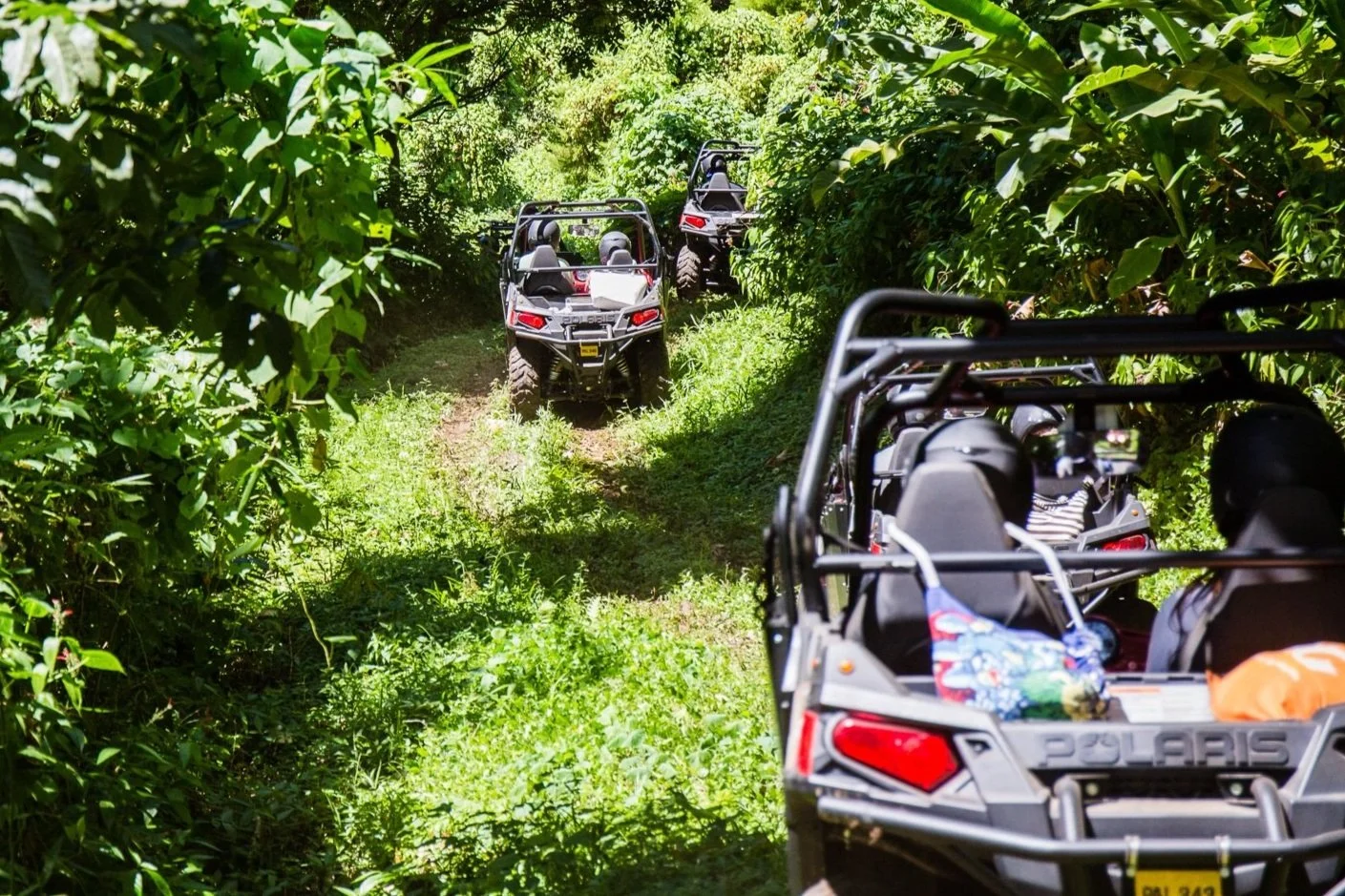
Indigenous communities are helping shape Guyana’s tourism sector through experiences that connect visitors with their cultures and natural surroundings. Pottery, guiding, accommodation, traditional food and conservation work create opportunities for residents to earn a living in their villages.
Ensuring that tourism protects those traditions and delivers lasting community benefits is central to Toka’s approach.
Davis said residents had discussed tourism for years. After he was elected Toshao in 2020, the community revisited the idea at a village meeting, considering how to share aspects of everyday life with visitors.
Pottery offered a way to build on knowledge passed down through generations. Developing it into a visitor experience, however, required respecting the traditions surrounding the clay.
“It’s not just any clay,” he said. “It’s a very sacred clay that we use.”
Davis explained that a ritual precedes its extraction. Giving back to the earth is also part of the practice, including planting fruit trees and bringing fruit to the extraction site.
“By inviting visitors to learn about pottery, residents can earn income from their skills and knowledge while retaining control over how the tradition is shared,” he said. “You pay for what you experience.”
Davis believes this approach can generate income comparable to mass production while preserving the tradition for future generations.
Toka’s ‘Journey through Pottery’ experience was launched in February 2024 with support from the Guyana Tourism Authority, Conservation International, Visit Rupununi and other partners. It gave travellers a reason to stop and explore the village rather than simply pass through the North Rupununi.
For Davis, residents must decide how tourism develops in their village. Community meetings and consent guide the projects they pursue.
Candace Phillips, the Guyana Tourism Authority (GTA) senior manager of product development, said that approach also underpins the organization’s community-led and owned tourism framework.
Tourism development, she pointed out, must reflect each community’s culture, knowledge, surroundings, and priorities.
“An experience that succeeds in one village may not suit another,” said Phillips. “Development cannot just happen across the board. It has to be tailor-made for that particular community.”
The GTA works with village councils and tourism committees to assess attractions, identify experiences residents want to share and develop the skills needed to manage them.
Training covers guiding, culinary operations and management. The process also involves discussing boundaries around sacred sites and traditional knowledge, including what should remain private.
Helping residents turn their skills into viable businesses requires sustained support.
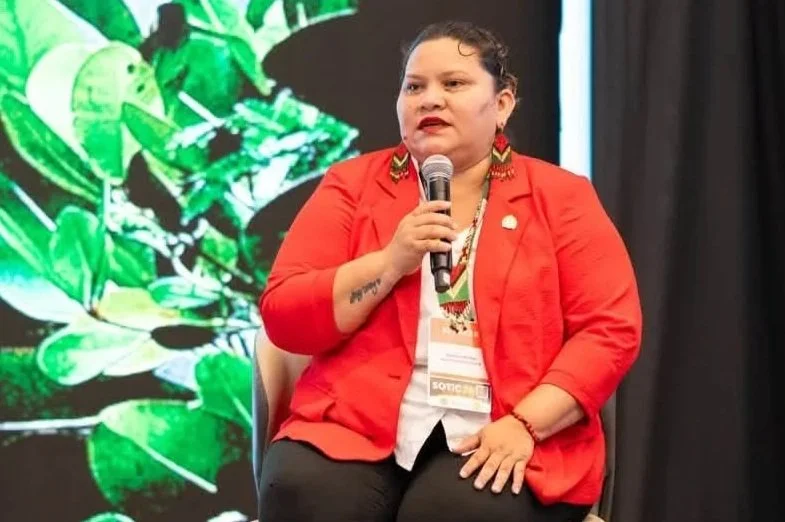
Candace Phillips (Photo contributed)
“Some become discouraged when they encounter the daily demands of tourism, from managing guests to resolving unexpected problems,” said Phillips. “At those moments, the authority’s staff serve as mentors and motivators as well as technical advisers, adjusting their support to each community’s needs and readiness. We go as fast or as slow as they can.”
Working in more than 50 communities, the GTA is also increasingly connecting village experiences through tourism circuits or clusters, recognizing that each community’s success depends partly on the attractions, services and transportation available around it.
Toka is part of a wider story of Indigenous enterprise in Guyana.
Surama Eco-Lodge is owned and operated by the people of Surama, who have identified ecotourism as a sustainable use of their land. Rewa Eco-Lodge similarly places community employment and biodiversity conservation at the centre of its operations.
At Caiman House in Yupukari, village-based research connects local knowledge with scientific work. Its river turtle programme, founded in 2011, combines conservation with community participation and youth activities, while guests can join the black caiman research crew.
These enterprises give visitors opportunities to encounter the landscape through people who know it intimately. They also illustrate how conservation and tourism can support one another when residents have meaningful roles in both.
Minister of Amerindian Affairs Sarah Browne-Shadeek said the test of regenerative tourism extends beyond arrivals, accommodation and revenue. It includes whether villages are better off, whether cultures are respected and whether young people can see a future in their communities.
“Indigenous culture, too, is not a product created for visitors,” she said. “It’s a living heritage.”
Communities, Browne-Shadeek said, should determine which practices they share, how those practices are represented and which knowledge, places or ceremonies remain private. Cultural practitioners should also receive recognition and compensation.
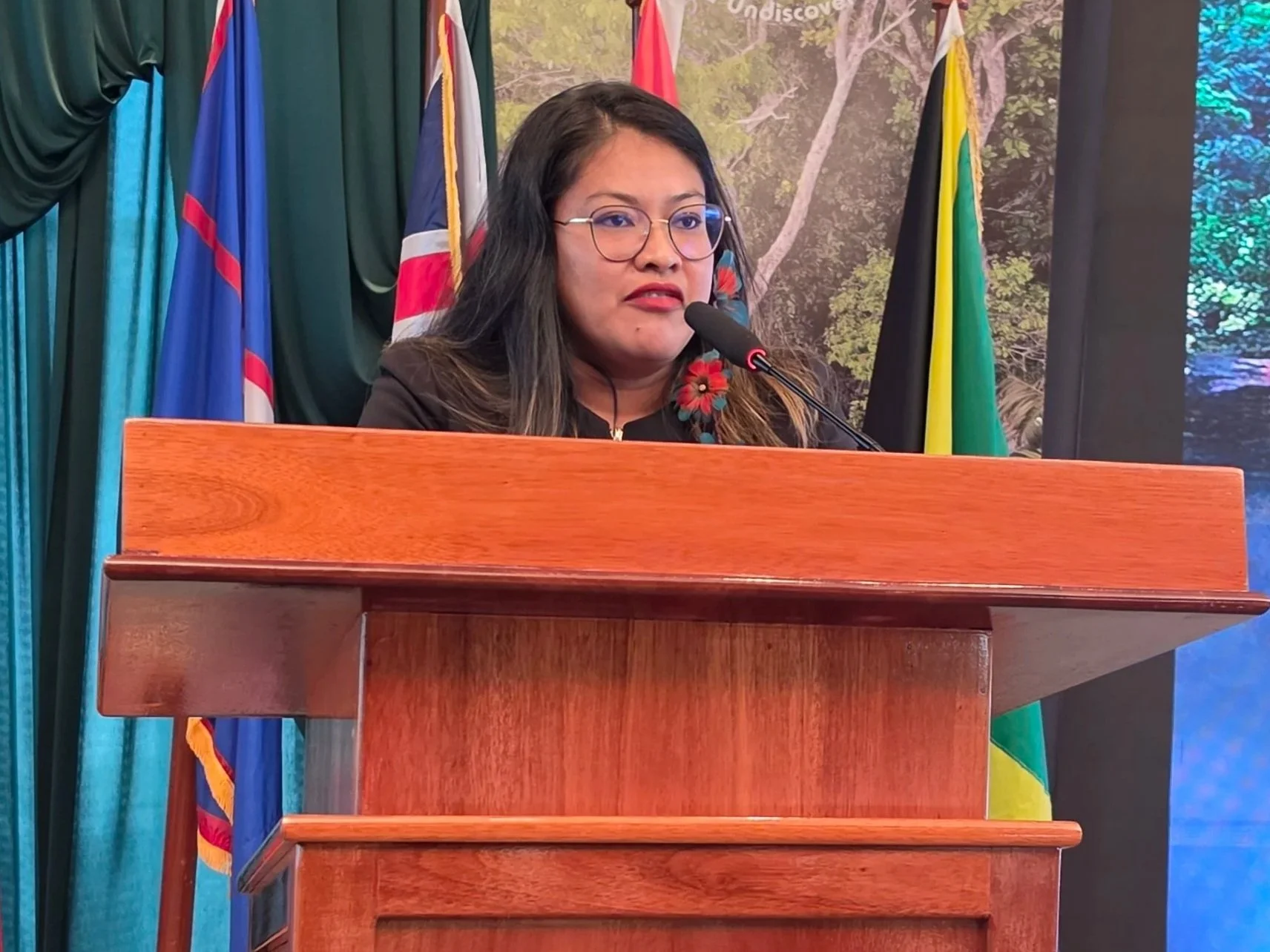
Sarah Browne-Shadeek (Photo by Ron Fanfair)
Government support involves funding, infrastructure, training and access to finance. It also requires recognition, consultation and a willingness to accept communities’ own development priorities.
“Funding without meaningful community participation may fail to address the priorities that matter most to our local people,” Browne-Shadeek added.
The minister cited national budget provisions of G$7.2 billion and G$7.5 billion over the past two years for Indigenous development, alongside cumulative village disbursements of G$16.9 billion through the Low Carbon Development Strategy’s carbon-credit programme.
Those allocations support a range of village priorities, including agriculture, infrastructure, land titling, women’s and youth initiatives and ecotourism.
Yvonne Fredericks-Pearson, a ministerial adviser and Indigenous leader, stressed the importance of land rights, full participation and fair benefits.
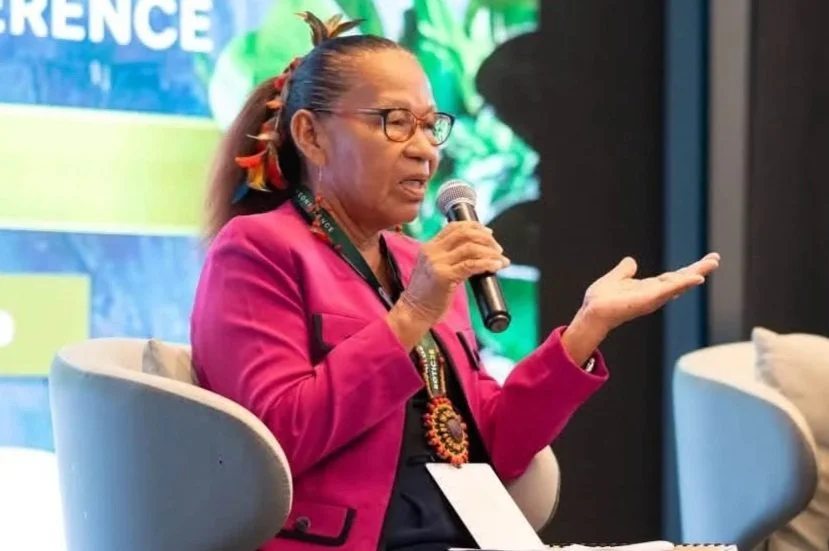
Yvonne Fredericks-Pearson (Photo contributed)
“Communities need time to discuss proposals and understand what they entail,” she said.
The community elder invoked free, prior and informed consent as a guiding principle and warned against imposing tourism plans from outside.
Fredericks-Pearson also called for investment in the business skills that allow residents to bring traditional knowledge and products to market, including training, packaging and promotion.
Passing knowledge to younger people is another responsibility. Elders, she said, need to take them into the forest and teach them about medicinal plants and other aspects of their heritage.
The relationship between Indigenous people and conservation predates the industry’s current language of sustainability.
“We have been doing that for years,” she said. “Many centuries ago, we have been doing that, practising sustainable use of the forests.”
Nicole Usher, Chief Executive Officer in Belize’s tourism ministry, described similar questions in her country, where nature, culture and community livelihoods intersect.
She pointed to the need to balance authentic experiences with the transport, accommodation and services visitors expect.
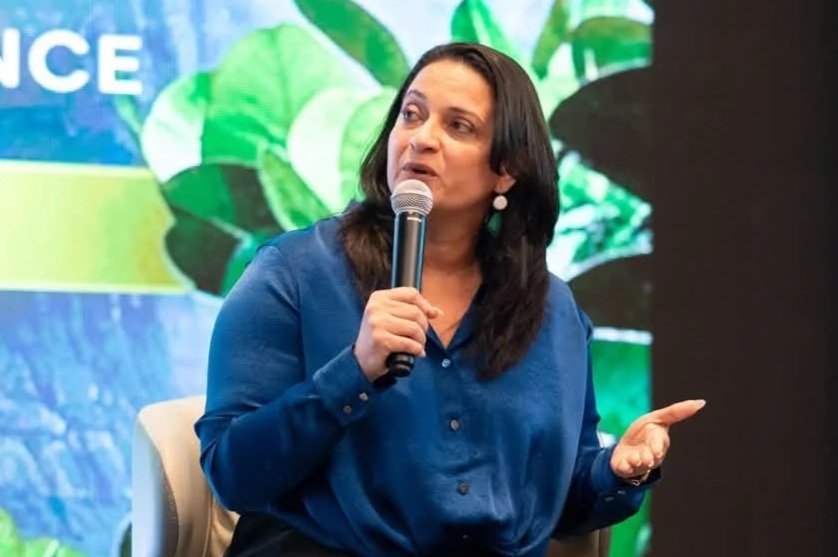
Nicole Usher (Photo contributed)
“Policies and plans must draw on community input, and communication must work in both directions,” said Usher. “We have to continuously look at how we improve communication, how we improve that input that is being given from the communities.”
For Guyana’s villages, access remains a practical constraint.
Davis said the expense of reaching interior destinations can outweigh the cost of the experience itself. Better connections and more affordable transportation therefore matter to the viability of community ventures.
Phillips also stressed the need for agreements that protect communities in their dealings with tour operators and other partners.
The discussion left a clear measure of progress -- communities must have the ability to make decisions, protect what they value and secure a fair return from the tourism their knowledge and stewardship help sustain.
Fredericks-Pearson expressed that principle in a sentence.
“There should be nothing about us without us,” she said.
In Toka, it is already shaping a choice about clay. The village is welcoming visitors into an experience carried by generations, while retaining the authority to decide how that tradition continues.