Caribbean sustainable tourism conference signals shift from discussion to action
May 10, 2026
Too often, conferences follow a familiar script.
Delegates gather, absorb presentations and disperse with little evidence of what endures beyond the closing session.
From the outset, the just-concluded Caribbean Tourism Organization (CTO) biennial Sustainable Tourism Conference in Belize signalled a deliberate shift from conversation to action.
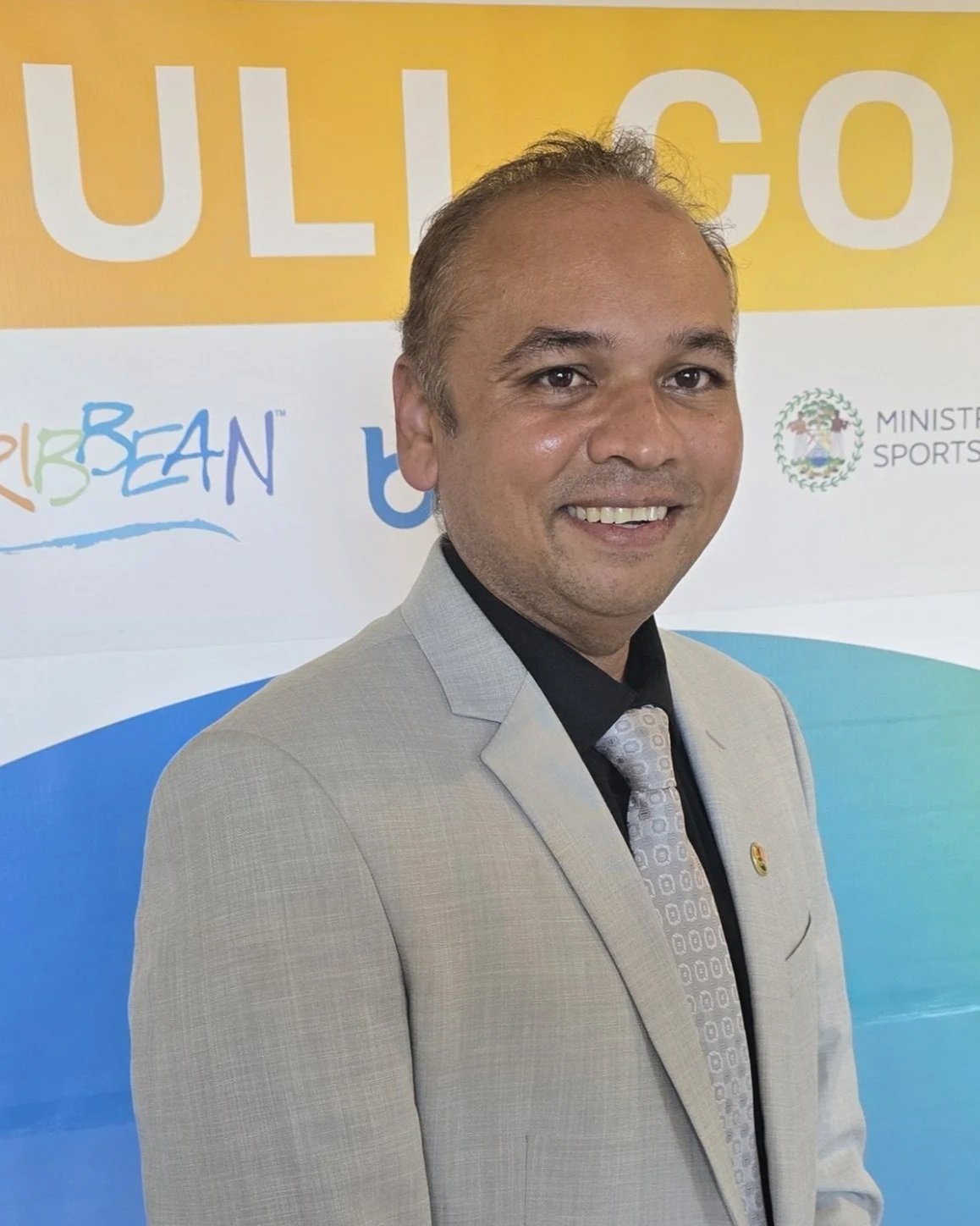
That intention was clearly established at the media reception where Deputy Director of Sustainable Tourism Narendra Ramgulam emphasized that this would not be a passive exchange of ideas, but a working forum focused on charting practical pathways, building meaningful partnerships and co-creating solutions.
His position, a newly created role aligned with the CTO’s strategic focus on sustainable and regenerative tourism development, reflects the organization’s growing commitment to embedding sustainability more deeply into regional tourism planning.
Ramgulam noted that even the panels were intentionally structured to be solution-oriented, pushing discussions away from theory and toward tangible outcomes participants could take back to their destinations and implement.
That framing carried through the conference, shaping both its tone and the expectations of those in attendance.
For the first time since the inaugural gathering 26 years ago, there was a palpable sense that this was more than another convening. It felt like a turning point where issues raised would not simply be shelved, but actively pursued through follow-up and accountability.
“With many conferences, there is a lot of knowledge exchange, and people have been recycling the same information,” said Ramgulam who played a key role in advancing the organization’s vision for a more resilient and inclusive tourism sector. “With this conference, and the way it was framed through the theme, much of the knowledge is new. In every session, there was a clear objective to provide tools, techniques and low-hanging fruit that participants can take back to their destinations and actually implement.”
He said the CTO has built-in mechanisms to ensure the momentum continues.
“Most of our member countries attend this event, and through our Sustainable Tourism Technical Committee, we can track what they have achieved,” Ramgulam pointed out. “We meet twice a year, so within six months we will be able to assess what has been done, what is being practiced and what has been implemented.”
That emphasis on continuity and measurable outcomes reinforced the conference’s broader purpose.
“We had some of the best speakers in the world sharing tips, toolkits, experiences and best practices,” said Ramgulam who previously served as Director of Tourism Product Development and Destination Management at the Tobago Tourism Agency Limited. “Countries and destinations don’t have to start from scratch. They now have the tools, the knowledge and the networks to move forward and make it happen.”
To ensure discussions around sustainable tourism translate into measurable change across destinations, he said the CTO is deliberately moving beyond dialogue to sustained, practical action.
“We are not just talking sustainable,” the former University of the West Indies St. Augustine campus postgraduate co-ordinator and lecturer said. “One of the things we have done is establish the Sustainable Tourism Action Series. Every quarter, we produce either a webinar or an event that brings in a specialist to provide tools and guidance on issues that are of concern to us in the Caribbean.”
Those sessions, Ramgulam explained, are designed to tackle both emerging and persistent challenges across the region.
“Earlier in the year, we had one that dealt with overtourism, which is a problem in the region,” he said. “Later in the year, we may deal with undertourism, which is another issue. Every time people talk about overtourism and too many cruise ships coming to the region, they don’t always talk about how we can maximize revenue or encourage visitors to move to other destinations.”
Beyond managing visitor flow, Ramgulam said the CTO is also placing growing emphasis on data-driven environmental management as part of its broader sustainability agenda.
“We have had sessions that dealt with carbon calculators, helping destinations map and measure their carbon footprint, which is extremely important,” he noted. “We have also had sessions focused on climate and how we integrate it into planning and development. I have always said if we don’t take climate seriously, our tourism resources will cease to exist.”
Ramgulam stressed that the region’s environmental vulnerabilities are directly tied to tourism’s long-term survival, particularly in the Caribbean where coastal ecosystems are central to both livelihoods and visitor experiences.
“Carbon emissions are directly correlated to rising ocean surface temperatures,” he said. “If that increases toward 1.5 degrees Celsius, we could lose between 70 to 90 percent of our warm-water coral reefs. If that happens, there are direct implications for coastal communities, tourism activities like snorkelling and scuba diving, and even food security.”
At the same time, the CTO’s Reimagine Plan is seeking to move the region beyond traditional sustainability models by integrating regenerative tourism principles into long-term development strategies.
Structured around five pillars -- sustainable and regenerative tourism, tourism intelligence, advocacy, market competitiveness and people development -- the plan aims to increase government and allied membership, strengthen tourism data infrastructure, expand training opportunities for marginalized groups and enhance service standards across the region. A sixth pillar focused on operational excellence will guide internal reforms within the CTO.
When asked what success would look like a year from now as a result of the conference, Ramgulam said the answer depends on how destinations measure progress.
“It depends on what you are measuring,” he said. “Success, I would say, is looking at destinations and seeing how they have diversified their tourism product. Are we seeing the colour exchanges and merges? You may have a vibrant orange sector, but did you create a layer of green within that orange sector? I am looking at those as metrics and measurement variables for those types of things.”
He added that success should also be measured through environmental indicators and the implementation of nature-based solutions.
“Another way of measuring success is from a marketing standpoint as people tend to look at the reviews and the posts,” Ramgulam said. “I would measure success based on an environmental perspective. I would look at the quality of the destination, the biodiversity and the species, corals and trees. I would look at how we engage in nature-based solutions because that, at the end of the day, is at the heart of it. The number one selling drug in the world, aspirin, comes from compounds originally found in the bark of the willow tree. A significant portion of the world’s protein also comes from the ocean. I would want to see, over the next year or two, what nature-based solutions have actually been implemented.”
The conference also highlighted the growing importance of engaging younger generations in shaping the future of Caribbean tourism.
“Younger generations are pushing sustainability to the forefront,” Ramgulam said. “Many of our activities are youth-focused. For next month’s Caribbean Week in New York, there is a competition geared toward sustainable ideas from youth. They get an opportunity to integrate their ideas into broader plans we may have.”
Diaspora communities, he pointed out, can play a critical role in advancing sustainable tourism beyond simply returning home as visitors.
Although the CTO does not currently have a formal presence in Canada, the organization has found ways to include Canadian voices in its decision-making process.
Ramgulam pointed to the CTO Allied Board of Directors, which includes two Canadians among its five members. Claudine Pohl and Casey Davey help bring private-sector and diaspora-connected perspectives to the organization’s work.
“They contribute valuable insights that help shape the organization’s activities,” he said. “They help ensure the integration of private-sector needs and interests into the CTO’s mission.”
Their involvement, he added, goes beyond symbolic representation.
“As part of that board, they get to influence decisions,” said Ramgulam.
The participation of Canadians with strong Caribbean ties reflects the CTO’s recognition that the diaspora can be an important partner in shaping sustainable tourism policies, strengthening business connections and promoting a more resilient and culturally grounded tourism industry across the region.
The conference’s long-term impact, Ramgulam said, will ultimately be felt at the community level where many of the decisions affecting tourism development are made.
“The good thing about it is that some of the persons who make the decisions at the community level are here,” he said. “We also have a lot of politicians and business people who can make a difference at the community level.”
Looking ahead, Ramgulam said future conferences will continue evolving in response to emerging regional realities and measurable outcomes.
“This event is held every two years, so we will use 2027 to see what is trending,” he said. “That shapes part of the agenda going forward. Also shaping the agenda is having those discussions with our member countries and seeing what the challenges are, what the gaps are and how do we then pool together people to help answer those problems.”
If the conference achieved anything in Belize, it was shifting sustainable tourism from a broad aspiration into a more accountable and measurable regional mission.