Scholars reshape the future of Caribbean tourism
April 30, 2026
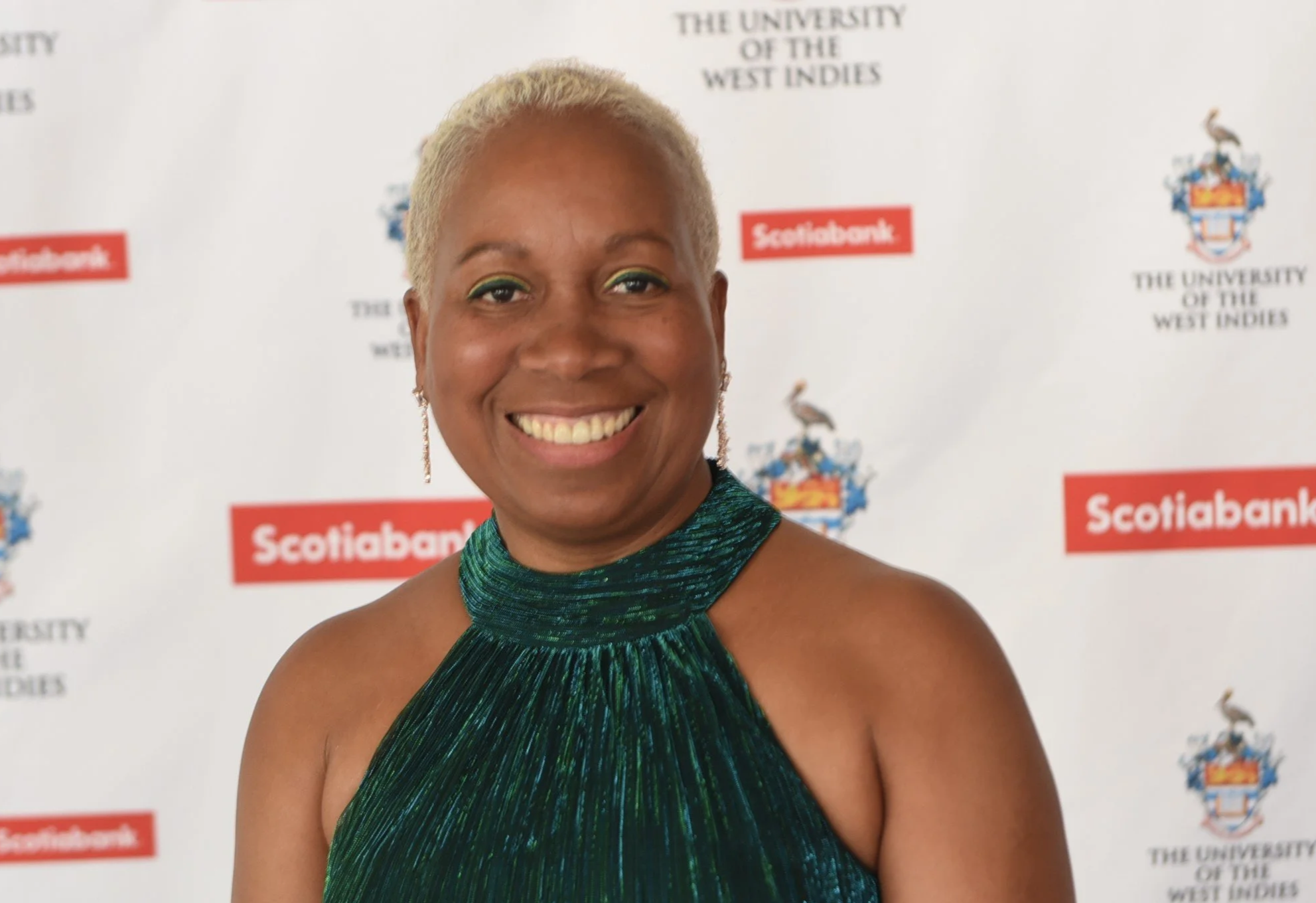
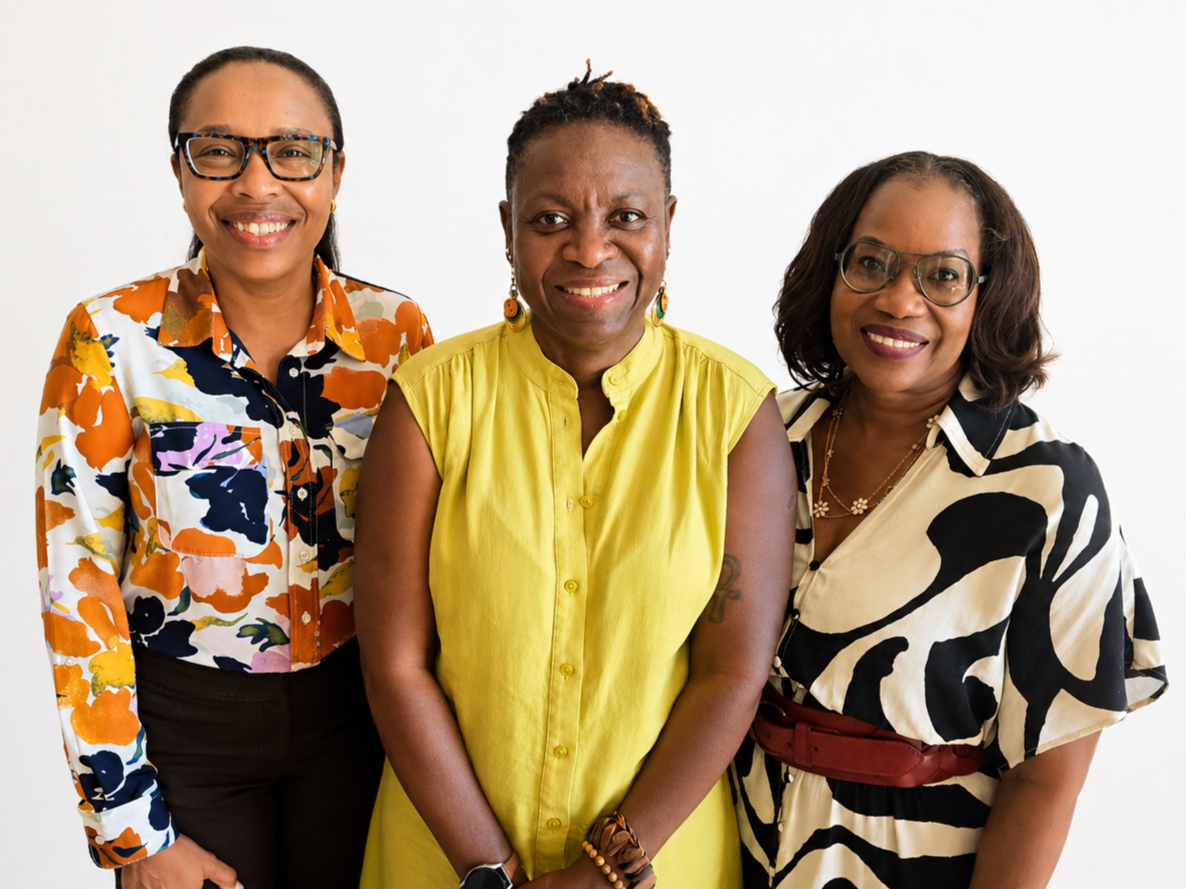
At a time when the Caribbean tourism industry is being urged to rethink its future, the presence of scholars including Sherma Roberts, Acolla Lewis-Cameron and Mechelle Best at the Caribbean Tourism Organization (CTO) Sustainable Tourism Conference in Belize adds a critical, forward-looking dimension to the conversation.
As educators and researchers grounded in tourism and sustainability, they do more than analyze trends. They help shape the thinking of the next generation of industry leaders. Their work bridges theory and practice, challenging traditional models while equipping young minds with the tools to build a more resilient, equitable and culturally grounded tourism sector.
In a region where the stakes are high and the margins for error are shrinking, their collective insight offers not just critique, but a roadmap rooted in knowledge, accountability and innovation. Against that backdrop, the conversation turns to some of the most pressing and uncomfortable realities facing the industry today.
One such question centres on whether there are truths the region continues to avoid confronting.
“I don’t know if it is that we avoid confronting it,” said Best who is the Dean of the College of Health & Human Development at California State University, Northridge. “I think we recognize it is there. We still have a significant dependence on tourism. I don’t know if there is much we can do to change the dependence, but what we can do is change the industry so even if we are dependent on it, we are a lot more resilient and we get a lot more benefits out of it.”
That dependence, however, goes beyond economics and extends into identity, raising questions about how tourism has shaped how Caribbean people see themselves.
“It is hard to put tourism in a vacuum because at the same time tourism development was happening across the region, we were exposed to North America and to a lesser extent Europe,” noted Best, a University of the West Indies (UWI) hotel management graduate and Fulbright/OAS Scholar for the Eastern Caribbean. “It is hard to say that tourism made this change in terms of how people see themselves when they are also seeing all kinds of television shows and there is greater access to the internet. What tourism has done in some ways, though we are obviously trying to make these changes, is to reinforce an identity that we didn’t necessarily appreciate, being kind of forced back into that kind of box.
“What people expect when they come to the region, especially if they are White Europeans or North Americans, comes with certain expectations of how Black or Brown people should be serving them. They try to put us back into a box. In the last two decades, we have been a lot more resistant to being put back into a box and to share the identities about how we see ourselves, which may be very different from those expectations.”
As the industry begins to confront those perceptions, attention is also shifting to how meaningful change can be distinguished from symbolic gestures, particularly in conversations around diversity and inclusion.
“Change is meaningful if you can recognize it and if it persists beyond the person who is championing it,” said Best who is particularly focused on inclusive excellence and student success as well as promoting diversity, equity, inclusion and social justice to ensure an environment in which students, faculty and staff can thrive. “If you truly make a change, it does not matter whether the champion is there or not. The culture of whatever that thing is is different, and so it persists beyond me.
“When we talk about diversity, especially in the Caribbean, we have to talk a lot about gender and what it means to have women not just in the workforce, but in leadership positions. Even when we see women achieve and empower, there is still a certain misogyny that exists in tourism spaces where, whether we have the expertise or not, the man thinks he is the expert. We also have a new generation of younger people who are entering this industry and diversifying it. Through social media, they are creating opportunities, putting themselves in spaces and becoming entrepreneurs. They are reshaping the industry in the way they want to participate in it.”
That shift naturally leads to questions about who controls the narrative of Caribbean tourism and how the region is represented globally.
“It means having people like me, Sherma and Acolla speak to issues because we are experts in Caribbean tourism and tourism in general,” said Best who co-authored Contemporary Caribbean Tourism: Concepts and Cases. “It means more research by Caribbean researchers and it means we are more in control of our marketing and showcasing ourselves to the rest of the world. It means we are not hiring others who don’t necessarily understand us to project us on the world stage.”
While sustainability is widely embraced as a goal, she argued that it must go beyond rhetoric and confront deeper inequities.
“The key is being honest,” added Best. “It is saying these things are not what we want them to be and we still have work that needs to be done. As much as we may want to think we have arrived, that is not what sustainable development or tourism is. We are always going to be on a path of trying to ensure that our impact on natural resources is more managed, to ensure that more people have a voice, more people have a stake and more people benefit. Not everyone has equitable access, and we need to continue having those conversations openly.”
Looking at innovation, Lewis-Cameron addressed what it looks like when it is driven from within the region rather than imported.
“At the core of innovation is being able to use what is unique to you and generate wealth from that,” said the senior lecturer and Dean of the Faculty of Social Sciences at UWI’s St. Augustine campus in Trinidad. “What makes it distinct is being able to access resources, package them and manage them in such a way that it results in both wealth creation for the destination as well as minimizing the reliance on imports. What makes us different is using our own resources to create.”
Bridging the long-standing gap between research and real-world application is another critical issue.
“That translation relies heavily on collaboration, trust and partnership between researchers and policymakers,” Lewis-Cameron, the chair of the Tourism Standing Committee for the Strategic and Sustainable Development of Tourism in Trinidad, said. “For too long, there has been a chasm between industry and academia. There is a perception that academia exists in an ivory tower and does not understand what is happening on the ground. In reality, academics provide the framework, structure and guidance that industry can rely on to translate research into practice.”
With young people poised to inherit the industry, their role becomes central to its transformation.
“One of the strengths of this generation is that they are digitally fluent,” Lewis-Cameron noted. “They know how to use technology to benefit not just themselves, but the spaces where they can influence. They can be better supported if they are given meaningful opportunities to create change and are not treated as inexperienced. If allowed to put what they build into practice, we will see them transform the industry.”
Balancing global pressures with local priorities remains one of the region’s most delicate challenges.
“A delicate balancing act has to take place because we are pressured to respond to global issues,” said Lewis-Cameron. “It is important for us to remain true to who we are and understand what we can contribute. There is a mentality that foreign is always better. We need to have more confidence in what we can offer, change and manage.”
For Roberts, the issue of narrative remains central, particularly in how the Caribbean continues to be portrayed.
“The industry still gets wrong that we are too over-dependent on tourism,” she said. “Dependence is good, but over-dependence is problematic. We also continue to perpetuate stereotypes in how we represent ourselves. The Caribbean is often sold as paradise, but we need to debunk that image. It is a place of enjoyment, pleasure and learning. The focus should be on the people and immersive experiences, not just the beach. That is why people come, but beyond the beach there is so much more.”
Roberts, a senior lecturer in Tourism & Hospitality Management in the Sagicor Cave Hill School of Business and Management in Barbados, said that complexity extends to how culture is presented and protected.
“We need to recognize that we have to commodify culture,” she pointed out. “What is the point of having culture if it is not creating value? But there are front and back parts of tourism. We can share part of that authenticity while preserving some for ourselves. There is also a tendency to romanticize poverty. A woman cooking over a coal pot may be seen as authentic, but that comes with health risks and long labour hours. Why should that be packaged for tourist consumption? We have to think about the consequences of what we present.”
On the ground, she said sustainable tourism must translate into real improvements in people’s lives.
“From an economic point of view, it means local ownership,” said Roberts who served as the Chair of the Tobago Tourism Agency since its inception. “It is about creating linkages, connecting tourism to local producers. Imagine hotels using locally made soaps. That is the type of sustainability we need. It is not just about quantity, but quality, ensuring people feel valued in their workplaces.
“From a social perspective, it means improving quality of life. Tourism should connect foreign exchange to everyday realities like education and healthcare. Environmentally, it means proper waste management and better practices. Institutional sustainability requires strong governance frameworks.”
Looking ahead, Roberts believes young scholars and entrepreneurs must also challenge systemic barriers.
“They should focus on the political cycle that often disrupts progress,” she said. “Policies are created, then abandoned when governments change. We need continuity. I also encourage students to assert themselves, form consultancy groups and take ownership rather than relying on external consultants.”
Universities, she added, have a critical role to play in shaping not just skilled graduates, but socially responsible leaders.
“In our classrooms, we engage as thought leaders and bring industry into the conversation,” said Roberts who spearheaded a Disney internship program for tourism students and the first-ever UWI International Tourism Conference. “Instead of traditional assignments, students are now producing documentaries that examine sustainability in real communities. They speak to taxi drivers, vendors and tour operators to understand how issues like sargassum affect them. What is clear is that residents understand sustainability. They know that if the environment is not protected, their livelihoods are at risk.”
She said it also helps if students are exposed to spaces like the CTO Sustainable Tourism Conference.
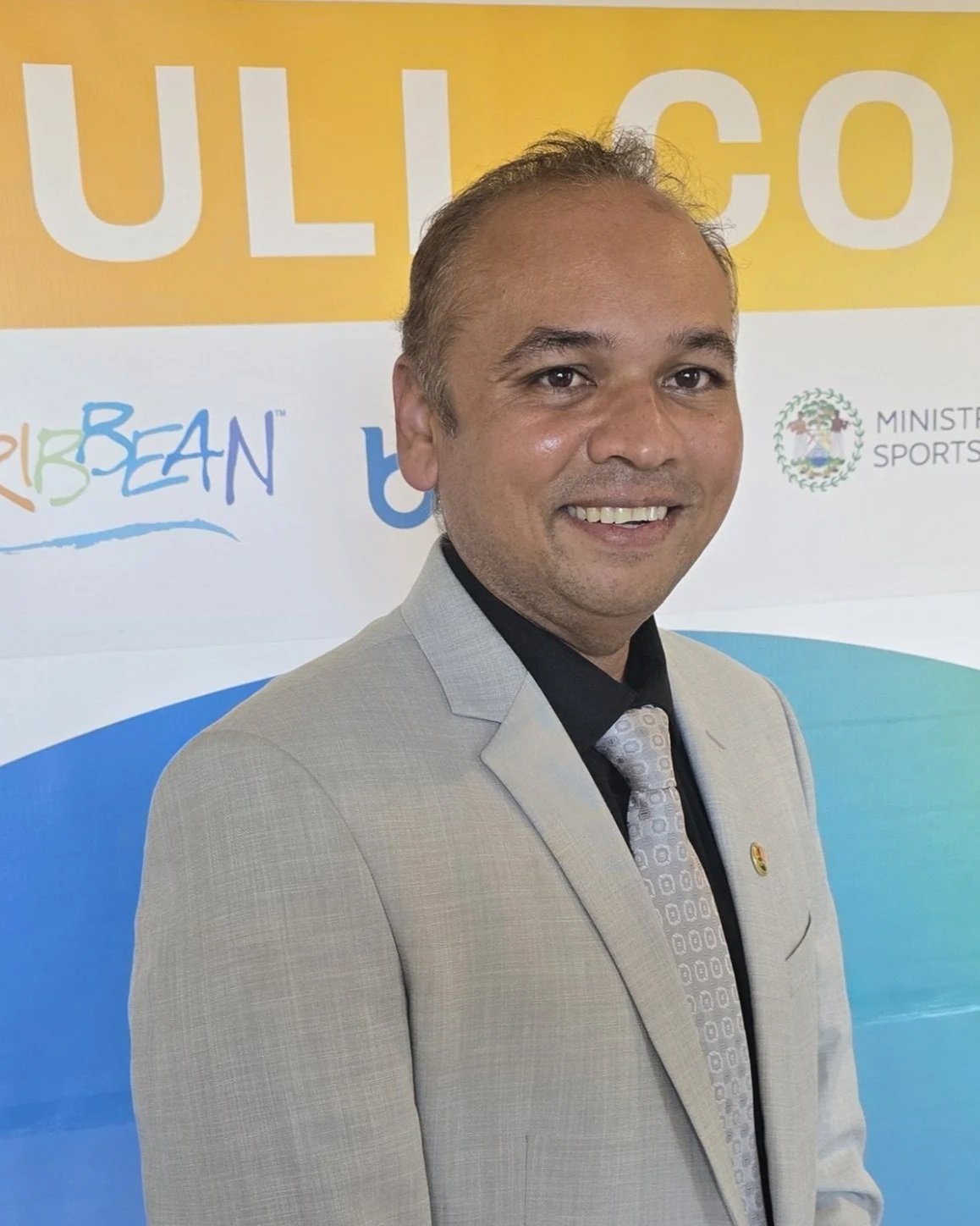
Roberts pointed to emerging leaders such as Narendra Ramgulam, the CTO’s Deputy Director of Sustainable Tourism, whom she taught, as an example.
“It is a good feeling to know that having invested in him, he is now in a leadership position and will continue to pay it forward,” she added.
What emerges from these conversations is a clear and urgent message that the future of Caribbean tourism will not be secured by growth alone, but by intention. It will depend on who tells the region’s stories, who benefits from its economies and how deeply its people are embedded in shaping its direction.
In scholars like Roberts, Lewis-Cameron and Best, the industry has not only critical voices, but architects of a more balanced and self-defined future. It is one where tourism no longer defines the Caribbean, but is redefined by it.