Belize brings sustainability into focus for a changing tourism world
April 27, 2026
Belize’s role as host of the Caribbean Tourism Organization’s (CTO) Sustainable Tourism Conference is not by chance, but by example.
In a relatively compact space, the country brings together the world’s second-largest barrier reef, expansive protected rainforests, and a living tapestry of Maya history that continues to shape its cultural identity.
This rare convergence is more than a tourism asset. It is a working model of balance in which preservation and development are not competing forces but interdependent priorities.
For visitors, Belize offers an immersive experience where marine biodiversity, terrestrial ecosystems and heritage coexist in ways few destinations can match. At a time when the Caribbean is being challenged to rethink its tourism future, Belize stands uniquely positioned to lead that conversation.
Hosting the conference this week on Ambergris Caye, Belize’s largest island, reinforces a deeper message that the region’s path forward lies not in expansion beyond its limits, but in safeguarding the very environments and histories that define it.
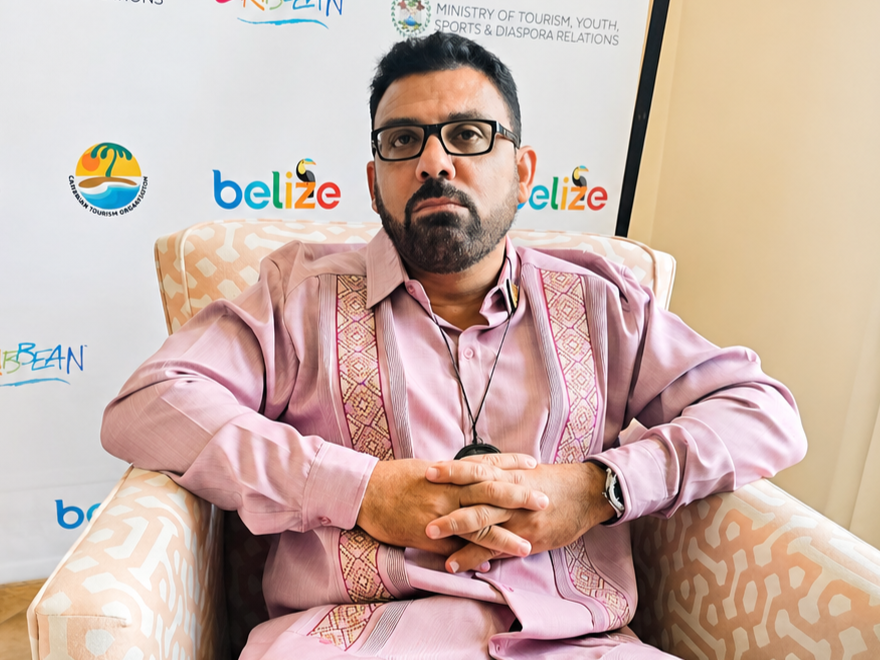
In Belize, sustainability is not an abstract goal. It is a lived practice. That reality framed much of the discussion among regional leaders, including Ian Gooding-Edghill, Chair of the CTO Ministerial Council.
At the opening ceremony on April 27, he said tourism has long been the cornerstone of Caribbean economies, providing livelihoods, attracting investment and positioning the region among the world’s most sought-after destinations. However, he noted that the context in which the industry operates is rapidly evolving.
“We are in “serious times,” shaped by converging global pressures, including conflicts in the Middle East that complicate efforts to develop Gulf States as emerging markets, strained relationships in traditional source markets, declining disposable income, reduced travel demand, rising oil prices, increasing transportation costs and weakening demand for long-haul travel and cruise itineraries,” the Barbados Minister of Tourism and International Transport pointed out.
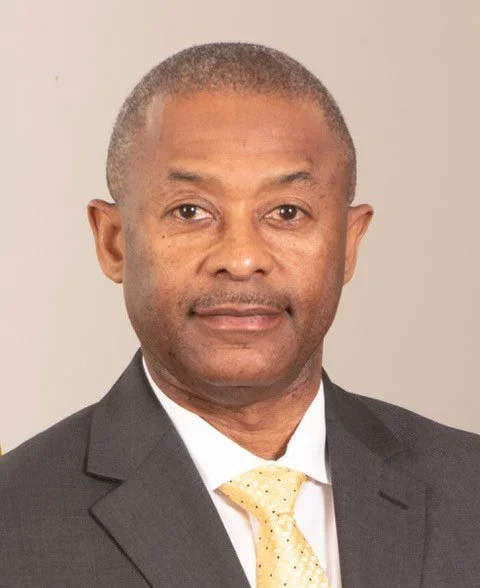
Ian Gooding-Edghill
Gooding-Edghill also highlighted the continued fight for climate justice among small island developing states, as they seek equitable access to global financing to protect the environments on which their tourism industries depend.
“At the same time, visitor expectations are shifting, with travellers increasingly seeking authentic, meaningful, and responsible experiences,” he said. “In the face of these realities, the Caribbean cannot simply afford to depend on tourism. We must reimagine tourism. This is why our presence here is so critical.
“…The conference is not only about sustainability in the traditional sense. It is about integration and innovation. It challenges us to rethink how tourism interacts with the wider economy and society. The theme for this year’s conference captures the vision of tourism in full colour, integrating blue, green, orange and beyond economies into sustainable planning and development.”
That call for reimagination is already being applied on the ground in Belize, where sustainability is embedded into national thinking rather than treated as an afterthought.
Evan Tillett, Belize’s Director of Tourism, said the conference provides a platform for the country to clearly declare its stance.
“In Belize, one defining lesson has shaped the national approach and that is what is protected ultimately sustains the country,” he noted. “This understanding emerged not from theory, but from recognizing that natural and cultural assets are finite and, once compromised, are not easily restored. The challenge, therefore, has never been growth alone, but how to pursue growth without undermining the very foundation that makes it possible.”
Since gaining independence in 1981, Tillett said Belize has operated on a simple but critical principle.
“Our natural environment is not separate from our tourism product,” he pointed out. “It is the foundation. We recognized early that protecting our marine and terrestrial ecosystems had to be built into law, making sustainability not an afterthought, but a requirement for growth and development.
“This approach demands intentional choices. It means valuing long-term benefits over short-term gains and acknowledging that not all growth serves our national interest. Policy alone cannot sustain a destination. People do, including stakeholders, cultural advocates, students and educators alike.”
That philosophy is reinforced by the country’s extraordinary natural and cultural assets.
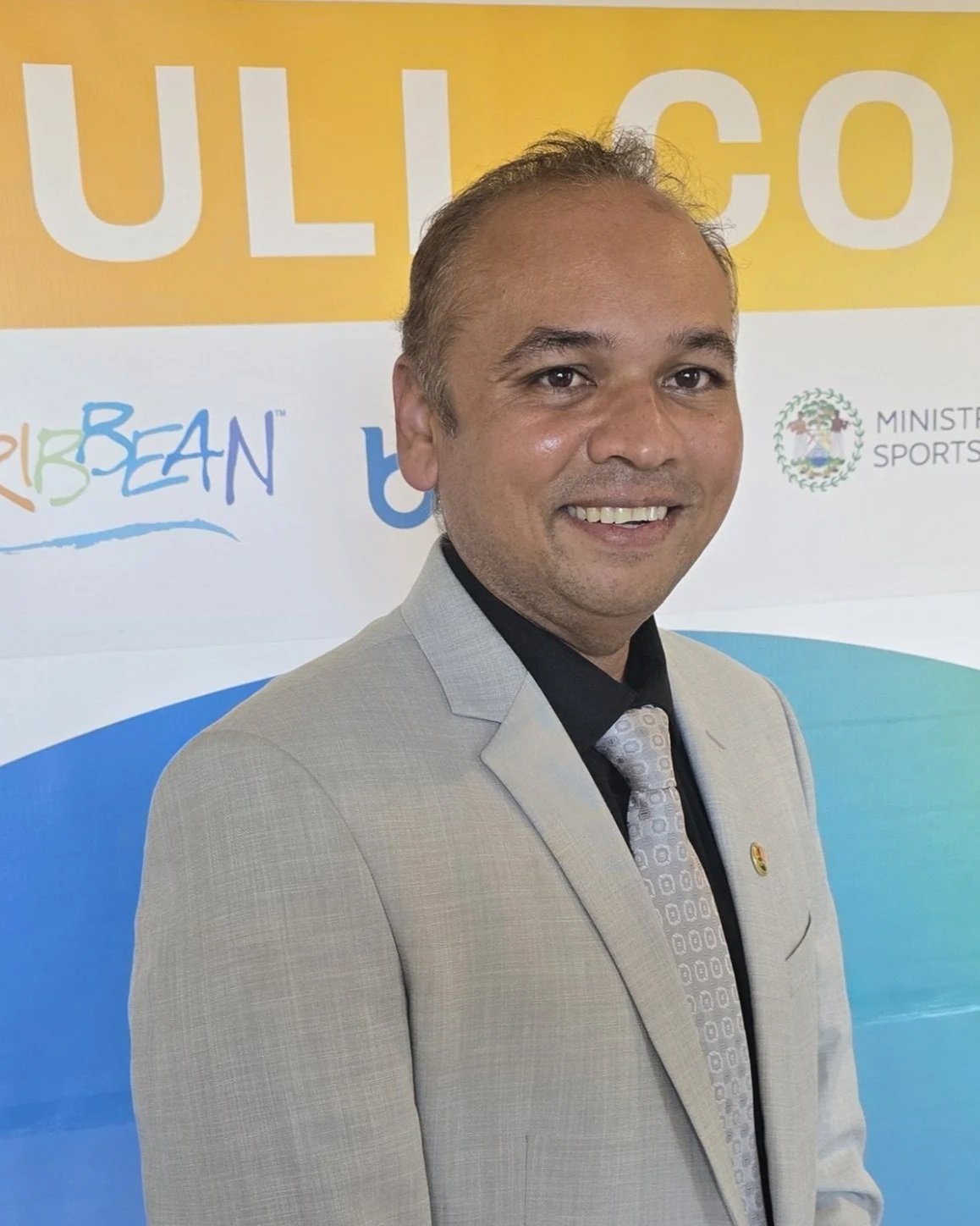
Minister of Tourism and Diaspora Relations Anthony Mahler said Belize’s scale belies its richness.
For a country of approximately 8,867 square miles, Belize holds remarkable diversity. It is home to the second-largest barrier reef in the world, a UNESCO World Heritage Site that sustains the fishing industry and drives tourism alongside more than 600 bird species, over 4,000 plant species, vast tropical forests, winding rivers and hundreds of offshore islands. Protected areas cover nearly 40 percent of the country’s territory.
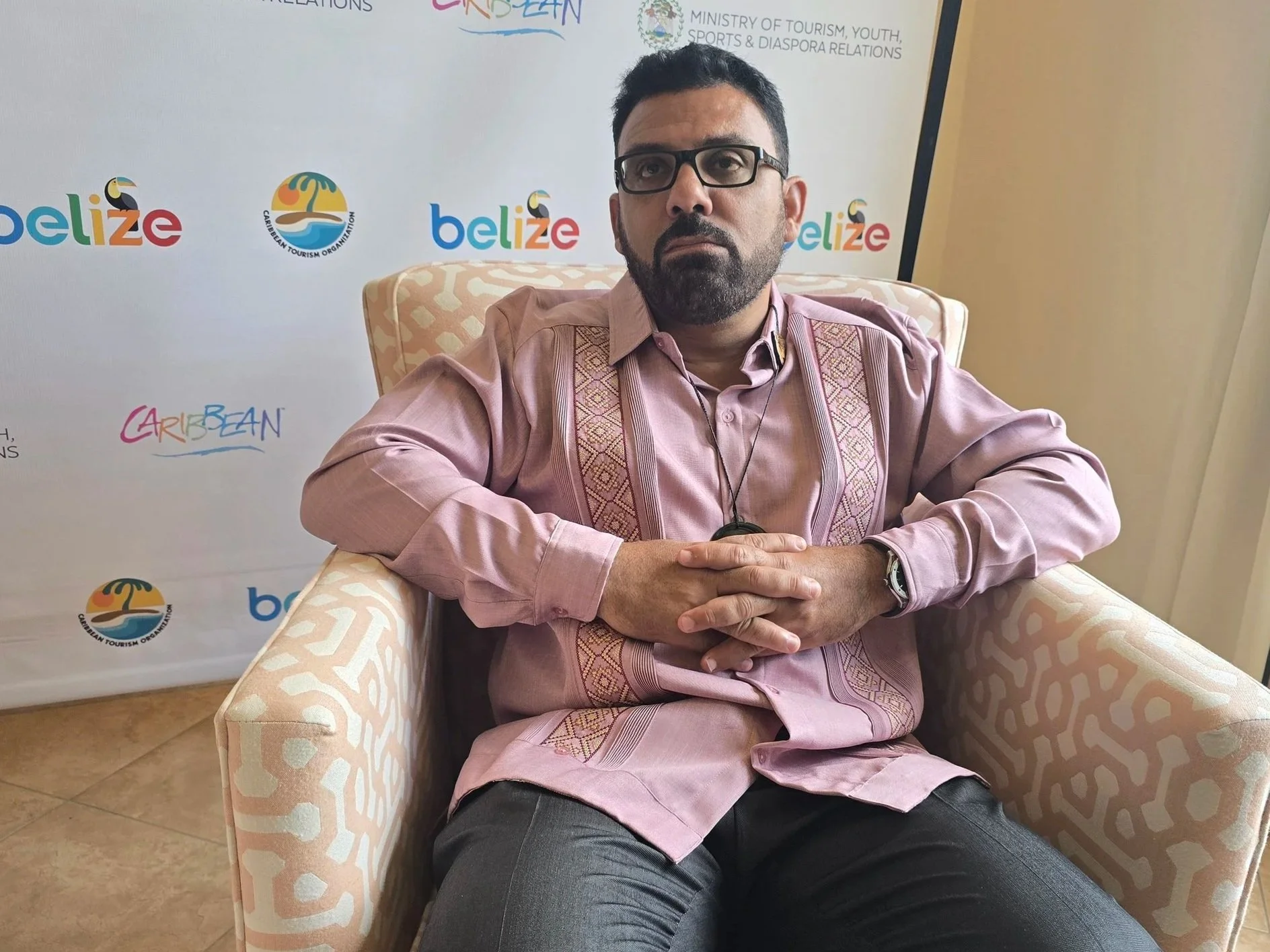
Anthony Mahler (Photo by Ron Fanfair)
But Belize is equally defined by its people.
“As one, we have built a nation of warmth and cultural richness,” said Mahler. “This is Belize, where the natural world and human stories are extraordinary and truly worth protecting.”
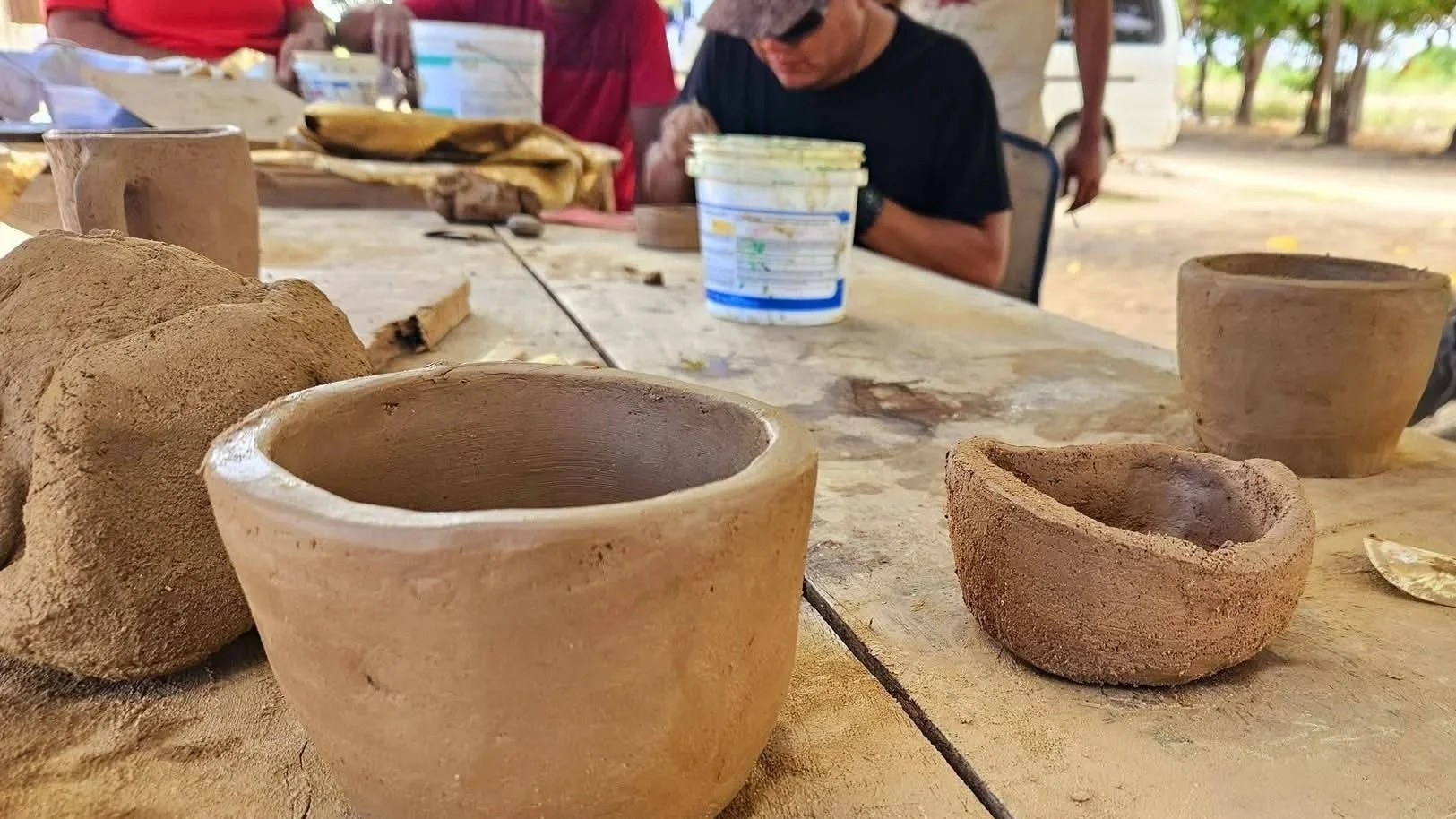
That intersection of culture, sustainability and ownership was further elevated by the presence of Dame Pania Tyson-Nathan, keynote speaker and Chief Executive of New Zealand Māori Tourism, whose contribution brought a powerful global Indigenous perspective to the conference.
Her message served as a critical bridge between regions, reinforcing that sustainability must go beyond environmental protection to include cultural integrity and community control.
“When we talk about the colour economies, these are not things or programs,” she said. “They are a system, and if we continue to treat them as secret, we will continue to see the outcomes we are trying to change. Tourism has been very good for growth, but it has been least effective in protection and, importantly, in giving back.
“The places creating value are the places carrying the cost, like environmental pressure and degradation, infrastructure strain, and too often weak economic linkages, with low-value jobs creating low-value economies. It also leads to gentrification, where locals can no longer afford to live in their homes or on their ancestral lands because policies have favoured developers who turn our homelands into playgrounds or holiday properties, often benefiting from marginal tax rates.”
Tyson-Nathan’s remarks also carried a pointed economic lesson that resonated strongly with Caribbean stakeholders.
Māori cultural experiences once cost as little as NZD $30, but today command significantly higher prices as communities have shifted toward models that prioritize cultural integrity, ownership, and long-term sustainability over mass-market affordability.
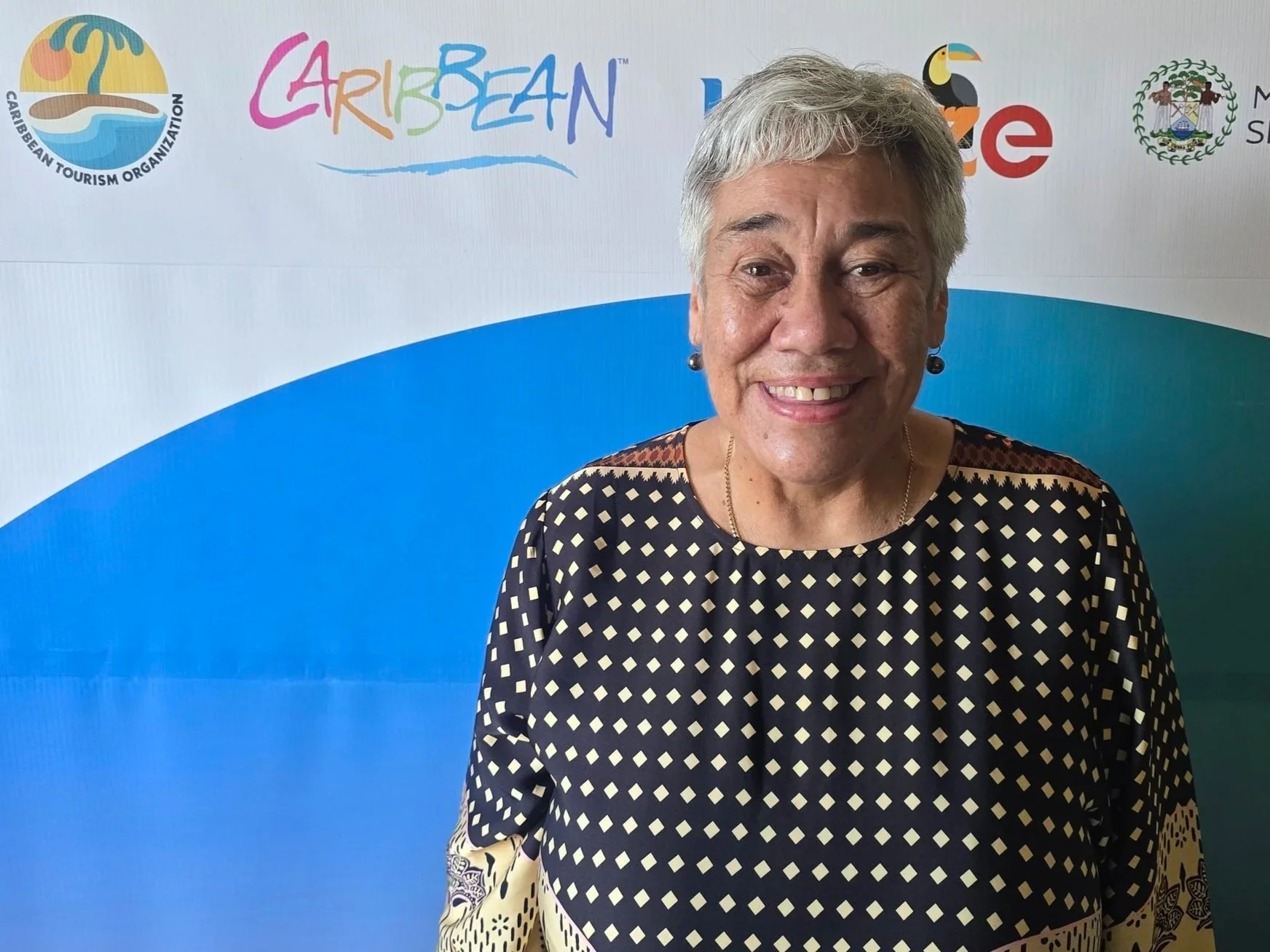
Dame Pania Tyson-Nathan (Photo by Ron Fanfair)
Drawing a direct parallel to the Caribbean, she stressed that the region must resist undervaluing its identity.
“Do you think people are coming to the Caribbean just for a swim?” Tyson-Nathan said. “There is a demand for the Caribbean, just as there is a demand to come to New Zealand and to engage with Māori culture. We are no longer $30. If you want a Māori experience, you might pay $120 if you are lucky and it is working. The problem with the $30 model is that we became bottom feeders in a very lucrative sector. We just have to be brave.”
That perspective finds tangible expression across Belize, where both natural and cultural heritage remain central to the visitor experience.
Altun Ha, located about 50 kilometres north of Belize City, stands as one of the country’s most significant Maya archaeological sites. Covering roughly eight square kilometres, it features more than 500 identified structures, including ceremonial plazas and temples, most notably the Temple of the Masonry Altars.
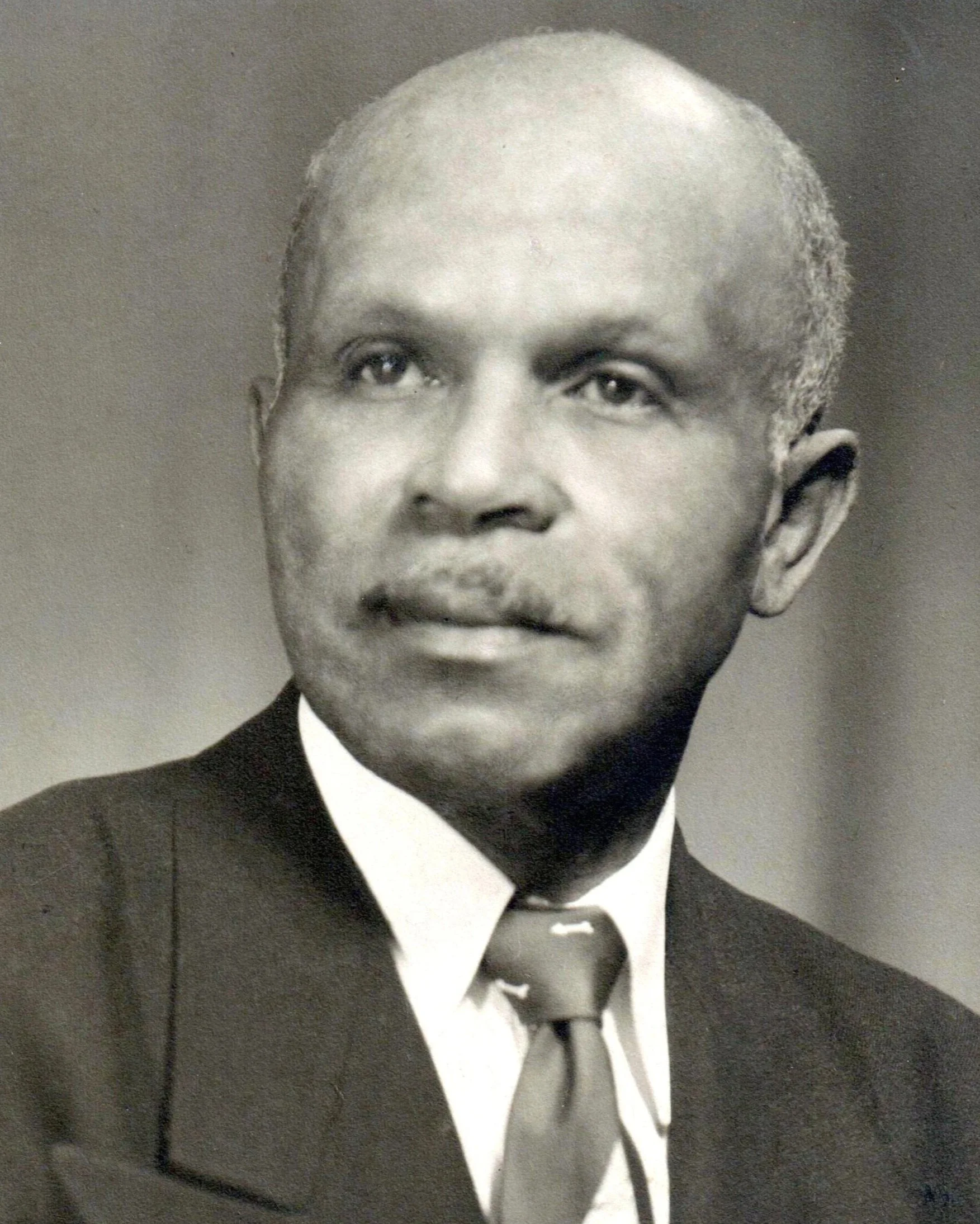
Excavations led by Dr. David Pendergast of the Royal Ontario Museum in Canada, beginning in 1964, helped uncover major artifacts.
“Many exotic items have been discovered here, including the largest jade artifact from the Maya area,” said Andrea Mendez, a guide with Altun Ha Maya Jungle Tours.
Equally significant is the Turneffe Atoll Marine Reserve, the largest and most ecologically diverse coral atoll in the Western Hemisphere and home to a multitude of vibrant marine ecosystems.
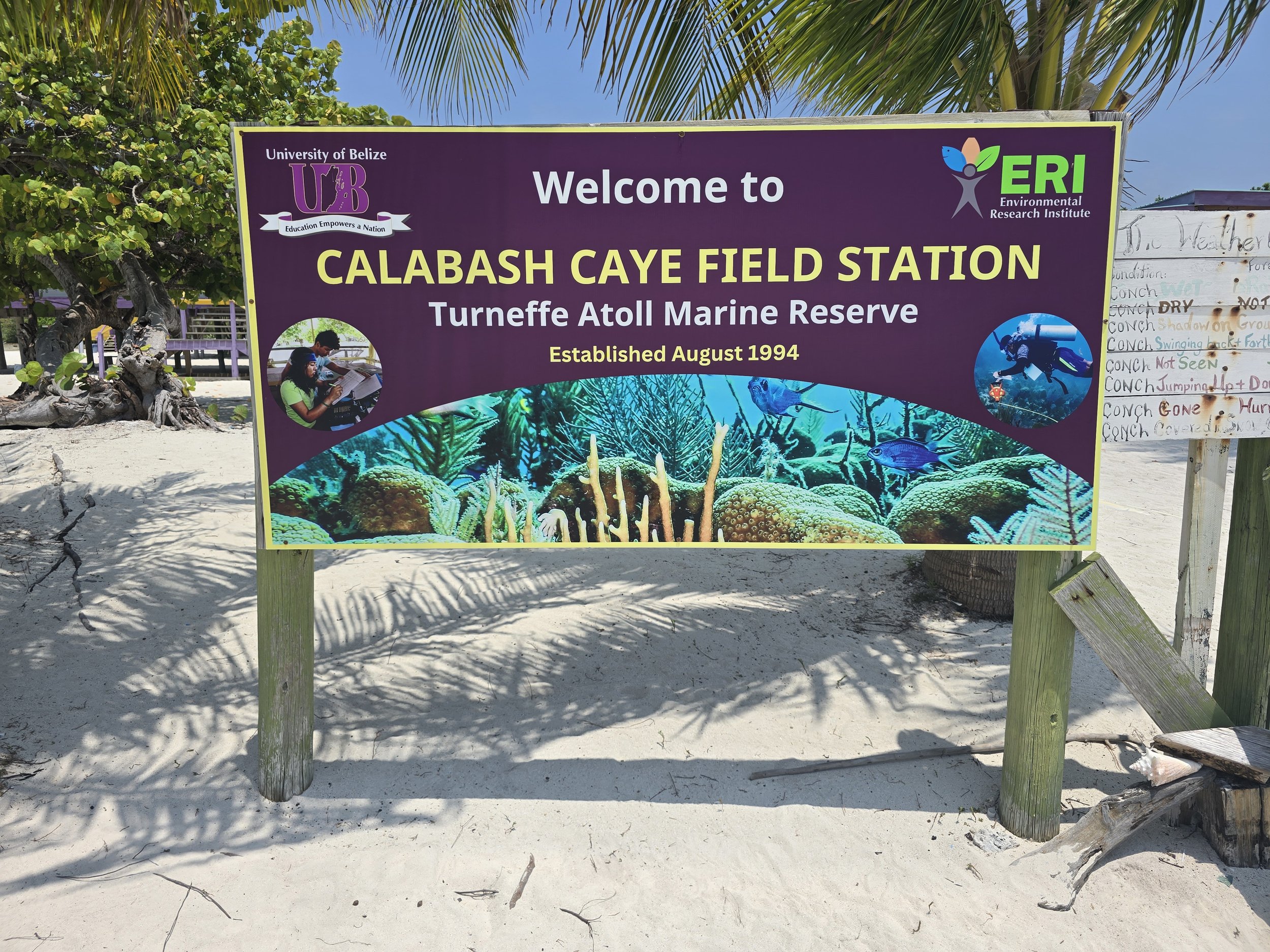
Calabash Caye Field Station (Photo by Ron Fanfair)
Hubert Gillett, financial sustainability manager of the Turneffe Atoll Sustainability Association, said the reserve represents the kind of experience travellers are increasingly seeking.
“If you are considering travelling to a sustainable tourism destination, you should put Turneffe on your list,” he said. “You can snorkel, scuba dive and relax at the same time.”
As the conference unfolds in Belize, the message coming into sharper focus is that the future of Caribbean tourism will not be defined by how much it can sell, but by how well it protects what cannot be replaced. From its barrier reef to its rainforests, from Maya heritage to living communities, Belize offers more than a destination. It offers a model.