For Stephen Fields, ministry was always about the people
June 29, 2026
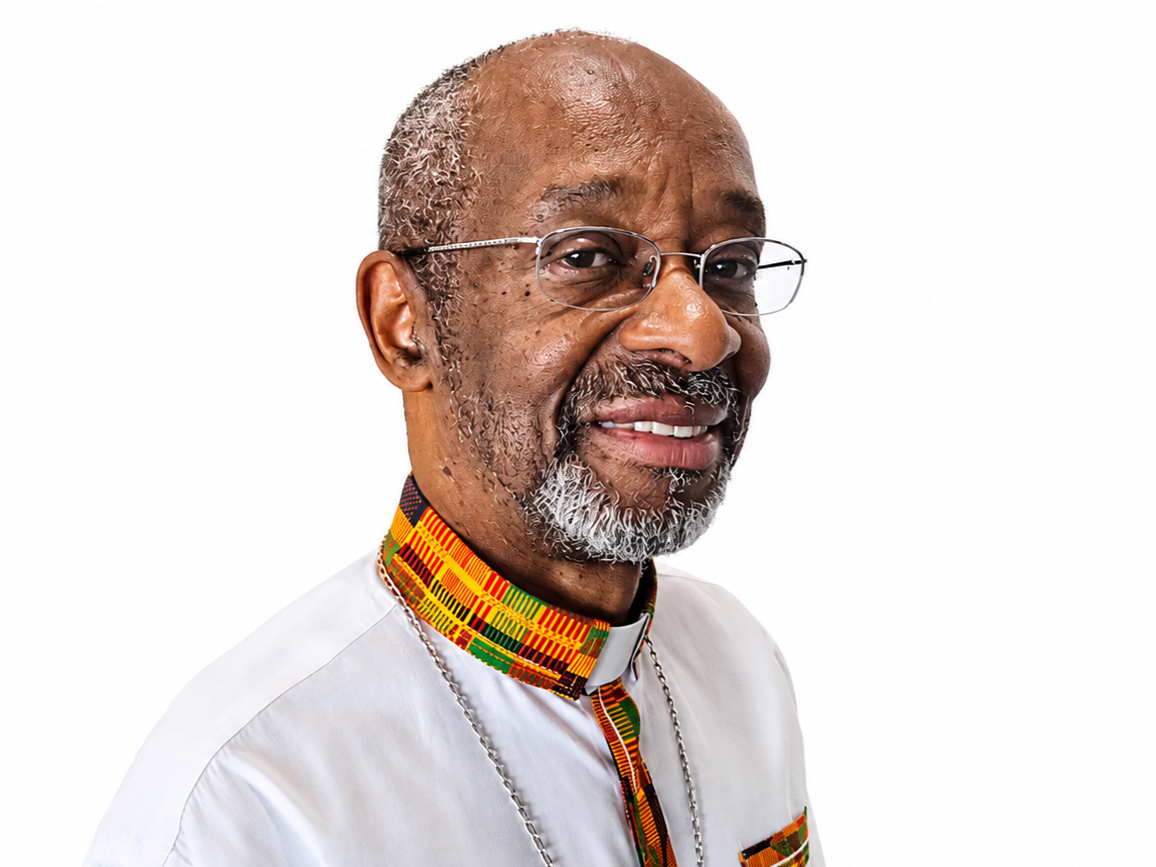
When Rev. Canon Stephen Fields retires on June 30 after more than four decades of ordained ministry, he leaves behind a legacy that reaches well beyond parish life.
A champion of inclusion, cultural expression, social justice and community engagement, the Anglican priest has spent his ministry challenging the church to better reflect the communities it serves.
Whether advocating for racial equity, mentoring future clergy, introducing Caribbean culture into Anglican worship or creating spaces where people who felt excluded could belong, Fields consistently sought to make faith relevant to everyday life.
“If there’s anything about me, I gave my whole life to the church and I was not afraid to speak the truth to power,” said Fields, whose final Sunday of full-time parish ministry was May 31, the 45th anniversary of his ordination to the diaconate. “Truth is important as is respect.”
He paused before adding what may best capture the spirit of his ministry.
“People matter,” said Fields, who with his wife of 42 years, Lucy, has two grown children. “I was only a conduit of God’s love.”
That conviction has shaped every stage of a ministry spanning cultures and generations.
Born in Barbados, Fields was raised primarily by his maternal grandmother while his parents worked in England. Although he grew up Anglican, he was equally influenced by his grandmother’s Pentecostal faith and the rich tapestry of religious traditions around him.
“Granny was really my faith,” he recalled. “She was very much part of my discernment even then.”
Fields’ sense of vocation emerged during high school through two powerful influences, a passion for justice and the example of compassionate pastoral care.
At St. Patrick’s parish, the congregation was adjusting to the arrival of Father Gabriel Sanford, a white English monk whose humility left a profound impression on him.
“He was loved by everybody,” Fields recounted. “If you were an old drunk on the shop step, a young civil servant, a teacher, a young child or an old lady, we all loved Father Sanford, and he loved us in return.”
Watching him minister to people from every walk of life transformed Fields’ understanding of priesthood.
“This man loved people,” he remembered thinking. “I liked what he was doing.”
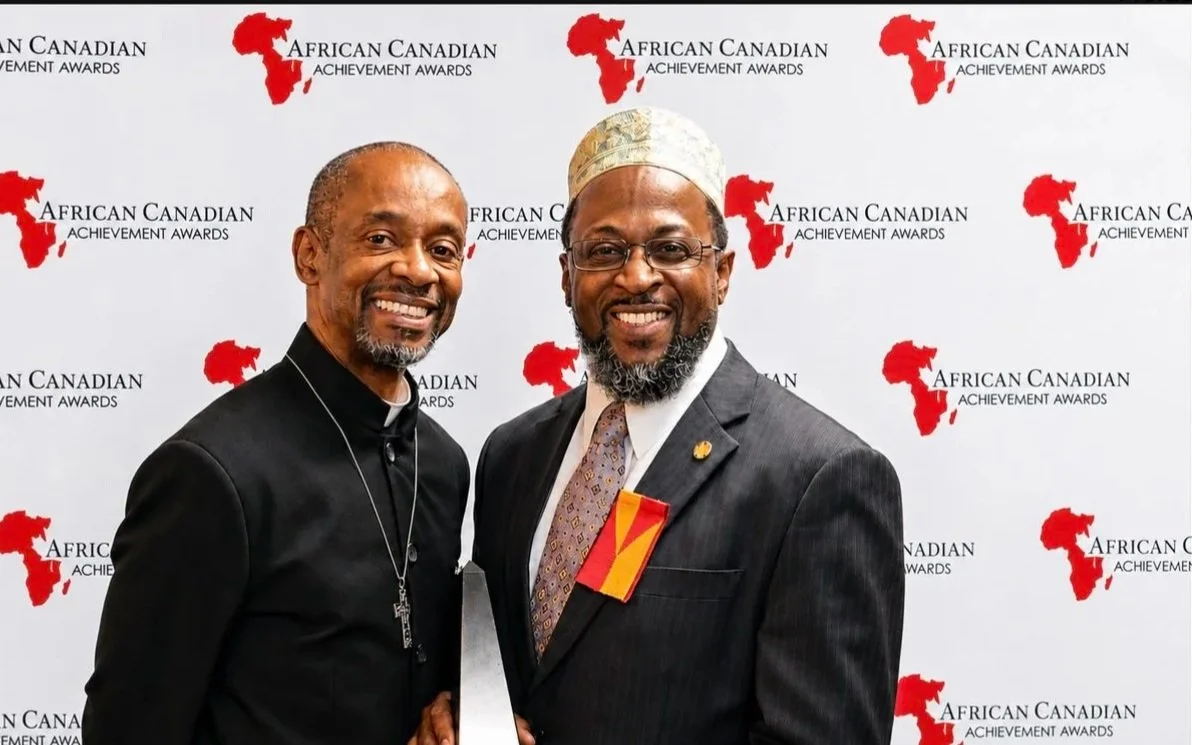
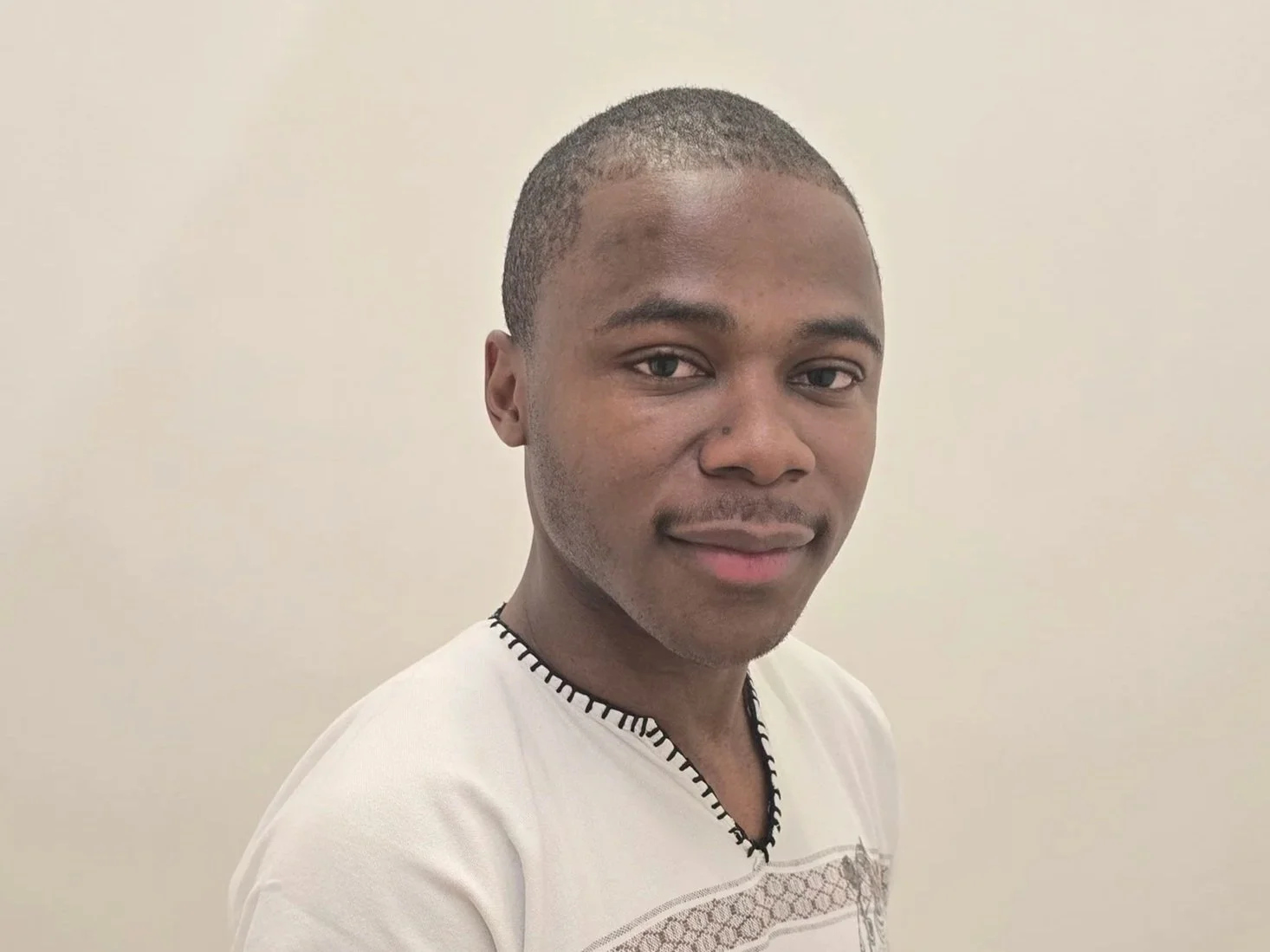
Rev. Canon Stephen Fields presented the 2016 African Canadian Achievement Excellence in Religion Award to Imam Michael Abdur Rashid Taylor (Photo by Ron Fanfair)
Outside the church, Fields immersed himself in youth groups and community work, experiences that broadened his understanding of ministry beyond Sunday worship.
At the same time, political unrest across the Caribbean, particularly amid mounting tensions under Eric Gairy's government in Grenada, prompted questions about the church's responsibility to speak out on issues of justice.
“We were hearing news out of Grenada,” Fields recalled. “They were saying Sir Eric was such a vicious man, and people disappeared and stuff. I thought, why is the church so quiet when this is happening in our region?”
While acknowledging that some Christian leaders spoke out, he believed the institutional church was not responding with enough urgency.
“There were voices in the church, but not many,” Fields noted. “I felt there was a need for a ministry that would address both personal and societal needs. We needed voices to speak to these issues.”
Looking back, he sees those experiences converging into a single calling.
“Father Gabriel’s pastoral passion and love,” he reflected, together with “my concern for that prophetic kind of witness,” led me to ask, “Why not be a priest and do this?”
At 15, he told church leaders he wanted to become a priest. After completing his studies, he entered seminary in 1977.
Following theological studies at Codrington College, the oldest Anglican theological college in the Western Hemisphere, and graduate work in pastoral care and counselling in New York, Fields returned to Barbados, where he served several parishes before seeking new ministry opportunities.
Although he was offered an interview for a pastoral position in Memphis, he declined because, as he put it, “that was not where I wanted to be.”
Instead, a 1992 vacation to Toronto changed the course of his life.
During the visit, he met the late Canon John Erb who had served as rector of the Church of St. Michael and All Angels for 16 years.
“We had a good chat and he promised he would call me,” Fields said. “I returned to Barbados, thinking he might have forgotten me after our conversation. But he did call in November that year, asking if I could come to Toronto to interview with the wardens, which I did.”
The interview proved successful, and in 1993 Fields accepted a position at St. Michael, beginning what would become a distinguished Canadian ministry.
His arrival coincided with profound demographic change across Toronto. Immigration was reshaping neighbourhoods and congregations alike, and Fields brought with him a vision rooted in Caribbean spirituality, community engagement and the conviction that churches must respond to the realities of the people they serve.
“We can be a church in the Caribbean that’s relevant to our people,” Fields said. “When people began to hear Caribbean rhythms in the service, it transformed who they were.”
That philosophy led him to incorporate Caribbean liturgies, music and spirituality into Anglican worship.
“People worship best in their own language and in their own skin,” he said.
One of the first major expressions of that vision came in 1996 when Fields helped organize the Diocese of Toronto’s first Black History service at St. James Cathedral.
The service drew such a large congregation that some people had to be turned away because of fire regulations, confirming there was a deep desire to celebrate Black faith and culture within Anglican worship.
Featuring Caribbean music, vibrant liturgy and a celebration of Black history and spirituality, the service became a defining moment in his ministry and laid the foundation for what has since become an annual diocesan tradition.
Author and educator Itah Sadu believes Fields' legacy extends far beyond the pulpit.
“For me, he is liberation, he is Black theology, he is a trailblazer and he is a legacy maker,” she said.
Sadu recalled first recognizing Fields' ability to make Anglican worship resonate with the experiences and culture of Black congregants.
During the liturgy, she heard familiar responses delivered with what she described as ‘a Black flavour’ and a calypso rhythm.
“I remember thinking to myself, ‘This man wrote this,’” she said. “He influenced the modern responses in the church. He added to that body of work.”
Sadu also credits Fields with creating opportunities for others.
“He allowed me to use that sermon time to address his congregation,” she said. “That spoke volumes about the kind of leader he was... The beauty about him is that he kept it simple. He was steady, like the tortoise. He never wavered.”
Fields continued to build on that vision by using worship to connect faith with contemporary events.
To commemorate the birthday of the late Rev. Martin Luther King Jr. and the inauguration of President Barack Obama in 2009, he led a special service reflecting on the historic significance of the moment.
“For many, it’s Dr. King’s dream becoming a reality,” he said in his sermon. “Forty years after his death, we are celebrating a president who is Black.”
The service featured video excerpts from one of Dr. King’s final speeches and President Obama’s election victory speech, along with hymns associated with the civil rights movement and prayers honouring both leaders.
“Nothing is impossible,” Fields added. “This proves it. When we are involved, we can really make a difference.”
Fields' vision reached perhaps its broadest audience during his leadership at St. James Cathedral where he served as vicar and sub-dean of the Diocese of Toronto.
There, he worked to transform the cathedral into a gathering place not only for Anglicans but for the wider community, hosting events that celebrated Black history, culture and social justice.
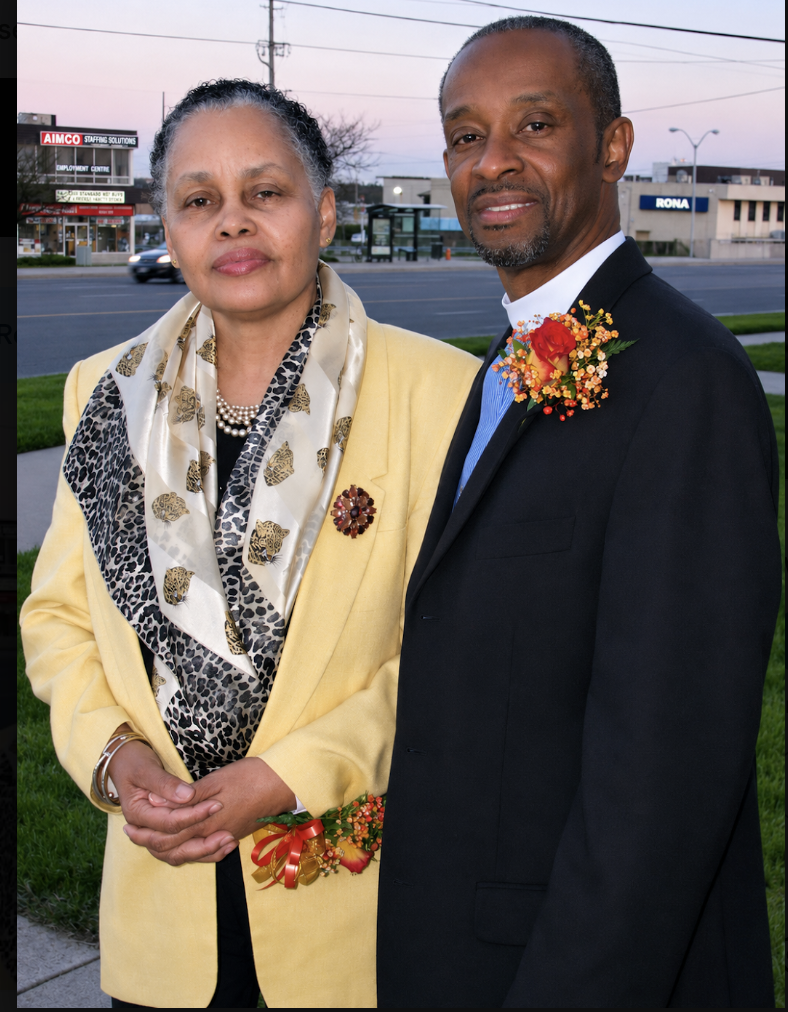
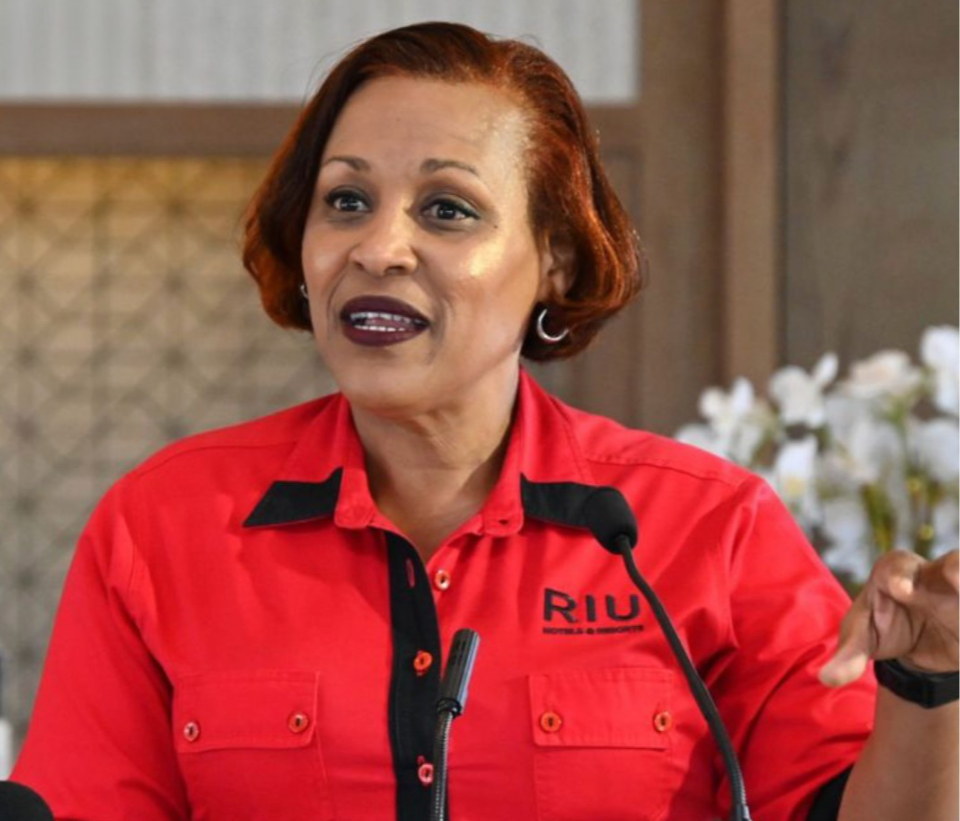
Rev. Canon Stephen Fields & Ianthe Alleyne (Photo by Ron Fanfair)
That commitment to building bridges extended well beyond the Anglican Church and into the Jane-Finch community, where he worked alongside clergy from other denominations.
Rev. Audley Goulbourne met Fields in the 1990s while serving as pastor of Lisle Memorial Baptist Church in the Jane-Finch community.
“Stephen faithfully served alongside me as one of the executives of the Jane-Finch Church Coalition until he moved away,” he said. “I appreciated his commitment to ecumenical partnership and his dedication to fostering transformation in the community.”
Decades later, that same vision found expression in a Mass honouring Bob Marley, whose life and message had such a profound impact on Fields that he wrote a poem following the reggae legend's death in 1981.
By recognizing Marley's influence on Caribbean identity and social consciousness, he created a service that connected faith, justice and culture.
“People from all walks of life came into the cathedral off the street to be part of that celebration,” Fields recalled. “It opened doors to the wider community.”
Through his confirmation classes, he encourages young people to see prayer as something simple, honest and heartfelt rather than complicated or formulaic.
“I tell them it should be simple, honest and clear about what they want to say to God and how they want to say it,” said Fields.
That philosophy inspired him to begin writing his own prayers.
“Around 2017, I started sharing daily prayers with my congregation at Trinity in Thornhill,” Fields said. “As technology evolved and expressions like 'LOL' became commonplace, I came up with 'Lord One Line,' a single-line prayer that captured one thought I wanted to share with God each day.
“That continued through the COVID-19 pandemic. Over the past nine months, it has evolved into a weekly reflection called 'MMM' (Monday Morning Movement), which combines a scripture text, a thought or reflection, and a song.”
His commitment to engaging people where they were extended well beyond worship.
Soon after becoming rector of St. Stephen’s Anglican Church in Toronto’s Jane and Finch community where he served for 15 years until 2011, he helped establish the Downsview Youth Covenant.
Instead of introducing programs designed elsewhere, he first listened to residents.
“What do you want to do as little boys and girls?” Fields recalled asking local youth.
Their answers shaped initiatives focused on homework assistance, music, life skills and safe gathering spaces.
“People have a voice,” Fields said. “You are there for a time. They’re there for life. Go in there and hear them, ask questions, listen deeply and come back and see how you can fit into that context.”
The same philosophy guided his leadership throughout the wider Anglican Church.
Recognizing that Black Anglicans often filled pews but remained underrepresented in leadership, Fields helped establish the Black Anglicans Coordinating Committee to strengthen networks, encourage leadership development and ensure Black voices were included in church decision-making.
“We were good for jerk chicken and cultural events,” he said. “But being at the table making policy was not on.”
The committee became an important vehicle for advocacy, mentorship and visibility, helping nurture a new generation of Black clergy and lay leaders.
Fields’ leadership was recognized in 2004 when he was named an Honourary Canon in the Diocese of Toronto, the second Black to hold the position after Cheryl Palmer.
The appointment represented more than a personal milestone.
At a time when Black clergy remained underrepresented in senior leadership, it affirmed that Black voices belonged at the centre of Anglican life and encouraged younger clergy who had long seen barriers limiting opportunities.
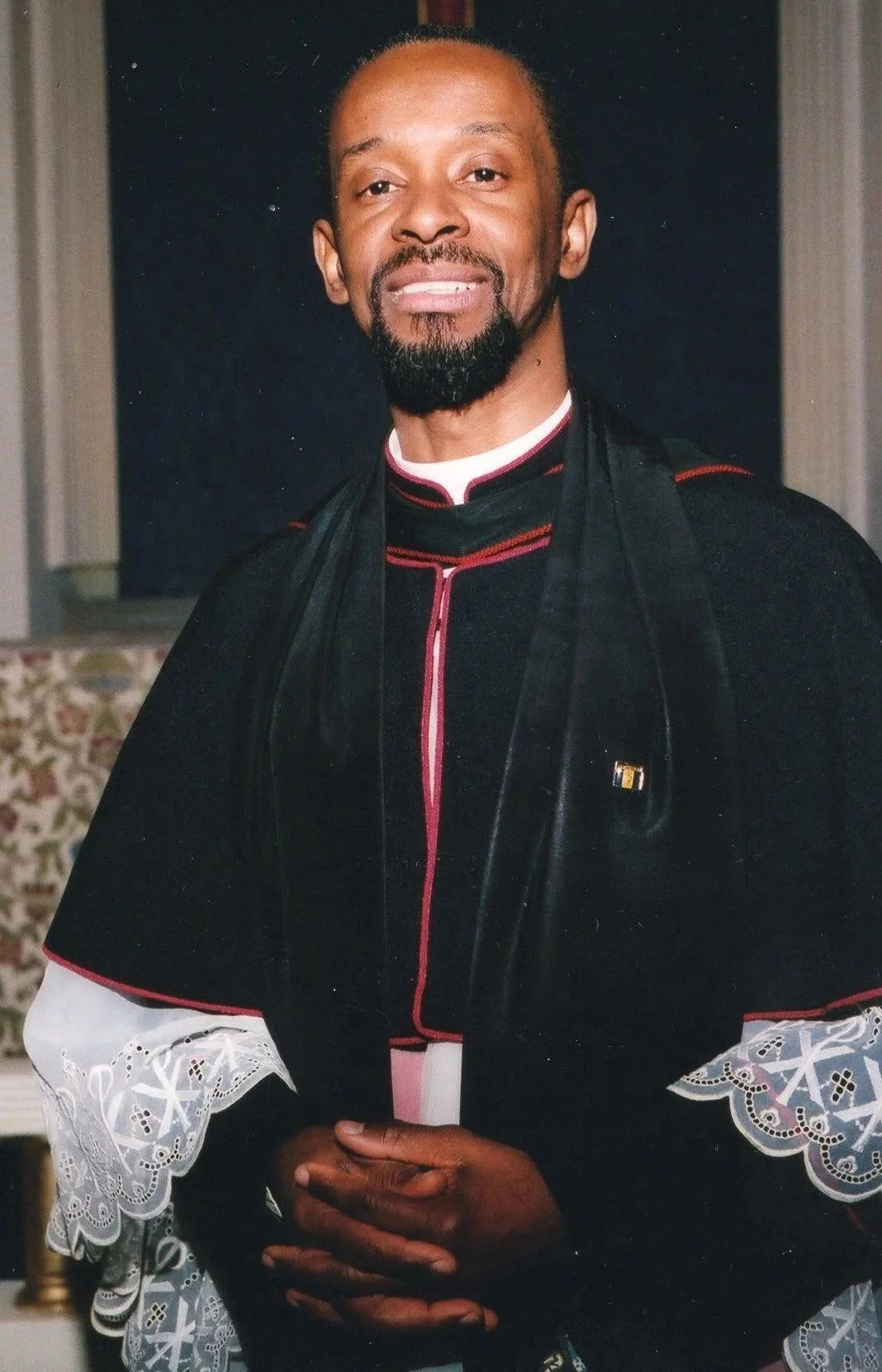
Rev. Stephen Fields became the second Black Anglican Diocese of Toronto Canon in 2004 (Photo by Ron Fanfair)
Fields believes the church has made meaningful progress, although much work remains.
“We have come a long way and we have a long way to go,” said Fields who earned a Doctor of Ministry degree in transformational leadership from The Graduate Theological Foundation in 2019.
Among the defining moments of his ministry, one stands above all others, was the election of Peter Fenty as bishop in 2013, making him the first Black bishop in the Anglican Church of Canada.
“When the Synod chose Peter, it recognized someone who was not only Black, but fully competent to do the job,” Fields said. “The church had finally awakened to that reality. That was the most significant moment in my ministry.”
For him, the election symbolized institutional change within both the church and Canadian society.
“I grew up thinking of Toronto and Canada as places led almost entirely by White people,” Fields said. “When I came here, I witnessed change. I saw how the church had progressed to the point where it could elect someone like Peter.”
Their friendship spans nearly five decades.
“Peter preached at my ordination as a deacon in New York in 1981 and married my wife and me in 1984,” Fields recalled. “When we arrived in Toronto in 1993, Peter and his wife drove from Montreal to welcome us at the airport. That’s the kind of friendship we share.”
Another achievement he treasures was the unanimous passage of a 2025 General Synod resolution establishing Emancipation Sunday in the Anglican Church of Canada.
“It was another step in the process of saying we are present at church, not only here but across Canada,” said Fields, who coordinated the Fifth Caribbean Anglican Consultation in Toronto in 1999 and later helped organize the consultation in the Bahamas. “The church affirmed all the other groups, and rightly so, except Blacks.”
He believes that kind of engagement is essential if churches hope to remain meaningful.
“Jesus’ life was made present in the flesh,” Fields said. “He ate and drank wine. He was relevant.”
For the pastoral leader who served at Holy Trinity in Thornhill for a decade until 2021, Christ’s example demonstrates that ministry must engage people where they are rather than remain detached from everyday realities.
“That is the only way a church can ever function,” he said. “We have to be relevant and speak to the needs, the concerns, the passions and the pain of the present moment.”
Fields, who enjoys travelling, watching cricket and calypso music, believes declining church attendance is closely tied to whether people find the church relevant.
“You need to engage people,” he said. “If what you are saying cannot be shared with the five-year-old and the 45-year-old or the 85-year-old at the same time, you have got a problem.”
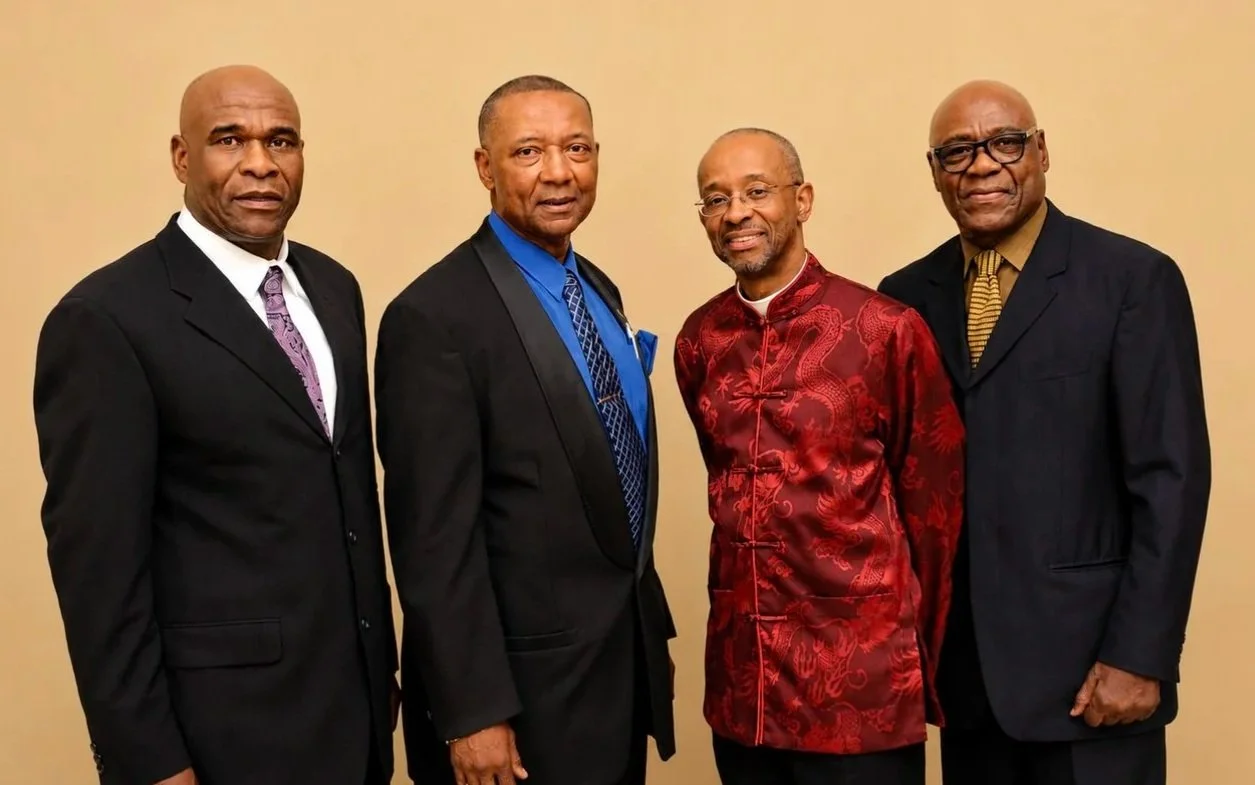
Maple Leaf Award winners Lionel Eli (l), Phillip Alleyne, Rev. Canon Stephen Fields and retired deputy police chief Keith Forde at the Barbados Democratic Labour Party (Canada) sixth annual dinner in September 2016 (Photo by Ron Fanfair)
Retirement will not mark the end of Fields’ work.
He plans to publish collections of prayers and reflections, explore connections between the lives of Jesus and Bob Marley and create forums for people discerning a call to ministry.
As Fields steps away from full-time parish ministry, he leaves behind more than the positions he held or the honours he received.
His legacy lives in the leaders he mentored, the communities he strengthened and the barriers he helped dismantle.
At a time when the Anglican Church continues to wrestle with questions of relevance, diversity and belonging, Fields’ ministry offers a blueprint rooted in authenticity, inclusion and service, one that insists the church is at its best when it reflects the people it seeks to serve.