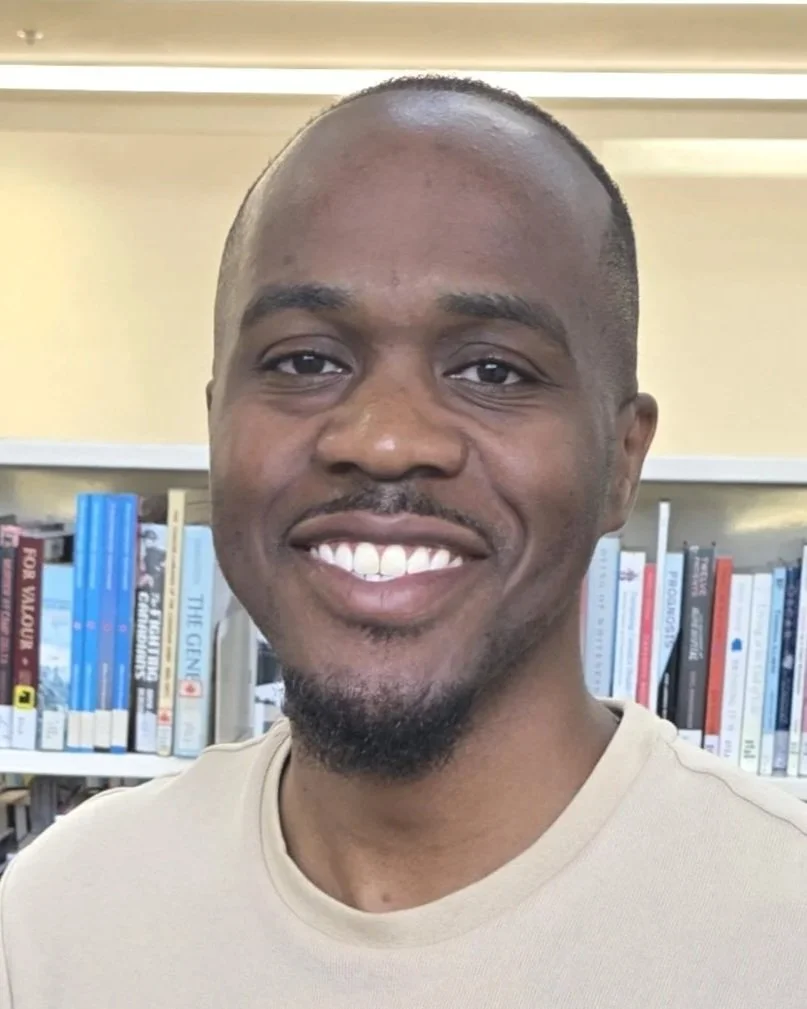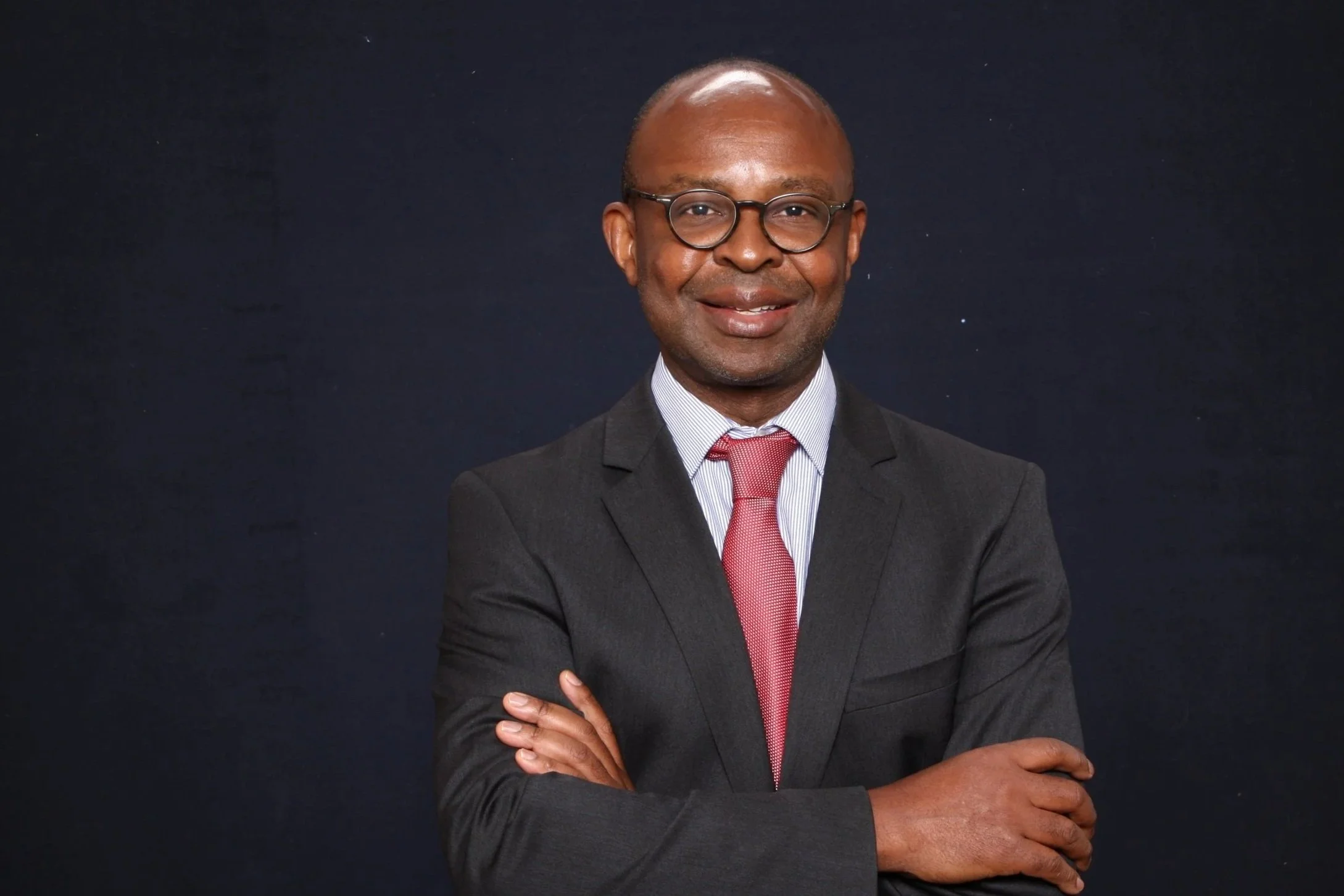
Gary Chateram $300,000 gift is investing in the future of Caribbean leadership
January 19, 2026
Growing up in a West Indian Pentecostal church in Montreal where he was born and raised, Gary Chateram was taught from an early age that to whom much is given, much is required.
That lesson, reinforced not only by scripture but also by a culture of shared responsibility and service, helped shape his worldview and instilled in him a lifelong commitment to giving freely.
While studying at Concordia University, an institution with a long-standing historical relationship with the Caribbean dating back to the 1960s when large numbers of Caribbean students enrolled, Chateram’s sense of purpose and identity deepened.
His tenure as president of the student union proved transformative.
For the first time, Chateram found himself in a community of peers who had grown up in the Caribbean, an experience that affirmed his cultural roots and strengthened his sense of belonging.
Though born in Canada to Grenadian immigrants, those connections affirmed what he had always felt and reinforced that his identity is firmly grounded in his Grenadian heritage.
Chateram views education as a bridge to opportunity, one that extends far beyond the individual. In his view, the impact of advanced education can ripple outward, strengthening families, uplifting communities and creating long-term pathways to economic stability and leadership.
That conviction underpins his decision to give back.
A few months ago, he gave tangible expression to those values with a $300,000 donation to establish the Chateram Family Graduate Scholarship, creating new opportunities for students from Caribbean Community (CARICOM) member states to pursue master’s or doctoral studies at his alma mater. Each scholarship will fully cover the program’s costs.
“During my time at Concordia, there was a local program that funded top students to study at the university,” said Chateram, 50. “There was an expectation that recipients would return to their Caribbean islands and contribute for two years, but many accepted the funding and did not go back. I chose not to attach that requirement to our scholarship. Instead, I want recipients to understand the importance of philanthropy and the power of giving back, whether through time, talent or financial support.”
He acknowledged that many talented students across the Caribbean are denied access to higher education solely because they lack the financial means.
“That should never happen,” said Chateram, an avid reader and book collector. “A lack of funds should not stand in the way of their hopes and dreams. There are far too many smart young people in the Caribbean who will make excellent use of these opportunities.”
He firmly believes in investing in young people who show strong potential to grow into leaders and contribute meaningfully to their communities. While supporting those facing hardship is essential, he also emphasized the importance of nurturing individuals whose education and opportunities can generate broader, long-term benefits.
“When we help those with the capacity to give back, the positive impact can extend across families and communities,” noted Chateram who in 2019 was recognized as one of Concordia University’s ‘Top 50 Under 50 Shaping Business’. “We need more examples of excellence.”
He was deliberate in defining the scholarship’s focus, choosing not to frame it broadly for Black students.
“That category is too wide,” Chateram said. “I wanted to be very specific. If you are from the Caribbean and you hold a CARICOM passport, you are eligible. That focus matters because it ensures the support reaches students with direct ties to the region.”
For many professionals of Caribbean heritage who want to give back but are unsure where to begin, he encourages them to start by identifying their passion.
“I chose education because of the impact it has had on my life and because I believe deeply in its role in a capitalist society,” said Chateram. “This country places a high value on certain things, and education is one of them. If your passion is art, then support art. If you are unsure which organization to align with, start with the most established and credible one. If you want to promote Black art, for example, have a conversation with the Royal Ontario Museum about how your contribution could help advance that work. Go to the top and collaborate with institutions that have the reach and credibility to make a lasting impact.”
He stressed that a lack of money should never be an excuse for avoiding philanthropy.
Chateram recalled an elder in his church who devoted every Tuesday to visiting the sick and elderly, offering time, care and companionship rather than financial support. That example, he said, reinforced his belief that giving back takes many forms and is not limited to those with wealth.
“That brother in the church did not have money, but he made sacrifices,” he said. “I do have resources, and those of us who are financially able have a responsibility to look beyond acquiring another property or trying to impress people who ultimately don’t care about us. Everyone can give according to their measure.”
Chateram’s commitment to education was shaped by his own academic and professional journey.
Raised in an environment where success was often defined by becoming a doctor or a lawyer, Chateram initially pursued a conventional academic path before ultimately forging his own.
While studying molecular biology, he realized in his final year that his true passion lay in engaging people and working with money.
As president of the Concordia Caribbean Students’ Union, he personally invested $8,000 to help launch the annual Cultural Weekend, a sum that was ultimately lost. Rather than discouraging him, the experience revealed his comfort with financial risk and long-term thinking, hinting at an aptitude for finance. Five years later, the event had evolved into a major success, generating more than $30,000 in revenue.
“I completed the program because my parents taught me to finish what I start,” the student activist said. “I went on to earn a Bachelor of Commerce in Finance and quickly realized that this was who I was. From there, I pursued my master’s degree at the John Molson School of Business.”
His thesis, ‘Stock Market Integration in CARICOM Member States: A Look at the Barbados, Jamaica and Trinidad & Tobago Stock Exchanges’, was presented at the Administrative Sciences Association of Canada annual conference in 2007.
One of the most meaningful moments of Chateram’s time at Concordia was meeting Dominica’s Prime Minister Roosevelt ‘Rosie’ Douglas in May 2000. Invited by the Concordia Student Union and other campus groups, the Pan Africanist spoke about his life experiences, political journey and broader themes of activism, history and leadership. Five months later, he died after suffering a heart attack.
Douglas’s visit carried particular historical significance, given his past relationship with the institution.
While studying at McGill University, he had been actively involved in the Sir George Williams University two-week student sit-in and later served 18 months of a two-year prison sentence. Because he refused to apologize for his role in the incident, he was deemed a ‘risk to national security’ and deported in 1976.
Sir George Williams merged with Loyola College in 1974 to form Concordia University, giving Douglas’s return to campus decades later a powerful sense of historical continuity and closure.
“Rosie was incredibly humble and happy to be back at Concordia,” recalled Chateram, a relative of Grenada’s Governor General, Cécile La Grenade, and the late Prime Minister Maurice Bishop. “He was part of that generation of students who sacrificed and laid the foundation.”
In October 2022, Concordia University formally apologized to the surviving members of the 1969 Sir George Williams incident as part of the President’s Task Force on Anti-Black Racism final report.
“For the university to do that publicly and acknowledge what was wrong was a massive step,” said Chateram who serves on Concordia’s Board of Governors.
After completing his master’s degree in 2004, he spent three and a half years at AIC Ltd., and 13 years in senior roles at Fidelity Investments Canada, the Canadian arm of the global asset manager, before moving to Mackenzie Investments in March 2020.
As Senior Vice-President, Head of Retail, he leads the asset management and financial services firm’s retail sales and distribution organization, focusing on providing financial advisors with investment solutions tailored to their clients’ needs.
Chateram, who sits on the Canadian advisory board of the Investments & Wealth Institute, credits his parents and church elders with laying the foundation that grounded him and shaped the person he has become. He also believes that divine intervention played a role, guiding his path at key moments and reinforcing the values instilled in him from an early age.
Repeated games of draughts with his father taught him to think several moves ahead, anticipate consequences and approach challenges with patience, discipline, and strategic intent, lessons that would later guide his personal and professional life.
“That process of thinking strategically allowed me to succeed in life,” said Chateram who completed Cornell University’s Diversity & Inclusion certificate program in 2019. “The hours I spent with my father prepared me for the calculated moves I needed to make.”
He describes his mother as the passionate force in his life, providing both emotional strength and unwavering belief.
Edmund and Costilda Chateram emigrated to Montreal in the late 1960s before returning to Grenada in 2001. The family patriarch passed away in 2021, but his influence remains deeply embedded in his son’s outlook and values.
Since his parents returned to Grenada, the youngest of three siblings has spent every Christmas holiday on the Spice Island, reinforcing a strong and enduring connection to his roots.
Chateram also attributes his ability to express himself clearly to the church elders who, from a young age, generously gave their time to correct him, guide him and hold him accountable.
“They did so not out of obligation, but out of love,” the Certified Investment Business Analyst and Chartered Investment Manager noted.
For Chateram, philanthropy is not an act of charity but a responsibility. Grounded in faith, shaped by family and sharpened through lived experience, he views giving back as an obligation that grows in proportion to opportunity.
Through the scholarship, he is setting an example he hopes will inspire others with the means to invest not only in individuals, but in the long-term strength and leadership of Caribbean communities.