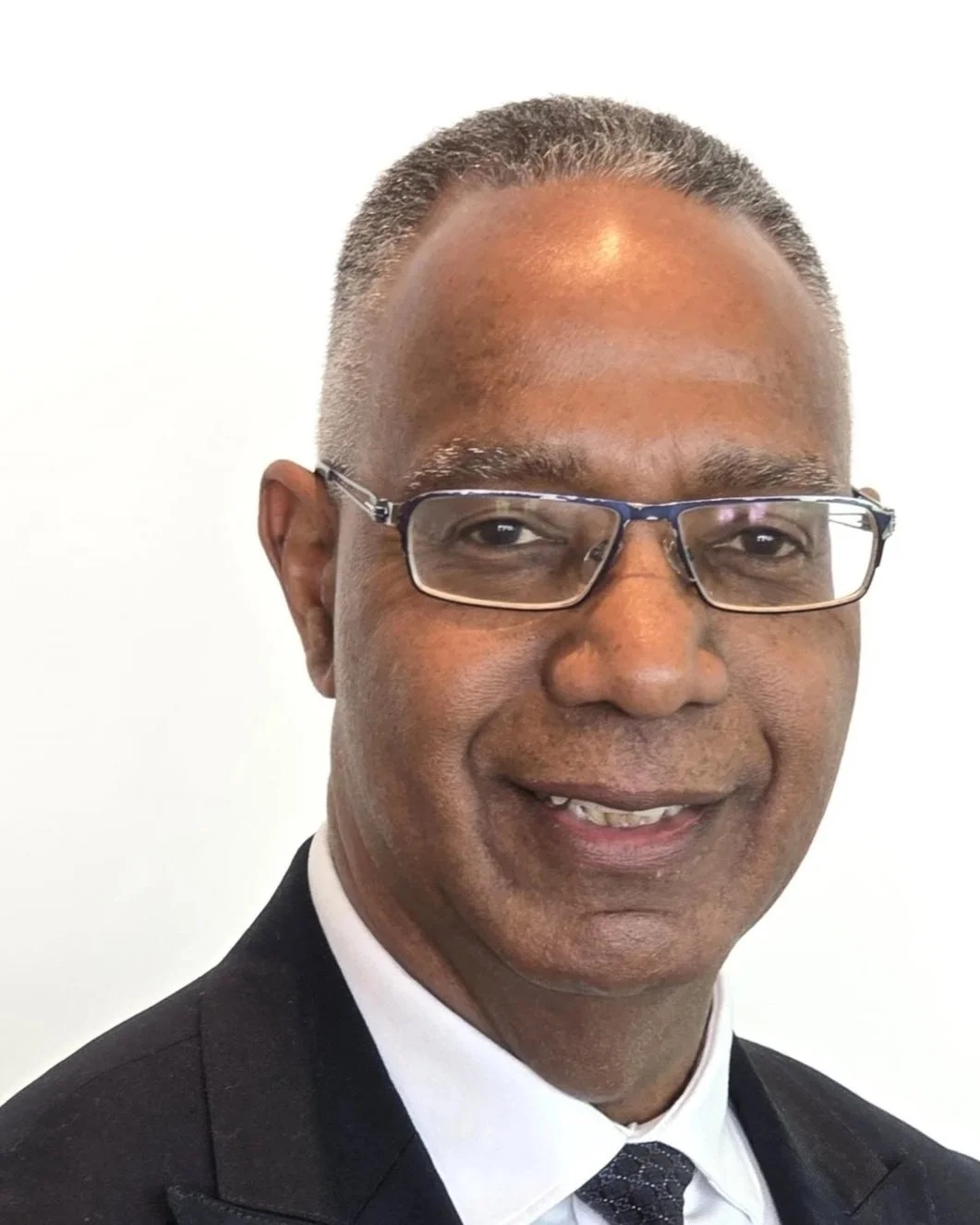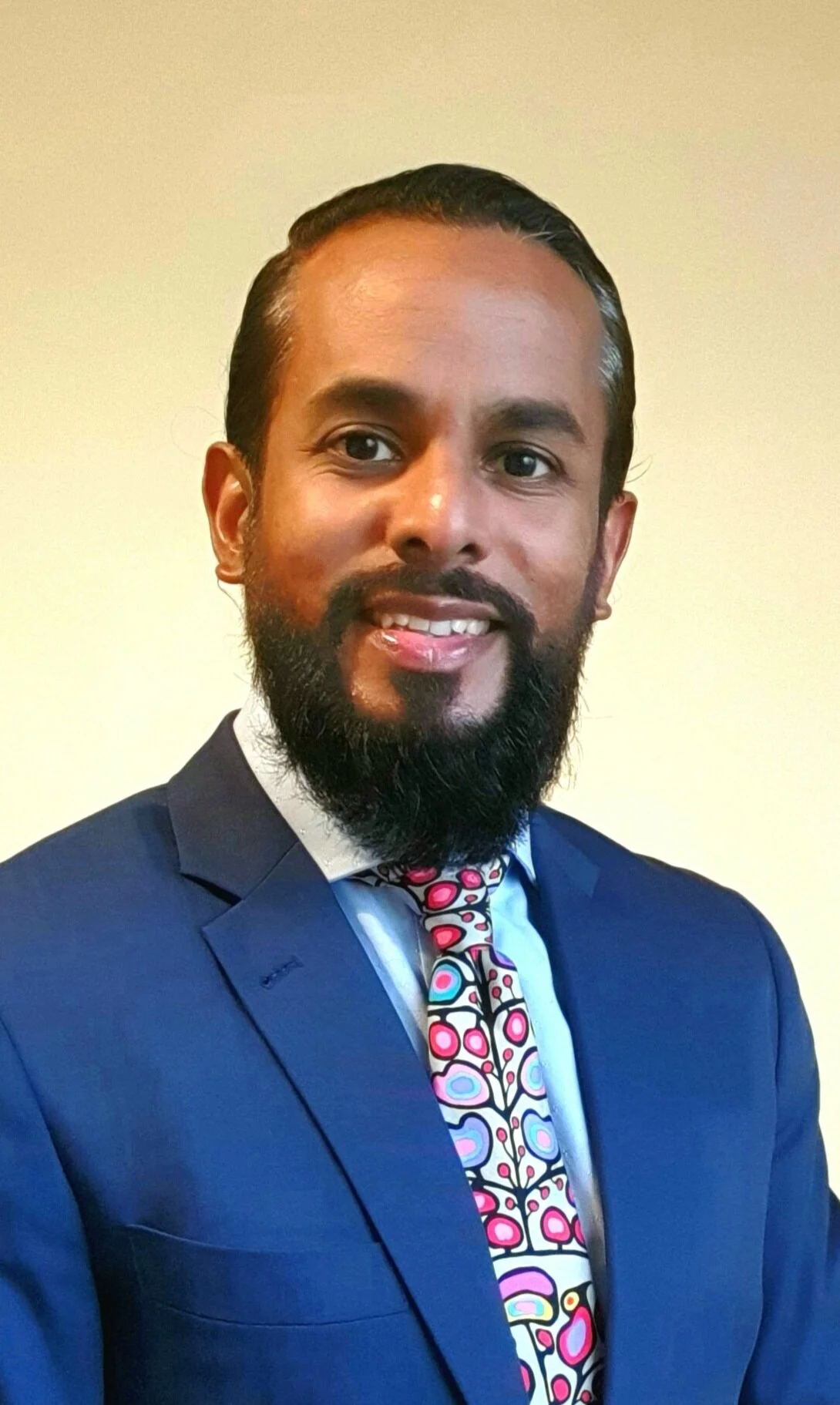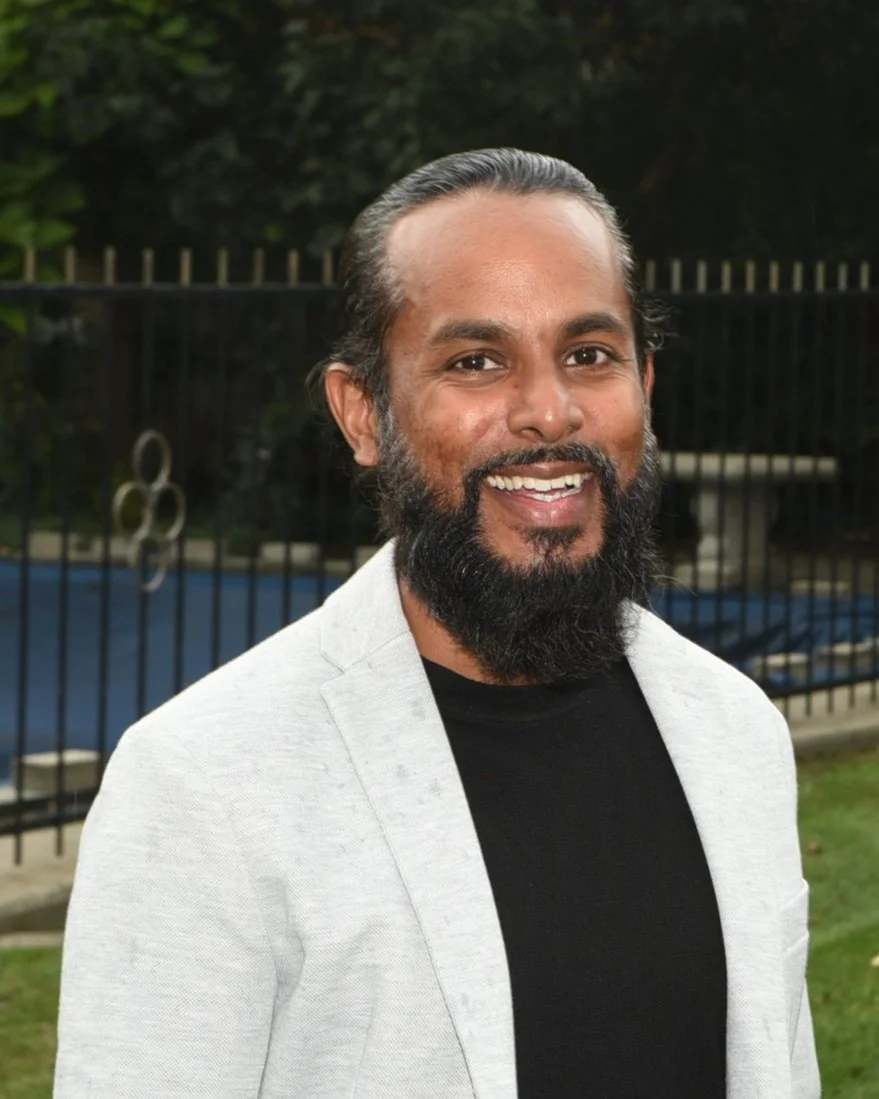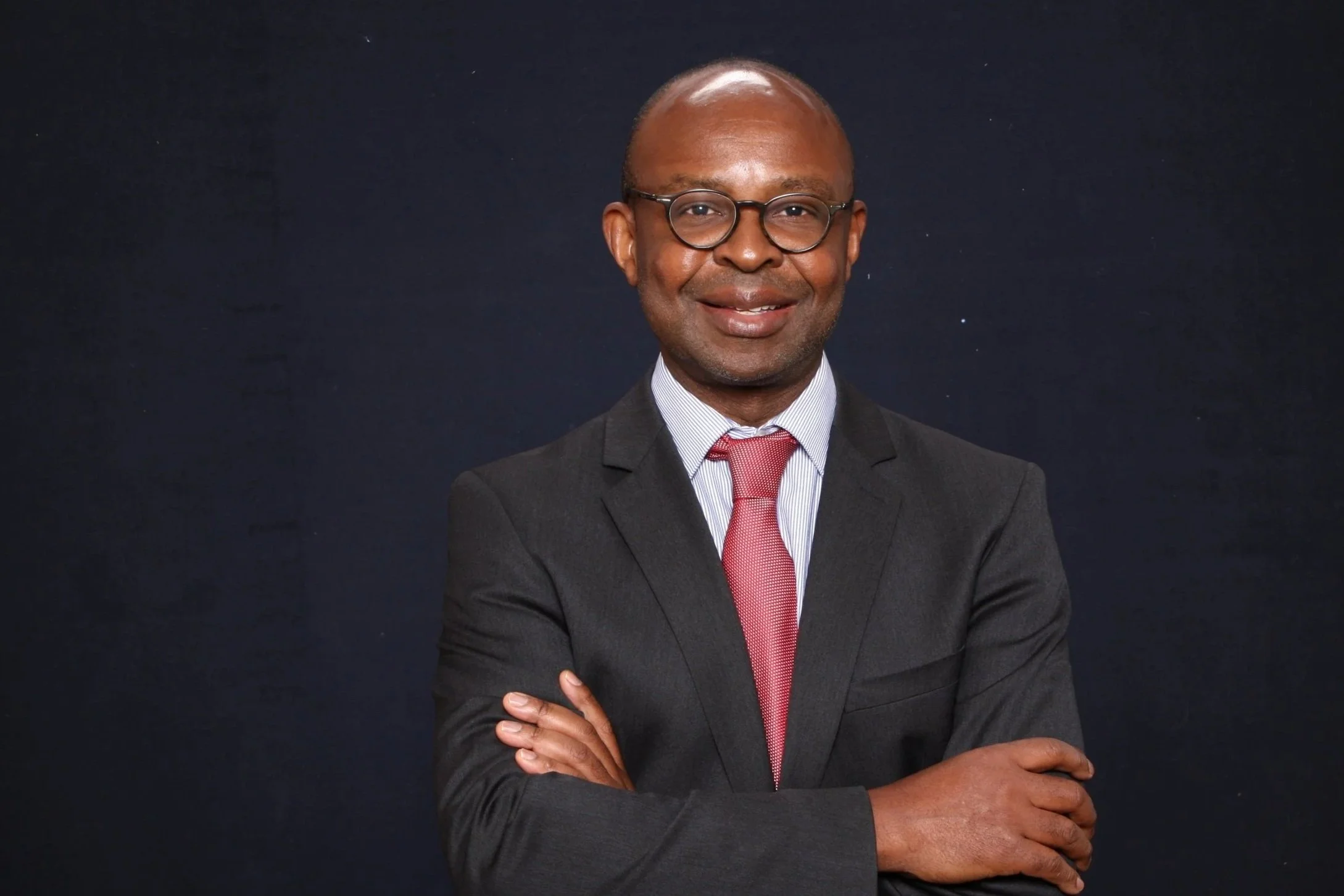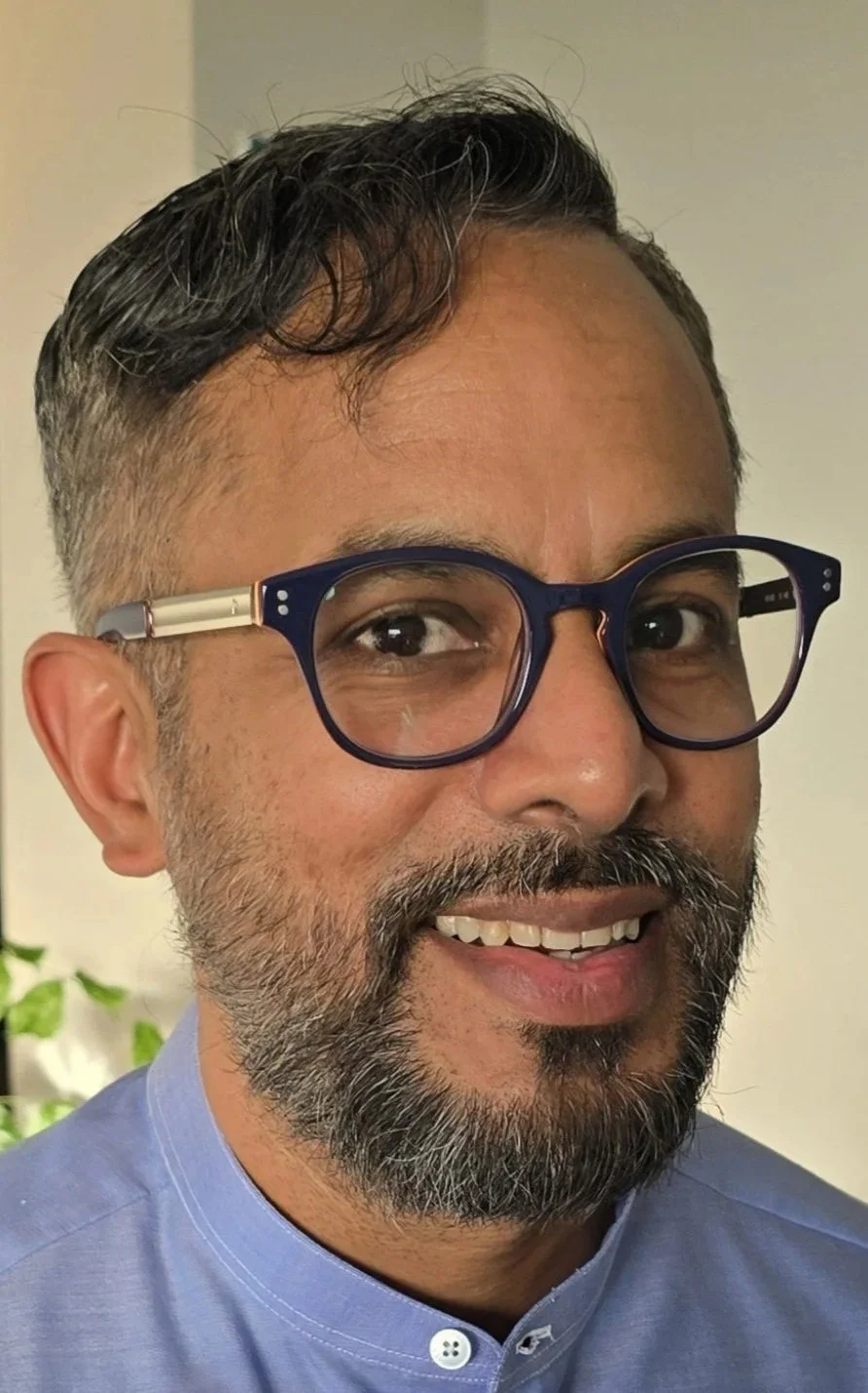
Equity and educational leadership came at a personal cost for jeewan chanicka
February 4, 2026
Who says you can’t be different and innovative while still being effective?
jeewan chanicka has spent his career challenging that assumption, sometimes loudly through policy and practice, and sometimes quietly, even in the decision to style his name in lowercase, inspired by late American educator and social activist bell hooks.
Rooted in early German-language and Mennonite settlement in the 1800s, Waterloo has evolved into a globally recognized technology and innovation hub, anchored by two main universities and shaped by people from increasingly diverse cultural and professional backgrounds.
While this growth has enriched the region, rapid social and demographic change has not been embraced by everyone. For some, it has fuelled discomfort, resistance and, at times, incidents of hate and discrimination, revealing ongoing struggles around inclusion and belonging.
It was within this context that chanicka served for nearly three-and-a-half years as Director of Education at the Waterloo Region District School Board (WRDSB), where his equity-focused approach positioned him as a leading voice on innovation and systems change.
As a Muslim and gay leader, he represented a departure from the traditional profile of senior education leadership in Ontario. His presence and unapologetic focus on equity, identity and human rights resonated deeply with many families and educators, while unsettling others.
That tension reflected a broader challenge facing public education systems across Canada, where leading boldly on equity and human rights often requires navigating resistance, fear and competing expectations within diverse communities.
In December 2024, during a period marked by rising concerns about hate, discrimination and community polarization across Southwestern Ontario, chanicka and the WRDSB parted ways, placing renewed scrutiny on public institutions and their willingness to support transformative leadership.
His exit surprised many, particularly since neither he nor the Board has disclosed the reasons behind the decision.
“What is important to know is that the Board wished me well and I wish them the same,” is all chanicka would say at this time. “I would have liked to say goodbye personally to the students, staff and families differently. It was my greatest honour and privilege to serve them.”
The 2017 Mary Samuels Leadership in Education award recipient said he remained in education for as long as he did because he genuinely believed in the possibility of transforming public education for the better.
“From the beginning, however, I was clear that this work had to be rooted in innovation,” chanicka noted.
That belief was affirmed in 2024, when he received an international award for large-scale public-sector innovation, an honour not specific to education.
Although the work was carried out on behalf of the district, chanicka was deliberate in ensuring there was no perception of misusing public funds, personally covering his travel and other costs to accept the honour in Barcelona, Spain.
This commitment to innovation was also reflected in the Board’s strategic planning process.
Unlike traditional approaches, it engaged more than 10,000 voices, including over 5,000 students from kindergarten through Grade 12.
“We intentionally reached out to both communities that historically responded and those that had not, asking a simple but critical question, ‘What is your vision’?” he said. “The feedback we received was candid. Many shared that, while they were regularly asked for input, they rarely knew how their feedback was used. In response, we launched an annual Community Report Card to clearly communicate our actions and demonstrate how community voices were shaping our work.
“Based on ongoing feedback from students, families and the broader community, we also created a new role in the Director’s office that brought together two key portfolios and ensured that Family and Community Engagement and Student Voice were embedded in decision-making at the highest level.”
During chanicka’s tenure, the WRDSB advanced a system-wide focus on student achievement, equity and well-being.
It also implemented an Improvement and Equity Plan, strengthening structured literacy and math strategies, expanding data-informed decision-making and deepening attention to historically underserved learners.
While many factors shape student outcomes, the period was marked by clearer achievement priorities, targeted interventions and an increased emphasis on measuring progress through established provincial and board-level indicators.
What ultimately set this work apart, chanicka pointed out, was that he and his team didn’t stop at listening.
“We used both existing and newly collected data to drive meaningful change,” the 2015 Pan Am Games torchbearer said. “Insights from the community directly informed decisions, led to structural changes and resulted in tangible actions that closed the loop between community voice and district leadership.
“For example, both Grade 9 and Grade 10 were de-streamed. We held ongoing community roundtables with students, families and staff. I personally visited all 122 schools within the first six months to meet directly with school communities. As if often say, ‘I cannot represent you well if I have not been to your home’. I also sent annual video reports to students to keep them informed.”
Importantly, these efforts coincided with measurable outcomes.
The WRDSB five-year graduation rate increased from 85.2 percent to 86.9 percent during much of chanicka’s reign, and its North Star, a guiding directive ensuring that a student’s identity or social location no longer predicts educational outcomes, remains a central and unifying focus for decision-making and strategic planning.
“I am grateful to see the Board continue upholding this vision as I transition to serving education in new ways,” he said.
While this work was deeply rewarding, it was not without challenges.
The benefits of change can be meaningful, but setbacks and opposition often take a personal toll.
“Racism and hate became louder from a small but vocal group, some of whom were connected to the school community,” said chanicka. “Rather than engaging with the work, they made harmful assumptions and accusations. Despite online rumours, neither I nor the WRDSB ever attempted to cancel Halloween or Christmas celebrations. Guidance around celebrations was intended solely to ensure inclusivity and safety, not to suppress traditions. Claims that my work focused exclusively on Black students or on one group are also false. My commitment to equity and inclusion was to support all marginalized students and improve outcomes for everyone.”
That work included placing Professional Developments days on Eid and Diwali so that significant numbers of students and staff could celebrate with their families.
Senior leaders were expected to engage directly with students and families before making decisions, and those engagement efforts were discussed regularly in leadership meetings.
The board also partnered with the City of Kitchener, sharing space at its head office to support ‘A Better Tent City’. That initiative has since become a model being studied and replicated across the country to support people who are unhoused.
“This work was never about identity in the way critics misrepresented it,” chanicka said. “It was about ensuring identity was not a barrier so every student had the opportunity to succeed. During this time, school renaming processes were carried out in accordance with guidance from the Indigenous Advisory Council. Human Rights was also re-envisioned, not as the responsibility of a single department, but as a shared way of working across the entire district to build a stronger organization that better served students, families, communities and staff.”
There is no stronger validation of leadership than being nominated by the students you serve.
Nominated anonymously by either a student or a group of students (he doesn’t now), chanicka was recognized with the 2024 Day of Pink – Visibility Award at the International Day of Pink gala in Toronto. The award recognizes outstanding community leaders who have done work to advance the human rights, culture, community, history, heritage and art of 2SLGBTQIA+ individuals in Canada and around the world.
The challenges, however, were both professional and personal.
Given the demands of late-night meetings and early-morning commitments, chanicka rented a long-term apartment in Waterloo to live closer to work.
After a year on the job, the stress and harassment he faced became overwhelming. After long days at work, he often went for walks to clear his head. On one such evening, a car pulled up behind him and slowly followed.
“While nothing happened, I was very hypersensitive at the time,” chanicka said. “I also wasn’t sleeping well at night. One evening, I drove back to my Toronto home and slept well. From that night on until I was no longer with the Board, I made the daily commute.”
He noted that the harassment continued and escalated to such a degree that a safety plan was eventually put in place and remained in effect for several years.
“The police were aware and were engaged throughout,” chanicka said.
Looking ahead, he sees his role in education evolving.
“I became the person I am today because of many Black and Brown women who raised and inspired me,” said chanicka. “In just 20 years, I went from support staff to school board director. My focus now is on asking, ‘What does an education system need to look like to support all children?’ This question inspired me to start a consultancy dedicated to helping create new education systems that inspire creativity, joy, belonging and meaningful outcomes for all. Also, I am particularly focused on supporting leaders through coaching and guidance.”
On a personal level, his journey with identity and belonging has also shaped how he approaches leadership.
A few months ago, chanicka travelled to Morocco and entered a mosque to pray after publicly coming out as two-spirit/queer. For years, he had felt his faith and sexuality were two worlds at war.
Speaking about that moment in the mosque, he described it as ‘beautiful, and it felt like all parts of me were finally aligned’.
“Sometimes we fight so hard to hold on to something that doesn’t need that amount of rigidity,” he said.
Using examples of race, he noted, ‘We fight hard because we know we can predict outcomes for students by race. Things have not changed. That was the path I was trying to get us on. Yet we also must keep in mind that race is a social construct with no scientific basis. It was invented to keep us apart’.
Coming out publicly was not something chanicka had planned. Having struggled with depression, he had never intended to speak openly about his identity.
While close family members and friends already knew, it was only after he discovered that some politicians were outing him in Conservative, Christian and Muslim spaces that he felt compelled to make a public declaration.
As those efforts intensified, chanicka turned to ceremony, participating in an Indigenous prayer on the land, seeking grounding and understanding as he tried to make sense of what was unfolding.
In Indigenous understanding, ceremony is not merely a ritual or event, but a profound and sacred way of being and living. It connects individuals and communities to the land, ancestors, Creator and the spiritual realm. Ceremony is an ongoing practice that fosters balance, responsibility, and reciprocity with all of creation.
During ceremony, chanicka reflected deeply on what he needed to do next.
“The answer became clear,” he said. “Take away the power of what they are using against you. That meant coming out to the rest of my family and the broader community.”
When he did, the floodgates opened.
There was both a strong outpouring of support and significant backlash. Some members of the Muslim community he loved felt angry, betrayed and upset, believing faith left no space for sexuality. Yet the people who supported him most were also from within that community.
Despite the challenges, he found alignment and wholeness, even if it meant stepping away from institutions he had helped build and leaving spaces, like the mosque, where he no longer felt safe.
chanicka’s leadership at the WRDSB was shaped by a career that spanned classrooms, community programs, government and international education, each stage informed by lived experience and a deep belief in education as a tool for justice and belonging.

Donna Cardoza (l) hosted an event in 2021 to recognize then newly promoted educators Camille Logan, Cecil Roach, Lisa Leoni, jeewan chanicka, Rashmi Swarup & Clayton LaTouche (Photo by Ron Fanfair)
Born in Calgary, he moved to Trinidad and Tobago at the age of four when his parents returned home. He spent the next 15 years in the twin-island republic, graduating from Saint Mary’s College before returning to Canada to pursue higher education.
Growing up in a household shaped by parents and grandparents who deeply valued education helped ignite his lifelong passion for learning.
chanicka completed his undergraduate degree in Negotiations and Bargaining at York University in 2000, followed by a teaching degree at the University of Toronto’s Ontario Institute for Studies in Education. He later earned a Master’s in Education, specializing in Risk and Resiliency.
Before joining the York Region District School Board in 2004, he spent four years working across multiple roles focused on student support and re-engagement. He was an Early Childhood Education Assistant, an Adult Literacy tutor and a Program Counsellor with The Learning Partnership (Canada), supporting young people from underserved communities as they reconnected with schooling.
chanicka’s classroom experience included teaching at Ashton Meadows, Armadale Raha International School and Donald Cousens public schools. In 2010, he was appointed Vice-Principal at Parkland Public School and, after nearly three years, was promoted to Principal and assigned to Aldergrove Public School.
In 2015, he joined the Ontario Ministry of Education as an Education Officer in the Inclusive Education branch. Two years later, he was elevated to Central Coordinating Principal for Equity and Achievement. After six months in that role, he was appointed the Toronto District School Board’s first Superintendent of Equity, Anti-Racism and Anti-Oppression and Learning Network. During his two years in the position, he supported all TDSB schools, including directly supervising 13 school leaders and supporting more than 4,000 students.
His work extends internationally.
chanicka has consulted with the United Nations University for Peace as part of a team developing a curriculum framework on Peace Education within an Islamic context.
In 2017, he was recognized as one of 14 TED-Ed Innovative Educators worldwide and delivered a talk at the TED Summit in Scotland.
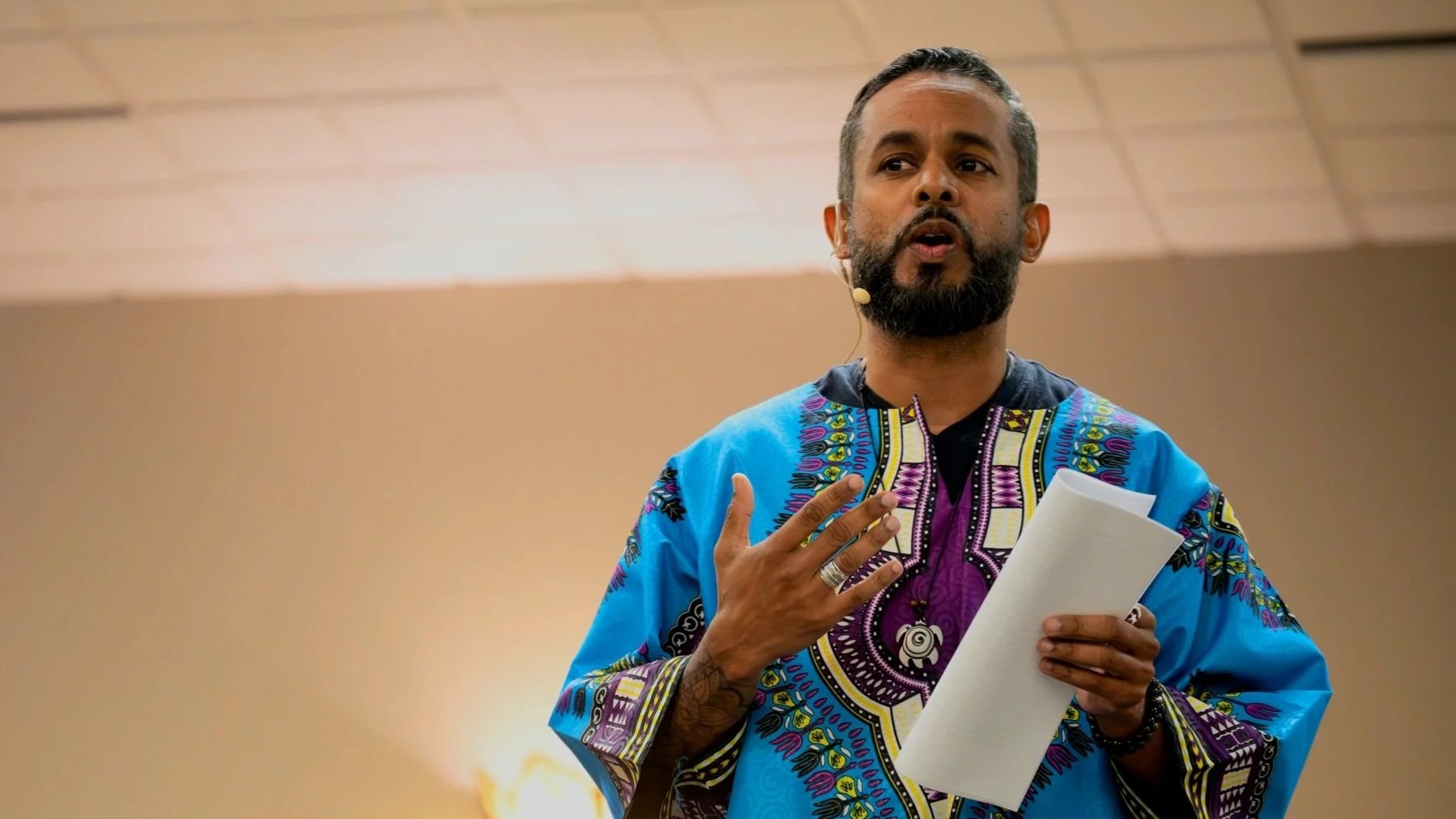
jeewan chanicka’s TED-ED Talk in 2020 on the importance of affirming student identity drew acclaim across education and community (Photo contributed)
Seven years ago, chanicka assumed the role of Chief Executive Officer and Superintendent of an American school in Dubai where he led the development of a strategic blueprint for an aspiring global network of schools.
A committed advocate for social justice, he frequently participates in public rallies and speaks at conferences, inspiring workers affected by racism, colonialism and other injustices.
chanicka’s exit from the WRDSB raises enduring questions that extend beyond one individual or one board. What does institutional courage look like when leadership challenges the status quo? Who is protected when resistance grows louder?
The answers matter because innovation without backing is not leadership. It is a risk without shelter. And when institutions hesitate, it is often the very leaders tasked with change who are left standing alone.