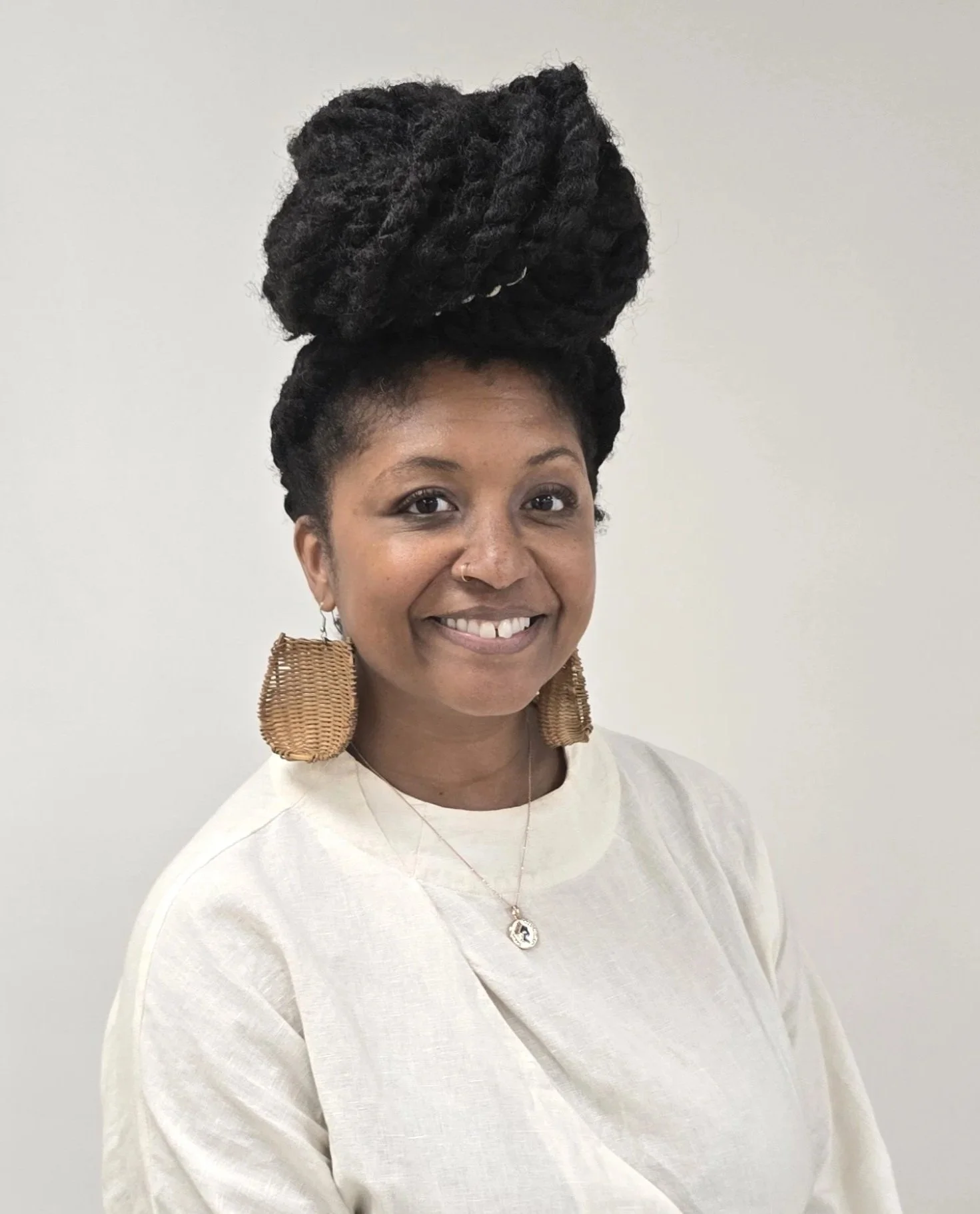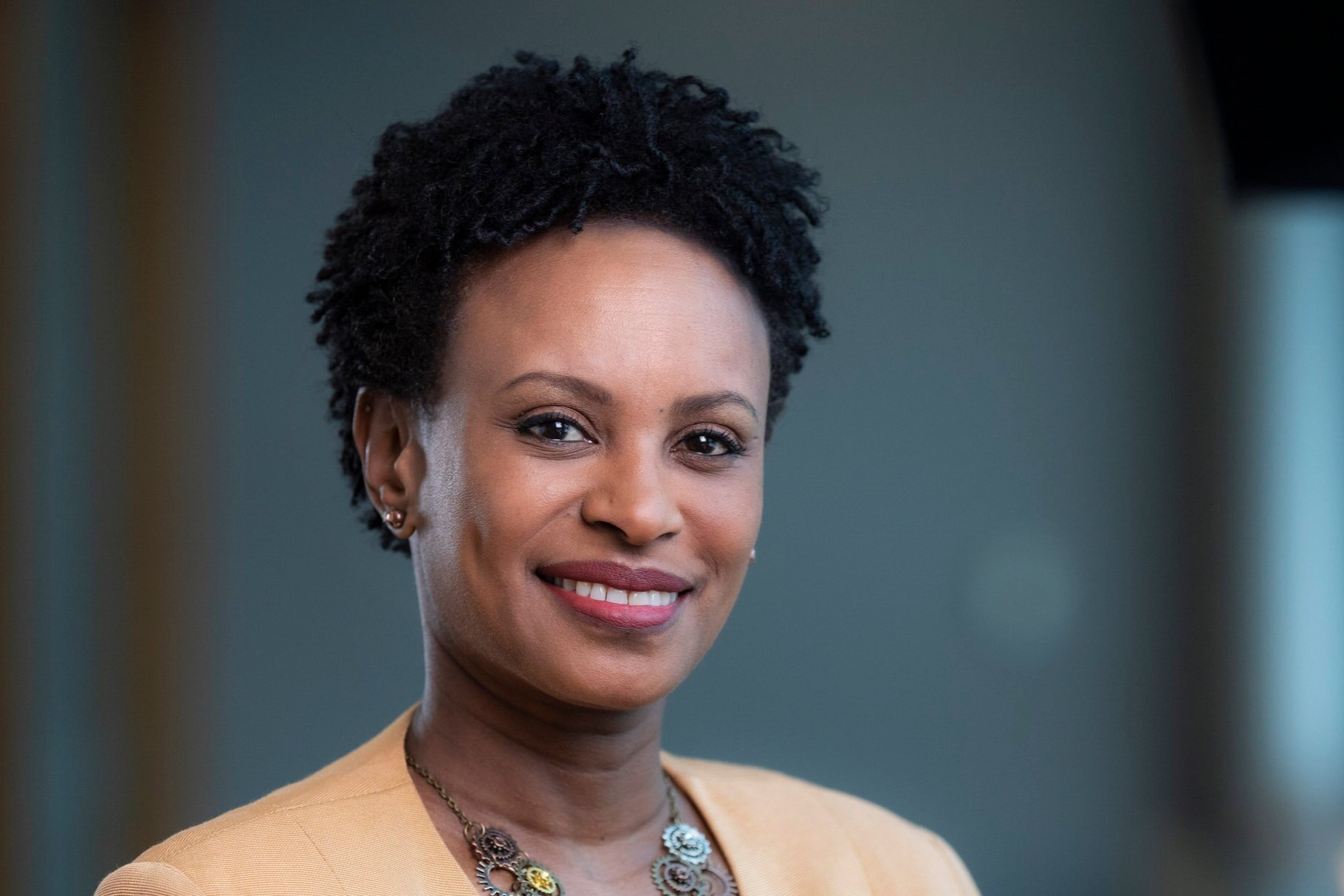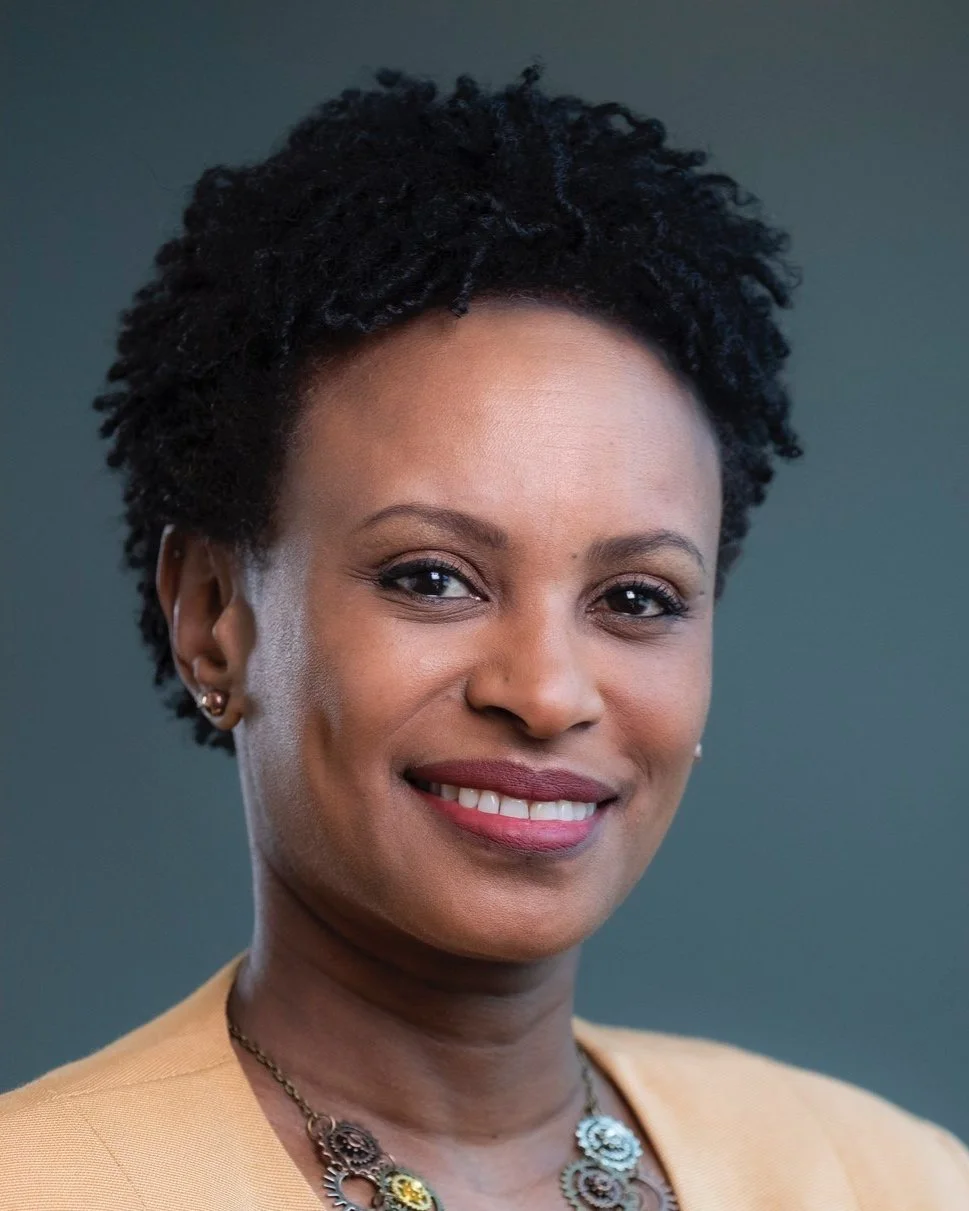
Rhonda McEwen brings global perspective and student-centred vision to University of Victoria presidency
June 14, 2026
As a world-class academic leader, researcher and innovator, Dr. Rhonda McEwen has been approached repeatedly over the years by universities across Canada, the United States and Australia about taking on senior leadership roles.
Yet none of those opportunities persuaded her to leave the career she had built at the University of Toronto.
That changed after a visit to the University of Victoria last February.
Drawn by the institution's academic excellence, strong sense of purpose and ambitious vision for the future, McEwen recognized a rare opportunity that closely aligned with her own aspirations for higher education. The experience ultimately convinced her to accept the position of president and vice-chancellor.
The Trinidad-born scholar will begin her term on October 14, becoming the ninth president in the university's history.
Another attraction was the opportunity to experience a part of Canada she had never truly explored.
“I have never spent any significant time in that part of Canada,” McEwen said. “I have lived many places in the world. I went out to Victoria to see what it was like and was very much intrigued by the island. I am an island girl at heart and found Victoria very interesting. The island is very unique and beautiful with the mountains and the water. In a lot of ways, there is a slight feeling of being in Trinidad. There was something quite familiar instantly.”
Although she had visited Vancouver before and travelled to nearby Esquimalt through her work with the Canadian Armed Forces, she had never spent time getting to know Victoria or the university in depth.
What she discovered left a lasting impression.
“UVic is an incredible university,” McEwen said. “I wasn't particularly looking. U of T has been the place where I have started and built my entire career.”
Beyond Victoria's natural beauty, she was impressed by the university's internationally recognized strengths in climate science, ocean research, Indigenous scholarship and sovereignty studies. Those areas align closely with her own interests and leadership roles, including her work as co-chair of the Canada Caribbean Institute.
“If you want to talk about climate and oceans, they are number one,” McEwen pointed out. “A lot of the top work is coming from that side.”
Meeting researchers and learning more about the impact of their work helped solidify her decision.
McEwen said recent discussions around sovereignty, defence and public policy have reinforced her belief that universities play a critical role in helping societies respond to increasingly complex global challenges.
“What came out for me really clearly was research and working with researchers as a way to defend,” she said. “The ideas that are generated can support economic defence, which is something Canada and the Caribbean are both dealing with right now.”
McEwen was appointed following a year-long search process led by a committee that included representatives from the Board of Governors, Senate, faculties, staff, students and alumni.
Erinn Pinkerton, acting chair of the university's Board of Governors, said McEwen stood out as an energetic and approachable leader capable of building authentic relationships across campus, throughout Vancouver Island and internationally.
“She is a student-centred leader, holding deep commitments to equity, experiential education and supportive learning environments,” Pinkerton said. “She is distinguished as a scholar and researcher who has a reputation for advancing knowledge and innovation through partnerships. The committee recognized Dr. McEwen as an inspirational advocate for higher education in Canada and beyond.”
McEwen's appointment brings to UVic a leader whose career has successfully bridged industry and academia.
Before entering higher education, she spent 15 years working internationally in telecommunications, technology and management consulting.
While at Deloitte UK nearly two decades ago, McEwen was part of a team that produced an early white paper examining how mobile devices could be used to access emails and calendars, a concept that is commonplace today.
“I was happy with the work I did there in terms of executing on the product side, but I wanted to understand more fully how people were affected and impacted by the technology,” she said in a 2021 interview. “These are not questions commercial businesses can provide immediate answers to because the business cycle tends to operate within a financial year where you want to see results based on your investment.
“In the academic world, there is more time and the ability to do longer studies and examine things more broadly to understand the impact on the people using the technology. I was very curious about that side of things. I really wanted to know how people with disabilities are being affected by these technologies, how the workforce is being transformed as we make technology more accessible and what is happening to work-life balance as people's phones buzz through the night.”
Seeking answers, McEwen pursued a PhD in Information at the University of Toronto. In 2009, she successfully defended her dissertation, A World More Intimate: Exploring the Role of Mobile Phones in Maintaining and Extending Social Networks.
The study examined how mobile phones helped first-year university students maintain relationships and social support networks during a significant life transition.
The move from industry to academia provided experiences that continue to shape McEwen's leadership philosophy.
“People are right that it is not the same,” she said when comparing corporate and academic environments. “These are two different contexts.”
Still, the Canada Research Chair in Tactile Interfaces, Communication and Cognition believes many of the principles that drive successful organizations are universal.
“We still have to do strategic planning in universities,” McEwen said. “I learned how to do that really well in the private sector by taking an idea and translating it into tangible and measurable outcomes.”
That philosophy includes a strong emphasis on evidence-based decision-making.
“Data doesn't direct, but it will inform your decisions,” she said.
McEwen believes that same thinking can be applied to improving the student experience.
“You can apply the same principles to understanding how a student moves through our university and where the opportunities and gaps exist in making that journey a spectacular one,” she said.
Student success has been a defining theme throughout McEwen’s career. As higher education evolves, she believes universities must increasingly serve learners at different stages of life.
Rather than focusing solely on traditional undergraduate students, she sees growing demand from people seeking to upgrade skills, change careers or pursue lifelong learning opportunities. Micro-credentials, shorter learning programs and more flexible educational pathways will become increasingly important.
Artificial intelligence is another issue McEwen believes universities must address directly.
“AI is probably one of the biggest forces for universities right now,” she said. “We need to change the way that we are doing business. Faculty have to think about the fact that students are using AI and will continue to use AI.”
Within university administration, McEwen sees opportunities to improve efficiency while ensuring privacy, security and ethical safeguards remain priorities.
Research is also being transformed.
“The AI tools can be trained to support data collection, data analytics and data cleansing,” McEwen said. “Research timelines are shortening because AI is in the mix now.”
Even as technology evolves, she believes institutions must remain focused on people.
“We have to be very human-centred in the way we're doing this,” she said.
At UVic, McEwen plans to build on the institution's existing strengths while helping raise awareness of accomplishments that may not be fully recognized across Canada.
Among those strengths is Indigenous scholarship.
“UVic is the only university in Canada that has Indigenous law as a core part of the program,” McEwen said.
She also highlighted the university's strengths in engineering, computer science and digital media.
“In Ontario, we tend to think only of the ones we know,” said McEwen, an avid reader who enjoys playing mas'. “Yet UVic is north of Silicon Valley.”
Partnerships with governments, businesses and community organizations, she said, will be essential to expanding the impact of the university's teaching and research.
“Creating great partnerships is another way to elevate the research while serving community,” McEwen noted.
She also sees opportunities to deepen the university's engagement with diverse communities.
McEwen praised UVic's longstanding relationships with Indigenous communities and expressed enthusiasm about building connections with Black communities on Canada's West Coast.
“They are very open to discussing their Black communities on the West Coast,” she said. “We do have a very vibrant community that's already reached out to me.”
Like many institutions across Canada, UVic faces financial pressures and rapid technological change.
Yet McEwen remains optimistic about the future and believes universities have a vital role to play in Canada's economic and social development.
“We should be working with government to say, 'What are the big issues of the day, and how do we come in with you on this?'” she said.
That partnership, she argues, should extend beyond producing graduates to include research, innovation and long-term workforce development.
“Canada's future progress depends on universities, actually more than ever before,” she said. “It's a really exciting time to be leading a university.”
Reflecting on her career, McEwen points not to buildings or titles but to the communities she has helped build.
At the University of Toronto, she helped establish networks connecting Black staff, researchers and students, creating opportunities for mentorship, collaboration and support.
“People were so happy to be together,” McEwen recalled.
She is equally proud of mentoring emerging scholars and researchers.
“To see them then present and go out into the world -- it's the next generation coming through,” she said. “I think that's really an important part of the legacy.”
Asked what success would look like at the end of her presidency, McEwen focused less on physical projects and more on creating lasting institutional improvements.
“My legacy happens on the inside,” she said.
As McEwen prepares to assume leadership of the University of Victoria, she brings a global perspective, deep expertise in technology and a belief that universities must remain adaptable, inclusive and connected to the communities they serve.
It is a vision she believes will position UVic to thrive in an era of rapid change while continuing to advance knowledge, opportunity and innovation.
When McEwen assumes the presidency this fall, she will join Trinidad-born Michael Khan who is at Saint Mary's University in Halifax and Guyanese-born Kofi Campbell at Algoma University which main campus is in Sault Ste. Marie as the only Canadian university presidents and vice-chancellors of Caribbean heritage.
Gervan Fearon, who was born in England to Jamaican parents, is a former president and vice-chancellor of Brandon University in Manitoba. He currently serves as president of George Brown Polytechnic.