What it means to be Jamaican anywhere
April 13, 2026
Identity is not something others can define, but something each person carries, lives and honours in their own way.
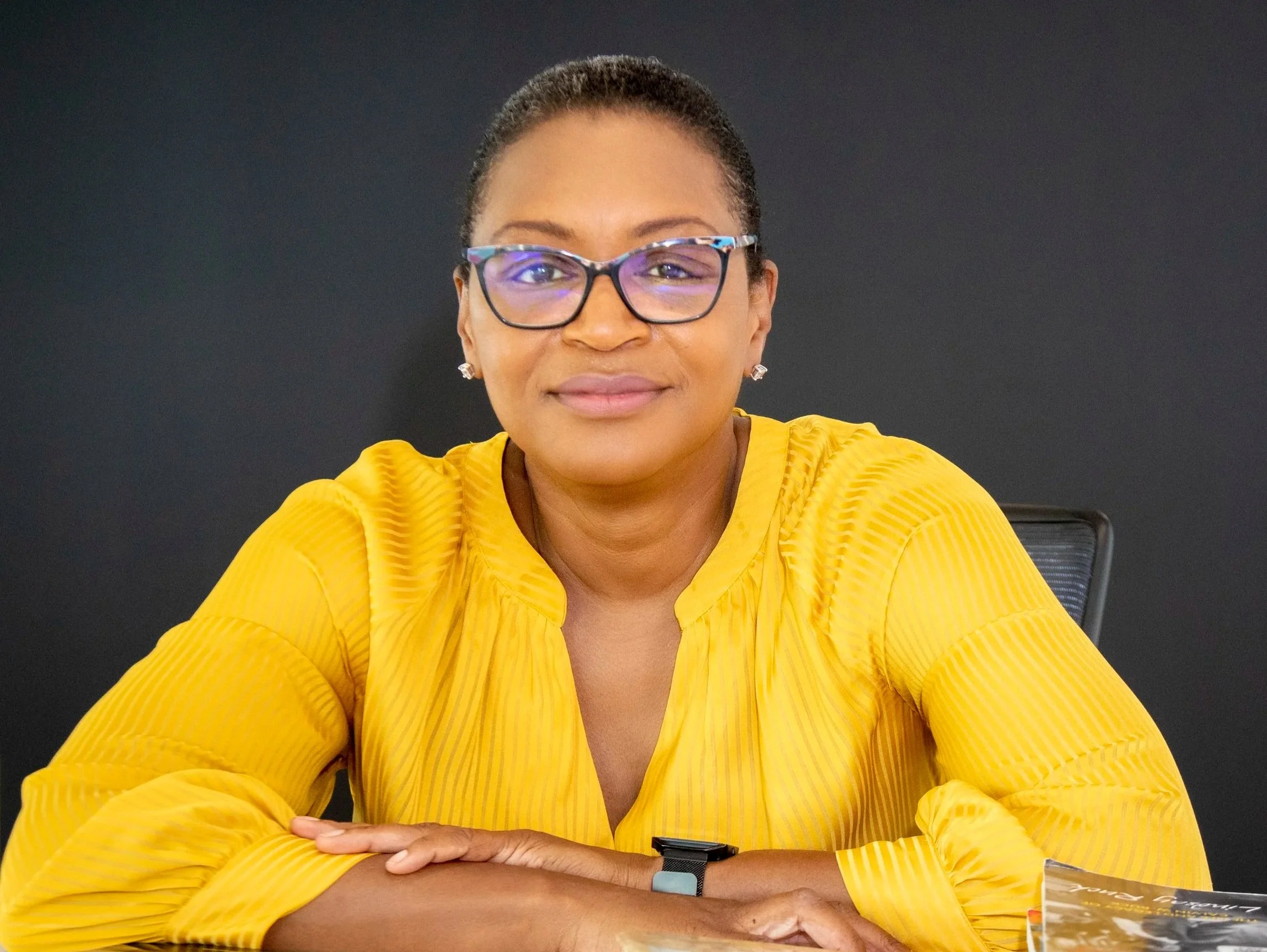
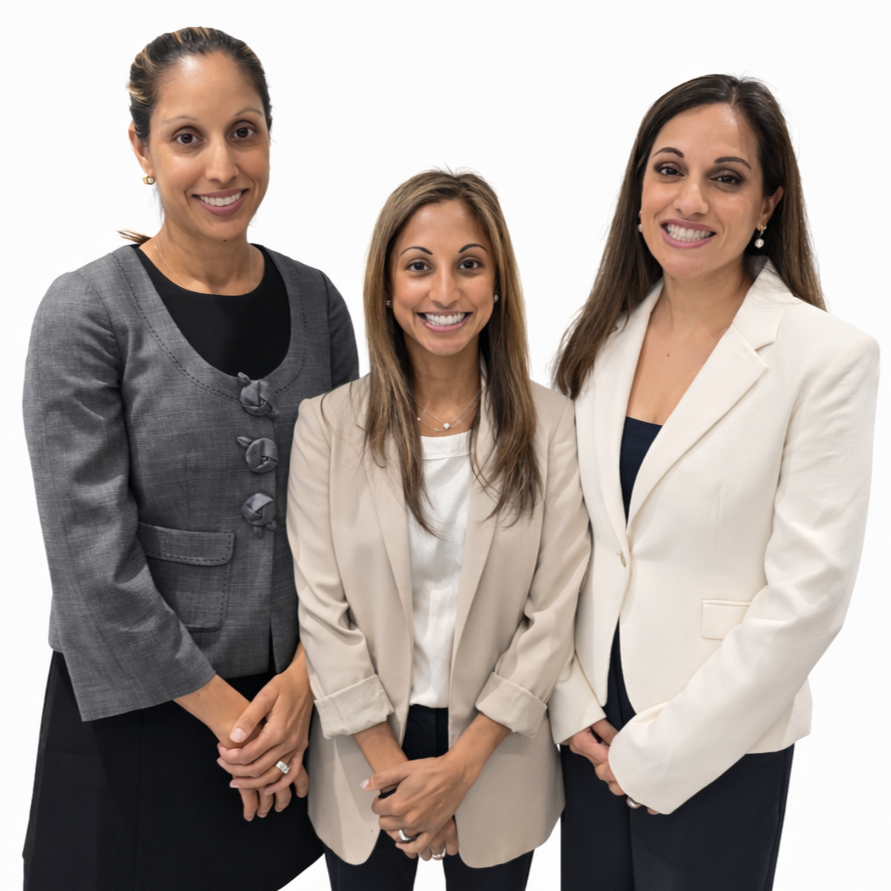
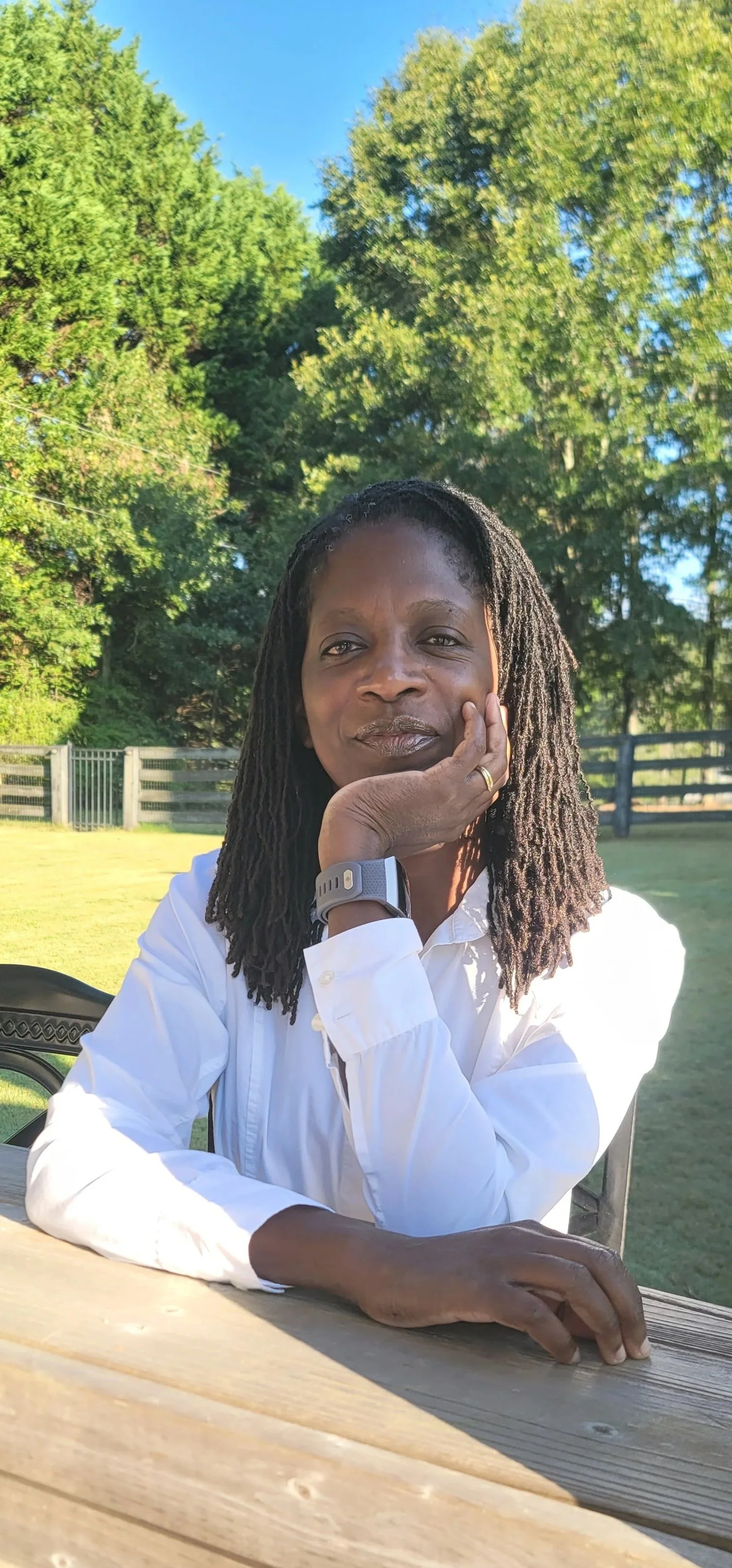
For Dr. Sheril Bryan and her niece, Alyssa Broadbell, being Jamaican is not determined by birthplace or the length of time spent on the island. It is rooted in culture, memory, family, values and the depth of their connection to their heritage.
Leaving at a young age or being born elsewhere does not diminish that identity. It simply shapes a different, yet equally valid Jamaican experience.
Instead of trying to change minds, Bryan and Broadbell have chosen to own their story with confidence, embracing where they come from and allowing that authenticity to speak for itself.
Bryan’s journey reflects that complexity.
Born in Jamaica, she moved to Canada with her family just before her fourth birthday, living in the Greater Toronto Area into her 20s before relocating to the United States in 1993 to pursue graduate studies in educational psychology at Georgia State University.
Despite those moves, her sense of identity has remained unwavering.
“My strongest leanings are toward Jamaica,” Bryan said. “I have lived within that space my whole life. I am 100 percent Jamaican. Other people may look at me and say I am not really Jamaican. I have a niece in her 30s who was born in Canada, and she has had a similar experience, though not the same. We have had conversations about this for years.”
For Broadbell, those conversations have been equally formative.
“My aunt and I are very close and we often talk about Jamaican identity,” she said. “For me, primarily, it is because I am first-generation and I feel that how Jamaican I am is determined by the context and the people involved in the conversation.”
Those ongoing discussions eventually evolved into something larger.
“Last year, we thought it would be interesting to get the perspectives of other people about what it means to be Jamaican,” said Bryan, a researcher with Gwinnett County Public Schools in Atlanta for the past eight years. “We have spoken to people across the diaspora to understand their experiences, whether they have lived in Jamaica their entire lives, migrated at a young age or as adults, or even returned years later. We just wanted to hear what being Jamaican means to them.”
A year ago, the pair presented virtually at a storytelling conference in Jamaica, an experience that helped expand both their work and its visibility.
“We got good feedback and also learned about the Caribbean Studies Association (CSA) conference,” Bryan said.
The CSA, an independent professional organization dedicated to advancing Caribbean studies through a multidisciplinary and multicultural lens, will host its 50th annual conference from June 1 to 5 at the Jamaica Pegasus hotel under the theme Caribbean Vibes and Vibrations: Culture, Identity and Development in Transformative Times.
“We put in an application to attend and were accepted,” noted Bryan who completed her undergraduate studies at the University of Toronto. “It is a step above last year’s storytelling conference, and it has allowed us to expand our range of interviewees.”
At the heart of their work is a deeper question that resonates across generations of the diaspora: what does “home” really mean?
“The idea of home is wherever you feel the most comfortable,” Bryan said. “In conversations with people, home is here for some, while for others, home is Jamaica even though they don’t live there. I am one of those people. I only spent three and a half years of my life in Jamaica, but I can’t say I am African-American by any means. Though I lived in Canada for almost 20 years, my family was so influenced by Jamaican culture that it is hard for me to say I am Canadian.
“But if you ask me where I am from, I am 100 percent Jamaican. When I talk to other people, they feel the same way. That is where I feel most comfortable. Not everyone has that same feeling, and that is okay, because many people have a love-hate relationship with Jamaica when they are being honest.”
With Broadbell, that sense of identity has also been shaped by both exposure and distance.
“From around age five to 16, my sisters and I spent summers and winter breaks in Jamaica,” said the Durham District School Board educator. “Our parents came to Canada at a very young age, so our household did not have a lot of Jamaican influences. But we spent a lot of time with Aunt Sheril’s mother, and it was only Jamaican there.”
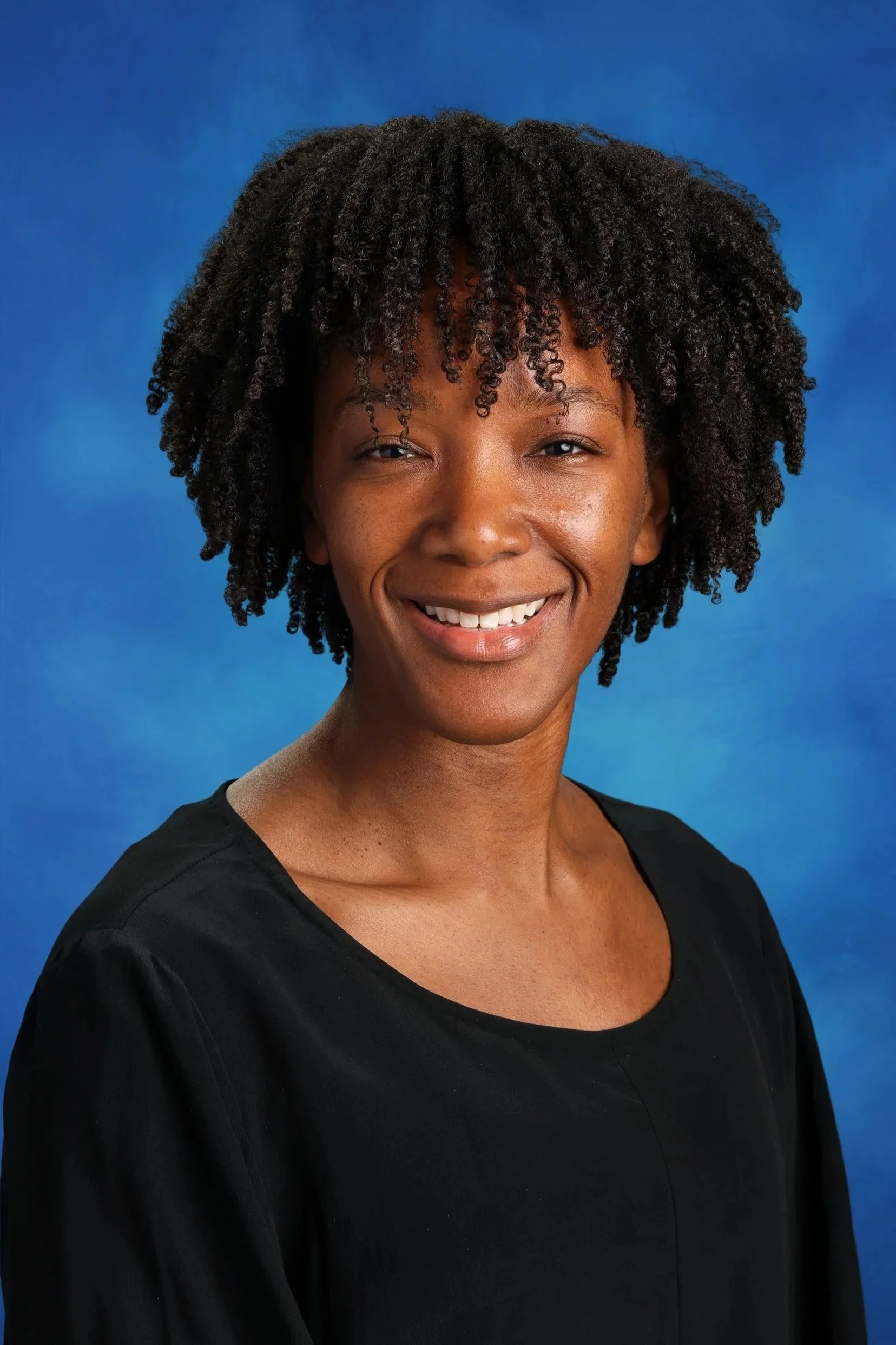
Alyssa Broadbell (Photo contributed)
Her participation in the interviews has also deepened her understanding of identity.
“I interviewed childhood friends and learned so much more about them through this process,” the University of Toronto Ontario Institute for Studies in Education graduate student said. “I was not born and raised in Jamaica, so I was interested in learning what parts of Jamaican identity I had not experienced. During the interviews, I also had the opportunity to share parts of the culture and identity that I have experienced, often in different ways than the interviewees.”
Bryan said many of the most powerful stories have come from conversations that began close to home before expanding outward.
“The first set of interviews I did were mostly with people I knew,” she said. “I was familiar with their stories, though I still learned new things along the way. But as we started reaching out to people we didn’t know, I realized how deeply layered people’s experiences are and how much is connected to their overall story.”
One interview, in particular, left a lasting impression.
“I asked a work colleague, who was born and raised in Jamaica before leaving while in college, a simple question about his favourite Jamaican food,” Bryan said.
Expecting the sexagenarian to mention ackee and saltfish, she was unprepared for his reaction.
“This man in his 60s paused, lowered his head and I realized he was about to cry,” Bryan recalled. “I immediately apologized because making him emotional was not my intention.”
The question had stirred painful memories.
“He told me it reminded him of the level of poverty his family experienced growing up,” she said. “Without an ackee tree near their home in Kingston, his family would go to the market at the end of the day to collect whatever leftovers they could find and take that home.”
The moment also underscored a broader reality about life in Jamaica. While some rural families may have access to land, backyard gardens or fruit trees that can help sustain them, that is not always the case in urban areas, where access to food depends more heavily on income.
Bryan said finding the balance between academic research and storytelling has been an ongoing process.
“This is something I am still going back and forth with,” she said. “As a researcher, I conduct program evaluations to support continuous improvement, so I am very familiar with structured approaches. I usually follow a strict interview protocol when I am doing work-related interviews.”
This project, however, has required a different approach.
“Because this is personal and deeply meaningful to me, I have approached it differently,” Bryan explained. “Instead of sticking to a rigid format, I sit down and have conversations to really get at people’s stories.”
That shift has revealed an important insight.
“What I’ve found is that many people don’t fully open up until about 40 minutes into the conversation,” Bryan said. “The richest storytelling often comes in the last 15 minutes, just as I am wrapping up. I have to find a way to access that earlier without losing its authenticity.”
Generational differences also shape how identity is understood and expressed. Older generations often hold firmly to traditional ideas of “yard,” while younger Jamaicans, especially those born or raised “foreign”, navigate a more fluid sense of belonging.
Bryan highlighted those contrasts through her conversations.
“One person I spoke with recently, someone I grew up with in church in Toronto, was born in Canada to Jamaican parents,” she said. “My experience is different. I was born in Jamaica and left at a young age. What we are seeing is that, for first-generation individuals, the connection can be weaker unless parents are intentional about ensuring their children understand Jamaican culture. Meanwhile, those who are rooted in Jamaica often bring very strong stories shaped by lived experiences.”
That urgency to preserve those stories is at the heart of what Bryan hopes participants will take away from the conference.
“We are going to lose our stories if we don’t capture and tell them,” she said. “I hope people come away understanding the importance of talking to others, collecting those stories and holding them dear. In an ideal world, I would love to see a centre in Jamaica where parents can bring children who were born abroad and say, ‘Let’s listen to these generational stories so we don’t forget where we came from.’”
In the end, Bryan and Broadbell are not trying to define Jamaican identity as much as they are working to preserve it in all its complexity.
Through each conversation, they are capturing voices shaped by migration, memory and lived experience, ensuring those stories are not lost to time.
For them, the work is as much about documentation as it is about connection and creating a space where future generations can better understand where they come from even as they continue to define it for themselves.