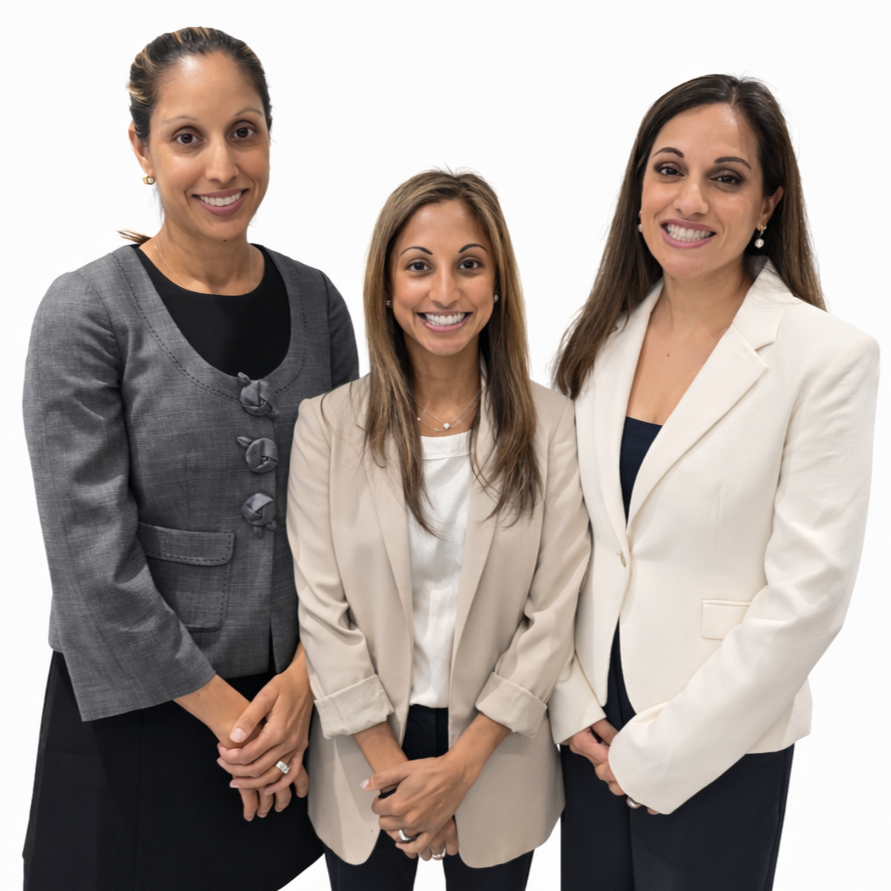
The Rambihar sisters turning a father’s example into lifelong purpose
April 9, 2026
In a profession where legacy is measured not in titles but in lives touched, Drs. Sherryn, Nadira and Vanessa Rambihar are continuing a calling that began not in a lecture hall or hospital ward, but at home.
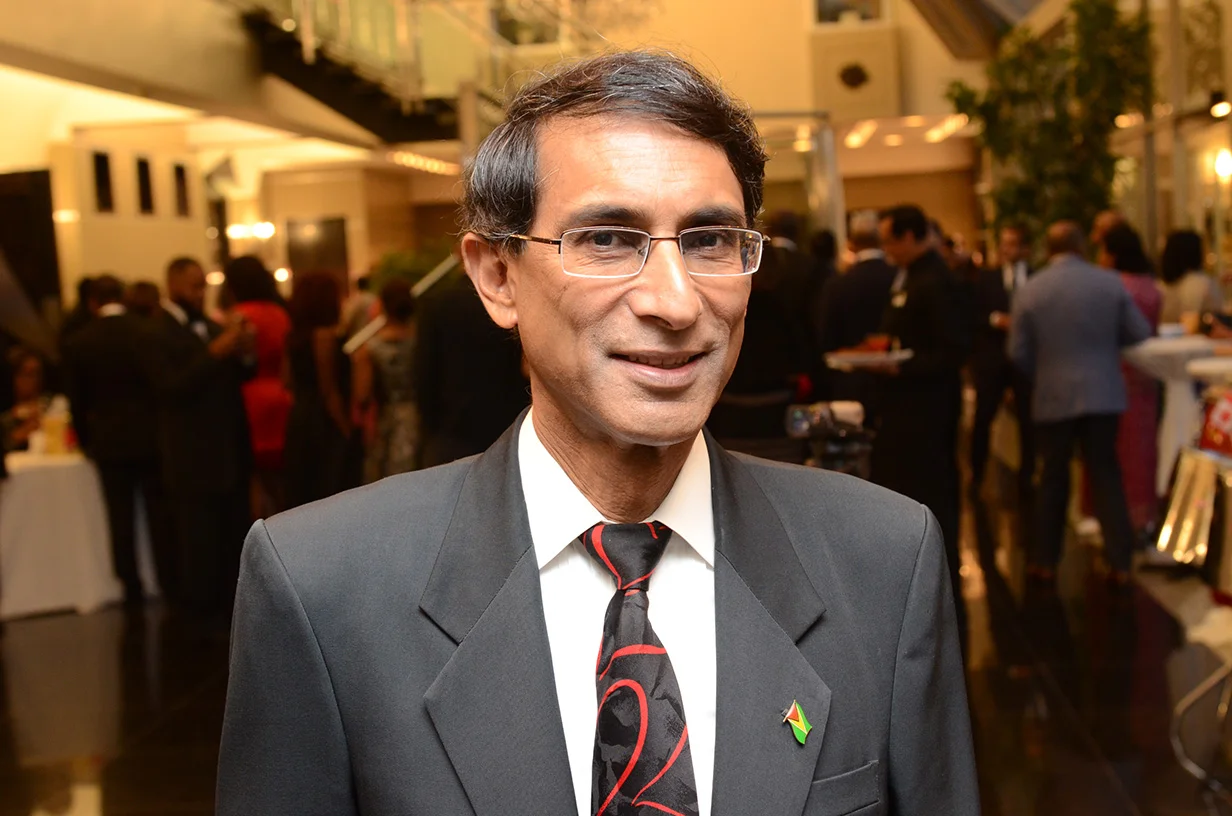
Inspired by their father, Dr. Vivian Rambihar, a distinguished cardiologist whose work has left a lasting imprint on both patients and the wider community, the sisters have each forged their own paths in medicine.
Their journeys differ in specialty and setting, but they are bound by a shared philosophy that is rooted in service, compassion and an unwavering commitment to community.
“Part of our father’s calling was to use medicine as a way of giving back to the community,” said Nadira who is a sports medicine physician and a physical medicine and rehabilitation specialist. “We saw that in many ways, especially through grassroots initiatives. From an early age, I remember people coming to our home seeking help for various ailments. Just seeing his willingness to give back in that way was incredibly inspiring.”
Those early moments, quiet, often unseen, yet deeply impactful, formed the foundation of what medicine would come to mean for each of them.
For Sherryn, the eldest, those experiences were not just observations but lessons absorbed in real time.
“The phone was always ringing in our house from patients he considered family,” she said. “It was a lifestyle rooted in giving and caring for others. Yes, we were his children living in that home, but what we experienced went far beyond that. Whenever the phone rang and help was needed, help was offered. It wasn’t just about seeing patients in an office. It extended into every aspect of life, whether at home after hours, at the temple or in nursing homes. Our father was a physician deeply embedded in the community.”
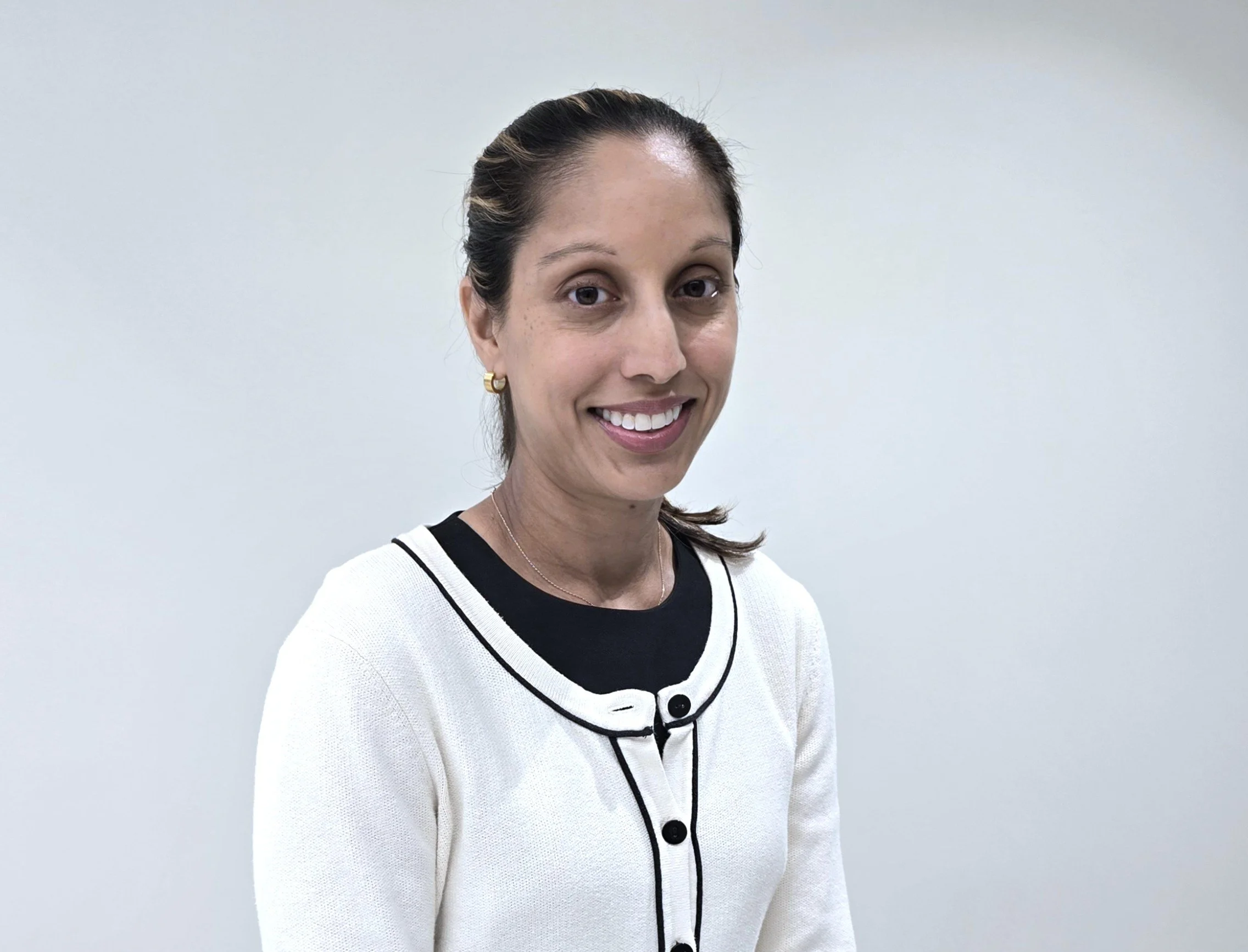
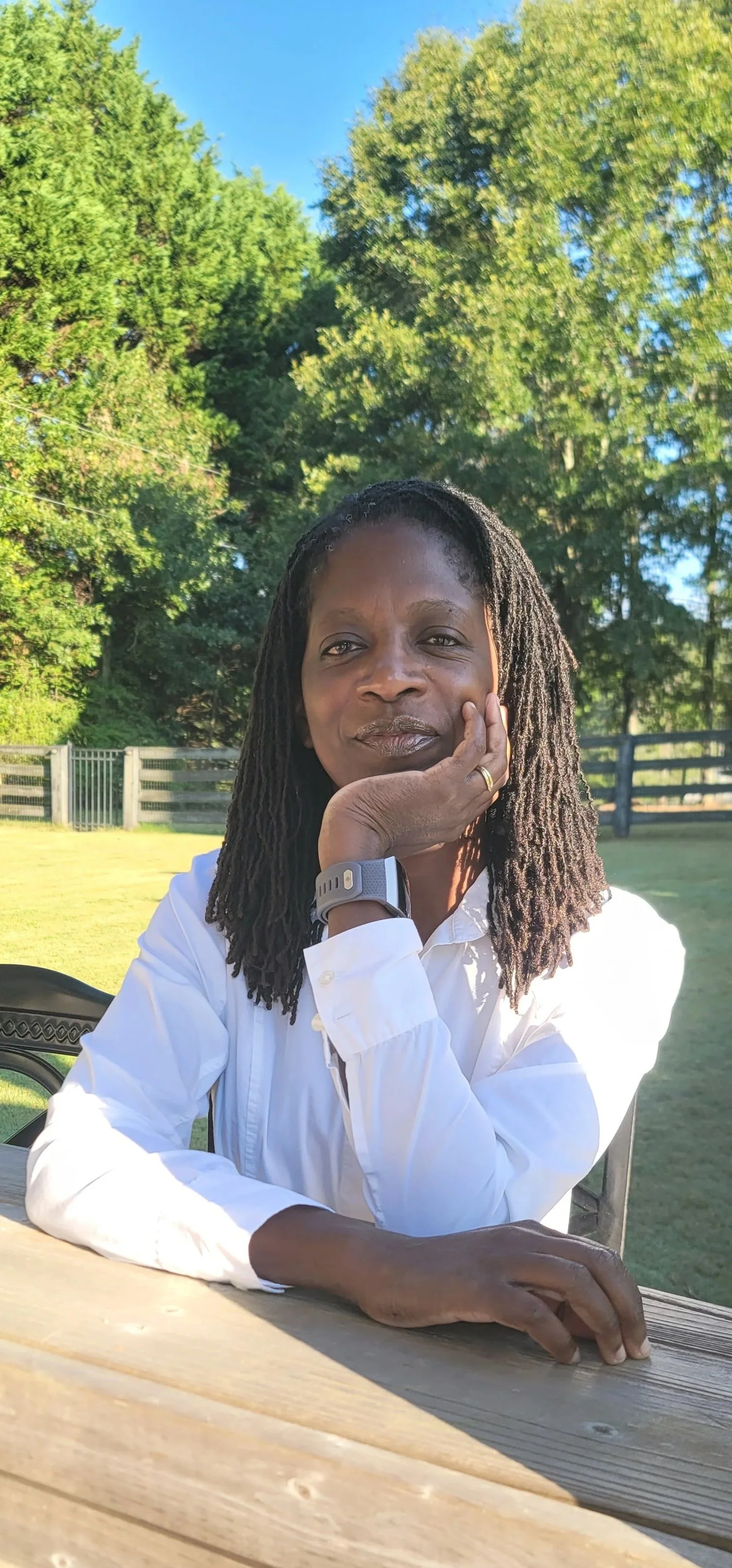
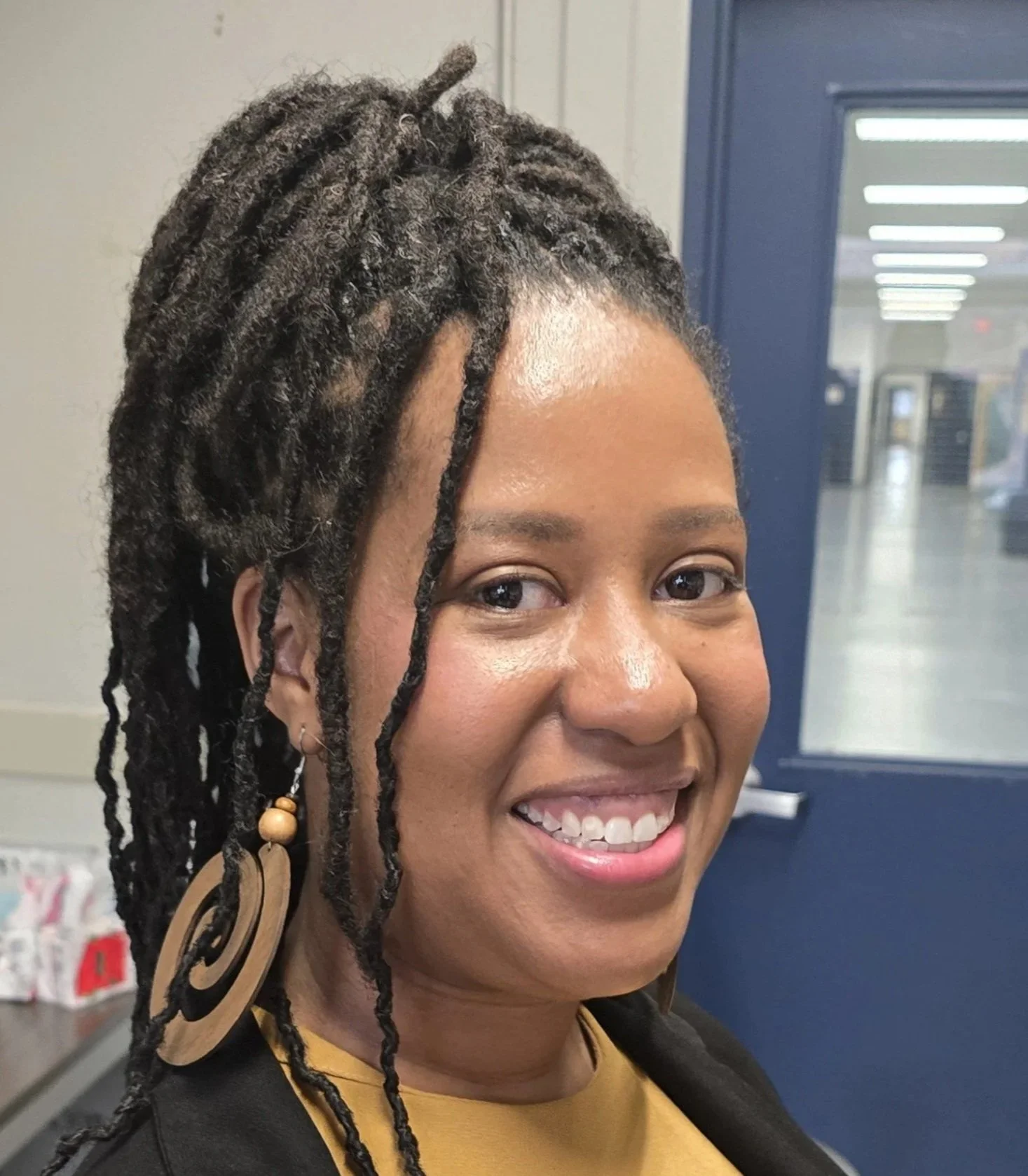
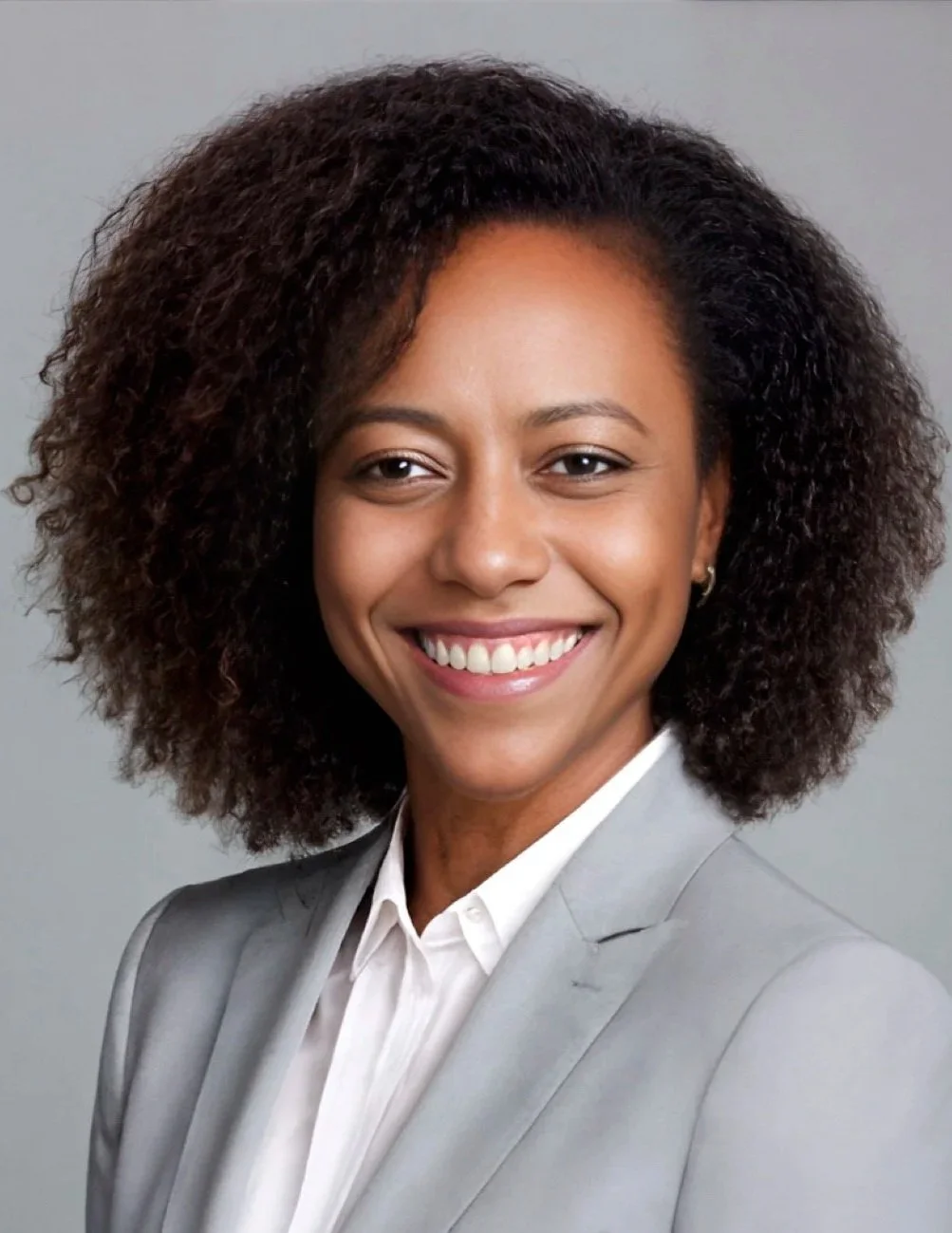
Dr. Sherryn Rambihar (Photo by Ron Fanfair)
That image of medicine extending beyond clinic walls would become a defining thread in each of their careers. It also shaped how they understood the role of a physician, not simply as a provider of care, but as a presence within the community.
Vanessa echoed that sentiment, reflecting on how deeply those values were embedded in their upbringing.
While each sister found her way into medicine through different routes, the underlying purpose remained constant.
“I once heard that family medicine is not a career, but a lifestyle,” noted Vanessa, a family physician at Women’s College Hospital. “When I heard that, my upbringing suddenly made sense. For my dad and what both he and my mom instilled in us, it was always about more than being doctors. We are here to help our communities and advocate for those who cannot do so for themselves. We have been incredibly privileged to become physicians and to give back, and there are many ways to do that beyond the traditional doctor-patient relationship.”
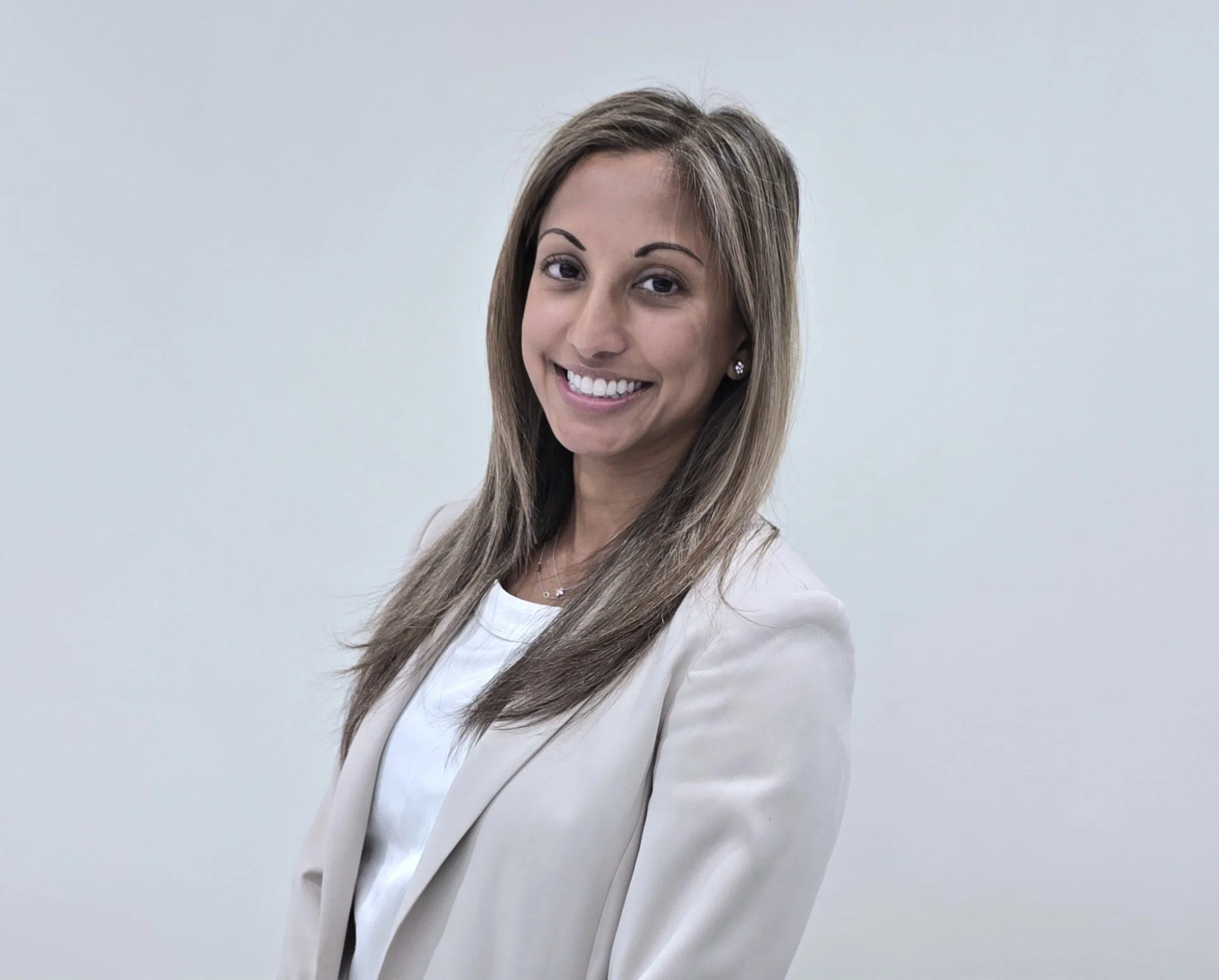
Dr. Vanessa Rambihar (Photo by Ron Fanfair)
That philosophy can be traced back to Vivian Rambihar’s own journey. A recipient of a Guyana scholarship in 1969, he began practising at Scarborough Health Network – General Hospital in 1980, building a career defined not only by clinical excellence but by advocacy, particularly for culturally responsive healthcare.
He developed an early awareness of the barriers many families face when navigating the healthcare system, such as language differences, cultural misunderstandings, limited access and, often, a lack of trust. Those experiences informed his approach to care and, in turn, shaped how his daughters would come to understand their own roles within medicine.
“Just being able to understand that shared experience is very important,” said Nadira, a staff physiatrist at West Park Healthcare Centre. “I work in an area with many immigrant and newcomer families, so having that background helps me connect with different populations.”
For Sherryn, that connection carries an added layer of responsibility, one tied to both identity and opportunity.
“We are in a unique position of privilege,” she noted. “I was born in Hamilton, while my sisters were born in Toronto. We have taken different paths, but those experiences intersect in meaningful ways. That privilege gives us a lens through which we can understand situations from multiple perspectives. Being able to help others, especially those who may not speak the language or be familiar with the system, is a gift. Giving back became instinctive because that is how we were raised.”
Their shared heritage as children of immigrants from Guyana, one of the most culturally diverse countries in the Caribbean, further deepened that perspective. It exposed them early to the richness of difference and the importance of understanding people within the context of their lived experiences.
“When our parents moved to Canada, they had to work hard to learn the culture and build relationships with people from a wide range of backgrounds, traditions and religions,” said Vanessa. “We grew up surrounded by diversity, and as a result, we actively sought connections with people who are different from us.”
While that foundation grounded them in common values, it did not confine them to a single path. Instead, it gave each sister the freedom to interpret that calling in her own way.
For Sherryn, that meant following directly in her father’s footsteps into cardiology.
“I find that as the eldest child, you tend to observe closely what your parents do and feel a responsibility to carry on that legacy,” said the Mackenzie Health staff cardiologist. “I don’t think I ever imagined doing anything else. I looked at my dad with deep respect. He was a tremendous mentor, and the choice felt intuitive. There are not many cardiologists in Canada, and even fewer women in the field. From a young age, I recognized how fascinating it was, and as a woman, it felt meaningful to be part of a specialty that is still evolving.”
Now practising within a different healthcare system, Sherryn continues to navigate the balance between tradition and transformation, holding onto the patient-centred approach she inherited, while adapting to the pressures of modern medicine.
“The healthcare system is challenging, especially right now, with constraints related to funding, policy and time,” she said. “Patient-centred care can sometimes be pushed aside because it requires both time and emotional investment. With the rise of artificial intelligence, there is also a conscious decision to be made, whether to lean into it or push back in certain areas. Ultimately, you have to pause and ask yourself what your values are. If you were raised with a strong foundation, those values will guide how you practise and how you care for people.”
Sherryn’s reflections on her father’s leadership reveal how influence is often shaped not by intention, but by action.
“I don’t know if he intended it at the beginning,” said the adjunct assistant professor in the Division of Cardiology at the University of Toronto’s (U of T) Department of Medicine. “He often speaks about serendipity and has written extensively about chaos and complexity. People often mistake serendipity for luck, but it is not. It is the convergence of deep curiosity and the ability to connect ideas. Our father came to Canada as an immigrant with very little, but with tremendous hope. He recognized early on that there was an epidemic of heart disease affecting marginalized communities in the 1970s, and that many did not have a voice. He was in a position to see the problem and act. I don’t think he set out to be a community advocate. He grew into that role because he cared. My sisters and I are better for it.”
That awareness of inequity, and the urgency to respond to it, became even more tangible during Sherryn’s first visit to Guyana in 2000, when she accompanied a visiting burn care team.
“I had heard so much about Guyana growing up, but to be there and experience it is very different,” the Heart & Stroke Foundation of Canada spokesperson said. “I saw people cooking on kerosene stoves and the risks involved. Some had suffered severe burns to the point where they could not put on shirts because of contractures that needed to be released. People lined up for two or three days, knowing physicians were coming to train doctors. It was one of the first times I truly saw those realities firsthand.”
While Sherryn’s path remained anchored in cardiology, Nadira’s journey into physiatry introduced a complementary dimension to the family’s legacy, one that focuses not only on survival but on recovery and quality of life.
“I love the field because it is about helping people live their best lives,” she said. “It looks at injury not as something that sets you back, but as something that can help you grow into your best self. Physiatry is a broad field, but at its core, it’s about helping people function well and live fully.”
Nadira’s approach to medicine was shaped not just by formal training, but by early exposure to her father’s work in health promotion.
“One of the things that stands out for me is going to temples and doing community service,” the 2025 U of T Division of Physical Medicine & Rehabilitation Leadership Award winner said. “He always incorporated movement into health promotion, which was a great multidisciplinary approach. I helped him at some of those events. I even travelled with him to Martinique to speak French and meet people where they were. Those experiences of meeting people in their communities shaped what I do in my work.”
That emphasis on meeting people where they are, physically, culturally and emotionally, continues to define Nadira’s practice.
“I do a lot of pain medicine, and pain is a very cultural experience,” said the nerve, muscle and bone specialist who provided a wide range of health services during the 2015 Pan Am/Parapan Am Games held across Toronto and the Greater Golden Horseshoe. “It is important to understand people’s backgrounds and how they respond to treatment. At my hospital, we work to provide language services and access to spiritual care to support patients through recovery.”
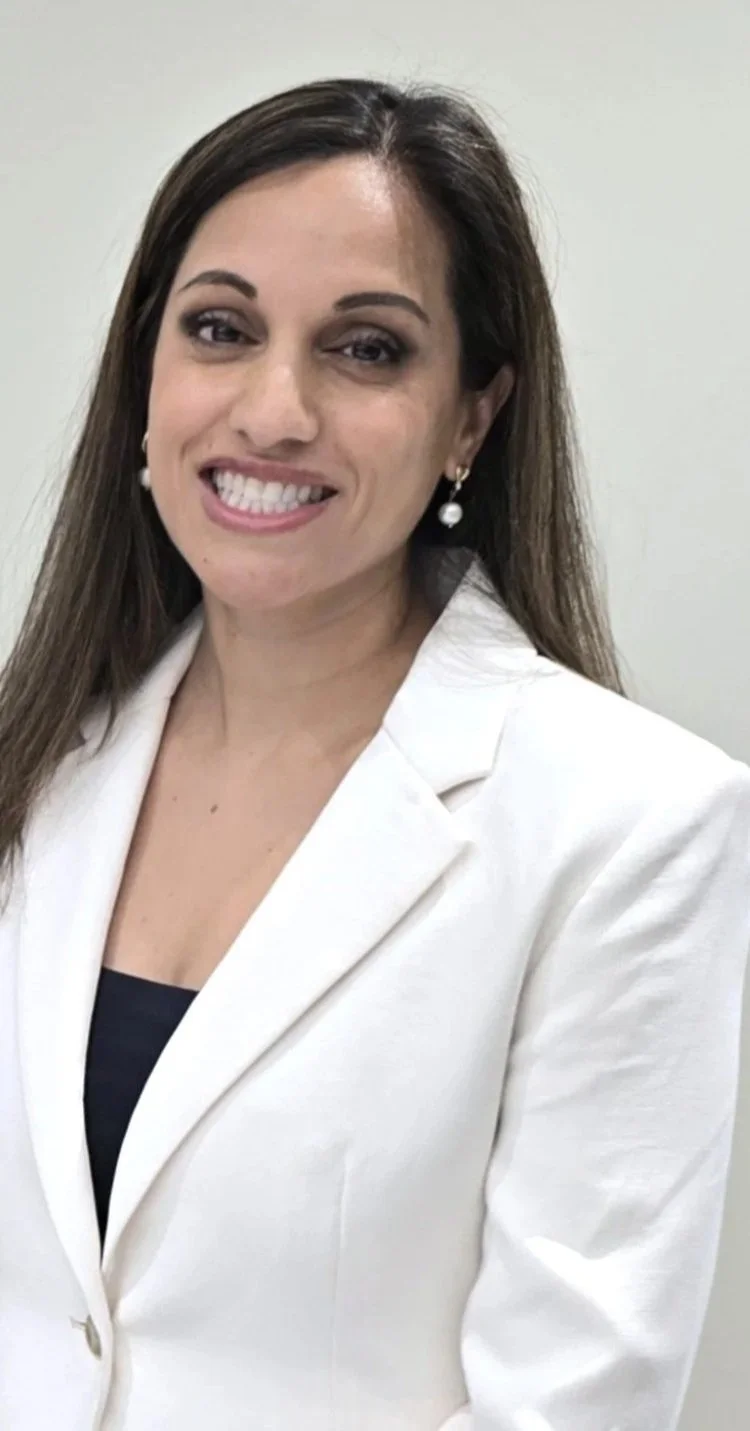
Dr. Nadira Rambihar (Photo by Ron Fanfair)
If Nadira’s work focuses on rebuilding lives after injury, Vanessa’s role in family medicine places her at the very frontlines of care, often as the first point of contact and a consistent presence throughout a patient’s life.
Drawn to the breadth and continuity of the field, she found in family medicine a reflection of the home she was raised in where care was constant and relationships mattered.
“Family medicine is one of those professions where I have found true purpose,” said Vanessa who, with her dad, met then U.K. Cabinet Minister Priti Patel to discuss Indian diaspora health while in England in 2014 to jointly present a paper at the Association for the Study of Medical Education annual conference.
“It allows me to care for individuals while also engaging in prevention and community health. It’s about seeing the person in the context of their life, not just their illness.”
The former Havergal College school captain’s first visit to Guyana in 2000 deepened that understanding, offering a glimpse into the realities that shaped her parents’ lives.
“It was so different from the world I grew up in, and it pushed me to learn more about development and advocacy,” said Vanessa. “That led me to volunteer in Sri Lanka after the 2004 tsunami. I learned so much from those communities, and it inspired me to give back in a more meaningful way through primary care and community involvement. It has given me a front seat into other people’s lives.”
As the youngest in a family of five, Vanessa’s journey was also shaped by mentorship, readily available within her own home.
“I was very lucky,” she said. “I had a father who is an excellent physician, a mother who showed what it means to be compassionate and sisters who paved the way. Their example encouraged me to seek leadership and mentorship roles. My first role after graduation involved helping to select and train family medicine residents at the University of Toronto, one of the largest programs in North America.”
That same commitment to mentorship and community engagement began to take shape during Vanessa’s undergraduate years. While studying at Western University, she founded a volunteer program that brought together students to teach computer skills to seniors in the London, Ontario community.
While the Rambihar name is associated with medicine, the foundation of that legacy rests just as firmly with someone outside the profession.
Though she does not carry the title of doctor, Perdita Rambihar has been central to her family’s journey, providing stability, values and quiet strength that anchored their success.
Her influence is perhaps most visible in the way each daughter carries herself, not just as a physician, but as a person.
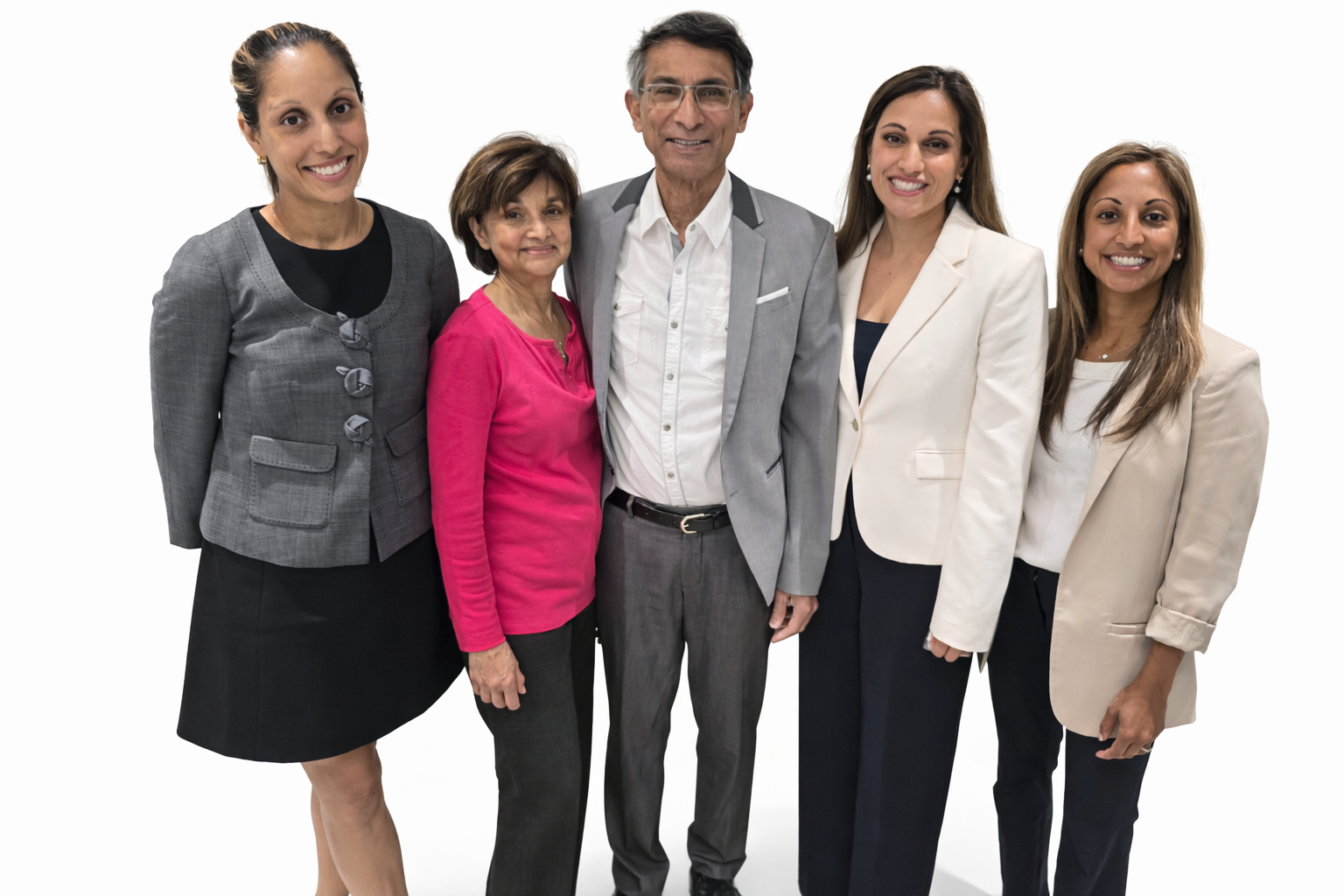
Dr. Vivian Rambihar & his wife of 50 years, Perdita, with their daughters Sherryn (l), Nadira and Vanessa (Photo by Ron Fanfair)
“Our mom has unwavering faith and is the force behind our family,” said Sherryn who was the recipient of a King Charles III Coronation Medal last year. “She came to Canada as a teenager, adapted, studied computer science and became a programmer. When I was born, she stepped back from her career, but she poured that energy into us. She is the glue that holds our family together.”
That same resilience echoes in Nadira’s approach to care.
“Because of the way mothers care, my mom has helped me better understand my patients,” she said. “Understanding how much care she gave us and how she tailored it to each of our needs helps me better support the families I work with.”
For Vanessa, her mother’s example provided a blueprint for balancing professional responsibility with family life.
“I have four children, and I often reflect on how my parents balanced everything,” said the U of T Alumni Association 2012 Gordon Cressy Student Leadership Award winner for advocacy, leadership and commitment to humanitarian causes, including launching initiatives that mobilized fellow students to support global issues. “They always made time for what mattered most, which is family, and did so in a seamless way.”
In many ways, the Rambihar story is not simply about a family in medicine. It is about how values are passed down, adapted and lived out across generations. It is about how influence can begin quietly -- in a home, in a conversation, in a moment of care -- and ripple outward into communities, institutions and lives.
The married sisters are not just following in their father’s footsteps. They are building on that foundation, bringing their own voices, perspectives and purpose to a field that continues to evolve, ensuring that the legacy they inherited is not only preserved, but expanded.