TMU School of Medicine opens, equipping future physicians with advanced tools, immersive learning and forward-thinking curricula
September 4, 2025
Admission to medical school is extremely competitive due to the high number of applicants and limited spots.
Getting into one in Canada is harder than in the United States due to the country's smaller number of medical schools and seats per capita.
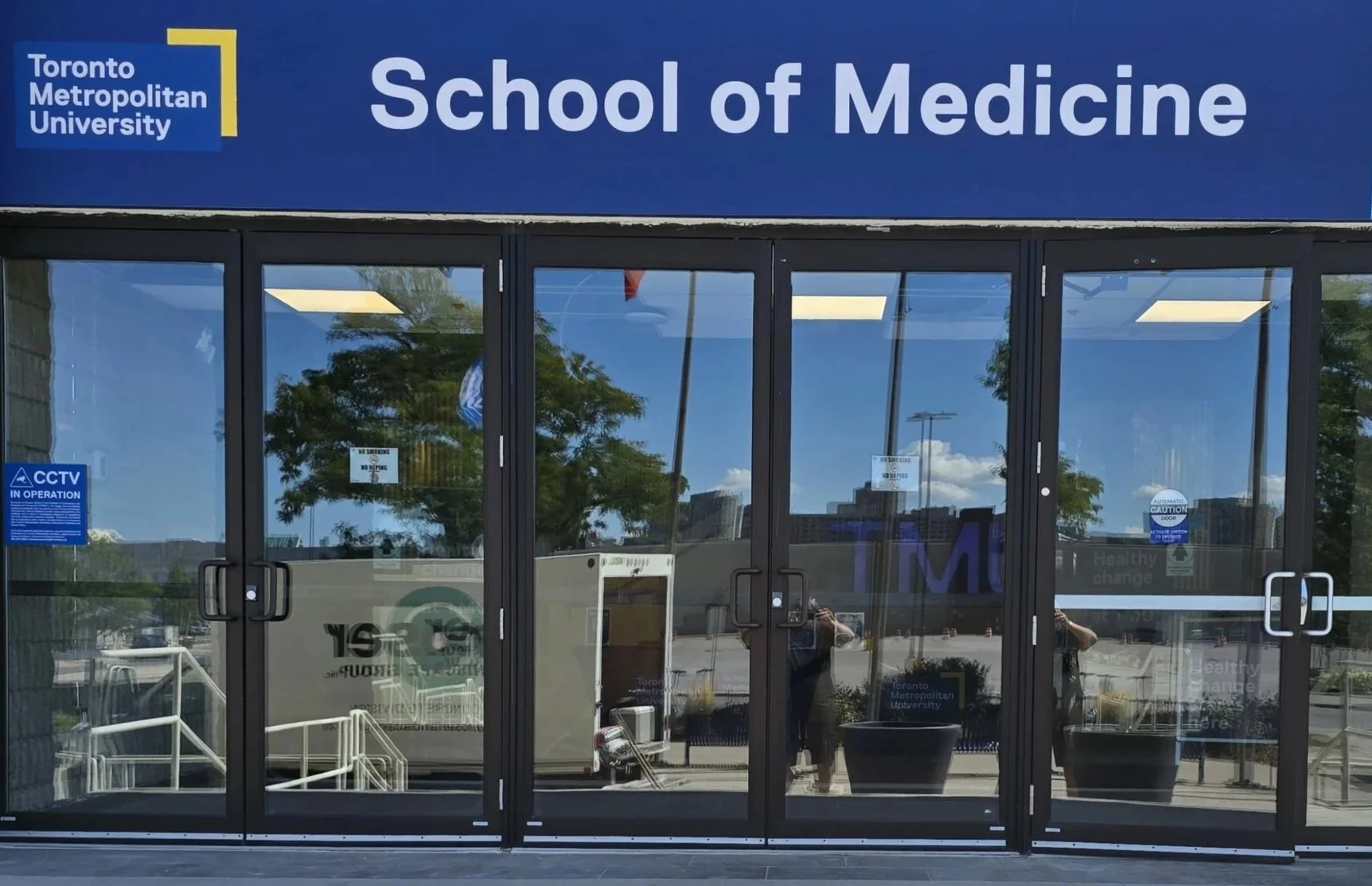
Toronto Metropolitan University (TMU) School of Medicine is the 18th in Canada and the second to be established in the Greater Toronto Area after the University of Toronto’s Temerty Faculty of Medicine was founded in 1843.
Out of a total of 6,415 applicants, the Undergraduate Medical Education Admissions Council selected 94 candidates to be part of the inaugural cohort.
The new school welcomed its inaugural class of MD learners this week.
For Maleeka Munroe, admittance to medical school is a remarkable milestone.
It is the culmination of years of hard work, perseverance and passion. But being part of the first class makes the journey even more meaningful.
“It represents both an honour and a responsibility to contribute to a program that mirrors the diversity of our communities and fosters lasting improvements in access to equitable health care,” the McMaster University Bachelor’s and Master of Science graduate said. “I have always valued the richness of our diverse communities, from participating in cultural activities to gaining insights from my friends and colleagues of various backgrounds, each with distinct traditions, narratives and viewpoints. At the same time, I’ve witnessed how these minority communities have faced obstacles in receiving culturally sensitive care.
“TMU’s dedication to tackling these challenges resonates deeply with me, as does its focus on community and learning from diverse perspectives that mirror the realities of the patients we serve. I’ve experienced the power of this kind of collaboration in other aspects of my life. As an oboe player in a concert band, I learnt that each instrument offers a unique voice and the music only thrives when those voices unite in harmony. I look forward to contributing to a new legacy in medicine that not only educates physicians but also fosters trust and connection between healthcare systems and the communities we serve.”
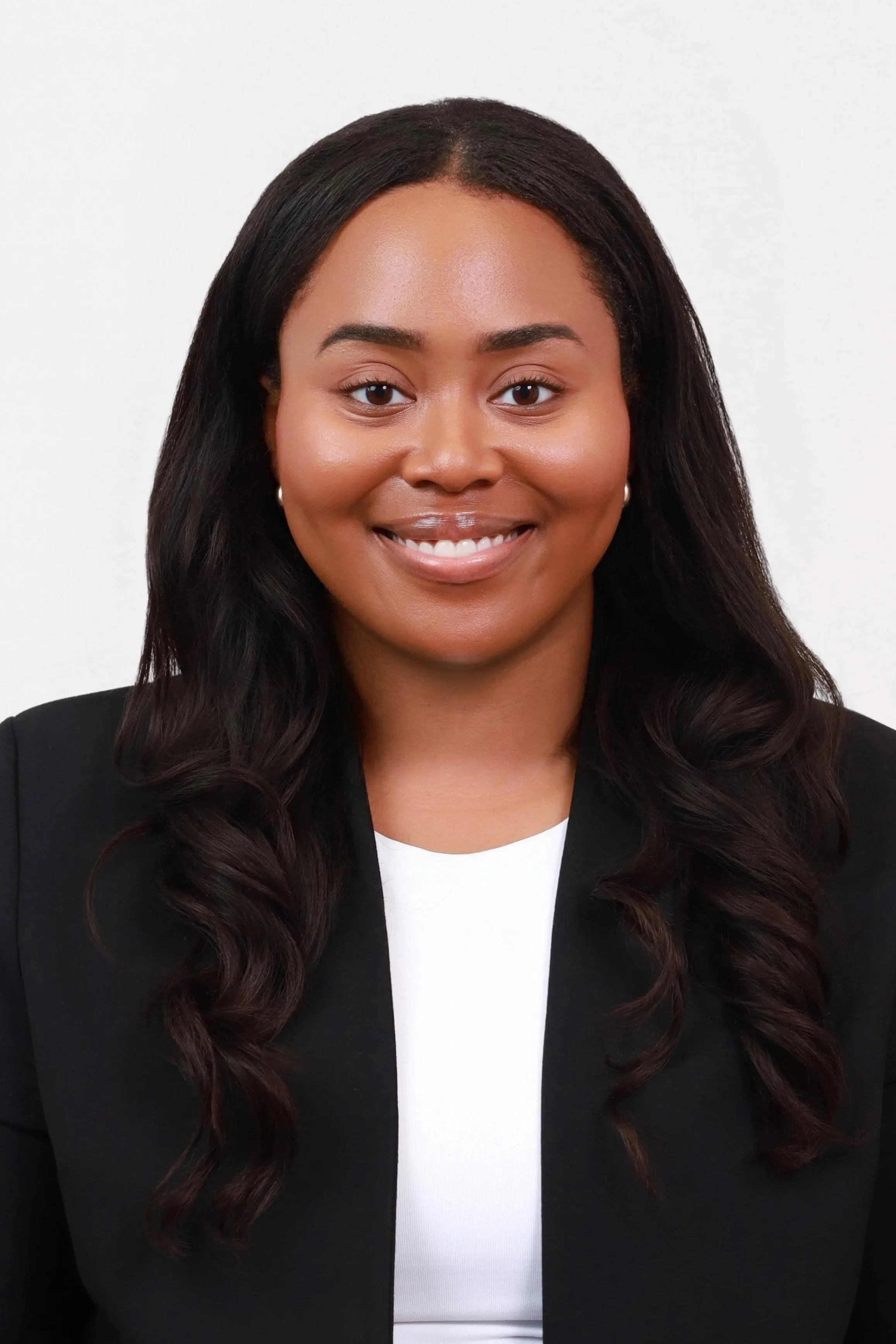
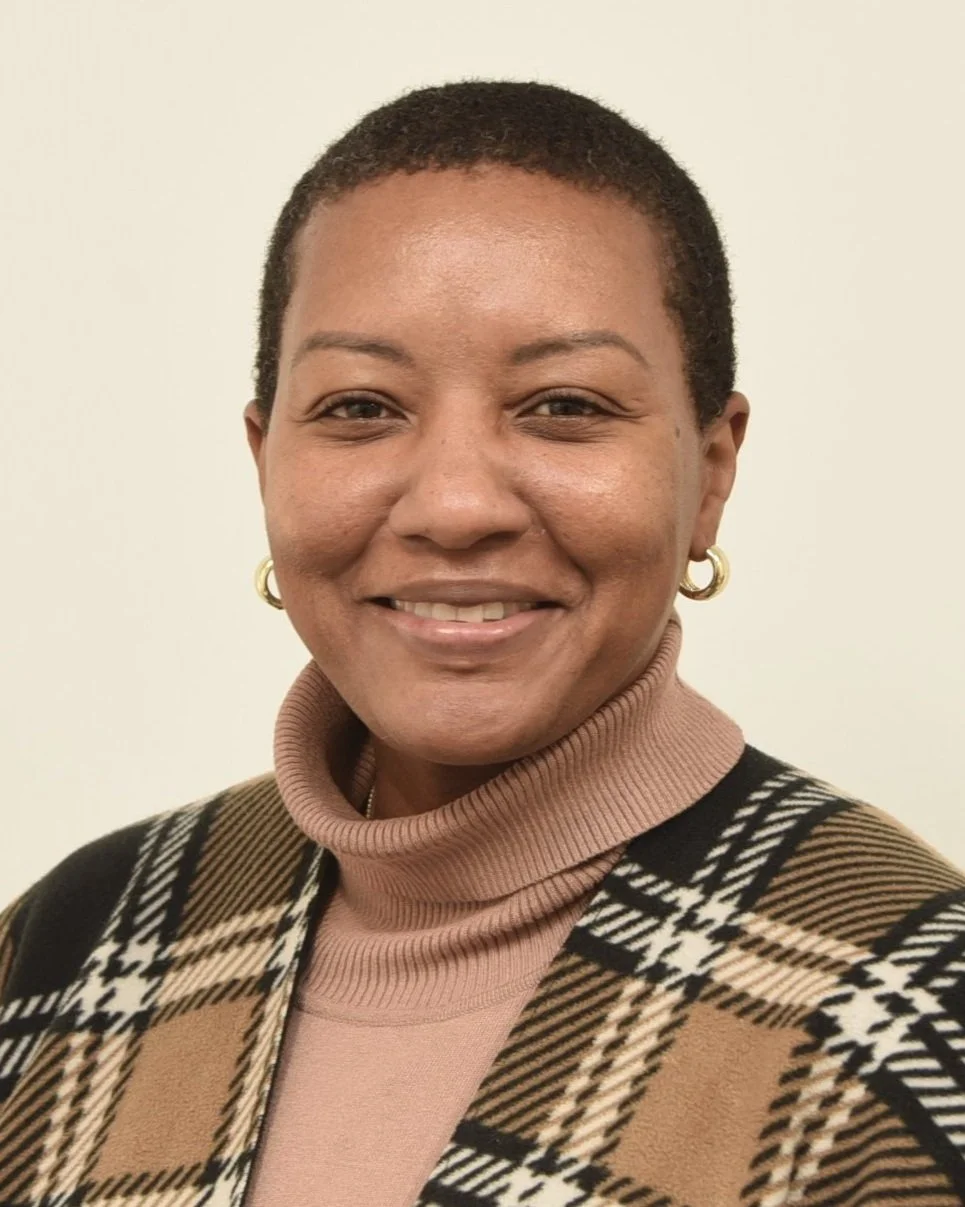
Maleeka Munroe (Photo contributed)
Munroe’s passion for medicine is rooted in culture, tradition and care.
It started in the kitchen, surrounded by the rich scent of herbs filling the air as her mother prepared a fresh pot of bush tea.
“It guided me in making our family’s ‘cure-all’,” she said. “Mom learned these remedies during her upbringing in Guyana where conventional medical care was expensive and often out of reach. Growing up, I was fascinated by the way my family relied on these traditions to care for one another. As I began to encounter the health-care system myself, I noticed the sharp contrasts between cultural practices and modern medical care. I found myself questioning how both could coexist and how the comfort of tradition might align with the clarity and structure of evidence-based medicine. These experiences sparked my curiosity about medicine not just as treatment, but as a bridge between different ways of understanding health.
“My passion grew from navigating this space of tension and connection. Each encounter with healthcare, whether watching how physicians brought calm during uncertainty or seeing opportunities to integrate cultural perspectives, reinforced my desire to enter the field. I saw how medicine could empower families, like mine, not only with treatment but also with trust and understanding.”
Medicine offers a vast array of specialties, and for many students, it takes time, exploration and self-discovery to determine where their passion and purpose truly align.
“One thing I know is that my career will be rooted in addressing health inequities for Black and other marginalized communities in Ontario,” said Munroe. “While working with the Ontario Renal Network, I saw firsthand the gaps in access to life-saving transplantation and kidney care for Black Ontarians. Similarly, through my Master’s thesis, I examined the alarming rates of Black maternal mortality, a critical yet under-recognized issue. These experiences have inspired my commitment to ensuring that the voices of marginalized patients are heard and amplified in healthcare. No matter which specialization I pursue, I aspire to provide compassionate patient care informed by culturally sensitive research and to work alongside community partners to create meaningful, patient-centred solutions that improve care and health outcomes for Black and other marginalized communities in Canada.”
Growing up in the very community where the new medical school is located holds special significance for Zaynashae Boreland, the eldest of four children.
It’s not just where her journey began, but where she hopes to give back and make a lasting impact as a future doctor.
“TMU’s commitment to serving this region, the place I proudly call home, was one of the main reasons I was drawn to the school,” said Boreland, a registered nurse with SickKids since 2023 and the recipient of the hospital’s 2025 New Graduate Nursing Award. “Being part of the inaugural class means that my classmates and I have the unique opportunity to shape the legacy of TMU’s medical school. We get to write the first chapter of its story and set the foundation for the impact it will have on the community for generations to come. I’m proud and excited to be a trendsetter for the first medical school in Peel region.”
Her passion for medicine is deeply rooted in the personal health challenges she faced growing up, inspiring her to turn adversity into a lifelong commitment to helping others.
Being born with a multicystic kidney meant Boreland spent much of her childhood in and out of hospital.
“From a young age, I knew I wanted to work in medicine once I began to understand why my mom and I were visiting SickKids so often,” said the first-generation Canadian born to Jamaican immigrants. “I admired the doctors and nurses for their knowledge, kindness and patience as they guided my family and me through this diagnosis. What ignited my path to medicine, however, was the realization that I rarely saw nurses or doctors who looked like me. Representation matters, and I knew I wanted to be the kind of physician that Black children could see themselves as someone who can inspire them to believe that a career in medicine is possible for them too.”
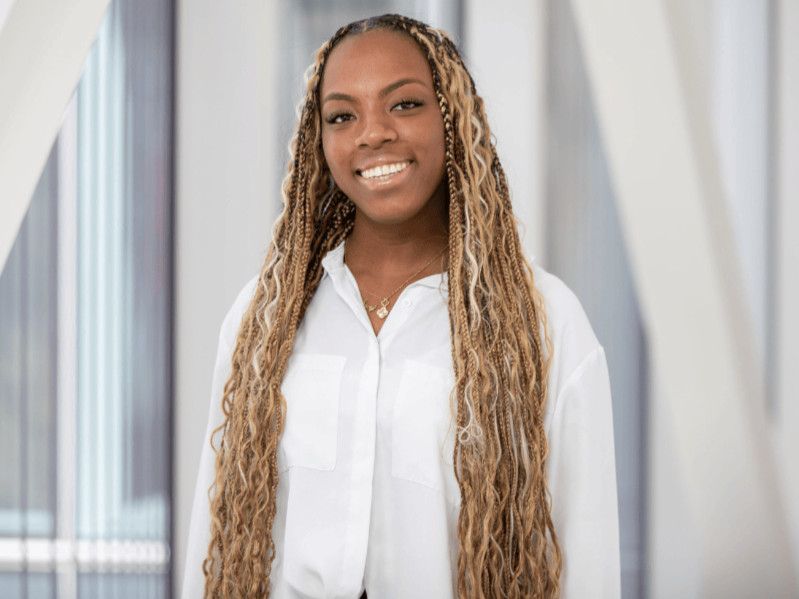
Zaynashae Boreland (Photo contributed)
Boreland holds a Bachelor of Arts degree from the University of Ottawa and a Bachelor of Science from the University of Toronto where she co-founded a chapter of the Canadian Black Nurses Alliance.
Founding Dean Dr. Teresa Chan said applicants for the four-year Doctor of Medicine program went through a rigorous admissions process.
“Those offered admission exemplified academic excellence, leadership, meaningful life experiences and a strong commitment to community health that is a defining aspect of TMU’s Medical School curriculum,” she said.
In March 2022, the provincial government announced that TMU would receive ministry-funded spaces for 94 Undergraduate Medical Education seats for medical students and 105 Postgraduate Medical Education seats for residents.
To fill the residency training seats, TMU participated in the Canadian Residency Match Service (CaRMS) process, receiving nearly 2,500 applications for the spots. Last Fall, the university recruited and matched 23 senior trainees for senior residency training.
“These folks will have completed at least two to three years of training as a resident physician elsewhere in North America, mainly Canada, and then will have applied and interviewed to join us here at TMU,” Chan, who is also the university’s Vice-President of Medical Affairs, noted. “In the Spring of 2025, we were part of the CaRMS R-1 match process for students in their first year of residency. This year, we were the only school in Canada to fill our residency spots in the first round of the match, a testament to how excited learners were to rank us highly and join us in building this medical school.”
As the healthcare system rapidly evolves, she said the School of Medicine is committed to preparing future physicians with cutting-edge training.
“Our curriculum integrates emerging technologies, including AI and precision medicine and emphasizes real-world experience through clinics in the on-site Integrated Health Centre,” Chan said. “Learners will also train in high-fidelity simulation labs and state-of-the-art anatomy facilities that combine digital and traditional models. In addition, they will be introduced to technologies that reduce administrative burdens, equipping them to thrive in a tech-enabled patient-centred health system.”
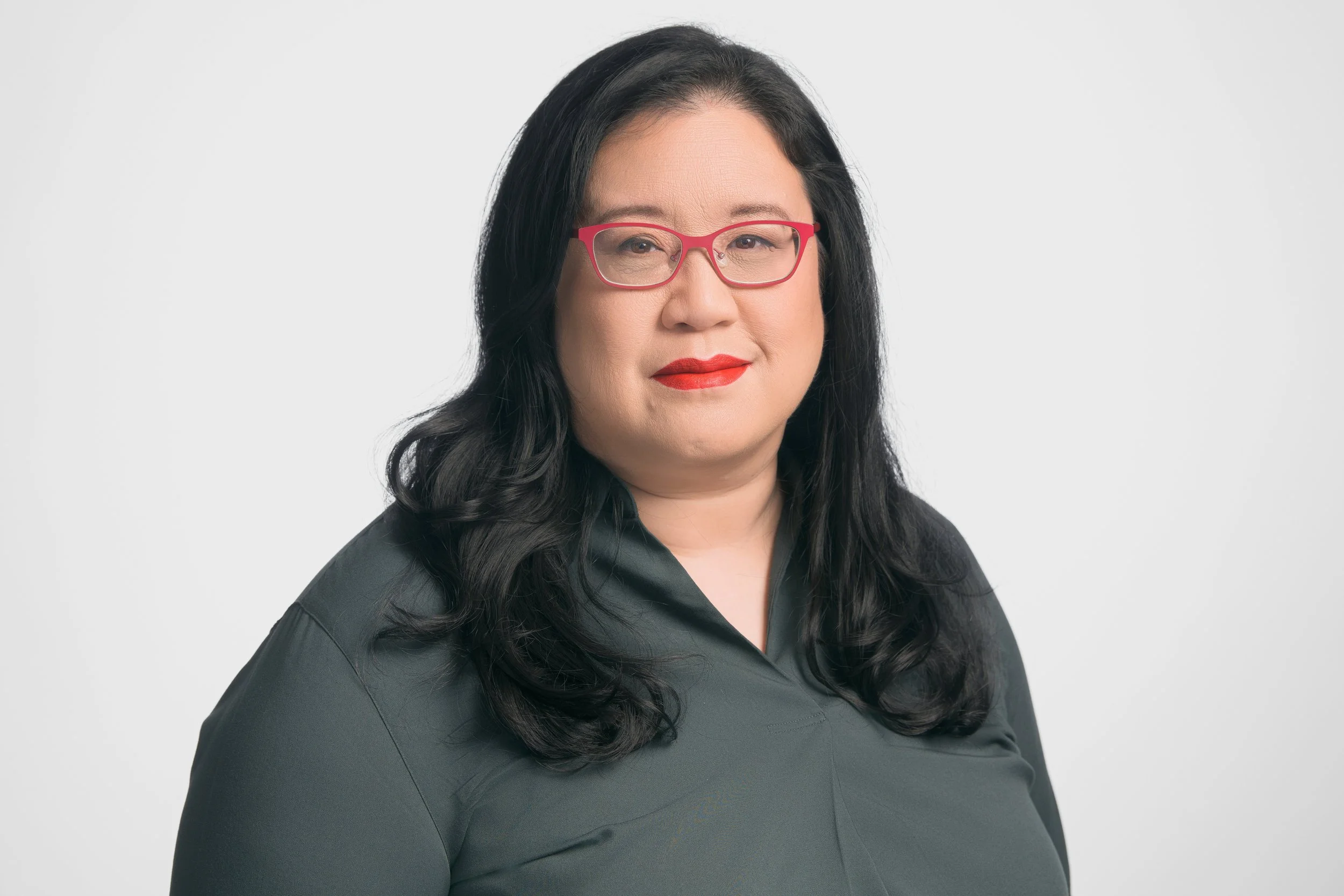
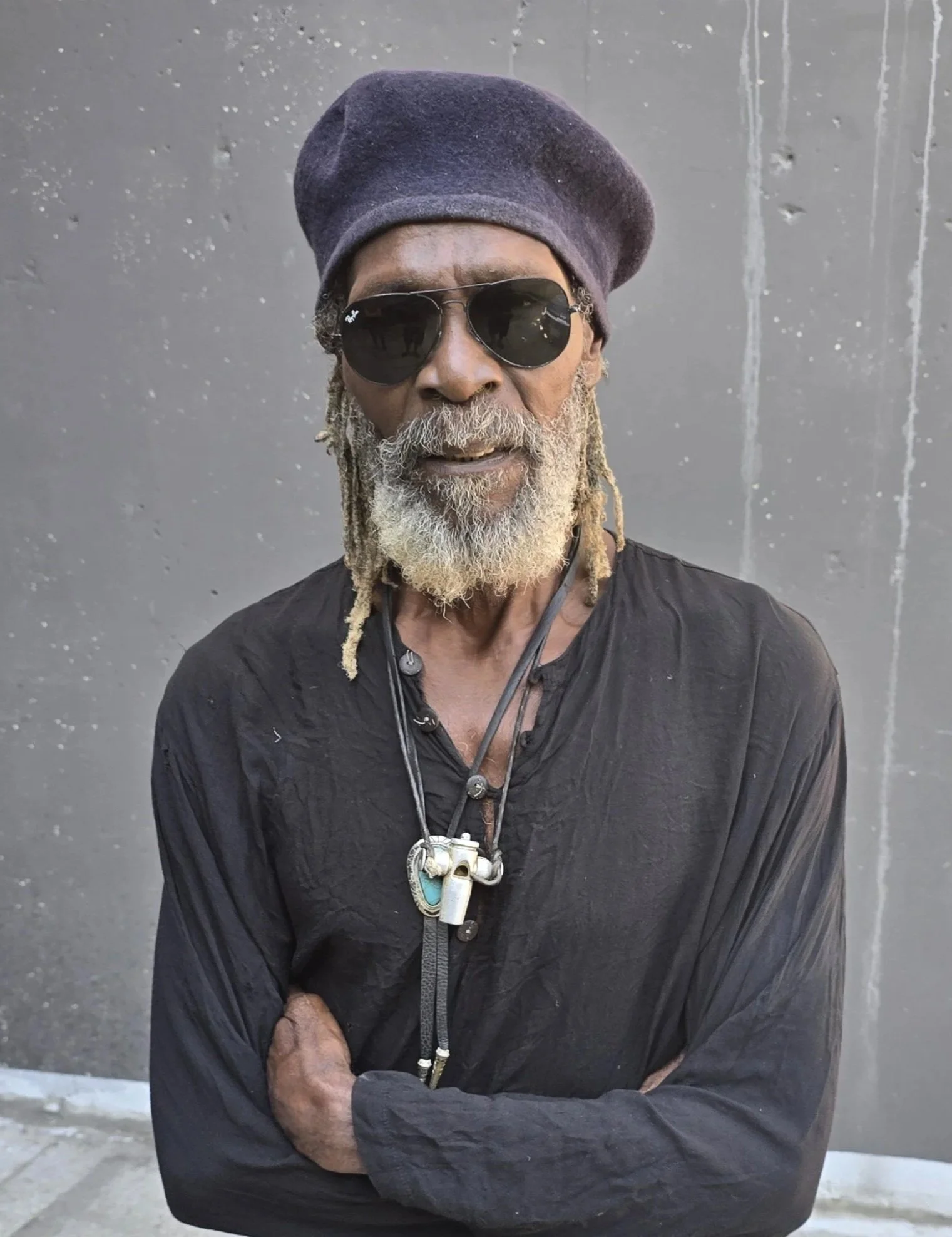
Dr. Teresa Chan (Photo contributed)
Beyond technology, the former McMaster Education, Research, Innovation & Theory Clinical Scientist said a critical facet for health systems improvement is an acute understanding of the current state of healthcare in Canada.
“Our graduates will be empowered with critical knowledge about the systems that allow healthcare to exist,” the educational leader and scientist pointed out. “From funding to team dynamics and from quality improvement measures to leadership and change management, these core concepts are built into the curriculum to prepare our medical students as the healthcare leaders of tomorrow.”
No other institution has launched a medical school and over a dozen residency programs at the same time.
“Two years ago when I started as founding dean, this was the goal we set forth to accomplish and we have,” said Chan. “A new era in medical education is dawning in Canada, thanks to our passionate and determined founding team that includes Interim Assistant Dean for Primary Care Education Dr. Jobin Varughese and my predecessor Dr. Andrew Padmos whose early leadership set the foundation for a medical school that is set to shape the future of healthcare. This exceptional group has poured their collective expertise and unwavering commitment into building a school that promises to redefine healthcare for communities in underserved areas by challenging the very foundations of traditional medical education.”
A name synonymous with advocacy for Blacks and Indigenous people in health sciences and designing initiatives that are responsive and inclusive to the cultural values, historical experiences and current needs of diverse Black populations is Dr. Dominick Shelton.
He co-founded the Summer Mentorship Program for Black and Indigenous Students at the University of Toronto in 1994 and TAIBU Community Health Centre in 2008 which provides quality and culturally appropriate primary health care and related services to Black communities in the Greater Toronto Area as its priority population, and Malvern residents.
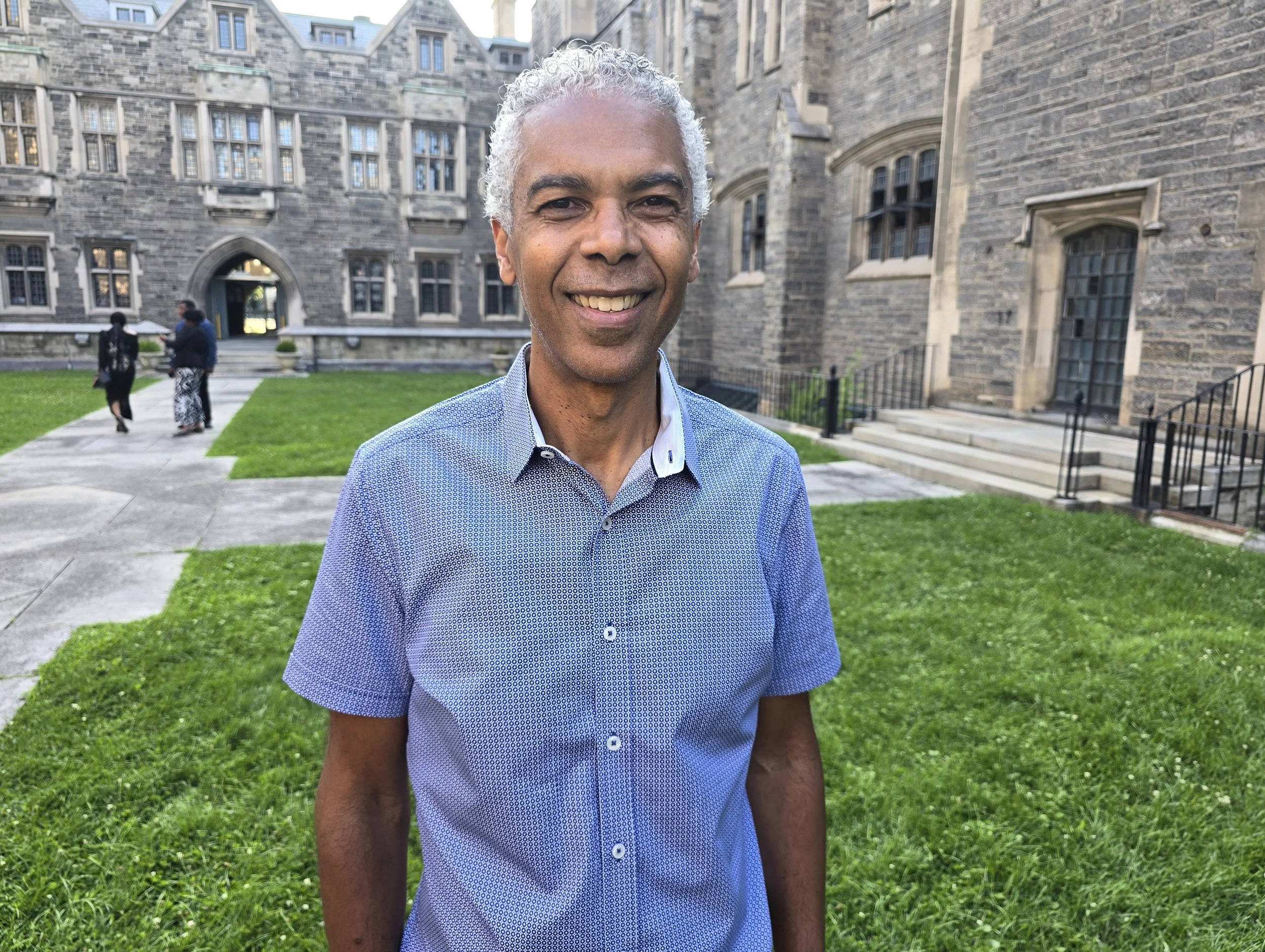
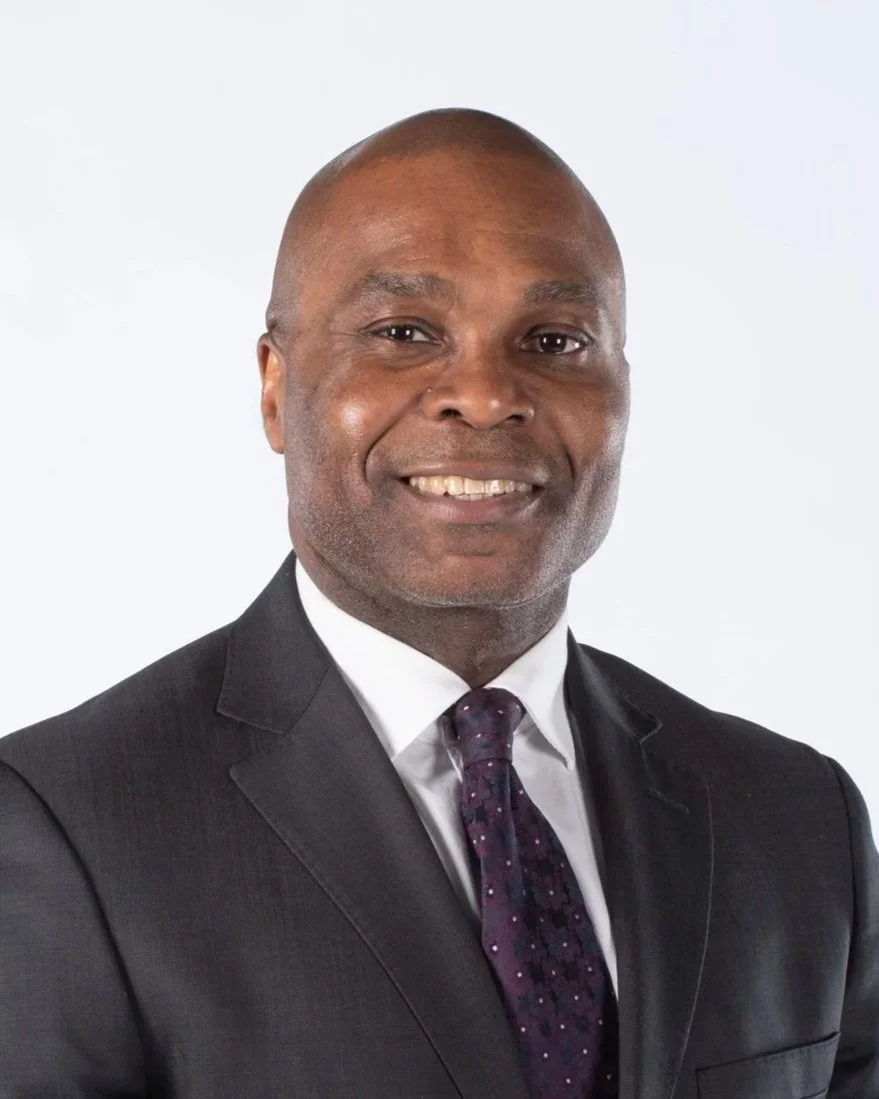
Dr. Dominick Shelton (Photo by Ron Fanfair)
Accepting the position as Interim Assistant Dean, Recruitment & Admissions, said Shelton, is a culmination of his professional and community advocacy roles.
He leads the establishment of the holistic admissions selection process, including oversight of the various steps that shortlist applicants. He also ensures that the founding principles of equity and diversity are reflected in the selection process while guaranteeing that the medical school is selecting students with high academic achievement.
“Having worked at a teaching hospital for over 30 years as an academic emergency physician, I felt prepared to be part of this huge undertaking of establishing a new medical school,” the Sunnybrook Health Sciences Centre physician said. “The cherry on top for me is that the school is located in Brampton which is where I grew up. I now have the opportunity to give back to the community that gave me so much. I recall reading the job posting and feeling like it spoke to me in so many ways.”
With its vibrant diversity, rapid growth and pressing need for improved access to primary care, Shelton said Brampton is the perfect fit for the new medical school.
“The Brampton Civic Centre was strategically chosen for its central location because it is close to Brampton Civic and Peel Memorial hospitals and there are accessible transit options,” the two-time Harry Jerome Award winner said. “Brampton residents have long called for more family doctors, particularly those who reflect the community’s cultural and linguistic diversity. By embedding the medical school in Brampton, we are building healthcare capacity where it is needed most while affirming our commitment to community-rooted inclusive care. The aim is to prepare future-oriented physicians who take a holistic approach to healthcare and act as leaders in health system transformation.”
Diversity in medicine is critical, not just as a matter of equity, but as a direct factor in improving health outcomes, patient trust and the healthcare system’s effectiveness.
Shelton said TMU’s School of Medicine students will reflect the diversity of the communities they will serve, help address physician shortages in under-resourced regions and improve access to care.
“Ontarians are seeking doctors who understand their languages, cultures and faiths,” he pointed out. “Studies have shown that patients have better healthcare experiences and outcomes when they have access to and support from medical professionals who understand their own communities and cultures and who speak their language. Our curriculum is community-informed, evidence-based and purposefully designed with equity, reconciliation and social accountability at its core. Grounded in cultural humility and patient-centred care, TMU graduates will be clinically skilled and deeply attuned to the social determinants of health. We want to prepare students to meet the needs of a diverse population with compassion and competence.”
Driven by a passion for health justice, Dr. Trudy McFarlane works to ensure that underrepresented voices are seen, heard and valued in medicine.
As Associate Dean, Black Flourishing and Medicine & Healthcare, she is responsible for ensuring that Black health is meaningfully integrated into the new school’s curriculum, admissions processes and engagement with community partners.
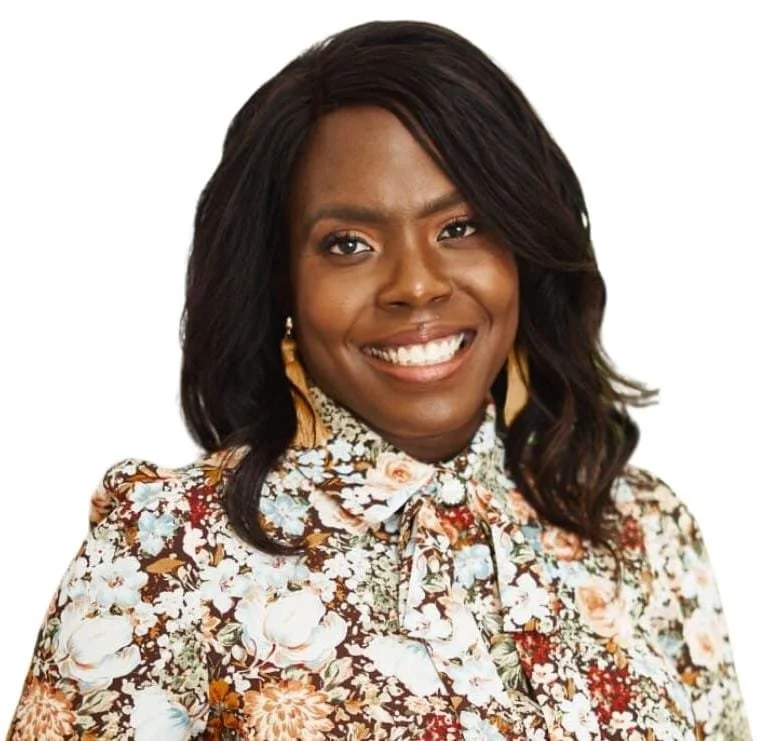
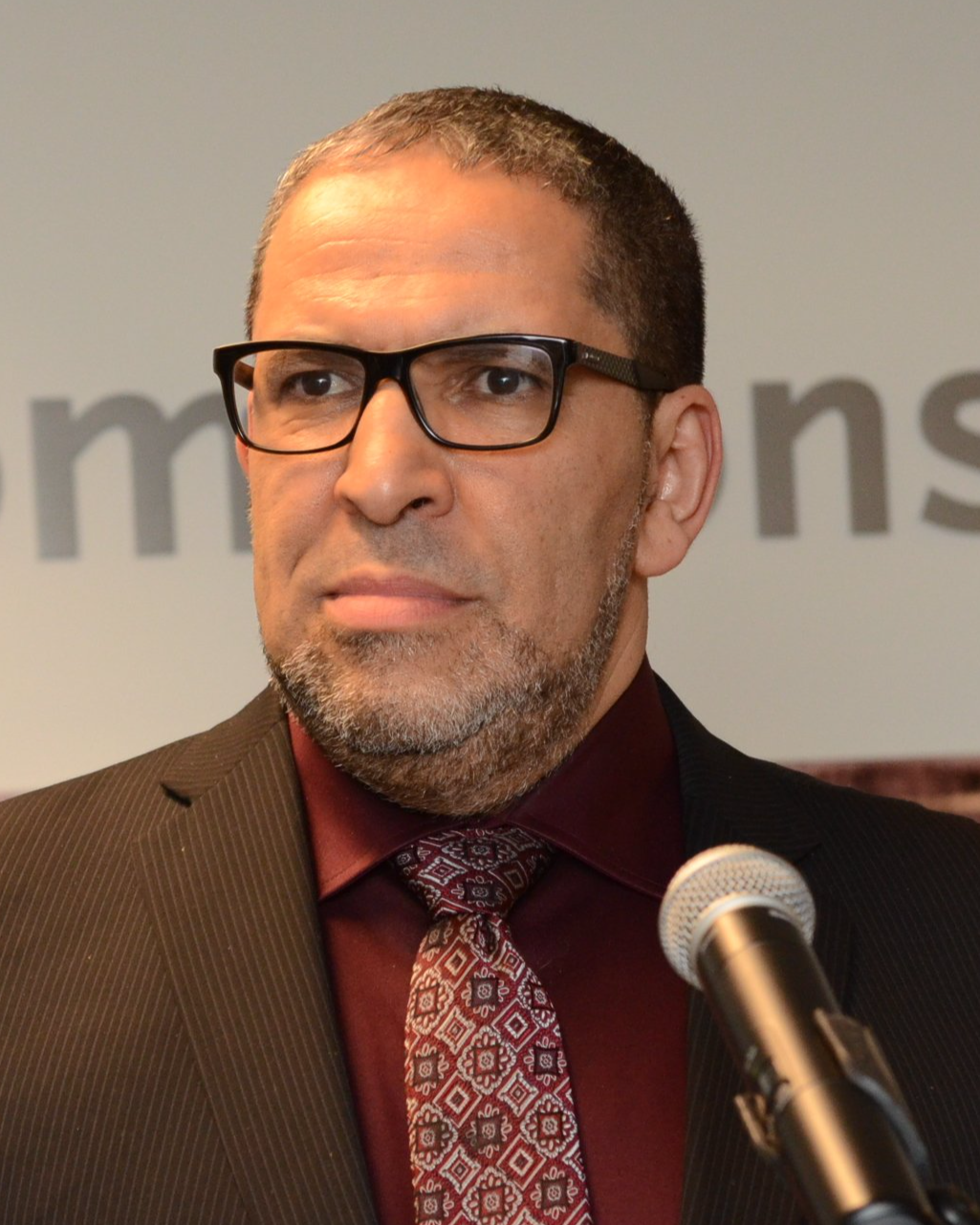
Dr. Trudy McFarlane (Photo contributed)
“I play a pivotal role in advancing the School of Medicine’s Equity, Diversity and Inclusion and decolonization plan, providing guidance and leadership across a wide spectrum of clinical faculty and learner support, Black health initiatives and community engagement,” said McFarlane who completed her residency training at Dalhousie University in 2016 and co-founded the Black Physicians of Nova Scotia.
“Additionally, I serve as an ex officio member of the School of Medicine Council, collaborating independently and in partnership with other Associate Deans and clinical faculty leads with the Community, Culture & Belonging (CCB) section and across the School of Medicine. To further demonstrate our commitment to equity, diversity and inclusion, specifically Black health and addressing anti-Black racism, we have also established a Black Communities Committee which is an advisory committee that includes internal and external interest-holders, ensuring broad engagement and accountability.”
The TMU School of Medicine has partnered with the Peel District School Board (PDSB) through ‘The Future of Healthcare Program’ which is an initiative designed to increase representation from equity-deserving groups in the healthcare sector.
The collaboration offers PDSB students university-level learning experiences and exposure to healthcare fields, including courses and pathway programs with the goal of fostering a more diverse and inclusive healthcare workforce.
“The goal is to build inclusive pathways into healthcare, especially for students from communities that have historically faced systemic barriers to higher education and professional fields like medicine,” said McFarlane. “By increasing access, representation and mentorship, we are not only telling students ‘You belong here’, but we are also helping shape a future healthcare system that better reflects and serves the communities it supports. There is ample evidence that access to financial and social capital plays a significant role in shaping student opportunities. Seeing a diverse healthcare professional allows students from underrepresented communities to envision themselves in these fields.”
Growing up as the eldest of five children, she naturally stepped into the role of a caregiver, often looking after her siblings and taking on responsibilities from a young age.
However, it was McFarlane’s experience with her family doctor that cemented her decision to become a physician.
“My passion for healthcare is anchored in the urgent need for equity in this field, particularly when it comes to improving access and quality of care for underserved communities,” she pointed out. “This work is deeply personal for me as I have witnessed the toll of inequity firsthand, whether this was from race-based corrections in clinical algorithms that led to delayed care for my father, community members and patients to the racism and inequities I experienced during my training and practice as a family physician in Canada.”
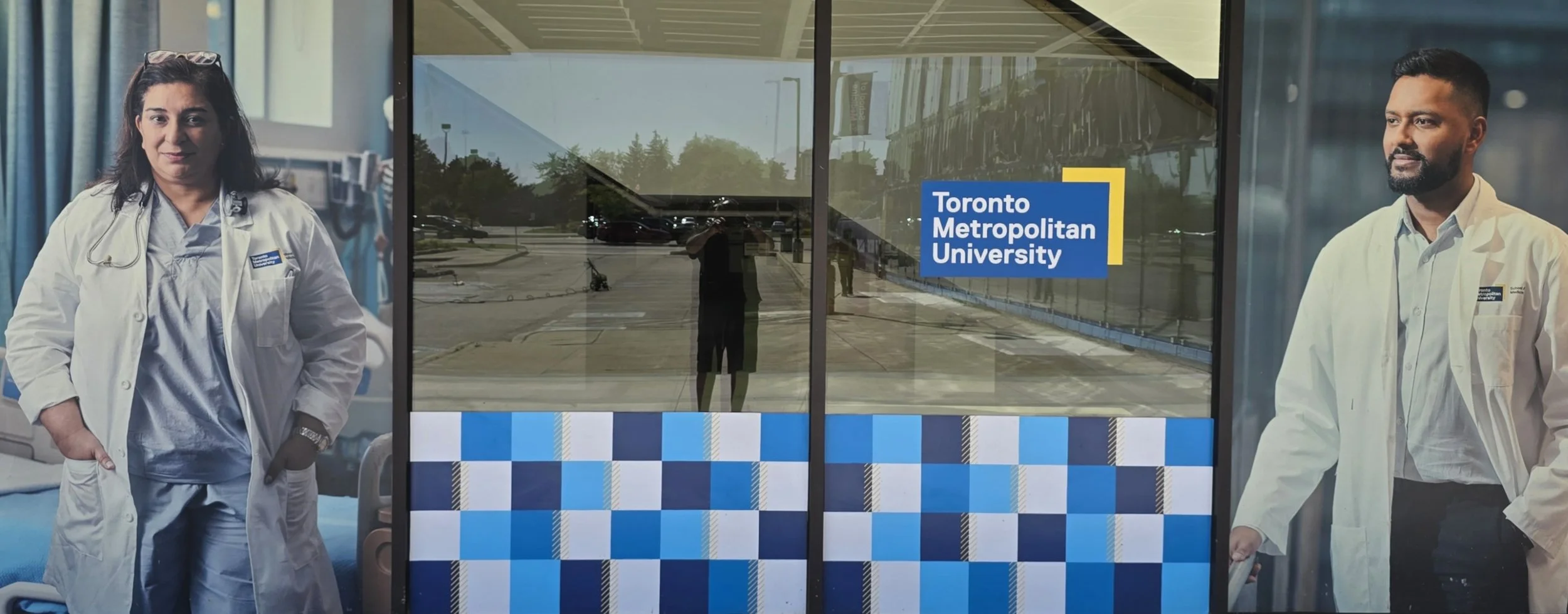
TMU School of Medicine is Canada’s 18th medical school