George Brown is first college to host Canada’s largest academic congress
May 31, 2025
For 94 years, Canada’s largest academic gathering has convened for a week in cities across the federated nation to share findings, refine ideas and build partnerships that help shape the country.
Never before has a college hosted the Congress of Humanities and Social Sciences until now.
George Brown College (GBC) stepped up to the plate, partnering with the Federation for the Humanities and Social Sciences for this year’s ground-breaking Congress that challenges over 7,000 delegates to model togetherness by questioning traditional knowledge hierarchies and collaborating on fundamental and applied research solutions for humanity’s historically rooted problems.
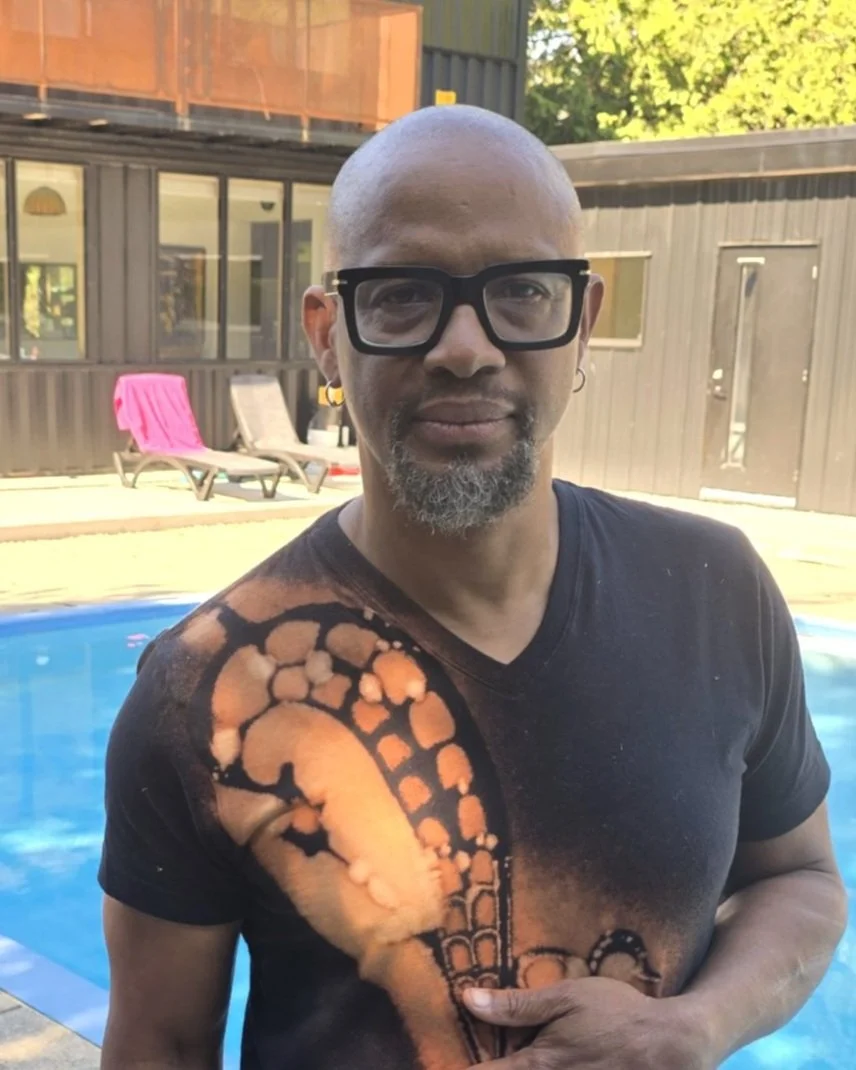
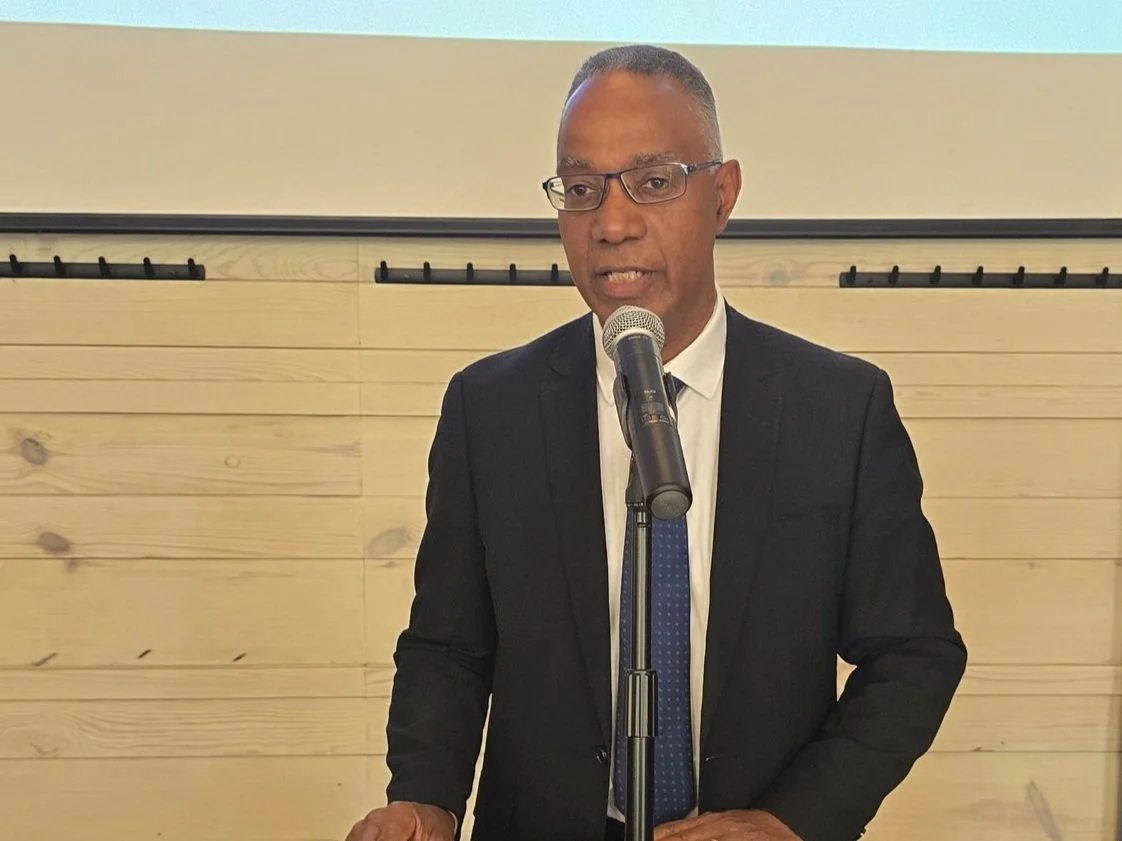
“We are at an interesting pivotal point as humanity,” noted GBC’s President Dr. Gervan Fearon at a reception on May 30 to kick off this year’s Congress. “Never before did we ever feel that we had tools that could compete with the IQ of a human. When we start thinking through where science is, we recognize that it is the humanities of social sciences that put all that we do in a frame that makes sense to us to live together.”
The conference theme is ‘Reframing togetherness’.
Fearon stated that it is an important and timely theme, highlighting the shifting ways people connect, support one another and build community in today’s world.
“We live in a world of incredible challenges, but I don’t think that we should eclipse the set of opportunities that are there,” he pointed out. “Through that, reframing togetherness means how do we as individuals come together to start thinking about how we meet some of the challenges, but equally how we see some of the opportunities.”
With formal academic collaborations that allow students, faculty and institutions to benefit from shared resources and opportunities becoming more prevalent, Fearon said the partners share a mission of contributing to humanity.
“As a result, this amazing event that the federation has been willing to go across with really demonstrates the opportunity for us to work together and make a significant contribution to not only scholarship and the academic pursuits of individuals, but indeed society,” the Canada-Caribbean Institute co-founder added.
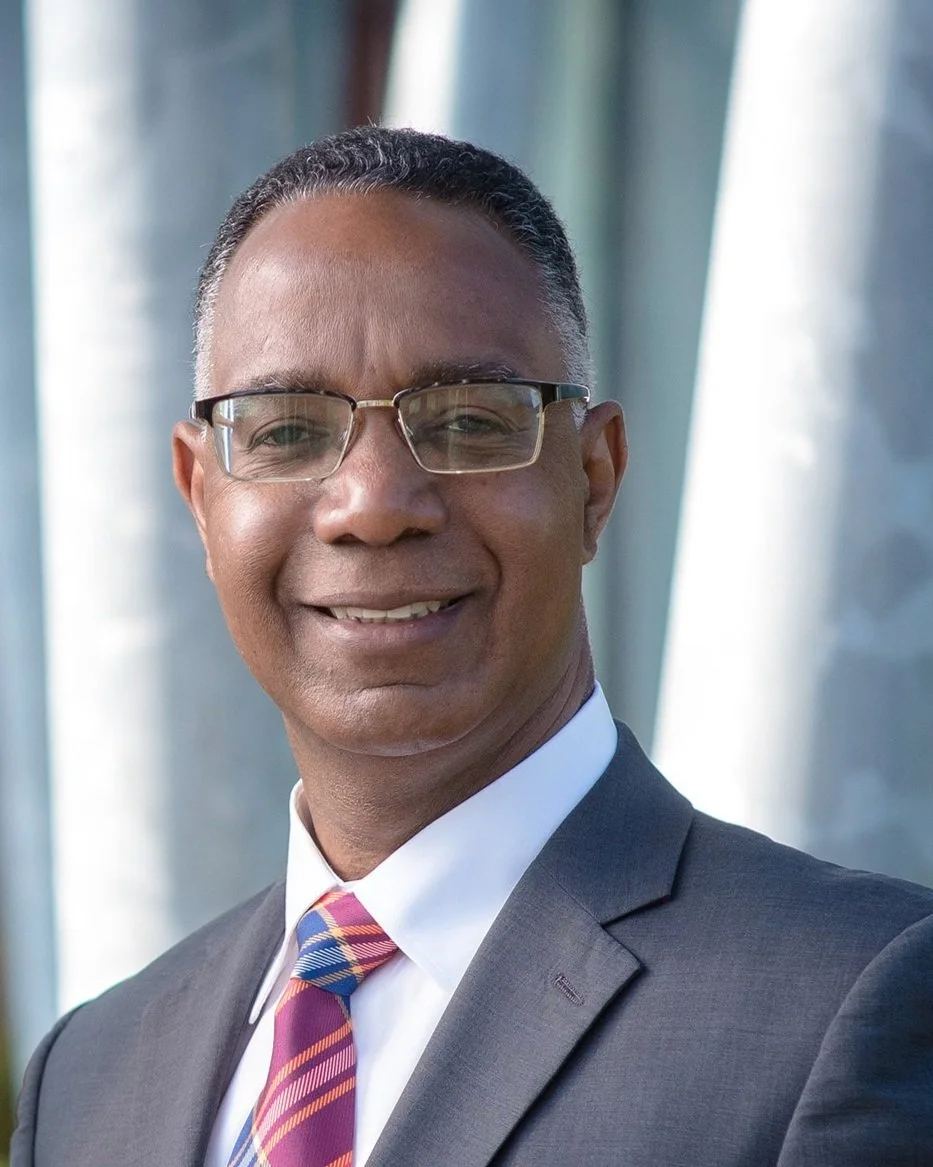
Federation for the Humanities and Social Sciences President & Chief Executive Officer Karine Morin praised Fearon and his team for partnering with the federation to break the barrier and start a new chapter in academic discourse.
“That is ground-breaking, that is history-making and that is opening up a bright new future for the Federation for Humanities and Social Sciences,” she said. “This milestone reflects the importance of building stronger connections across institutions and our communities. We need those connections more than ever…Welcoming thousands of attendees across two campuses in a large bustling city is no small undertaking. We are so grateful for everything you have done to make this possible. Hospitality is clearly a strength of George Brown College, but so is audacity.”
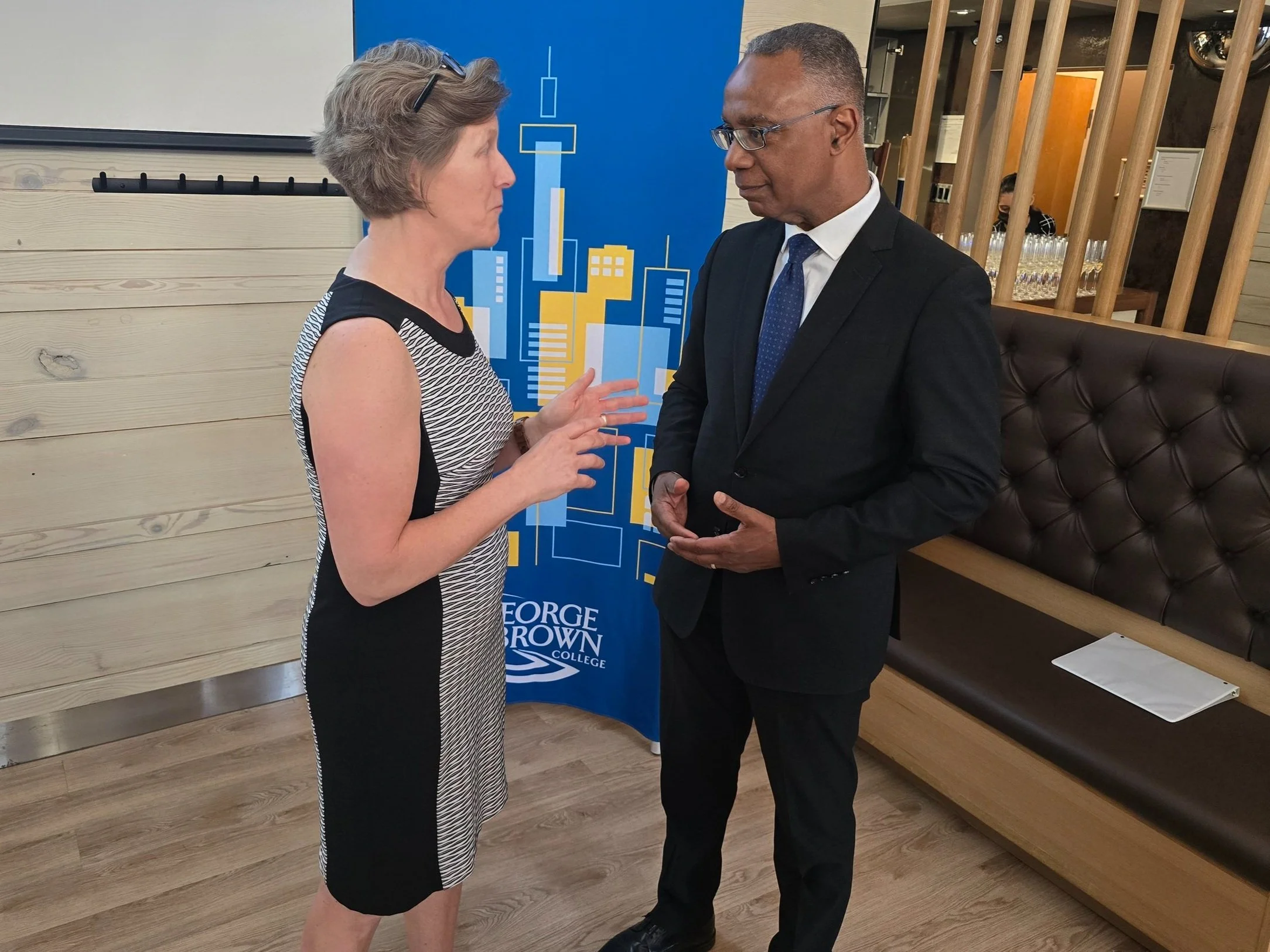
Dr. Gervan Fearon and Federation for the Humanities and Social Sciences President & Chief Executive Officer Karine Morin in discussion (Photo by Ron Fanfair)
The federation comprises over 160 universities, colleges and scholarly associations, representing a diverse community of 91,000 researchers and graduate students across Canada.
“You are the reason Congress exist,” said Morin, a former Natural Sciences & Engineering Research Council of Canada director. “Your commitment to bringing members together to advance scholarship, to present research and to engage in dialogue is what gives Congress its shape and purpose. It is a complicated time for higher education. There are significant pressures on programs and funding and there is an increasing lack of public trust. What goes on here deeply matters.
“…The work of teaching, researching, debating and listening is challenging, but we can advocate. That is how we make sense of change and turmoil. This is how we can progress. Society needs more of it, not less. That is why I am so pleased with this year’s theme that invites us to look at how we connect, how we collaborate and how we move things through uncertainty, not alone, but in dialogue, in collaboration and solidarity.”
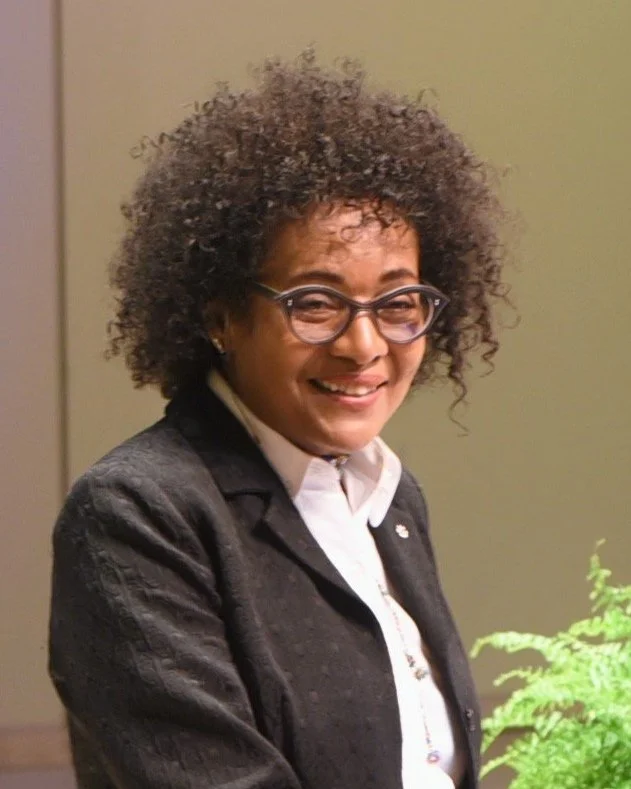
GBC English professor Dr. Margrit Talpalaru is Congress 2025 Academic Convenor.
“It has been a whole year of stretching our imagination to envisage what the largest academic gathering hosted for the first time at a college would look like,” she said. “Everybody enthusiastically participated in consultation for the theme in organizing programming that illustrates what trades and college learning looks like at George Brown and ensuring all of the logistical details are in place.
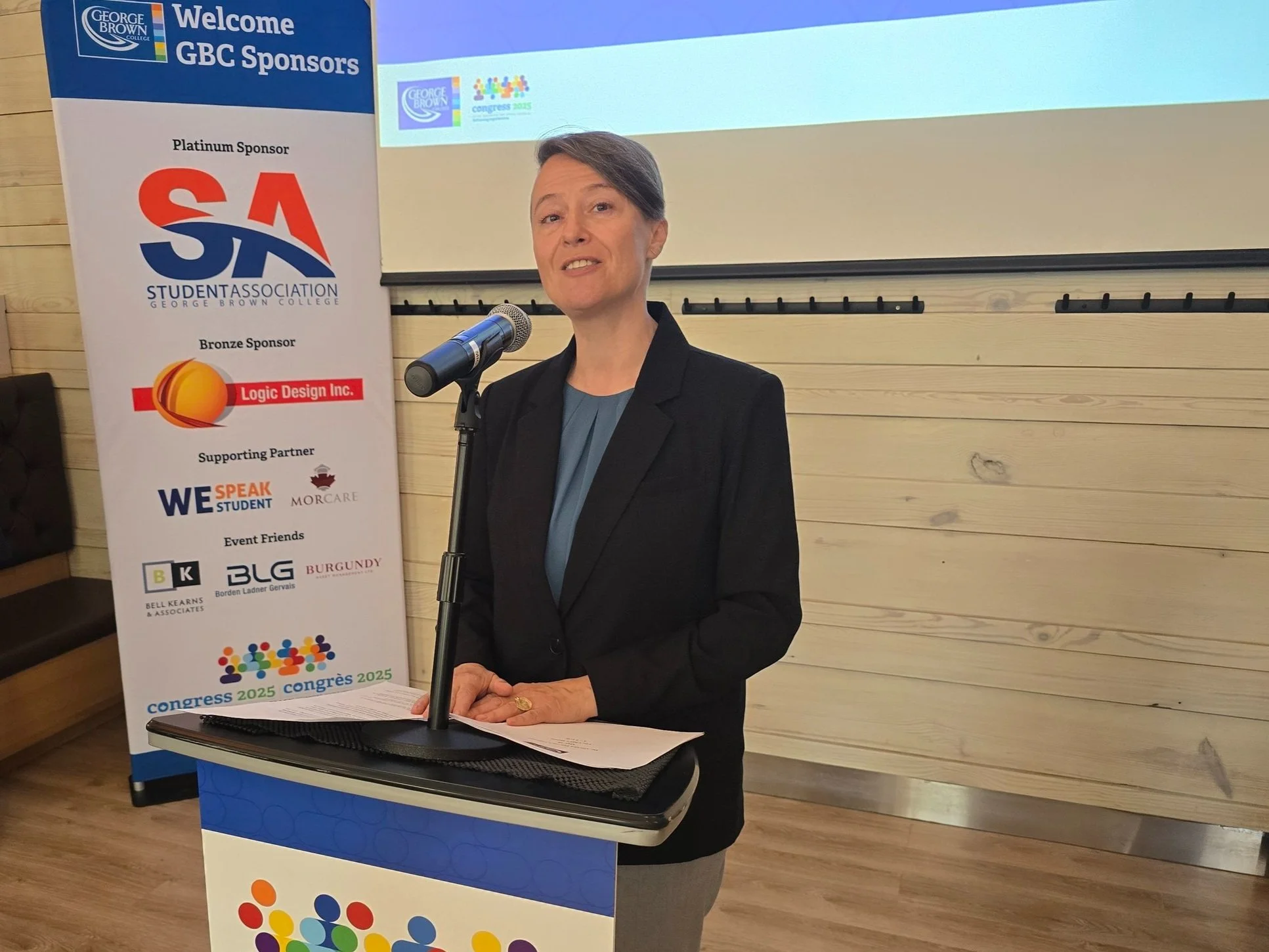
Dr. Margrit Talpalaru (Photo by Ron Fanfair)
“We hope that these eight days of Congress will enable participants to take up the challenge in the theme which is stepping outside of disciplinary silos, of enriching our scholarly methodologies in new ways. We have a lot of problems to counteract in the world today and the humanities and social sciences are best positioned to bridge the chasm of polarization in our world to show the path forward with evolving technologies and ultimately help guide humanity away from the brink of ecological disaster.”
Central to Congress 2025 is acknowledgment of and partnership with the Mississaugas of the Credit First Nation on whose traditional territory the events are taking place.
Daniel Secord from the Mississauga Nation (Nishinaabek), The Three Fires Confederacy, offered a blessing at the opening ceremony and Chief Claire Sault provided remarks.
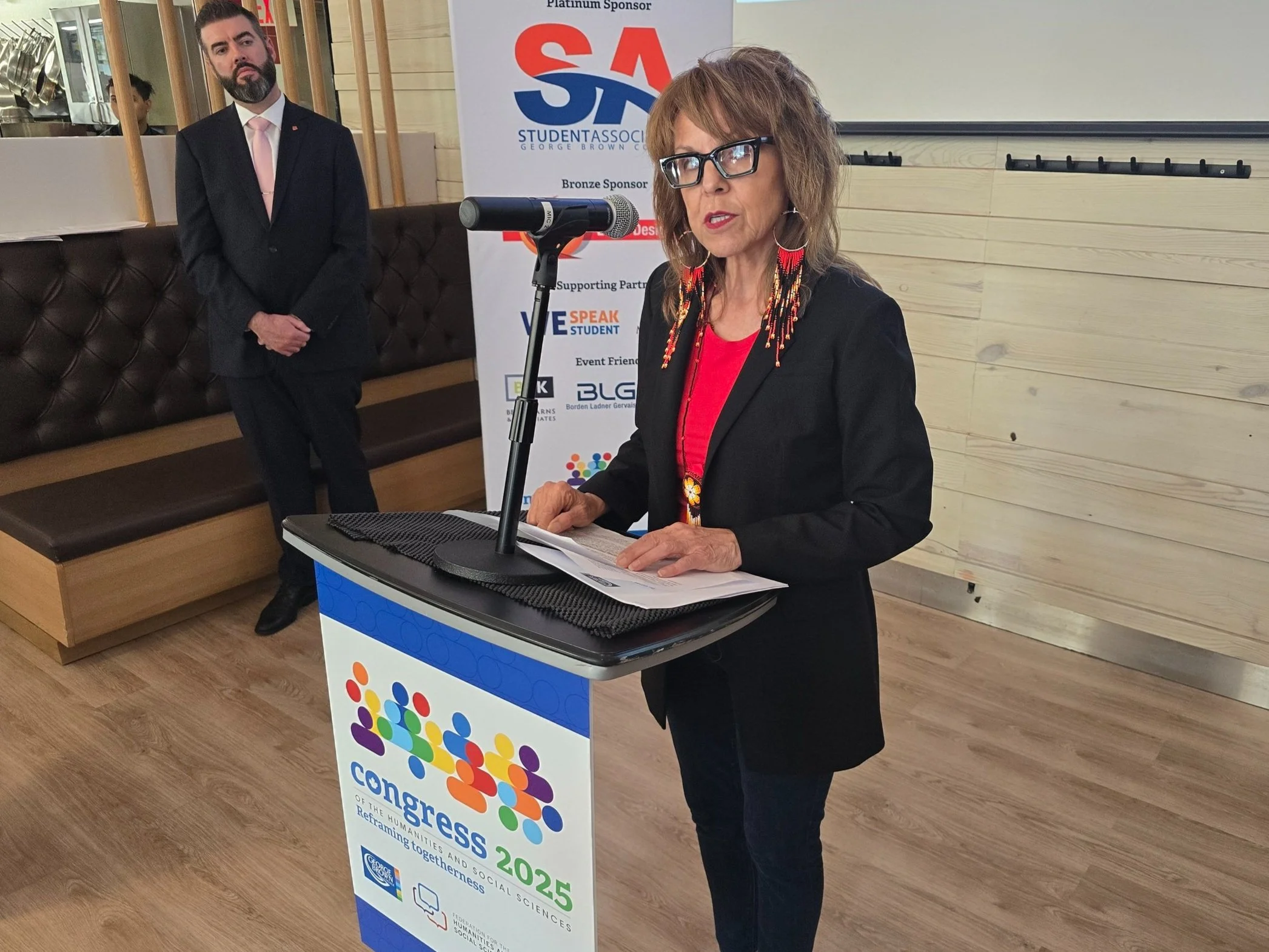
Claire Sault (Photo by Ron Fanfair)
“We have so much going on in the world right now that it is forcing us to shift our thinking,” she said. “So, we need our academic community more than ever to strengthen that foundation. We all need a foundation of understanding and the humanities provide that for us to maneuver in this world…The foundation for us as First Nations lies in recognizing our rich and diverse history, cultures and systems of knowledge. It involves understanding our unique relationship with the land, our traditional ways of knowing and enduring the impact of colonization and assimilation.”
Aligned with GBC’s commitment as an original signatory of the Scarborough Charter on Anti-Black racism and Black inclusion in Higher Education, Congress 2025 features programming centred on Black scholarship and community.
“Congress is a pivotal opportunity for GBC to centre Black intellectual traditions, applied practices and community-rooted frameworks that have been historically excluded from academic spaces,” said Mary Ola who is the college’s Black Future Initiatives senior manager. “We are not just creating network opportunities. We are cultivating spaces for collective action and community-led change that challenge institutional norms and create new pathways for Black flourishing.”
With the Congress being held during Pride Month, GBC design students created bilingual or blank pronoun stickers that were presented to attendees.
On the same day of the opening ceremony, the college hosted the 2025 Research, Innovation & Entrepreneurial Showcase presented in partnership with startGBC and the Office of Research and Innovation.
This signature annual event celebrated the innovative spirit of GBC’s students, alumni, faculty and partners by showcasing cutting-edge projects, entrepreneurial ventures and collaborative research and innovation projects.
The Office of Research and Innovation was established 18 years ago.
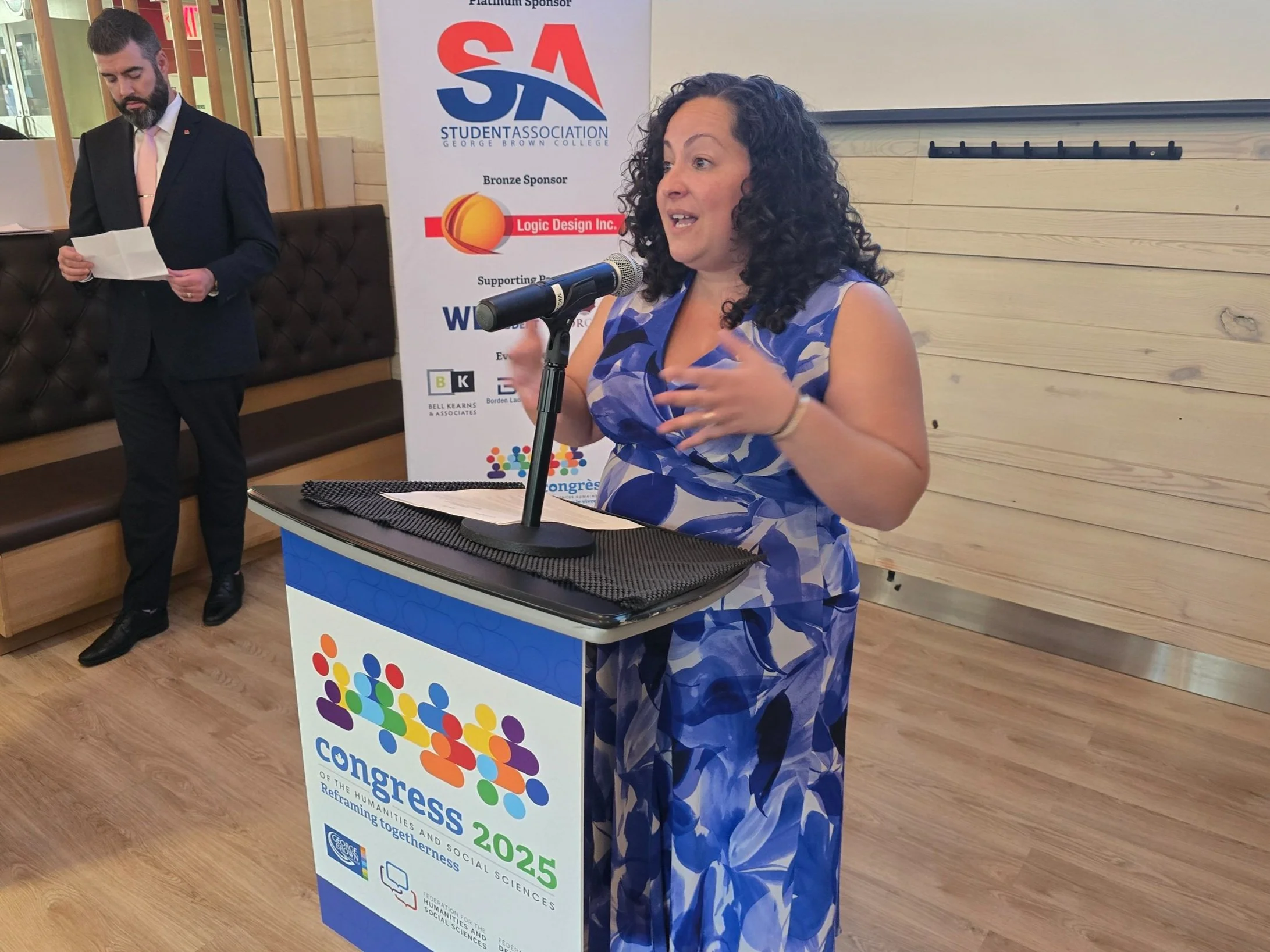
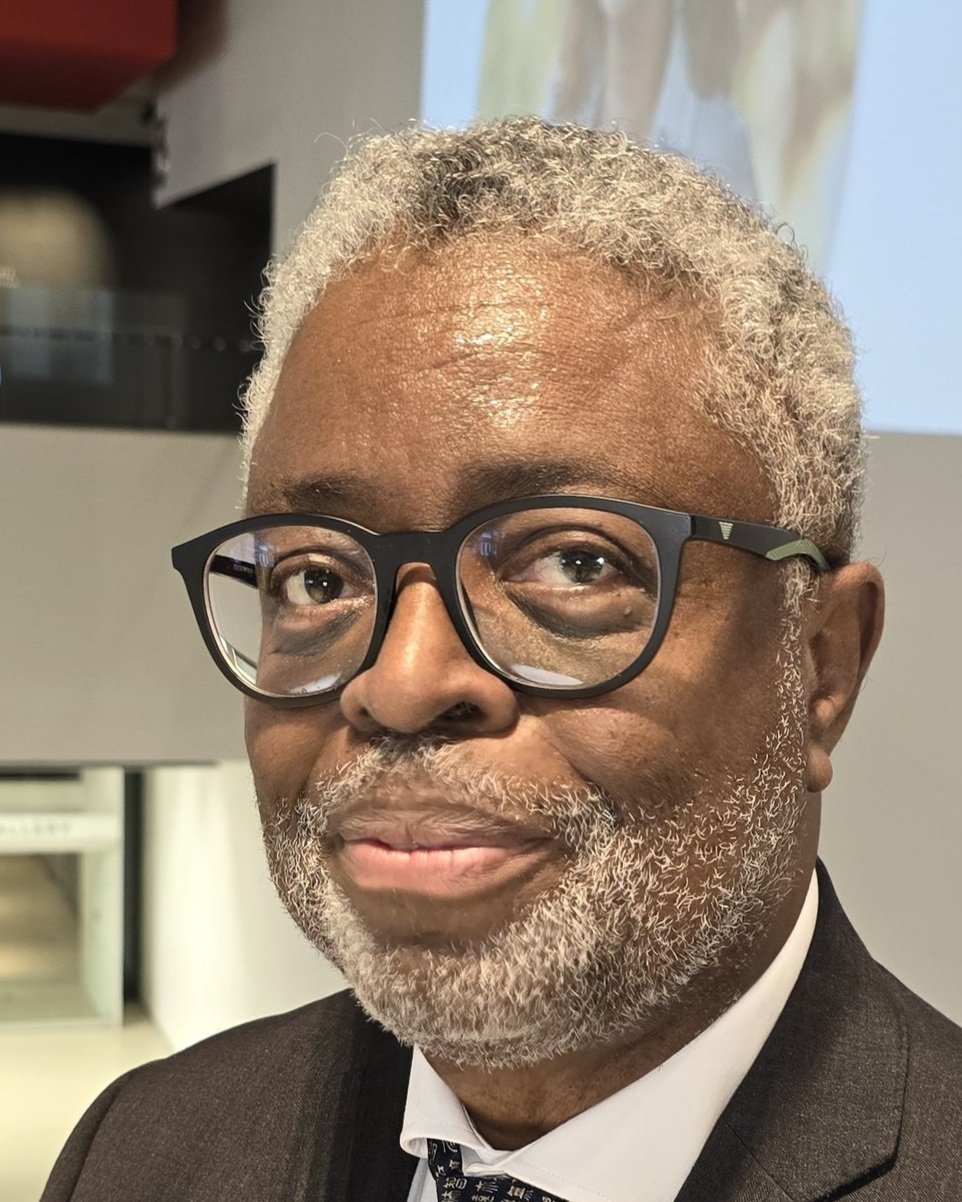
Dr. Krista Holmes (Photo by Ron Fanfair)
“Since that time, we have grown into a driving hub of discovery and collaboration,” said Dr. Krista Holmes, Associate Vice-President of Research & Innovation. “Since 2007, we have secured over $110 million in research funding, engaged 1,593 researchers on 23,000 projects with 2,146 industry and community partners. Most importantly, we have enabled 19,235 student research experiences.”
Colleges are increasingly becoming major players in higher education, providing a broader range of programs and serving a wider population of students.
GBC offers over 200 certificate, diploma and degree programs and 182 continuing education certificates/designations across a variety of professions to more than 30,000 full-time students and receives more than 53,900 continuing education registrations annually.
The leading publicly accredited college in Canada’s economic and cultural hub embraces Universal Design for Learning to bolster its collective pedagogies and actively cultivates collaborations and partnerships to enrich its educational offerings and support student success in and out of the institution.
Last April, GBC announced a ground-breaking collaboration agreement with the Royal Canadian Navy, establishing new pair work-integrated learning opportunities for GBC students through service with the Navy while building new structured pathways for veterans to transition into the college’s renowned culinary programs.
GBC and Niagara College collaborate on the Trillium Cellars Project, a joint initiative focusing on student-made wine and culinary products. This partnership leverages Niagara College's Teaching Winery and culinary expertise and GBC’s Centre for Hospitality and Culinary Arts, creating experiential learning opportunities for students in both institutions.
Three years ago, GBC became the first Canadian institution of higher learning to collaborate with a global academic centre focused on travel industry crises and resilience.
Fearon and Jamaica’s Tourism Minister Edmund Bartlett, who co-founded the Global Tourism Resilience & Crisis Management Centre (GTRCMC) based at the University of the West Indies Mona Campus, signed a Memorandum of Understanding (MOU) at the Jamaican Canadian Association (JCA) Centre.
As a key component of the partnership, GBC set up a satellite centre in Toronto focused on research and development, policy advocacy and communication management, program/project design and management and training and capacity building in various areas.
In the last 18 months, the college also signed Memorandums of Understanding with Barbados’ Ministry of Education, Training & Vocational Training and Antigua & Barbuda’s Ministry of Education, Sports & Creative Industries to enhance technical and vocational training.
This is the last time that the annual Congress of Humanities and Social Sciences is held in the current format.
Next year’s event will be held virtually and there are plans for a scaled-down in-person event.
“We recognize that this approach, particularly the virtual-only conferencing option and the timing of this announcement, is less than ideal,” said Morin. “However, this situation reinforces what we have all been observing: the Congress model is entering a necessary period of evolution. As part of the Federation’s strategic planning over the next several months, we will be asking difficult questions about the purpose of Congress and how it is delivered.
“This will include reassessing the host partnership model alongside virtual formats and examining delivery options that alleviate cost pressures and environmental impact while ensuring that scholarly exchange remains accessible and meaningful. We will also explore alternative future-focused models of collaboration, convening and community-building. Your input will be vital to this process, and we will hold a town hall meeting this month to discuss the formation of a ‘Reimagining Congress Task Force’ and the upcoming plans for 2026.”