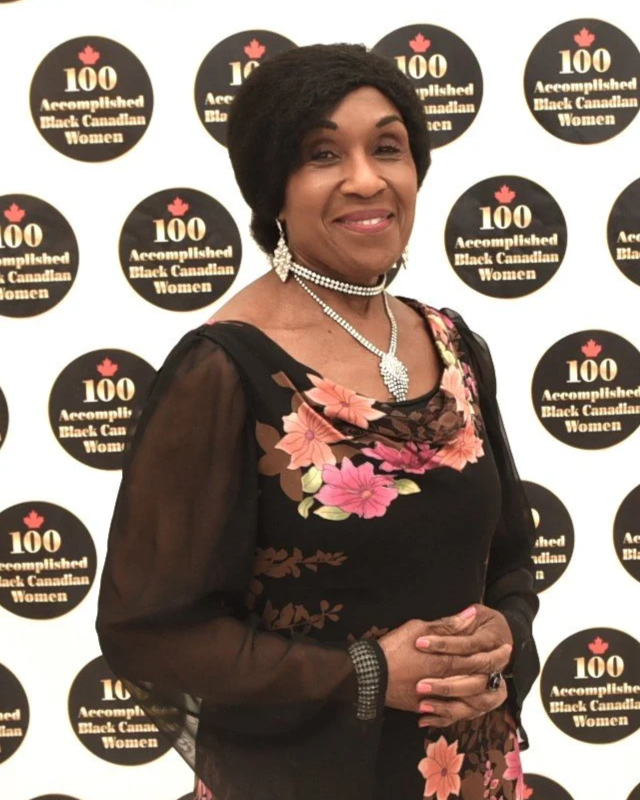
Faith carries Mayann Francis from adversity to achievement
August 28, 2026
Mayann Francis still remembers the shock of receiving a failing report card.
Her parents, who regarded education as non-negotiable, were stunned. So was the young girl from Whitney Pier, Nova Scotia, who could not understand how she had fallen so far short of their expectations.
Francis’s father challenged the decision, but it was upheld. She changed schools, carrying the disappointment with her and making a promise to herself that she would never fail again.
The setback could have diminished her confidence. Instead, it sharpened her resolve. At her new Catholic school, she rose into the top three students in her class and, by the end of Grade 9, ranked among the top five in the school.
“Whatever happened in Grade 7, who knows,” Francis said from her Halifax home. “But the bottom line is about God, and that is what keeps me going.”
That early setback seems almost incongruous with the life that followed.
Francis earned a bachelor’s degree from Saint Mary’s University and a master’s degree in public administration from New York University. She built a distinguished career in human rights and public service, becoming the first woman appointed Nova Scotia’s ombudsman and, in 2006, the province’s first African Nova Scotian lieutenant-governor. This year, she was appointed an Officer of the Order of Canada.
Yet the honours and historic firsts do not explain her as fully as the Grade 7 story does. It contains the elements that have guided her life, including parents who refused to let a setback define their daughter, a determination to prove what she could do and a deep faith that taught her to see difficulty as neither final nor fatal.
“I credit my life to God and to my parents, especially for teaching me to remain strong and unafraid,” she said.
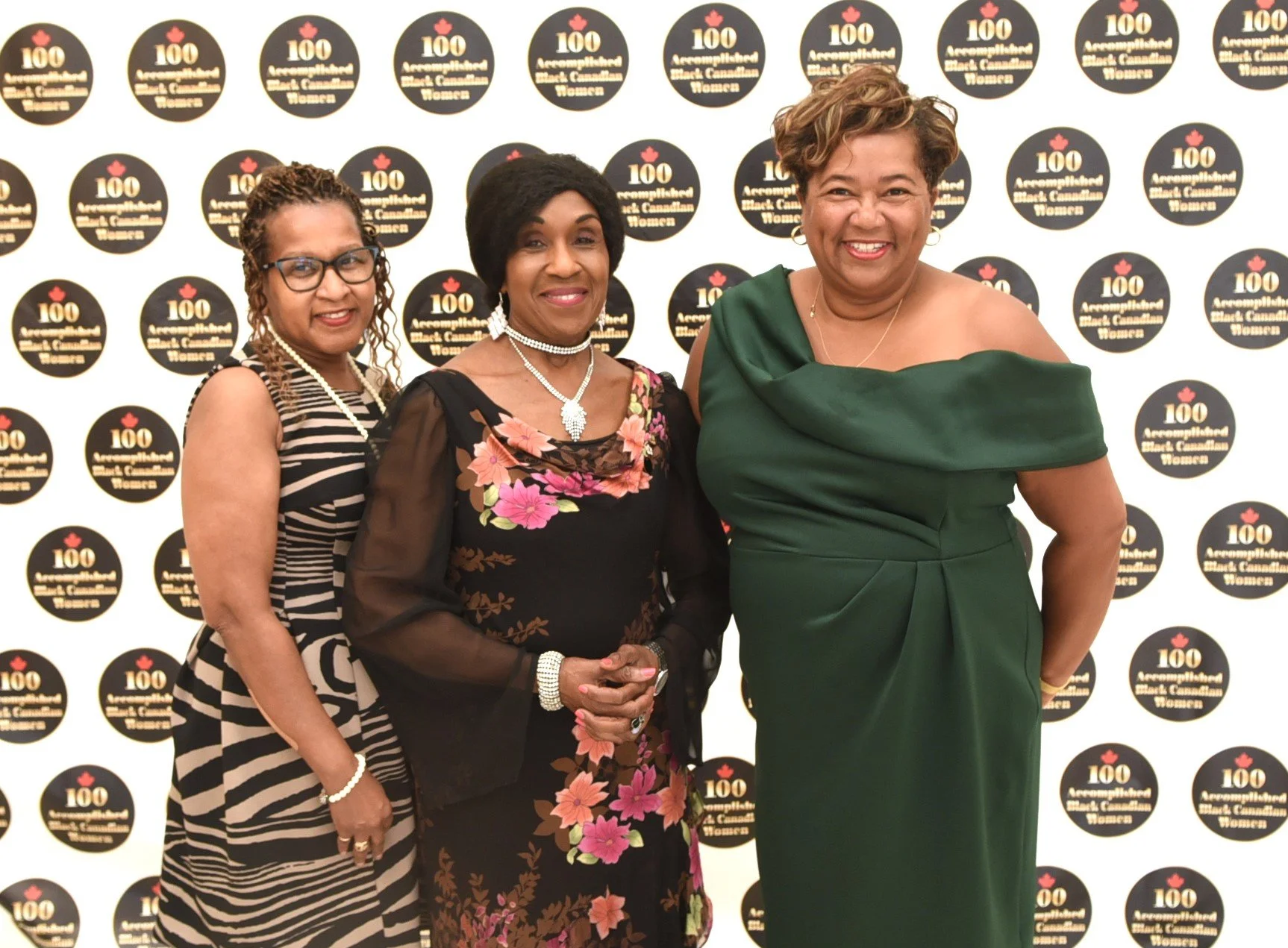
Mayann Francis (c), Sylvia Parris-Drummond (l) & Lana MacLean were among 100 accomplished Black Canadian women honoured in 2024 (Photo by Ron Fanfair)
Francis grew up in Whitney Pier, a working-class Sydney neighbourhood shaped by the steel plant and populated by families from many parts of the world. Different races, languages and religions coexisted in a community she remembers as welcoming.
As a child, Francis assumed that such diversity was normal.
Her Cuban-born father, George A. Francis, was an archpriest and vicar general of the African Orthodox Church who served at St. Philip’s African Orthodox Church. Her mother, Thelma, who migrated from Antigua, instilled the discipline, compassion and commitment to education that helped sustain the family. Together, their example gave Francis a strong spiritual foundation and a sense of responsibility to others.
“Growing up in Whitney Pier was wonderful,” she said. “It was a place where you had people of different colours, different languages and different religions. It gave you confidence in terms of who you are.”
It was only after leaving the community that Francis realized the wider world was not always as accepting. Race and gender sometimes preceded her into a room, particularly when she was the first Black woman or the first woman to hold a senior position. She responded with preparation, perseverance and a strong work ethic.
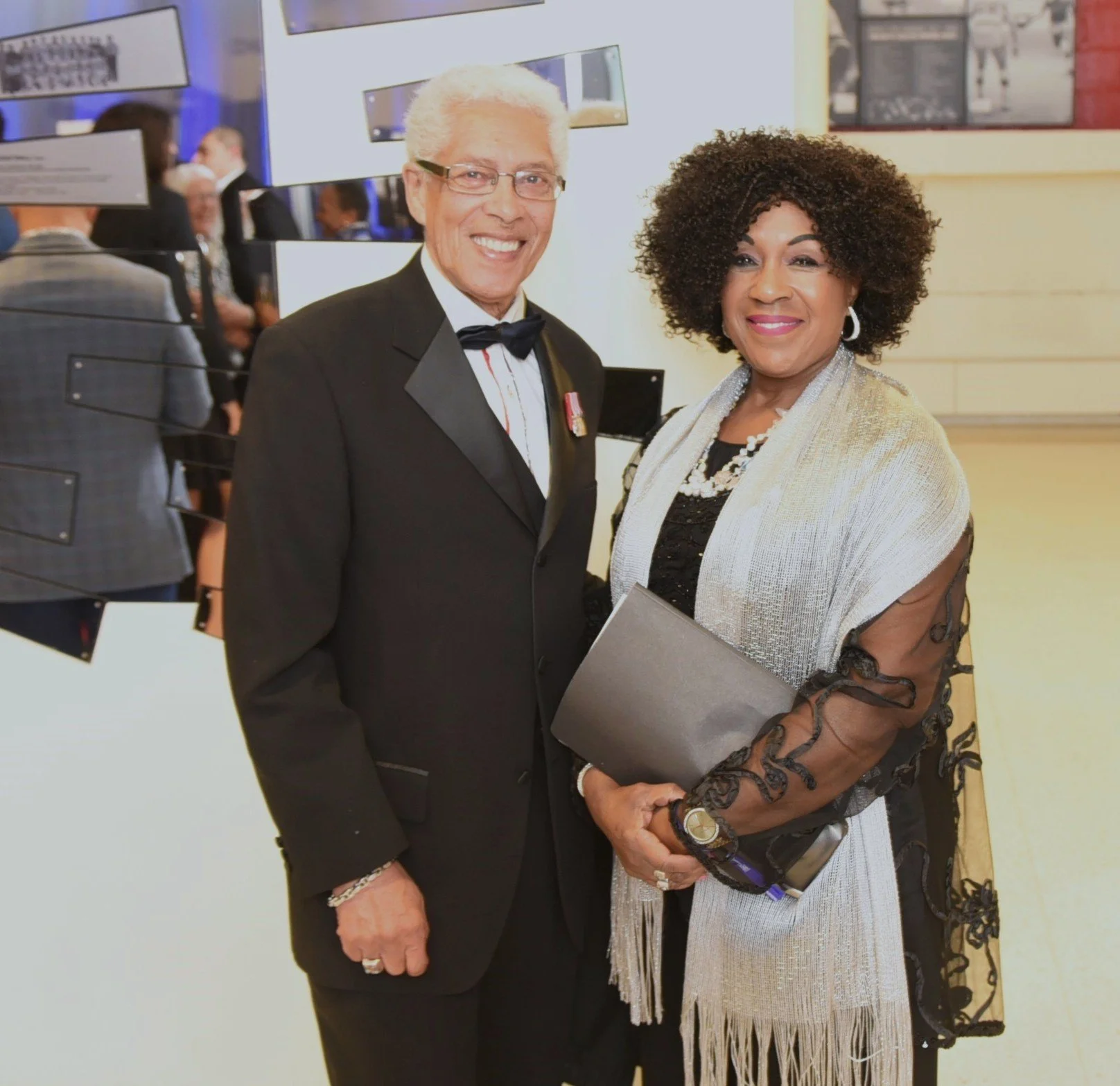
Mayann Francis with Canadian poet & playwright Walter Borden in Toronto in 2018 (Photo by Ron Fanfair)
Francis spent 16 years in the United States, where she worked in New York and continued her education. Her career included work in the legal field and public administration before she returned to Canada.
She later held senior positions with the Ontario government, became Dalhousie University’s first employment equity officer and served as director and chief executive officer of the Nova Scotia Human Rights Commission.
Although Francis encountered discrimination, she refused to allow those experiences to make her bitter.
“I was determined to demonstrate that, as a Black woman, I would be successful,” she said. “I would encourage other people, regardless of their colour, to stay strong, love the country where they are living and treat people with respect.”
Faith was not confined to Sunday worship or ceremonial occasions. It guided Francis’s decisions throughout her life. She prayed about opportunities and appointments, as well as the people she was considering recommending for positions. Before acting, she sought divine direction and trusted that God would provide it.
“I always pray to God: ‘Should I recommend this person? Should I do this?’” she said. “God has always given me good answers. That is my faith.”
Faith did not shield her from hardship, but it gave her the strength to endure it without sacrificing her dignity. That resolve became especially important during her vice-regal tenure.
When Francis was installed as Nova Scotia’s 31st lieutenant-governor in September 2006, Government House was closed for extensive renovations. For nearly three years, she continued living in her condominium and carried out her official duties from offices in Halifax’s Maritime Centre.
Serving without access to the official residence traditionally used to host events and conduct vice-regal business was frustrating.
Even after moving into Government House, Francis encountered what she considered indignities. The private quarters initially had neither a stove nor a refrigerator, forcing her to use the commercial kitchen in the basement. Her successor received those appliances upon moving in.
Francis questioned whether race influenced the way she was treated, but she refused to allow the experience to break her spirit.
“My faith in God gave me strength,” she said while reflecting on that period. “I was not going to let anything compromise my dignity.”
Once settled in Government House, Francis worked to make the historic residence more welcoming and accessible to the people she represented. She opened it to public programming, hosted lectures and staged its first opera. She also travelled to small and remote communities, recognizing that many residents could not easily make the journey to Halifax.
The response reinforced Francis’s belief that public office should be visible, accessible and grounded in respect.
“When I went into those little country communities, the crowds were wonderful,” she noted. “People were deeply moved that the lieutenant-governor would travel all the way to see them. To me, being lieutenant-governor meant being among the people and showing them respect.”
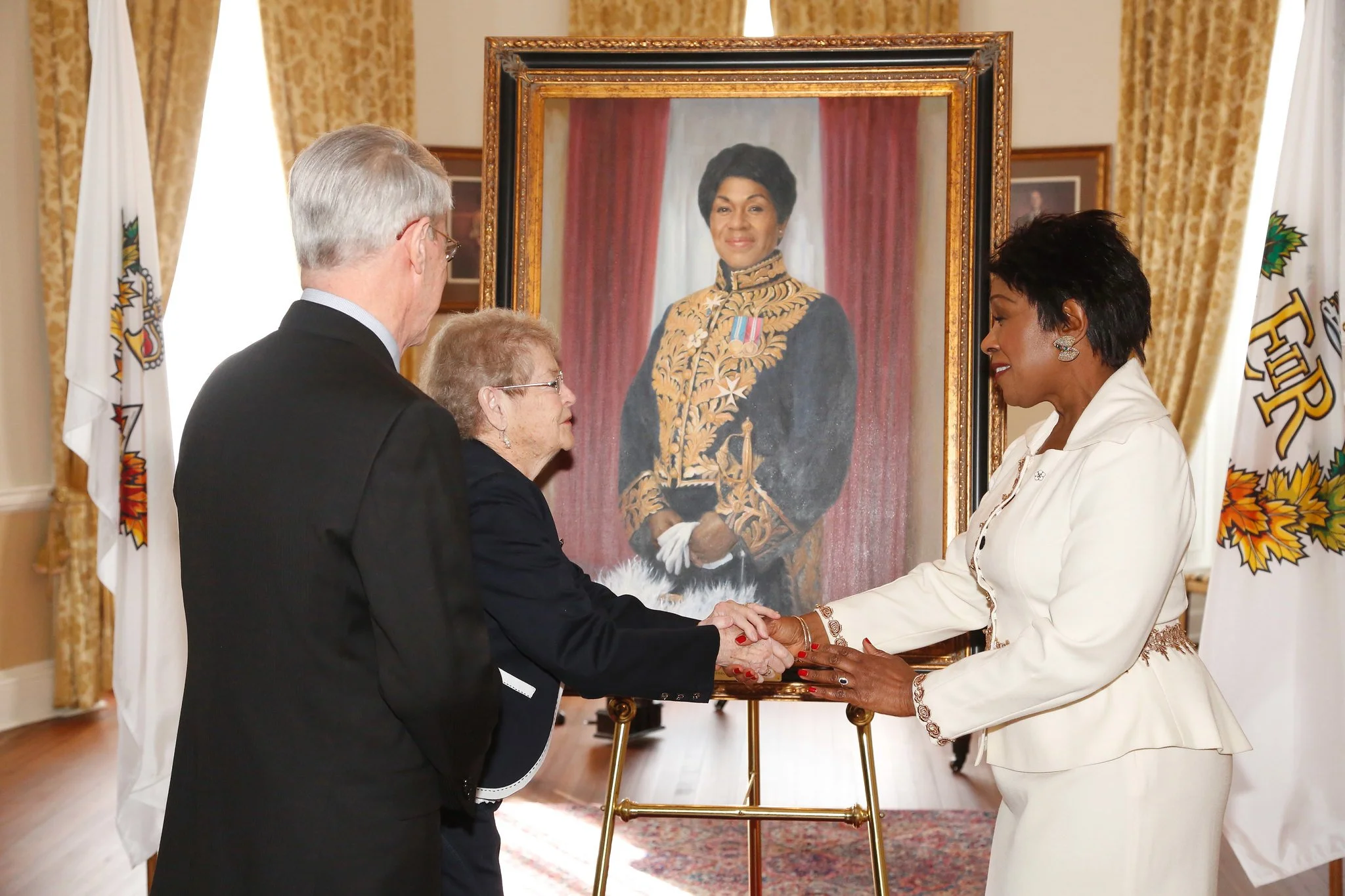
Retired Brigadier General John Grant, who served as Nova Scotia’s 32nd Lieutenant Governor from 2012 to 2017, and his wife Joan Grant welcomed Mayann Francis to Government House in 2013 for the unveiling of her portrait (Photo contributed)
Few relationships shaped Francis as profoundly as her friendship with Beverly ‘Bev’ Mascoll, the pioneering Black Canadian entrepreneur and philanthropist who expanded access to beauty products for Black women.
Born in Nova Scotia, she established Mascoll Beauty Supply Ltd. in Toronto in 1970 with a modest investment. Recognizing that mainstream Canadian retailers largely overlooked Black consumers, she secured Canadian distribution rights for leading Black hair-care brands and built a company that served customers nationwide.
The two women met when they were invited to speak at the same event and formed an immediate bond.
“Bev said, ‘You’re my sister because I don’t have sisters’,” Francis recounted. “We became really, really close friends.”
Mascoll became both a trusted friend and mentor. She recognized Francis’s abilities, encouraged her to pursue opportunities and demonstrated an inclusive approach to leadership. Her company employed people from diverse backgrounds, while her influence extended beyond business into philanthropy, social justice and politics.
“She was an extremely intelligent woman,” Francis said. “She supported me, recommended me for many opportunities and was very influential. She kept emphasizing, ‘Make sure you do X, Y and Z.’ I always watched and learned from her.”
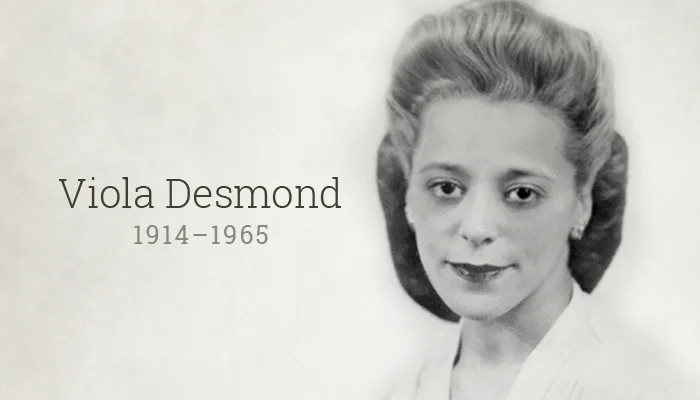
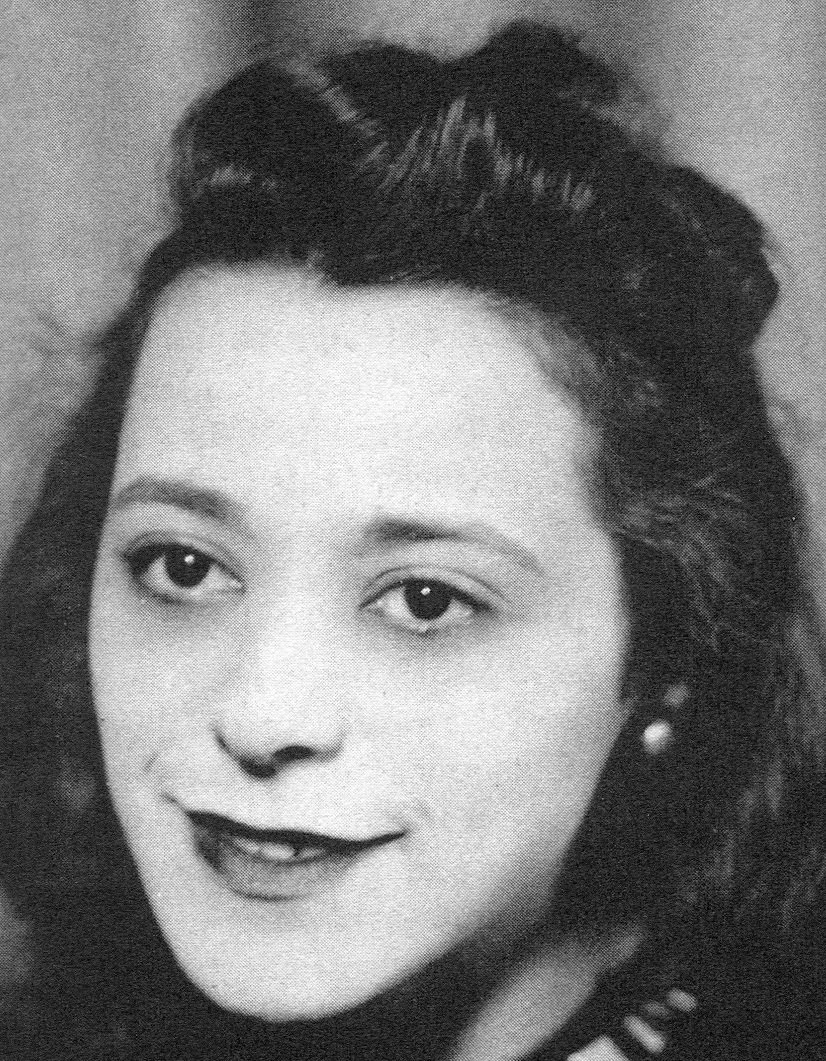
Mascoll also introduced Francis to the story of Viola Desmond. Like many Canadians, she had not learned about Desmond in school. Mascoll was astonished that she did not recognize the name and began teaching her about the Halifax beautician and entrepreneur whose defiance of racial segregation became a landmark in Canadian civil-rights history.
Francis’s unfamiliarity with Desmond’s story pointed to a broader failure that a nation cannot properly honour its heroes if their contributions are absent from its classrooms and public memory.
Mascoll, who was by her side when she received a Harry Jerome Award for Community Service in 2000, died of breast cancer a year later at age 59.
“I always regret that she died so young,” Francis said. “I was with her before she passed, and I spoke at her funeral. It broke my heart.”
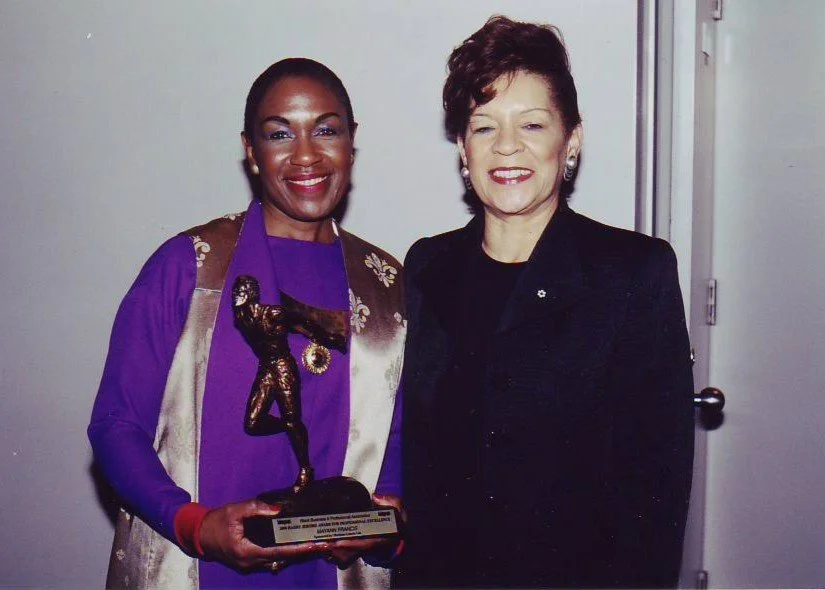
Bev Mascoll (r) with Mayann Francis at the 2000 Harry Jerome Awards in Toronto (Photo by Ron Fanfair)
Mascoll did not live to see the extraordinary role Francis would play in correcting the historic injustice done to Desmond.
In 1946, while her car was being repaired, Desmond went to the Roseland Theatre in New Glasgow. She sat on the main floor, initially unaware that Black patrons were restricted to the balcony. When she refused to move, she was forcibly removed, jailed overnight and later convicted on a contrived tax charge based on the one-cent difference between the taxes on balcony and main-floor tickets.
On April 15, 2010, acting on the advice of Nova Scotia’s Executive Council, Francis exercised the Royal Prerogative of Mercy and granted Desmond a posthumous free pardon. The province also issued a formal apology.
The distinction is important.
A free pardon does not forgive a guilty person. It recognizes that the person was innocent and the conviction was wrong. Desmond became the first person in Canada to receive a posthumous free pardon.
For Francis, the official act was also deeply personal. A Black woman occupying the province’s highest vice-regal office cleared the name of another Black woman whom the justice system had criminalized for resisting racial segregation.
“That moment touched my heart,” she said. “What happened to Viola because she was Black deeply bothered me. She should never have been in jail.”

Mayann Francis (l), Vivian Barbot, Pamela Appelt & Dr. Malinda Smith were honoured at Toronto Metropolitan University 10th Viola Desmond Day Awards in May 2018 (Photo by Ron Fanfair)
Francis keeps a photograph of Desmond in her home. During the interview, she looked towards it on the wall as she spoke about the entrepreneur’s intelligence, courage and commitment to others. The image is both a tribute and a reminder that public institutions can acknowledge and correct historic wrongs, even when justice comes far too late for those who suffered.
Francis could not have known in 2010 that Desmond would later become the first Canadian woman featured alone on a regularly circulating Bank of Canada note. The vertical $10 bill bearing her portrait entered circulation in 2018.
“When I heard that happened, I said, ‘Wow, that’s wonderful’,” she said. “People will see her beautiful face and they can do more research on her. When they read about her, it encourages them to do something positive for our country.”
Francis’s own journey has also moved from the margins of official history to its centre.
Her 2019 memoir, Mayann Francis: An Honourable Life, reveals the struggles behind her public achievements, including concerns about how she was treated while serving as lieutenant-governor. She wrote the book not to celebrate herself, she said, but to inspire people who might recognize their own challenges in her experiences.
“My story is all about love,” said Francis who has seven honourary degrees and an honourary diploma from Nova Scotia Community College. “The highest level of love is God. I am a successful, strong woman because God had a plan for me.”

Flanked by York University senate chair Roxanne Mykitiuk (l), chancellor Greg Sobara and president & vice chancellor Mamdouh Shoukri (r), Mayann Francis proudly accepts her honourary doctorate in 2014 (Photo by Ron Fanfair)
Her understanding of love is deliberately inclusive.
Francis hopes her journey will inspire Black and White readers, gay and straight people, university graduates and those who pursue other paths. To her, success is not measured solely by titles, degrees or honours. It is also reflected in honest work, service to others and the dignity with which people live and treat one another.
She regularly asks young people about their aspirations.
“When some say they do not plan to attend university, I encourage them to consider other meaningful and honourable paths rather than believing their opportunities have diminished,” said Francis who was the recipient of a University of the West Indies Toronto Luminary Award in 2010. “Whatever you do, it can still be positive. I want young people to stay strong.”
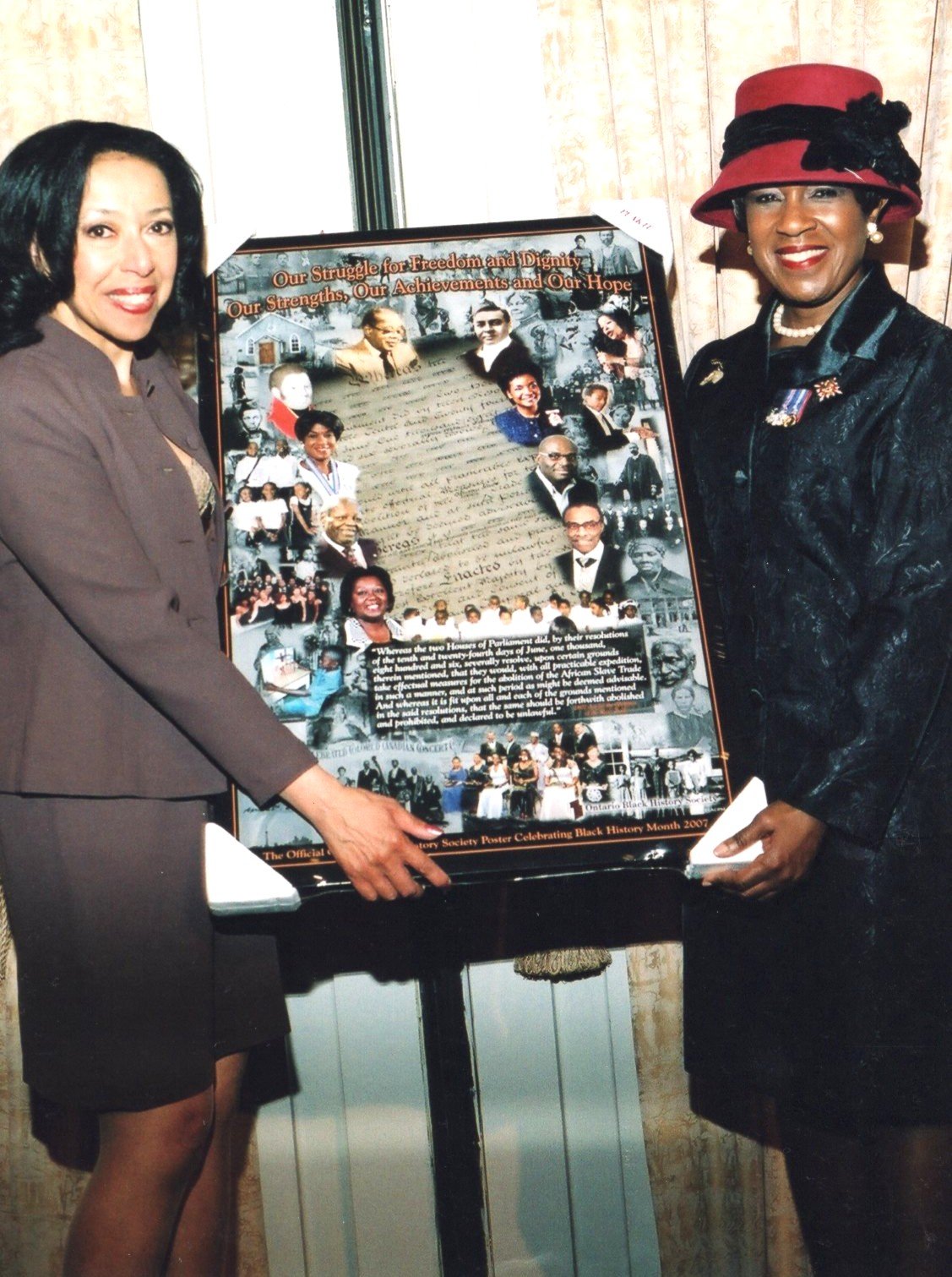
Rosemary Sadlier (l), then president of the Ontario Black History Society, presented a Black History Month poster to Mayann Francis in January 2007 (Photo by Ron Fanfair)
Her appointment to the Order of Canada came as a surprise.
Francis knew she had been nominated previously and wondered why the recognition had arrived at this stage of her life. Her surprise, however, quickly turned to gratitude.
“I am happy because I love my country,” she said. “To be receiving the Order of Canada is really good. I said to God, ‘I thank you’.”

Mayann Francis (l) & Eunadie Johnson were honoured for their work with the Ontario Women's Directorate in June 1994. Johnson founded the Harambee Branch in Manitoba and joined the OWD in January 1993 as president (Photo by Ron Fanfair)
Now 80, Francis is downsizing a home filled with books, documents and reminders of a life connected to significant chapters in Canadian and Black history. The process is difficult because many of those belongings may have archival value. A decades-old document, an inscribed book or a photograph linked to a historic moment could help future generations understand the path she travelled and the barriers she helped remove.
The octogenarian, who was previously married and divorced, is embracing a joyful new chapter in her personal life as she prepares to marry again. Although retired, she remains committed to preserving history and ensuring that younger generations understand the sacrifices and achievements that helped create their opportunities.
Francis hopes her life will encourage others to move forward with strength and purpose.
Her legacy, however, did not start at Government House with the Order of Canada or with the many firsts attached to her name. It began with a bewildered student who went home carrying the pain of failure and returned to school determined never to experience it again.