The roar that still echoes 50 years after the Montreal Olympics
July 16, 2026
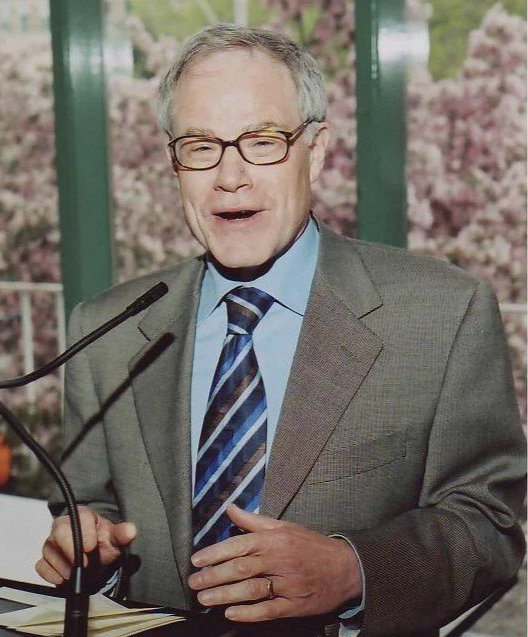
Two weeks before the Opening Ceremony of the 1976 Montreal Games, Hugh Fraser believed his lifelong dream had ended.
One of Canada's leading sprinters had torn a hamstring while competing in Europe during the team’s final preparations and was ready to abandon four years of training.
The Games officially opened on July 17 when Queen Elizabeth II declared the XXI Olympiad open before a capacity crowd at Montreal's Olympic Stadium.
“I was prepared to go straight home after we returned from Europe, but my coach encouraged me to go to the Athletes’ Village and see if there was any way that I could compete after receiving significant treatment,” Fraser recalled.
Instead, he travelled to Montreal, underwent intensive treatment and recovered enough to compete in the 200 metres while earning a place in Canada's 4x100-metre relay pool.
Yet it is not Fraser’s races that remain his strongest Olympic memory.
“The one that still gives me goose bumps is the parade into the stadium as the host country, the last nation to walk in,” he said. “I’ve never heard a sound so loud. Many of my teammates had tears in their eyes. When we walked past Queen Elizabeth, it all seemed surreal. All the years of sacrifice were definitely worth it.”
Preparing for the Olympics also meant balancing elite athletics with the demands of second-year law school.
The experience shaped advice Fraser still offers young athletes today.
“My advice is not to sacrifice academic opportunities for sporting glory, which can be quite fleeting and short-lived,” he pointed out. “Sport gives athletes a unique platform and the confidence gained from success can be parlayed into other ventures and professions.”
Fraser’s own career reflected that philosophy.
Following his athletic career, he became one of Canada's leading authorities in sports law. He served as counsel with the federal Department of Justice and as a member of the Canadian Human Rights Tribunal before being appointed to the Ontario Court of Justice.
Fraser was also a technical adviser to the Dubin Inquiry into Ben Johnson's positive drug test at the 1988 Seoul Olympics and later became a long-serving arbitrator with the Court of Arbitration for Sport.
“My time as an athlete helped shape my perspective on fairness, equity and integrity,” he said. “I also saw some of my teammates left off Olympic teams without any practical means of challenging those decisions.”
While encouraged by stronger anti-doping programs, Fraser -- who also competed for Canada at the 1978 Commonwealth Games and the 1979 World Student Games, said -- believes Canada still needs to do more to support elite athletes.
“We get excited around the time of an Olympics, but experience shows that it takes about eight years to get a return on your investment in athlete development,” the former Hockey Canada Board chair noted.
Fraser's influence extended well beyond his accomplishments on the track and later in the courtroom.
Among the young athletes he inspired was Toronto sprinter Hugh Spooner, who first met Fraser during Canada's 1974 athletics tour of Europe.
Fraser was already an established international competitor, while Spooner, just 16, was among the youngest members of the team.
Before he left Canada, Spooner's mother offered advice that shaped his Olympic journey.
“She said, ‘Hugh is going to be on the team you are travelling with. Introduce yourself, get to know him and follow him because he'll be a good mentor for you’,” Spooner recalled.
He did exactly that.
The friendship they formed in Europe continued through training camps and international competitions before bringing them together again at the 1976 Olympics.
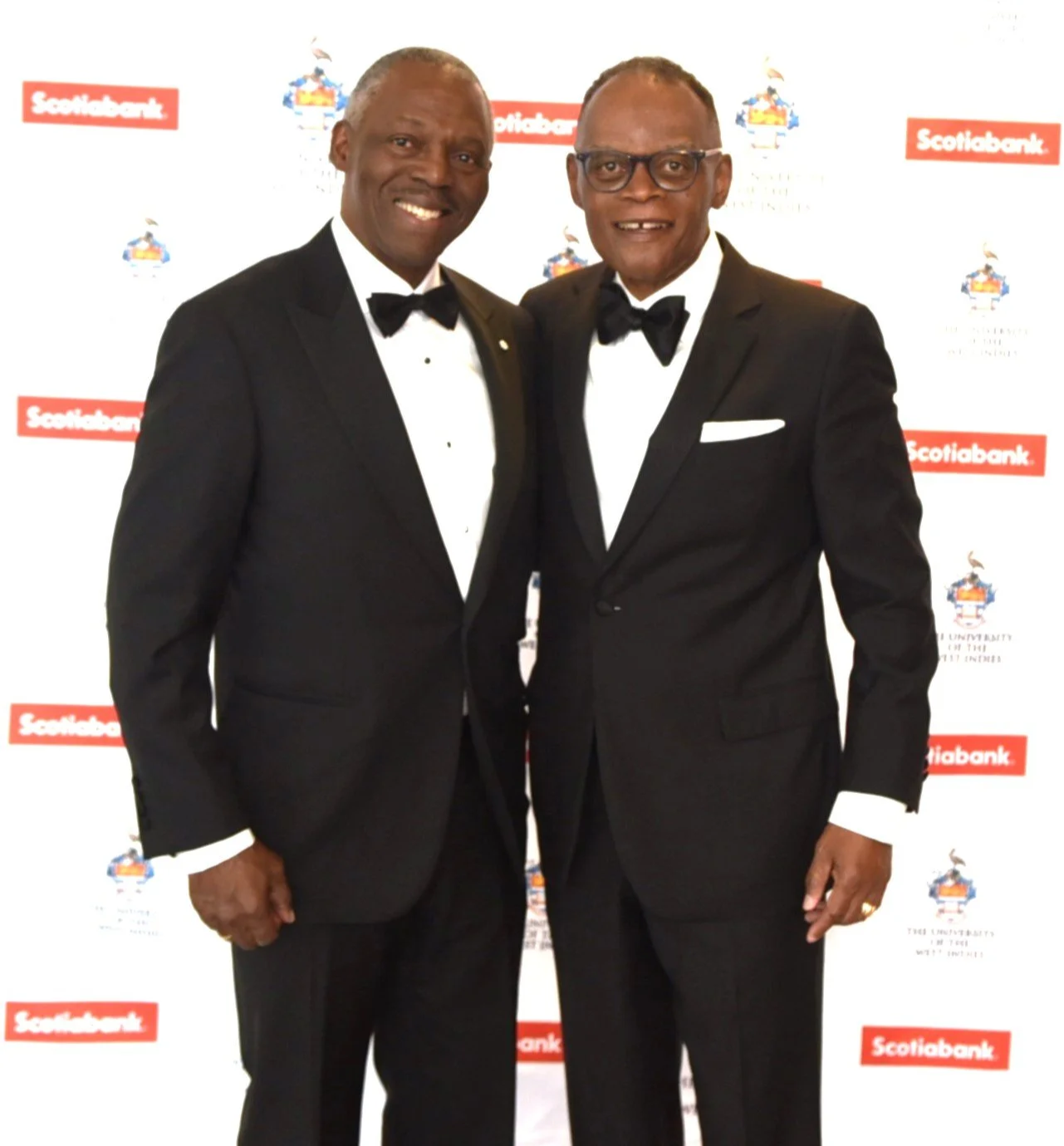
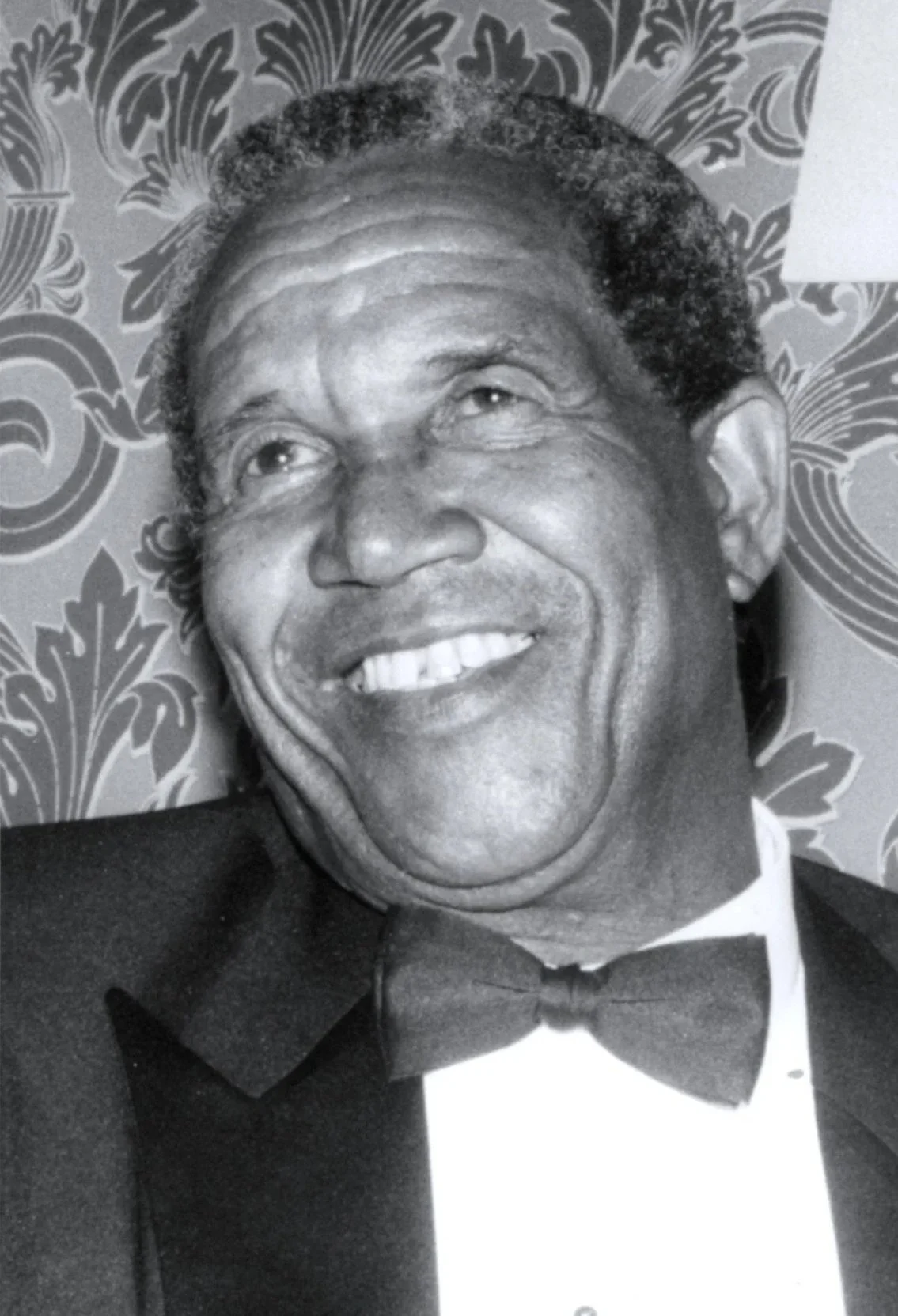
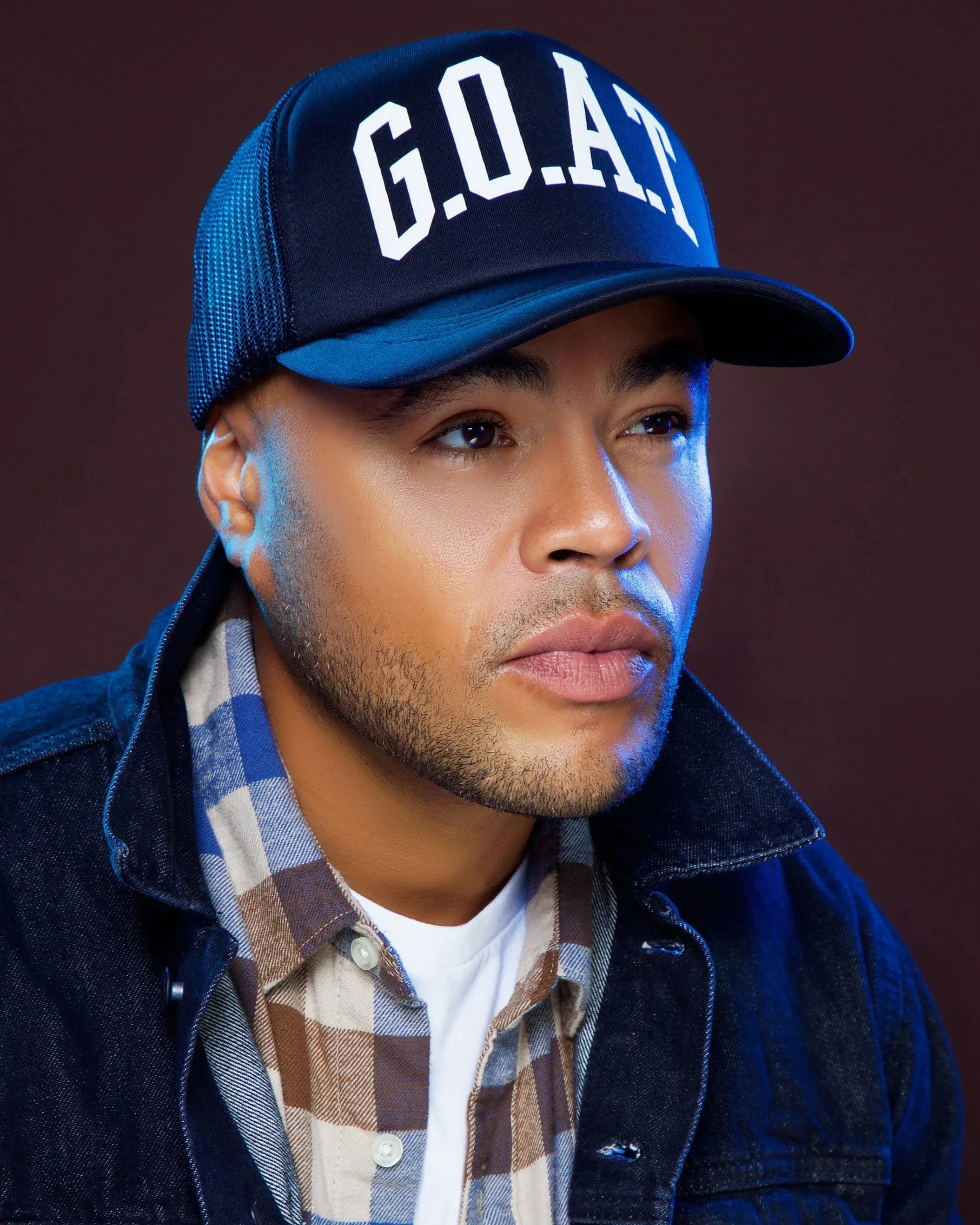
Hugh Fraser (l) & Hugh Spooner were members of Canada’s 4x100-metre relay team that finished eighth in the final (Photo by Ron Fanfair)
Still only 18, Spooner became one of Canada's youngest Olympians. Qualifying for the Games represented not only the realization of a childhood dream but also a tribute to his parents, who had emigrated from Barbados in the 1950s seeking greater opportunities for their children.
‘My parents sacrificed to come to this country for a better life,” the first generation Canadian said. “Here I was having the opportunity to have dreams and aspirations, and one of those dreams was to compete at the Olympic Games.”
Like Fraser, Spooner discovered that his most enduring Olympic memory had little to do with competition.
“Canada entered last in the procession of countries as the host nation,” he recounted. “When Abby Hoffman, who was the flag bearer, broke through the portal of the stadium and we entered, there was this incredible eruption of nationalism that I don't think I had ever experienced before.”
Nearly five decades later, the memory remains vivid.
“Here we were on Canadian soil, hosting the Summer Olympics, wearing the red and white of our nation,” Spooner said. “It was a proud, exciting moment and one that will never, ever leave you.”
That unforgettable entrance into Olympic Stadium was a defining memory shared by many members of Canada's team, including long jumper Richard Rock.
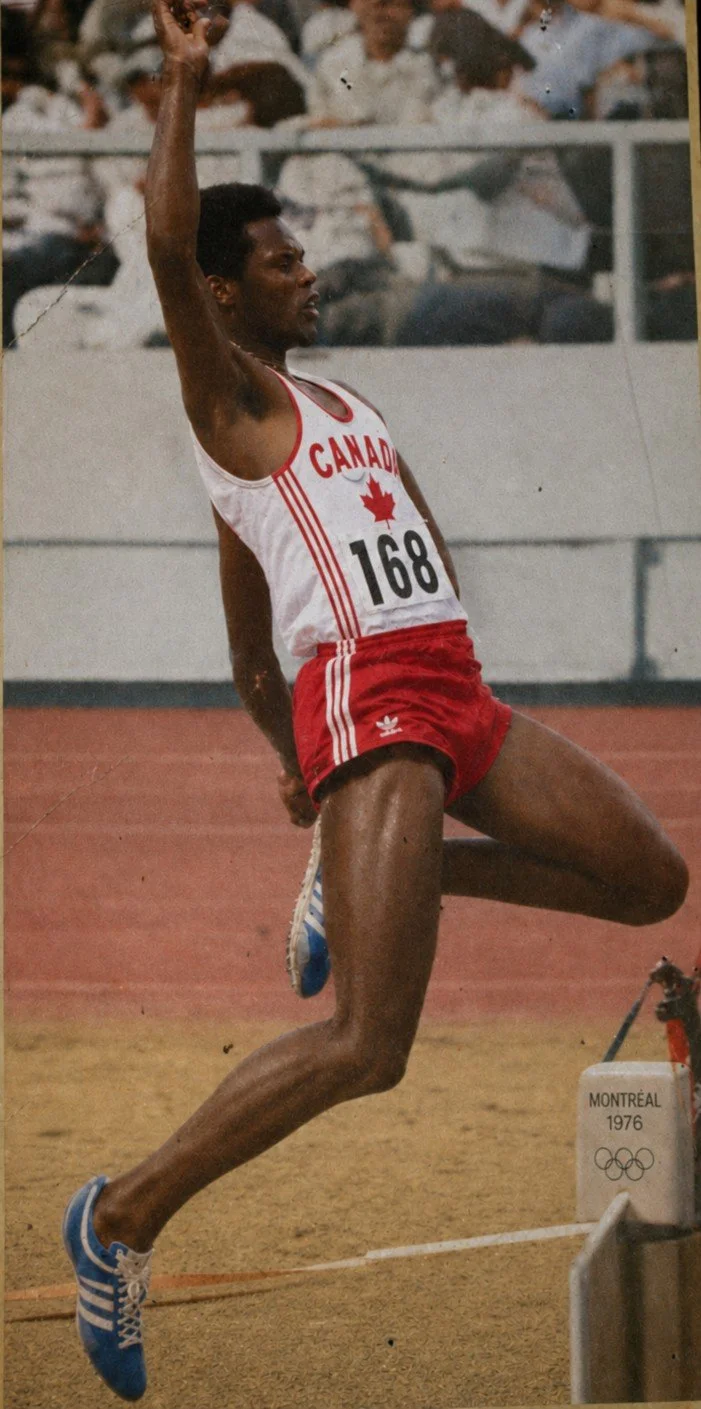
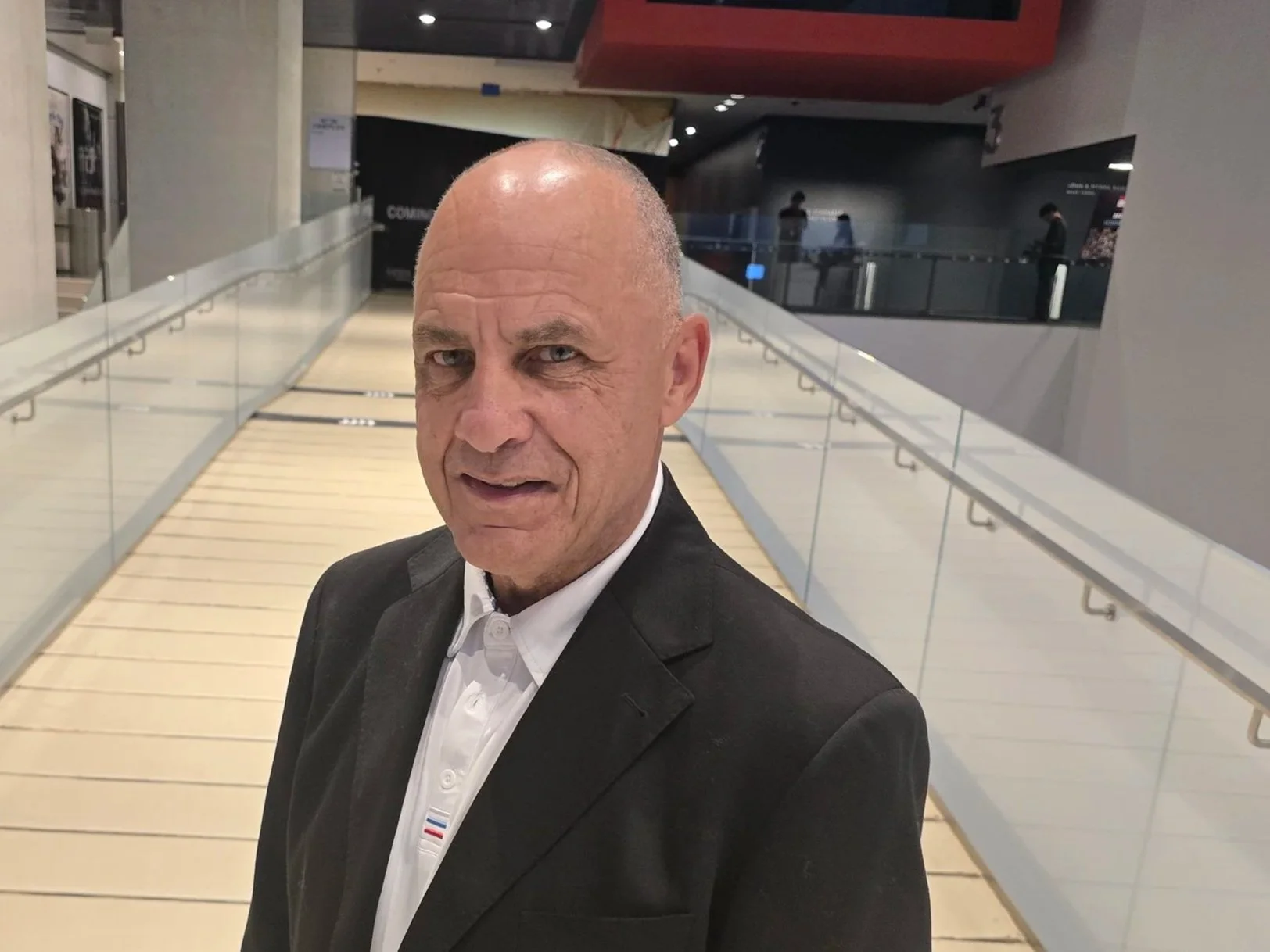
Richard Rock (Photo contributed)
As the athletes waited in the tunnel before the Opening Ceremony, he sensed the anticipation building around him.
“I remember it was hot,” England-born Rock said. “We were the last country in and it took a few hours before we were called to march in. The closer we got to the entrance to the stadium, the more emotional people became. Some athletes were even fainting.”
Then came the moment they stepped into the stadium.
“There was this massive roar from the crowd,” Rock, who was inducted into the Southern Illinois University Saluki Hall of Fame in 2007, said. “I still get goosebumps when I hear a crowd like that today.”
Together, Fraser, Spooner and Rock describe the same Olympic moment from different perspectives, yet their memories are remarkably similar.
None begins by talking about races, times or results.
Instead, they remember the deafening roar inside Montreal’s Olympic Stadium, the pride of representing Canada before a home crowd and the realization that they had become part of something far greater than themselves.
For Rock, the Olympic experience extended well beyond competition.
“The atmosphere was great,” he recalled. “You met athletes from different countries, shared meals, traded pins and just enjoyed being around people who had all worked so hard to get there. Looking back, I almost wish I had spent even more time meeting people because it really was a unique experience.”
Those friendships became one of the Games' lasting rewards. Athletes from around the world, separated by language and culture, found common ground through sport, creating memories that endured long after the closing ceremony.
The Olympics also left Rock with lessons that shaped the rest of his life.
“One of the biggest things I carried away was the discipline and goal-setting that came with being an Olympian,” he said. “Whether it was athletics or later in my career, I always felt I brought that Olympic mentality with me. The competitive nature never leaves you.”
Discipline was equally central to Spooner’s journey.
He credits University of Toronto Track Club coach Fred Foote, who introduced him to the program, and internationally respected Polish sprint coach Gerard Mach with instilling the discipline and preparation that underpin success long before a race begins.
“You don’t do it by yourself,” Spooner said. “It was a combination of having the ability and the drive but also being fortunate enough to come in contact with great mentors and coaches who encouraged me and taught me the importance of preparation.”
That lesson became a guiding principle throughout his life.
“Preparation builds confidence, and confidence allows you to step into an arena and perform,” said Spooner. “That’s transferable into education, into vocation and into your career.”
The years spent training, travelling and competing alongside Fraser also created friendships that have endured for half a century.
“We formed bonds that are lifelong because that period was so intense,” Spooner said. “The ultimate, of course, was competing in the Olympic Games together.”
Following the Olympics, he accepted a track and field scholarship to the University of Texas at Austin where he continued his development as one of Canada's leading sprinters. In 1979, he earned NCAA All-America honours as a member of the Longhorns' sixth-place 4x100-metre relay team
Like many Canadian athletes, Spooner expected Montreal to be the first of several Olympic appearances. Instead, Canada's boycott of the 1980 Moscow Olympics ended those hopes.
He redirected the discipline and determination developed through athletics into a successful marketing and advertising career.
“There were no financial opportunities in track and field in the early ‘80s,” Spooner said. “I chose to take my educational background and move into marketing and advertising. It was the best thing I did.”
His admiration for Fraser has remained just as strong.
“I have always been aware of what Hugh has been involved in,” Spooner said. “He’s done so well in Canadian jurisprudence and is so well respected as a citizen of this country.”
While Fraser, Spooner and Rock shared many of the same memories of Montreal, Carl Rose's Olympic journey would unfold very differently.
Born in London, England to Jamaican parents, he grew up aspiring to represent England in international soccer. That ambition took an unexpected turn in 1968 when his family immigrated to Canada.
“I didn’t even know they played soccer in Canada,” he recalled. “I didn’t know anything about Canada. All I was told was we are moving to a new country and you are coming.”
Like many newcomers, Rose faced the challenge of adapting to a different country and culture. Soccer quickly became his bridge to a new life.
Developing through Toronto's soccer community with East York Todmorden and later the Toronto Emeralds, he attracted the attention of respected community soccer builders Jim and Paddy Ellis, who recognized his potential and helped open doors to higher levels of competition.
“They took a liking to me,” said Rose who was offered an opportunity to join the New York Cosmos in 1974 but declined because he hoped to play professionally in Toronto. “They created opportunities for me. But at the end of the day, I still had to go on the field and perform.”
In 1975, he made history as the first Black player to represent Canada in an official international men’s soccer match when he competed at the Pan American Games. The following year, he earned a place on Canada’s team for the Montreal Olympics, becoming the first Black player to represent the country in men’s soccer at an Olympic Games.
Rose's Olympic experience, however, was bittersweet. After making a substitute appearance in Canada’s opening 2-1 loss to the Soviet Union, he did not see action in the team's second and final match, a 3-1 defeat to North Korea.
Fifty years later, he still does not know why.
“I never got an explanation,” Rose said. “I just accepted it and moved on.”
He said the Olympic disappointment shaped how he later dealt with players as a coach.
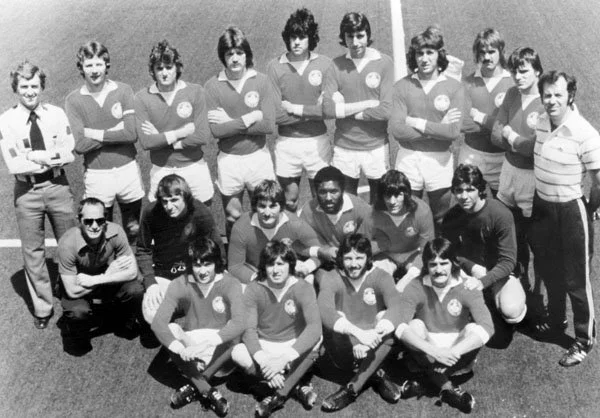
Carl Rose (third from right centre row) at the 1976 Olympics (Library & Archives Canada)
After retiring as a player, Rose spent more than 25 years coaching elite youth soccer in Missouri where he has resided since 1979 after joining the St. Louis Steamers of the Major Indoor Soccer League.
A holder of a U.S. Soccer Federation ‘A’ licence, he coached with the Springfield Soccer Club before establishing the Carl Rose Soccer Academy. He also worked with Missouri and regional Olympic Development Program teams, helping develop generations of young players.
“If I took somebody off, I’d tell them what they did right, what they did wrong and what I expected,” he said. “You don’t just tell someone they are not playing.”
Looking back, the unanswered question has never overshadowed what it meant to represent Canada at a home Olympic Games. Instead, it remains a small but memorable part of an experience that changed his life and secured his place in Canadian soccer history.
At the time, however, Rose gave little thought to making history.
“It was an honour to play for Canada,” he said. “That was a big deal.”
His focus, like that of every Olympian, was simply on competing against the world's best. Only years later did he come to appreciate that his presence on the field had quietly helped broaden the face of Canadian sport.
While Rose was making history in men’s soccer, Montreal native Sylvia Sweeney was breaking new ground on the basketball court.
As a member of Canada’s women’s team, she competed at the Montreal Games, where women’s basketball made its Olympic debut and female players competed for medals for the first time. Her participation placed her at the centre of a watershed moment that helped establish the sport on the Olympic stage.
After retiring as a player, Sweeney continued to serve the Olympic Movement. She was assistant chef de mission for Canada at the 1996 Atlanta Olympic Games and later served on the International Olympic Committee’s Culture and Olympic Heritage Commission.
Widely known as ‘Canada’s First Lady of Basketball’, she was inducted into the Canadian Basketball Hall of Fame in 1994 and the Canadian Olympic Hall of Fame two years later.
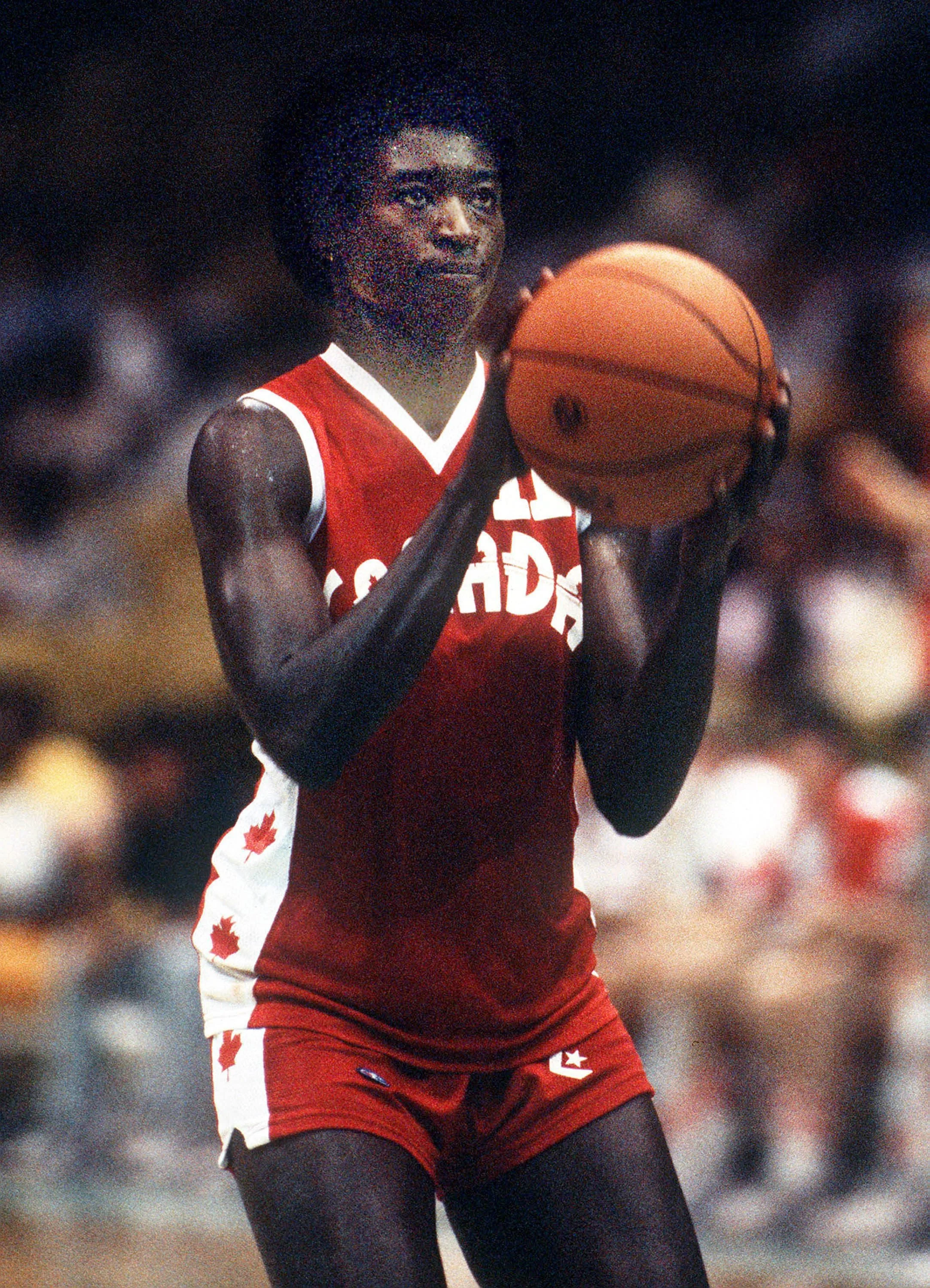
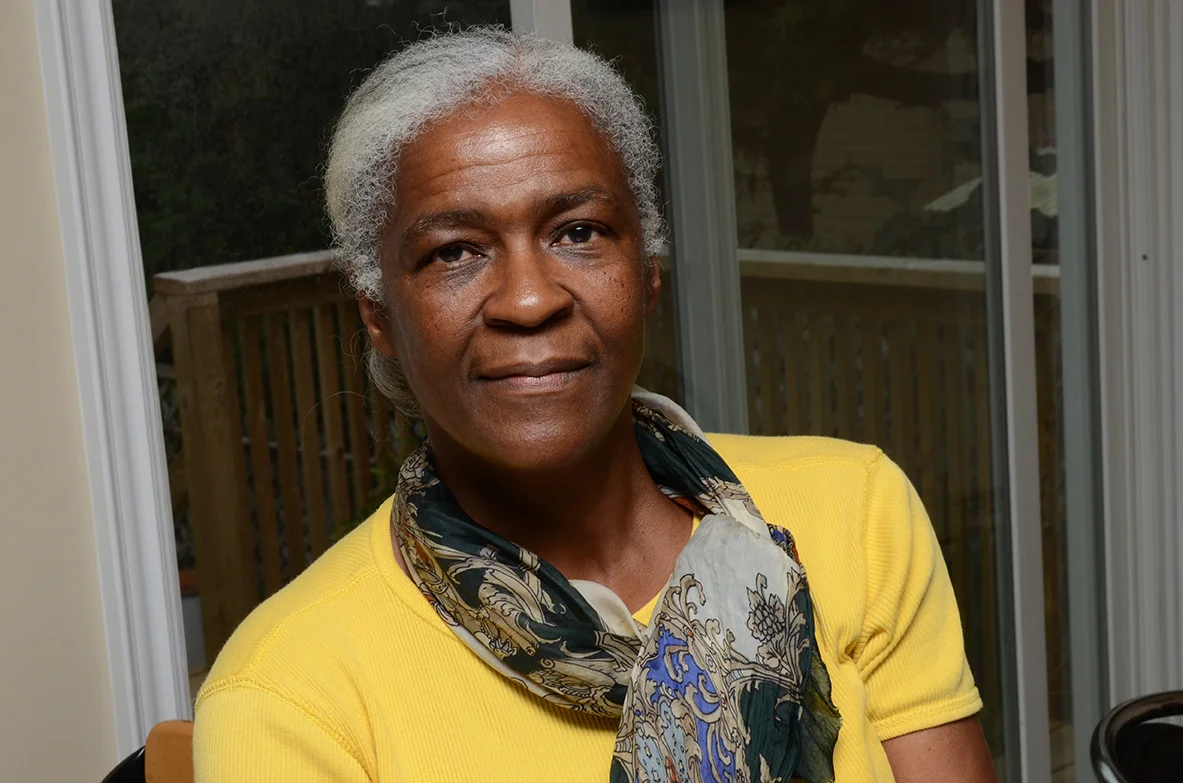
Sylvia Sweeney (Photo contributed)
Sweeney also helped shape professional basketball in Toronto. She was the only woman on the board of directors of the John Bitove Jr.-led group that secured the National Basketball Association’s 28th franchise, the Toronto Raptors, and was among the six founding directors of the Raptors Foundation.
Bryan Gibson's Olympic journey was shaped not only by years of dedication in the boxing ring but also by the demands of family life, work and sacrifice.
While many athletes remember the Games for the spectacle, his memories are inseparable from the birth of his son just days before the Opening Ceremony and the unwavering support of his wife, Terri.
By the time he stepped into the Olympic ring as Canada's middleweight representative, Gibson had already established himself as one of the country's leading amateur boxers, winning Canadian and North American championships. Those accomplishments convinced him he belonged among the world's best.
“It made me feel good,” Gibson, the first Black Nova Scotian boxer to compete in the Olympics, recalled. “It made me feel that I was one of the best in Canada and North America. There are a lot of other great athletes who never make it because circumstances keep them from being there.”
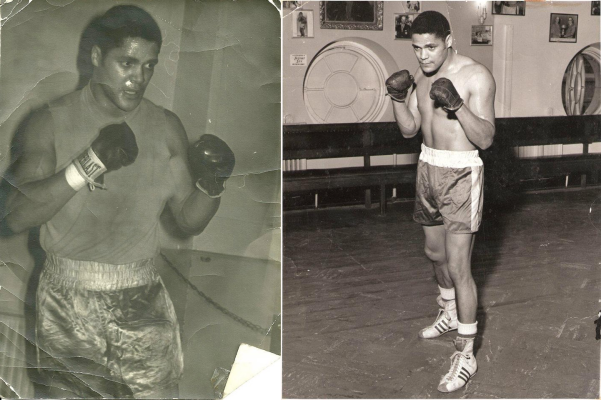
Bryan Gibson (Photos contributed by Bryan Gibson)
Representing Canada at a home Olympics fulfilled a goal he had pursued for years, but he never viewed the achievement through the lens of race.
“All I thought was that I was training hard and one of my goals was to make the Olympics,” Gibson said. “I never really thought about colour. I was there because of my ability.”
His Olympic tournament ended quickly. Drawn against East Germany's Bernd Wittenburg in the opening round of the middleweight competition, he was defeated by a third-round knockout.
Away from the ring, life presented an even greater balancing act.
His son, Chad Gibson, was born on July 13, just four days before the Games officially opened and he divided his time between the Olympic Village and the hospital where his wife and newborn son were staying.
Unlike today’s elite athletes, Gibson received little financial assistance. Every international competition required unpaid leave from work, making the pursuit of Olympic excellence a personal and family sacrifice.
“I had no support whatsoever,” he said. “But my wife was my biggest supporter. She knew why I was doing it, and she was behind me all the way.”
Five decades later, Gibson's commitment to boxing continues. After returning to Nova Scotia, he founded and now coaches the Evangeline Trail Amateur Boxing Club in Kentville where he teaches young athletes that the sport is about far more than winning bouts.
“The first thing I tell them is what they learn in the gym, they don’t use on the street,” he said. “I tell them to set goals, one at a time and always think positively.”
Fifty years after the Olympic flame was extinguished in Montreal, the races have been run, the matches played and the final buzzer has long since sounded.
Yet the memories remain vivid for six athletes whose experiences reflect the pride, sacrifice and perseverance required to compete on home soil.