RIU celebrates 25 years of growth, partnership and confidence in Jamaica
June 21, 2026
From the outside looking in, hotels are often viewed simply as places where visitors come to relax, enjoy warm hospitality and create lasting memories.
Less visible is the enormous economic and social impact tourism has on countries such as Jamaica, where the sector remains one of the nation's leading sources of employment, foreign exchange earnings and economic growth.
Over the past 25 years, RIU has evolved from a new entrant in the Jamaican market into one of the country's most significant tourism partners, helping to strengthen the industry while contributing to national development.
Through thousands of direct and indirect jobs, partnerships with local suppliers and support for transportation providers, farmers, artisans and small businesses, the company has helped create economic opportunities for countless Jamaican families.
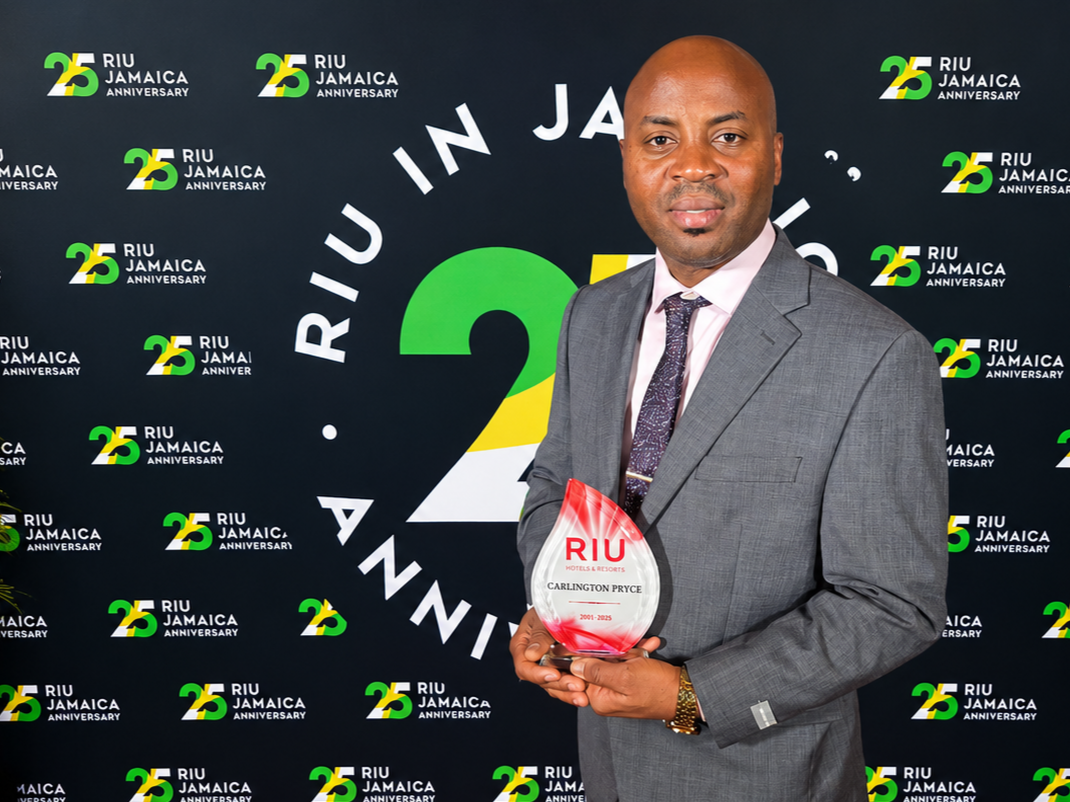
As RIU celebrated 25 years of operations in Jamaica on June 18, the milestone provided an opportunity not only to reflect on the company's growth but also on the broader role tourism continues to play in shaping the country's future.
Yet tourism's success is often viewed through two very different lenses.
While hundreds of thousands of visitors arrive each year to enjoy Jamaica's beaches, resorts and hospitality, many ordinary Jamaicans continue to grapple with the daily struggle to make ends meet. That reality has fuelled ongoing debate about how the benefits of tourism should be shared.
At the same time, tourism remains Jamaica's largest foreign exchange earner and one of its most important sources of employment, generating billions of dollars that support businesses, public services and livelihoods across the island.
The challenge for policymakers and industry leaders is not whether tourism is needed, but how to ensure that more Jamaicans feel the benefits of an industry that remains central to the country's economic stability and future growth.
Against that backdrop, Jamaica's Prime Minister Andrew Holness said RIU's 25-year presence on the island demonstrates the importance of tourism, investment and long-term partnerships in national development.
He said the commitment demonstrated by RIU employees in the aftermath of Hurricane Melissa last October was one of the clearest examples of the industry's importance to the country.
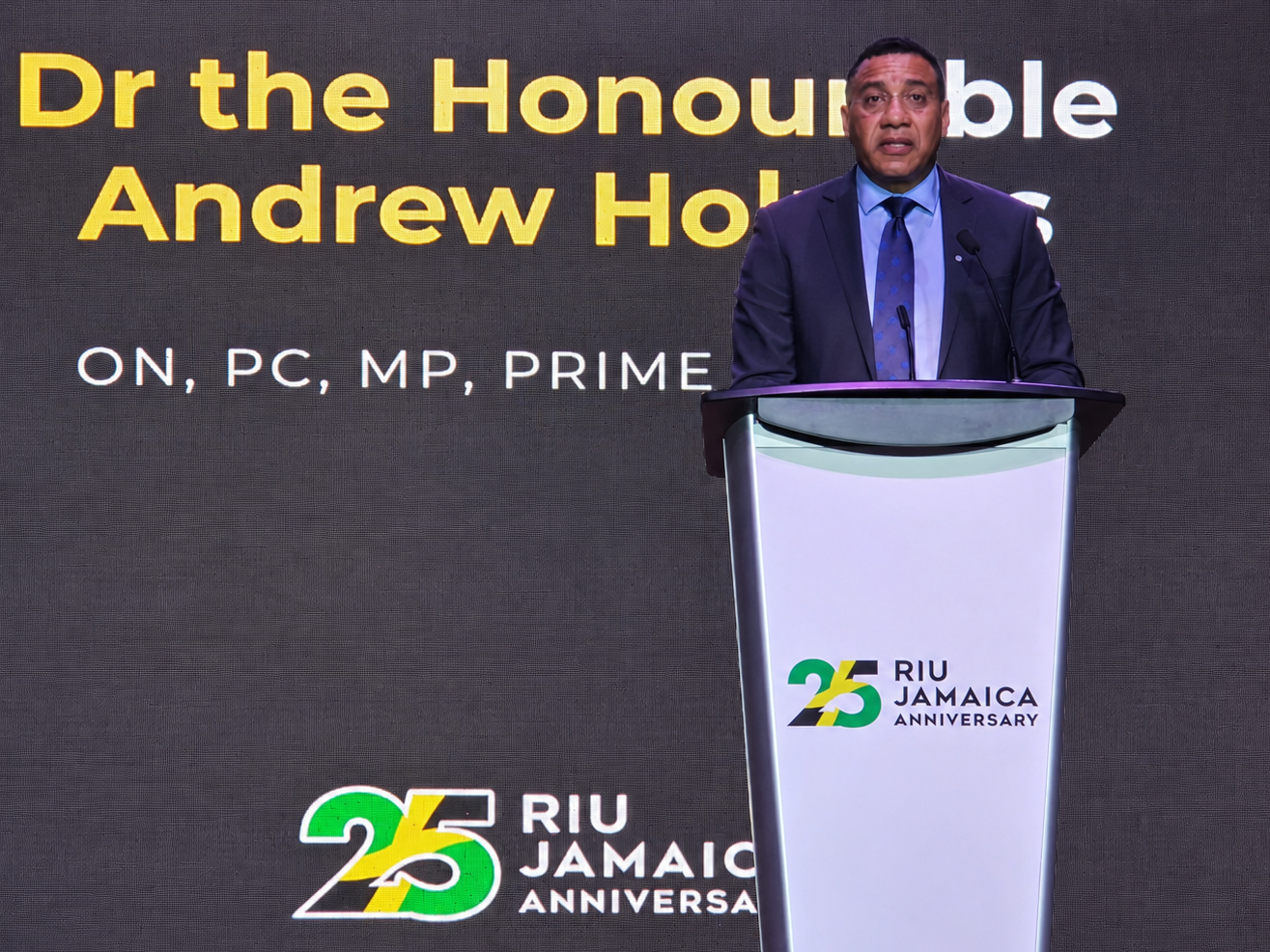
Jamaica’s Prime Minister Andrew Holness (Photo by Ron Fanfair)
“Staff of the RIU hotel stayed with visitors during the passage of the hurricane to ensure their safety and the protection of life and property while their own homes were under distress,” he said. “It shows the commitment of the Jamaican people to the tourism industry, and I commend the Jamaican workers for that.”
While the anniversary celebrated RIU's achievements, Holness said it also highlighted Jamaica's ability to compete successfully in an increasingly competitive global economy.
Twenty-five years ago, he noted that RIU had many expansion options but chose Jamaica as its investment destination.
“That decision was not an inevitability,” Holness said. “RIU could have invested in many destinations around the world. Instead, it chose Jamaica. Over the last 25 years, it has continued to choose Jamaica through new properties, expansions, renovations and reinvestment. Today, we celebrate this partnership.”
That continued confidence, he argued, demonstrates that Jamaica can hold its own on the international stage.
“The world today is experiencing intense competition among nations,” said Holness. “Indeed, the new world order that is emerging is one of great competition. There is sometimes a mindset, especially among small nations, that we cannot compete in the global world. I say to every Jamaican that we have to change that mindset and see ourselves as competitors on the global football field. Often we see ourselves as spectators cheering on other teams, not understanding that we are on the field as well, and we must be competitive.”
The Prime Minister said the competition extends beyond tourism to investment, business development and talent attraction.
“Countries are competing for visitors,” Holness pointed out. “Countries are competing for investments, and they are competing for businesses. But you know what else they are competing for? They are competing for talent. That, in fact, is the biggest competition because no matter what investment, capital, business or resources you have, you need talent. We need to position ourselves not only as a net exporter of talent, which we have been for almost 200 years, but also as a receiver of talent if our economy is to grow and expand.”
He noted that tourists, investors, businesses and skilled workers are often influenced by the same considerations when choosing where to spend their time, money and expertise.
“A tourist chooses where to spend a vacation, an investor chooses where to place capital, a business chooses where to establish operations, a skilled worker chooses where to build a career and a family chooses where to build a future,” Holness pointed out. “In each case, the decision is influenced by remarkably similar considerations. Is the place safe? Is it welcoming? Is it well-governed? Is it connected? Is it efficient? Does it offer opportunity? Does it inspire confidence?
“These are the factors that attract visitors. They are also the factors that attract investments and they are increasingly the factors that determine the movement of talent and people across the world. The countries that succeed are those countries that become a destination of choice. Whatever we do, Jamaica must become and continue to be a destination of choice.”
He described tourism as a catalyst for broader economic development.
“Visitors create familiarity,” Holness noted. “Familiarity creates confidence, and confidence attracts investment. Investments create opportunities. Opportunity retains and attracts talent. Instead of our Jamaicans leaving to go elsewhere to work, they stay here and contribute to our economy. But we also attract people to come here and work. That creates diversity and helps to improve our own talent and expand our services.”
The Prime Minister added that tourism should be viewed not simply as an industry, but as a gateway to investment-led growth.
“Tourism is often the first introduction to a country,” he said. “It shapes perceptions, builds confidence and showcases a nation's potential. Tourism is the gateway to investment-led development.”
Holness said RIU's continued expansion reflects confidence in Jamaica's future.
“When RIU opened its first hotel in Negril, it was doing more than building rooms,” he pointed out. “It was expressing confidence in Jamaica. Every subsequent investment has reaffirmed that confidence.”
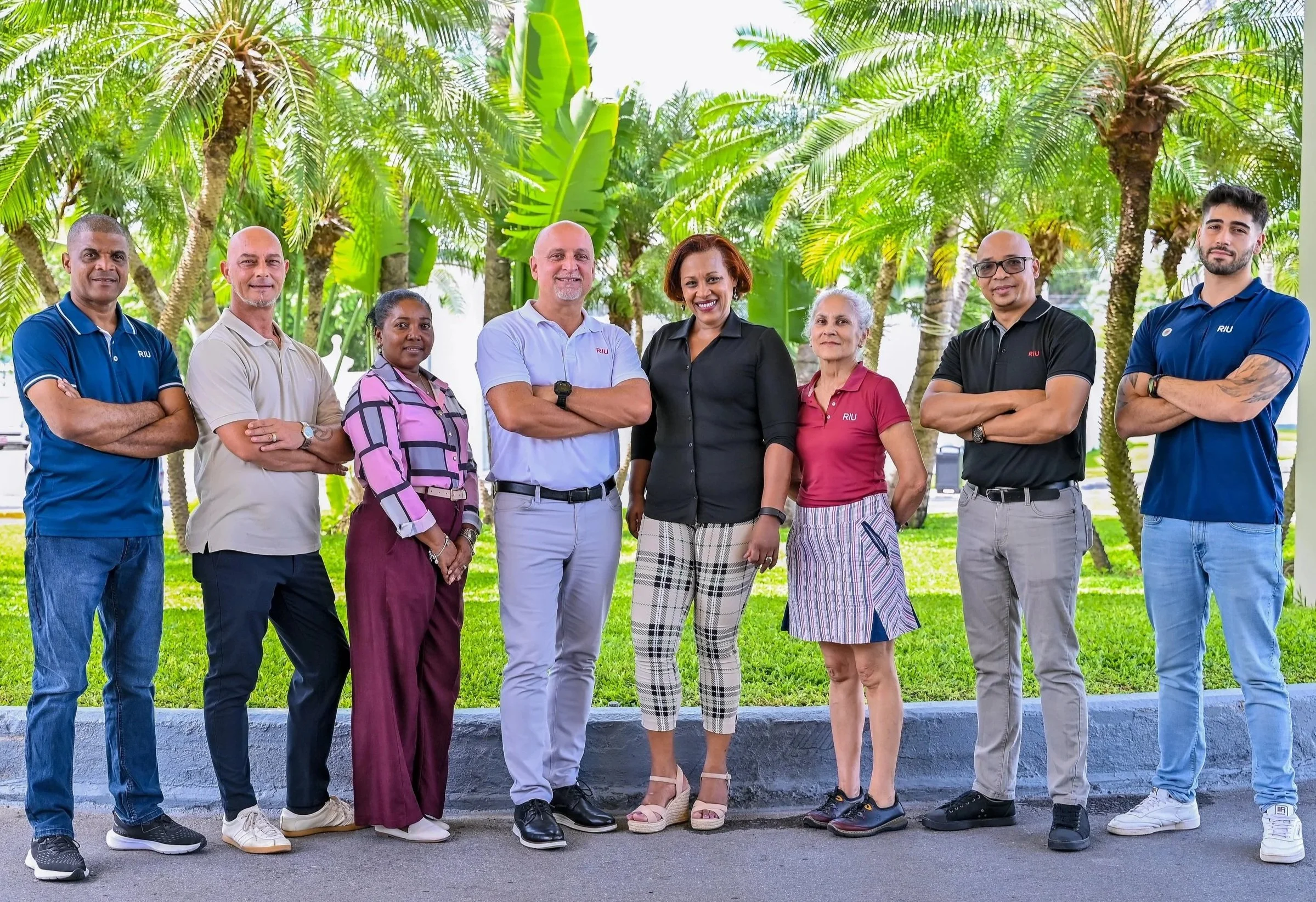
RIU’s management team in Jamaica: From left are Rudy Cabrera (Corporate SAT-JAM), Mike Blank (Corporate – Entertainment), Sandra Nesbeth (Sales Supervisor-JAM), Frank Sondern (Regional Director Operations-JAM), Niurka Garcia Linton (Director of Sales-JAM), Soledad Delgado (Corporate Housekeeping), Randy Chalas (Corporate – Kitchen) and Vicente Romera Moreno (Corporate SAT-JAM)…Photo contributed
Building on that theme of confidence and long-term commitment, Tourism Minister Edmund Bartlett described RIU's presence as one of the most significant and enduring tourism partnerships in modern Jamaican history.
“What started as a single hotel investment on the shores of Bloody Bay has grown into one of the most significant and lasting tourism partnerships in Jamaica’s modern history,” he said. “Who knew back in 2001, when the Riu Palace Tropical Bay opened in Negril, that we were witnessing the dawn of a renaissance?”
Bartlett noted that RIU was the first Spanish hotel company to make Jamaica a major focus of its Caribbean expansion at a time when the island was seeking to strengthen and diversify its tourism product.
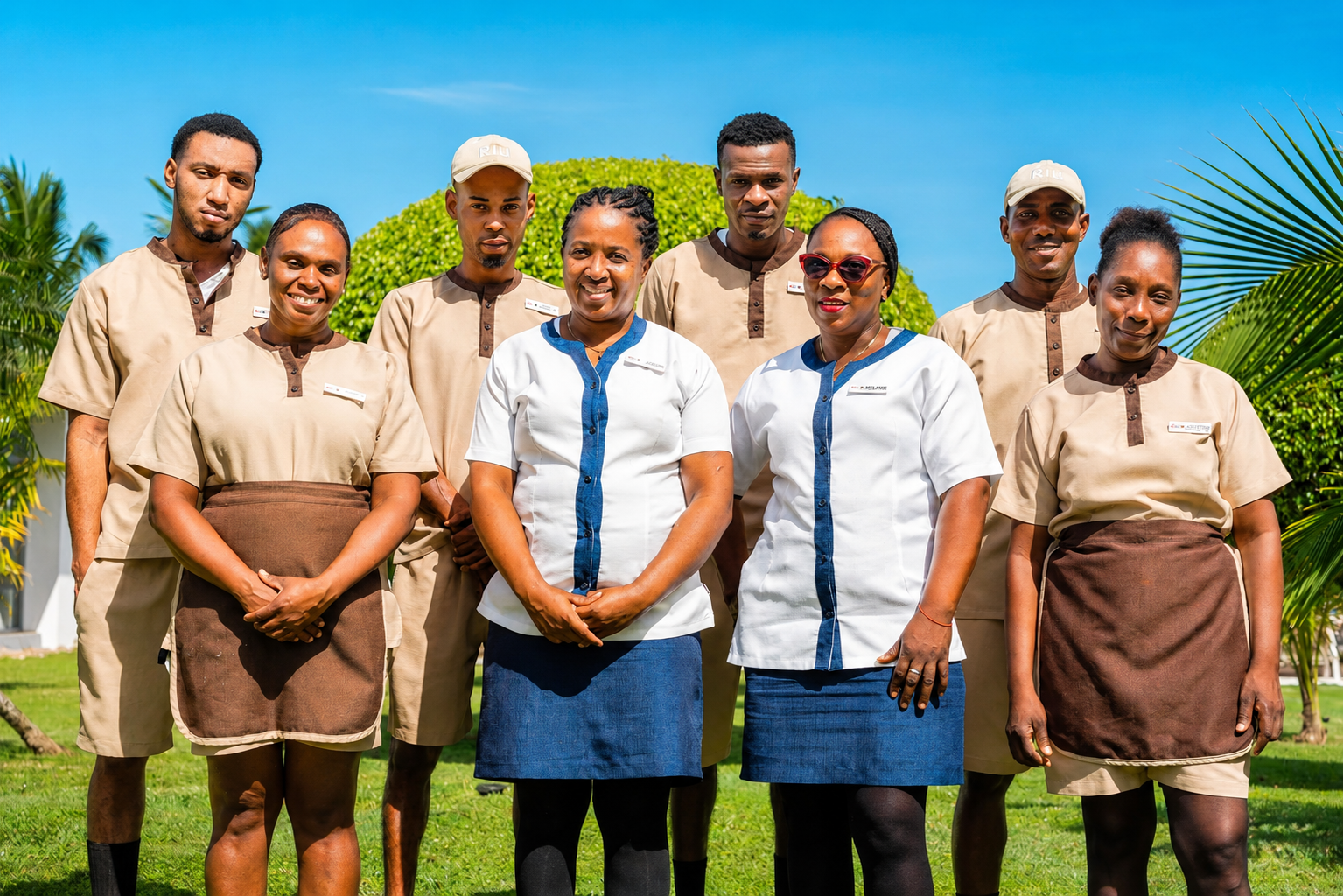
RIU's housekeeping staff are among the unsung heroes of the guest experience, working behind the scenes to maintain the high standards of cleanliness, comfort and presentation that help create memorable vacations and encourage repeat visits (Photo contributed)
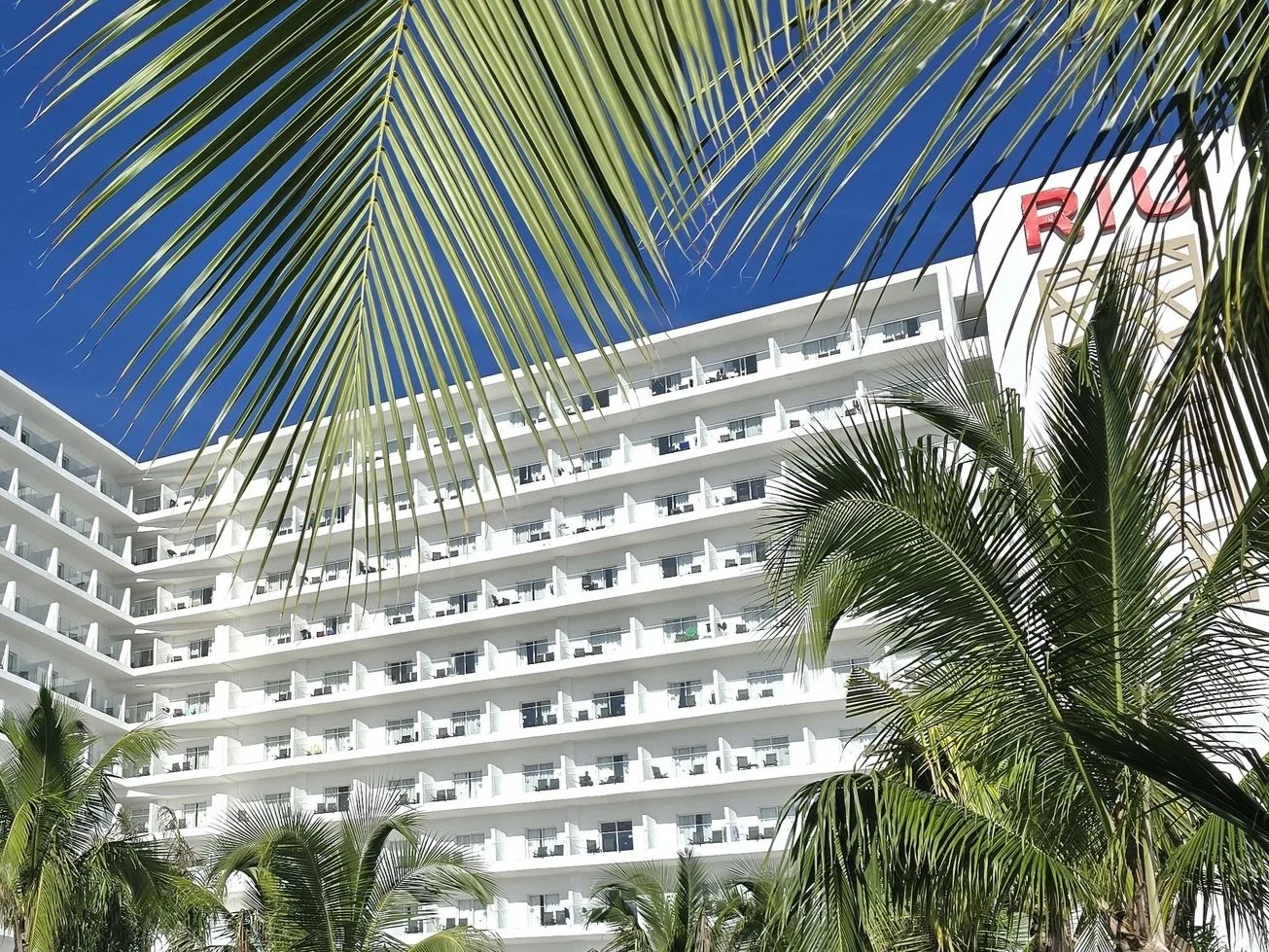
The success of that initial investment paved the way for rapid growth. Today, RIU operates seven hotels across Jamaica and has invested more than US$750 million in the country's tourism industry.
Riu Negril opened in 2004, Riu Ocho Rios in 2005, Riu Montego Bay in 2008, Riu Palace Jamaica in 2013, Riu Reggae in 2016 and Riu Palace Aquarelle in 2024.
That growth has extended beyond hotel development to include new experiences such as Splash Water World, RIU Party and the Elite Club service.
“If this does not speak to confidence in Jamaica, I don't know what does,” Bartlett said. “This is the statement that tourism embraces and this is the statement that Jamaica enjoys here, that you put your money where your mouth is. The confidence and trust in Jamaica is at the highest level.”
While acknowledging the company's financial investment, he reserved special praise for RIU's workforce, describing employees as the foundation of the company's success.
Bartlett highlighted the company's response following Hurricane Melissa last October.
RIU provided housing, care packages and financial assistance to employees whose homes and communities were affected by the storm.
“What RIU did with the workers of the industry during that period is not only exemplary but worthy of emulation across the tourism industry,” he said. “When they were having difficulties with no roof, no water and no food, there was RIU. But the reciprocity was so strong because the workers took on the job of restoring and bringing back the beauty of all of this wonderful development.”
Looking ahead, Bartlett called on RIU to continue playing a leading role in Jamaica's tourism development.
“As you help us to put a close to Tourism 2.0, which was about building capacity around the critical mass that enabled us to be attractive to big players, airlines and partners, we want you to walk with us in Tourism 3.0 as we redefine this process and reimagine this industry to enable greater inclusiveness of the people of Jamaica and a higher retention of the dollar value of the industry for the economy of Jamaica,” he added.
Joan Trian Riu, managing director and institutional representative on the TUI Board of RIU Hotels & Resorts, thanked Jamaica for embracing the company from its earliest days.
“From our very beginnings in 2001, you believed in us, opening the doors of international markets,” he said. “Recently, your bold and efficient leadership proved vital in recognizing tourism as an essential industry for the nation's recovery. Thank you for allowing RIU to be part of your journey.”
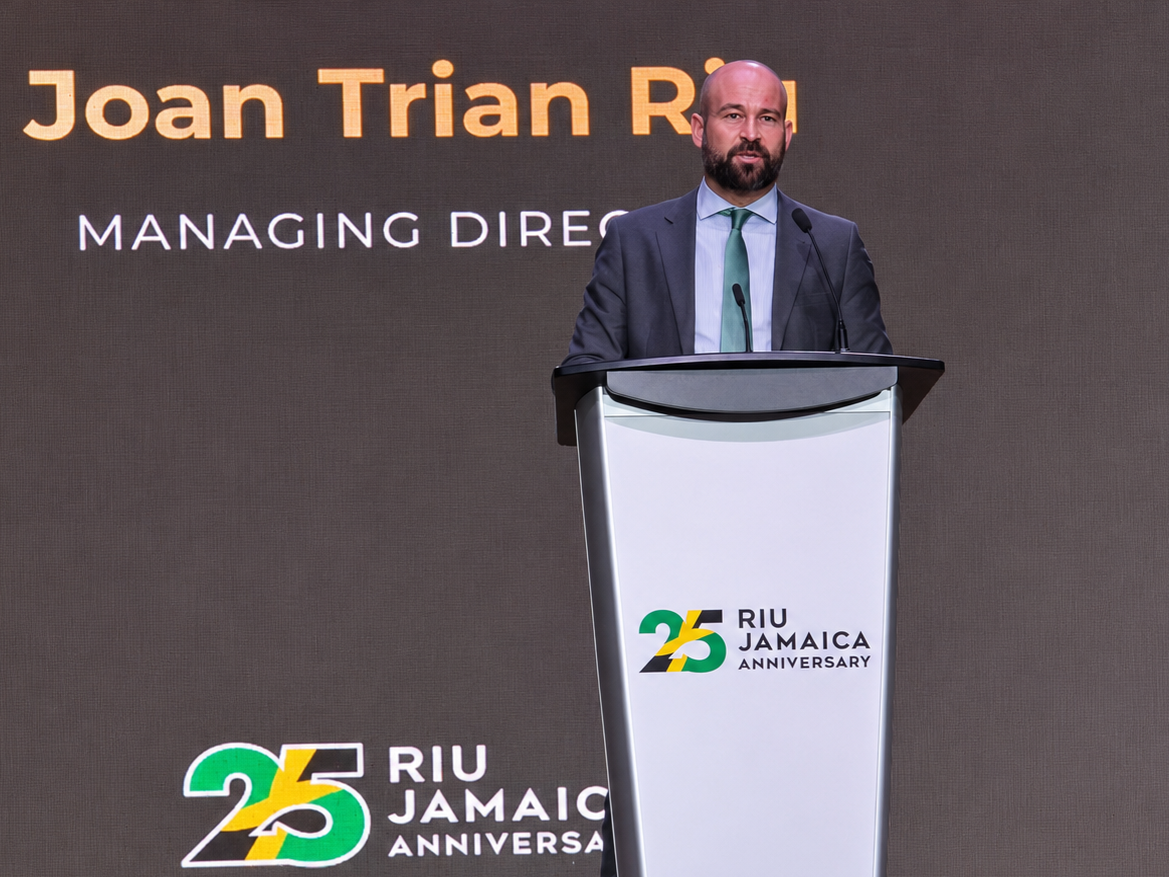
Riu’s managing director Joan Trian Riu (Photo by Ron Fanfair)
Riu said Jamaica holds a deeply unique and emotional place in his family's heart.
His uncle, Luis Riu, first visited the island in 1995 to study Jamaica's popular all-inclusive model, intending to adapt elements of it to RIU's Caribbean operations.
“But he also discovered a land of breathtaking beauty, unmatched rhythm and a spirit so magnetic that he immediately knew Jamaica had to become a central piece of RIU's future,” Riu said.
A return visit a few years later confirmed that vision.
“In 1999, he rented a car and drove along the coast to Negril,” Riu recalled. “The moment he stepped onto that beach, the decision was sealed.”
The company opened its first Jamaican property in 2001 and has since expanded to seven hotels with more than 4,200 rooms while welcoming approximately 500,000 guests annually.
RIU's operational footprint has expanded just as dramatically.
During the last five years, the company has contributed more than J$14.3 billion in taxes and social security payments, paid approximately J$12 billion in salaries and spent J$66 billion with Jamaican suppliers.
Yet Riu said the company's legacy is measured by far more than financial performance.
“Twenty-five years teach you that true hospitality is not built with concrete or accounting, but with soul,” he said. “Ninety-nine per cent of RIU's workforce are local Jamaicans. Your charisma, your work ethic and your natural warmth have created a bond so powerful that our guests do not just return to a hotel, but they return to a family.”
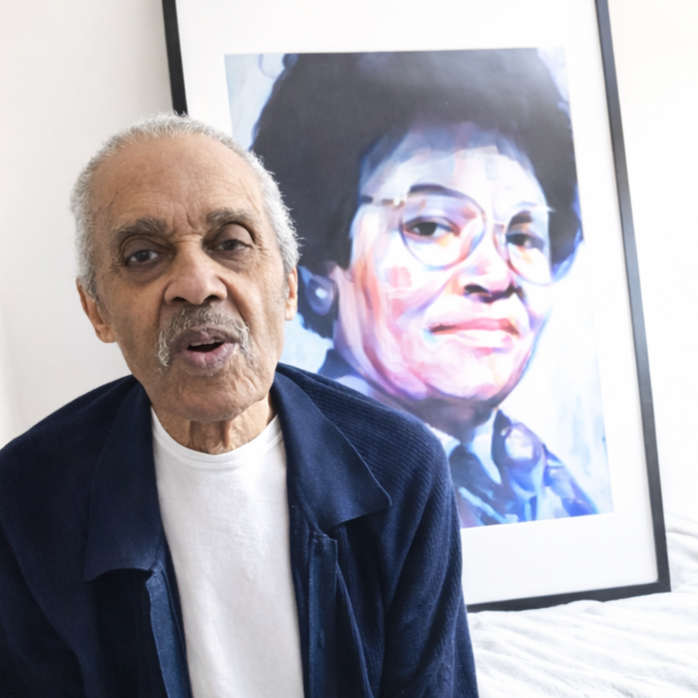
Riu also highlighted the company's support for community initiatives, including its long-standing partnership with the Elaine Allen-Bradley Pediatric Orthopaedic Foundation.
“Today we want to highlight the incredible work they do in providing physical therapy and orthopaedic devices to so many children who would otherwise struggle to access such care,” he said. “It is an immense pleasure to be part of their recovery.”
The anniversary also prompted reflection on Hurricane Melissa, one of the most difficult periods in the company's recent history.
Despite damage to facilities and the hardships faced by employees, Riu said staff members continued to put guests first.
“At the hotel, real magic happened,” he said. “Many employees facing severe hardship at home stayed and took care of our guests until they could safely return to their countries.”
The company established a US$1 million assistance fund for affected employees and partnered with World Central Kitchen to distribute more than 100,000 hot meals to impacted communities.
Riu paid tribute to the thousands of Jamaican employees who have helped build the company's success over the past quarter-century.
“To our extraordinary Jamaican team, there are no words to fully measure your worth,” he said. “You worked without schedules, without limits, keeping your guests safe and comforted while maintaining your calm and your smiles. Melissa did not change who you are. It simply shed light on the immense courage you have displayed every day for the last 25 years.”
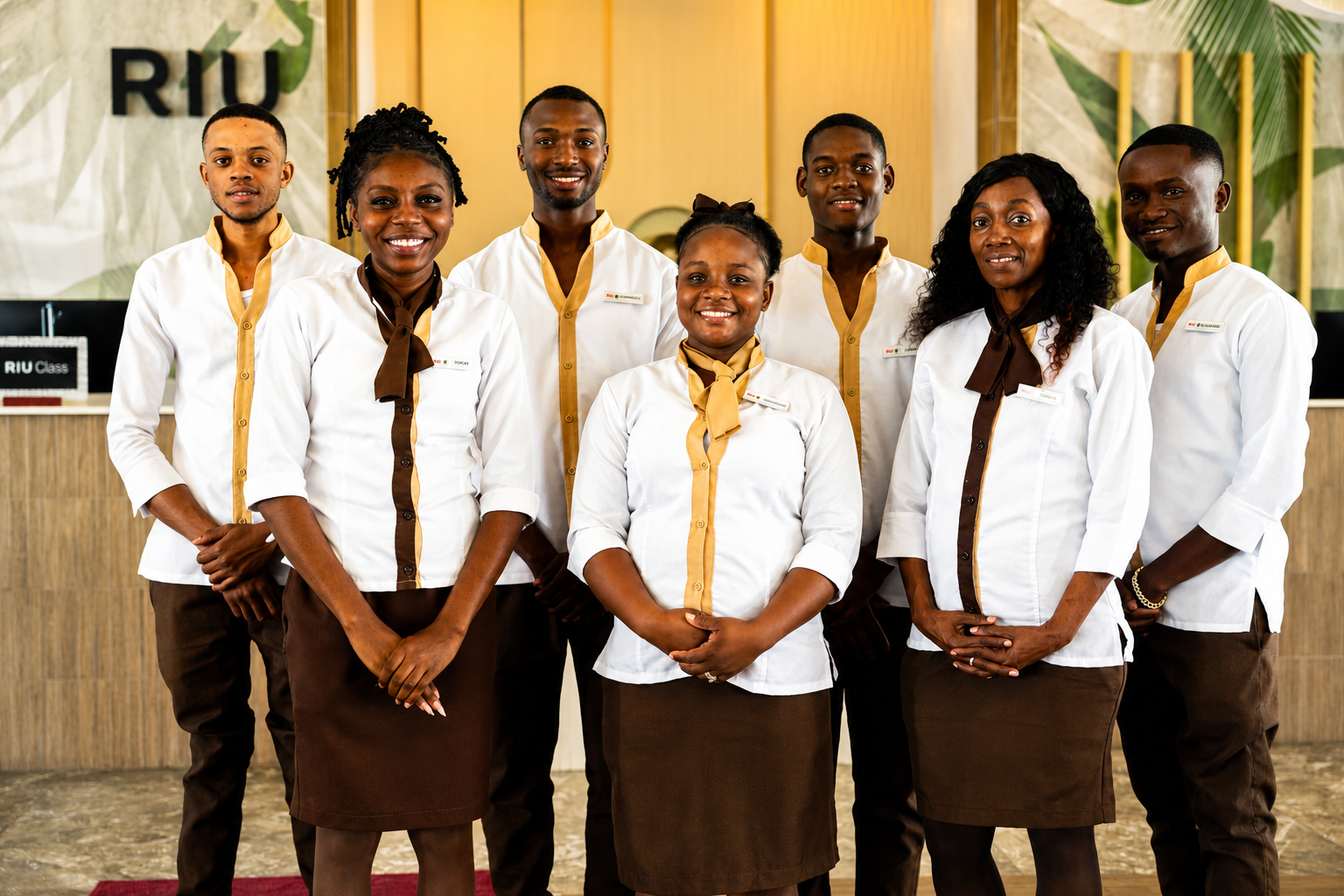
RIU's front desk staff are often the first and last employees guests encounter, making them a critical part of the overall guest experience (Photo contributed)
For RIU, the anniversary was about far more than celebrating business growth. It served as a reminder that tourism's greatest impact is not measured solely by room inventories, visitor arrivals or investment figures, but by the people whose lives it touches.
Twenty-five years after opening its first hotel in Jamaica, RIU's legacy can be seen in the careers it has helped build, the communities it has supported and the confidence it has continued to show in the country.
As government leaders and company executives looked to the future, there was a shared belief that the partnership's most significant contributions to Jamaica may still be ahead.