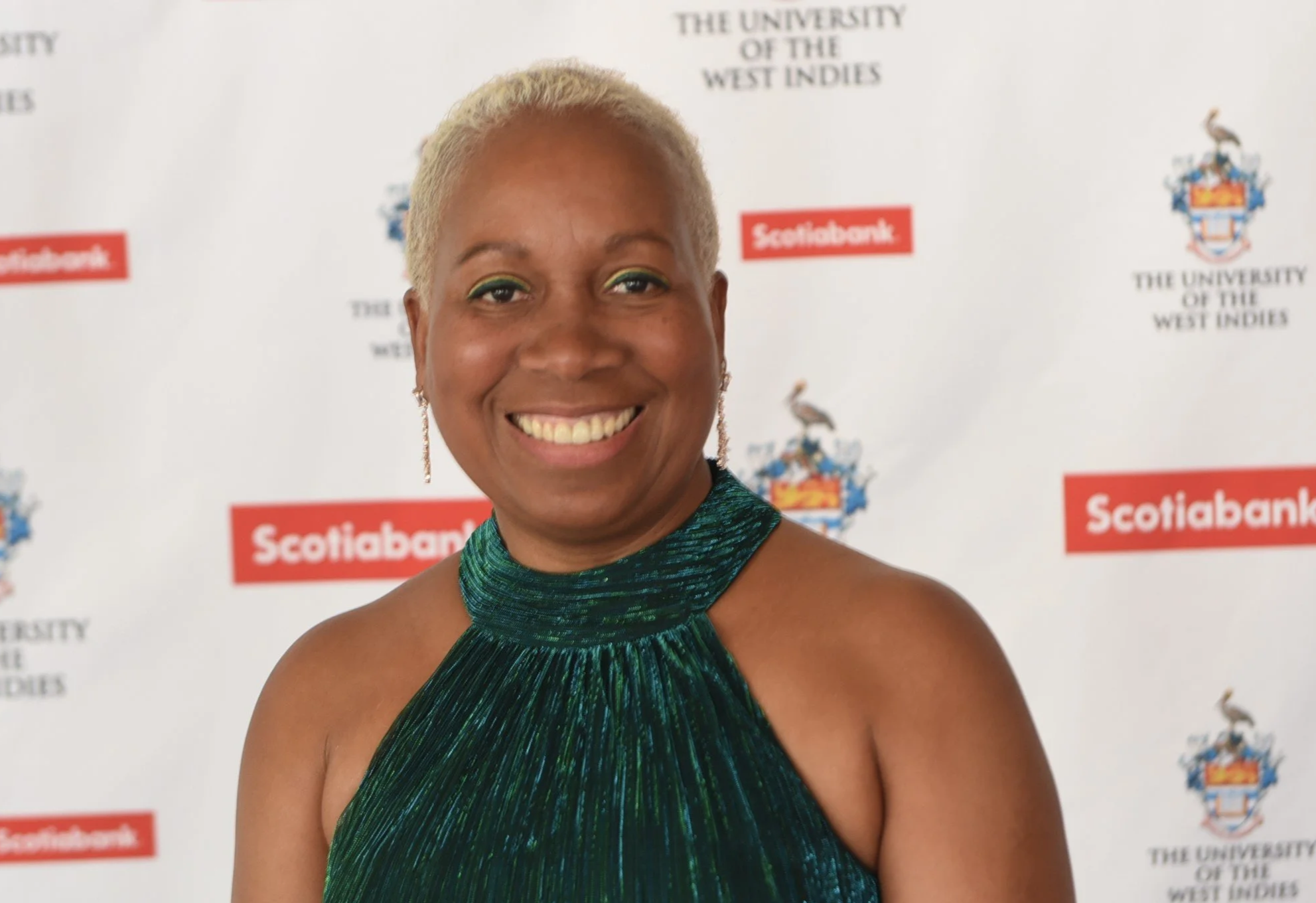
Juliet Daniel’s legacy lives beyond the lab
May 3, 2026
Dr. Juliet Daniel dedicated much of her life to confronting triple-negative breast cancer, one of the most aggressive forms of the disease.
In a cruel and deeply personal turn, it was the very disease she worked to defeat that ultimately claimed her life, bringing to a close a remarkable chapter defined by scientific brilliance, resilience and purpose.
A cancer survivor, Daniel died on April 28 at the age of 61 just a day after attending church.
Her path into cancer research was shaped early by personal loss. At just 21, following the death of her mother from ovarian cancer, she found a sense of purpose that would guide her life’s work, fueling a career rooted in both grief and determination.
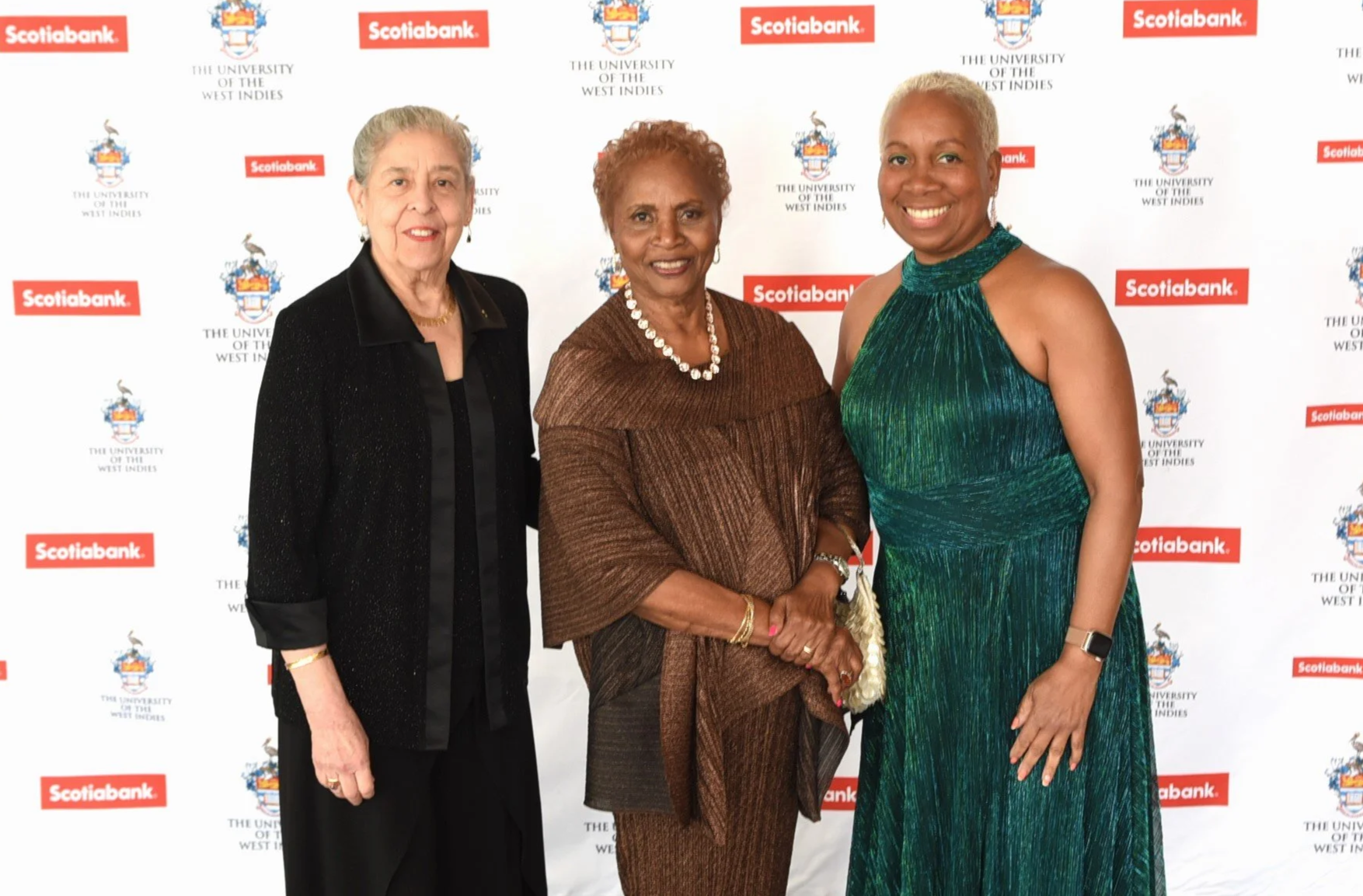
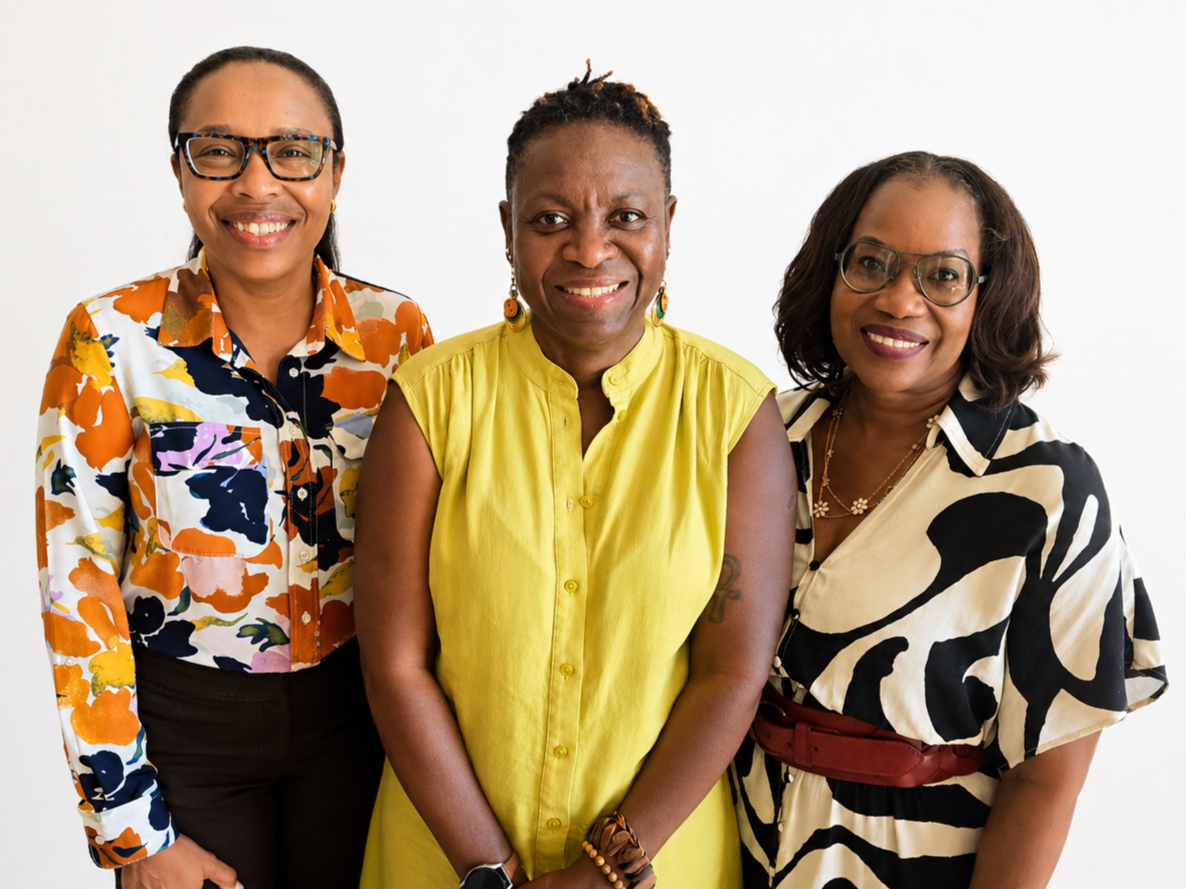
Juliet Daniel (r) with Dr. Anna Jarvis and Pamela Appelt, Canada’s first Black woman Citizenship Court Judge (Photo by Ron Fanfair)
A respected scientist, mentor and leader, Daniel devoted her career to advancing research that could offer hope where options are often limited. Her influence extended far beyond the laboratory, touching lives across borders and at the highest levels of leadership, while leaving a lasting imprint on the academic and institutional communities she helped shape.
That impact was perhaps most immediately felt within McMaster University and among those who worked closely with her.
“My friend Professor Juliet Daniel lived a life of extraordinary consequence,” said McMaster Chancellor Nicholas Brathwaite. “She was a world-class researcher and a trailblazer who led with both her heart and her mind. Her contributions to cancer research were monumental, yet she never lost her profound warmth or her commitment to her Caribbean roots.”
McMaster President & Vice-Chancellor Susan Tighe said Daniel’s death is a tragedy felt across both the Caribbean and Canada.
“The depth of our collective grief reflects her far-reaching and positive influence,” she noted. “Like so many, I admired her humanity, her skill and her strength. It genuinely seemed like she could do anything she put her mind to.”
Her leadership within the university was equally significant, reinforcing both her academic excellence and institutional impact.
Daniel served as Associate Dean of Research & External Relations in the Faculty of Science and later as Strategic Advisor to the President for the Canada-Caribbean Institute.
“Not only was Juliet a brilliant researcher, but she was also a fierce advocate for her community and an inspiring mentor for her students,” said McMaster President Emeritus David Farrar.
Working closely with the President’s Office, Daniel also helped organize the first Canadian scientific meeting of the Canadian Caribbean Institute, bringing together researchers, political leaders, and community activists to address critical issues in climate and energy policy.
As co-founder of the African-Caribbean Faculty Association at McMaster, her work further advanced a more inclusive and engaged academic environment.
“She leaves behind a powerful and enduring legacy grounded in deep commitment to community and a generosity as a mentor that many of us experienced directly,” the organization said in a statement. “For us, Juliet was more than a colleague. She was a friend, confidant, collaborator and someone who showed up consistently with care and conviction in her fierce advocacy for all. Her leadership helped build community not only among Black faculty, staff and students, but across the institution more broadly. She will be dearly missed.”

Juliet Daniel was the recipient of the Errol Barrow Memorial Award at the Barbados Charity Ball in June 2009 (Photo by Ron Fanfair)
Daniel also maintained a longstanding connection with the University of the West Indies (UWI) which had declined her application to study medicine four decades earlier. In a full-circle moment, the university awarded her an honourary Doctor of Science degree in 2021, following her receipt of the UWI Toronto Benefit Gala Vice-Chancellor’s Award in 2019.
She delivered numerous seminars at UWI and, in February 2025, led a cohort of Canadian students to connect with their UWI Cave Hill counterparts through the McMaster African Caribbean Leadership Exchange (MACLeads) programme, which provides high-impact leadership training for young people tackling challenges in the Global South, particularly in Africa and the Caribbean.
“Science thrives on curiosity and resilience,” Daniel told her young audience on that occasion. “If you are passionate about biomedical research, seek mentorship, take advantage of programmes like MACLeads and continuously develop your skills. Representation in science matters. Your perspectives and research contributions are invaluable to the global scientific community.”
UWI Vice-Chancellor Hilary Beckles said Daniel will long be celebrated for applying her brilliant mind to improving health outcomes and saving lives, particularly for women worldwide.
“In the UWI medical community, we benefitted from much of her strategic science and social sensibility,” he said. “This context, and indeed content, has long enabled us to claim her Canadian collegiality in sustaining our science agenda. She is indeed one of us.”
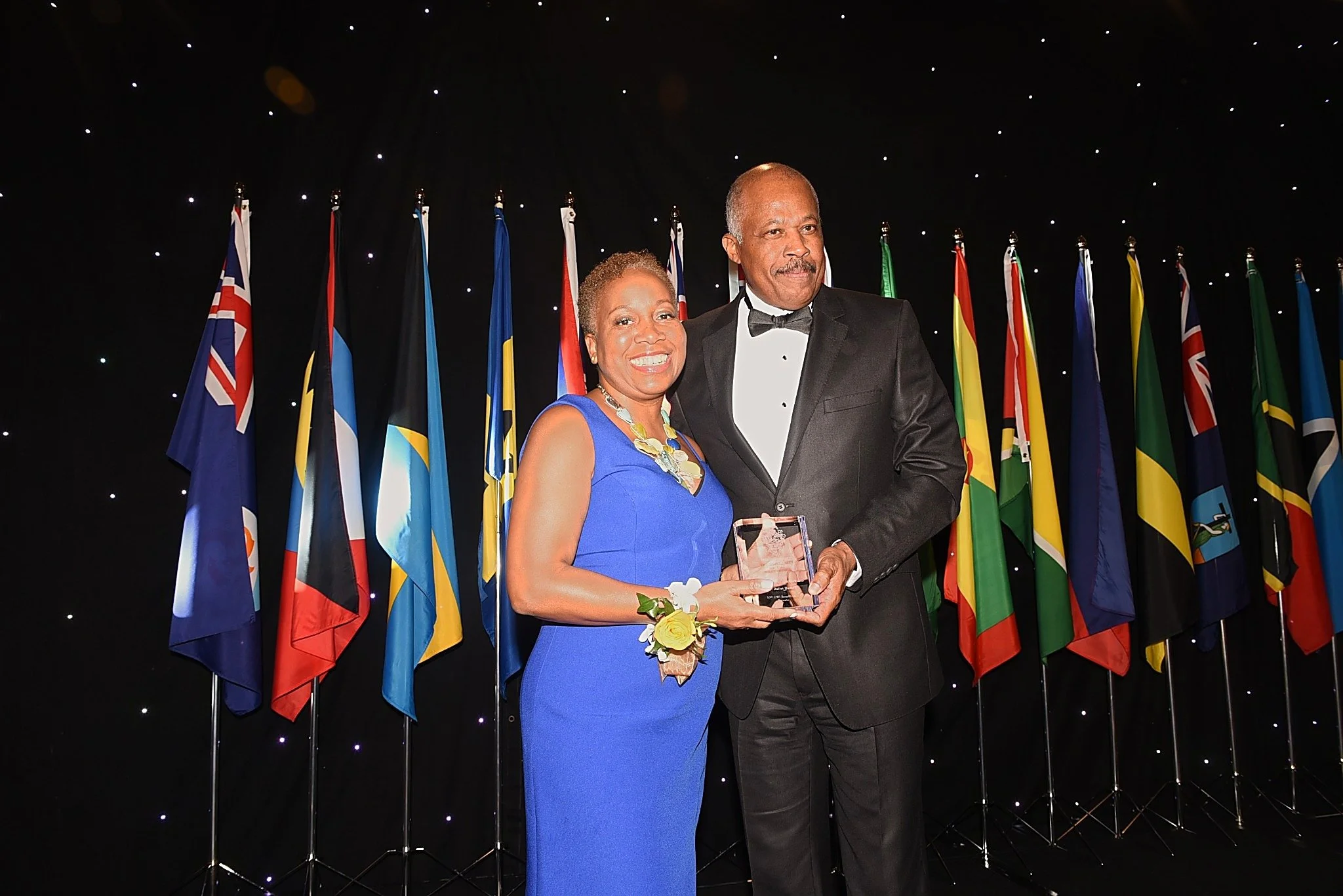
Hilary Beckles presented Juliet Daniel with the UWI Vice-Chancellor Award in 2019 (Photo by Ron Fanfair)
These reflections from academia help frame the broader national and international significance of her life and work, a recognition that also extended into political leadership.
Two days before Daniel’s passing, Barbados Prime Minister Mia Mottley -- a schoolmate and close friend -- spoke with her during a video call arranged through a mutual friend.
“Long before the world came to understand the depth of her contribution, Professor Juliet Daniel had already made history as a Barbadian-born scientist whose cancer biology research led to the discovery and naming of the Kaiso gene,” she said. “This was a global scientific achievement that carried both her brilliance and her Caribbean identity into the international scientific community.
“I was immensely proud of her achievements and of her as a person. She was a true friend during the COVID-19 pandemic. She helped us understand the science of what we were confronting, introduced us to leading members of the medical and scientific community in Canada and connected us with entities willing to assist in sourcing critical equipment at a time when small countries struggled to find support. She also helped us establish critical infrastructure, including the Barbados Living Lab.”
Beyond her scientific achievements, Mottley said Daniel’s legacy was equally defined by how she lived.
“Juliet made an impact in every space she entered, guided by a clear sense of purpose and a genuine love of life,” the Prime Minister added. “Those who knew her understood quickly that family was at the centre of that purpose. Her bond with her brother was strong, but it was her nephews who brought her the greatest joy. She lived a brave and meaningful life, one that leaves behind not only a lasting scientific legacy, but a powerful human story of resilience, generosity and enduring impact.”
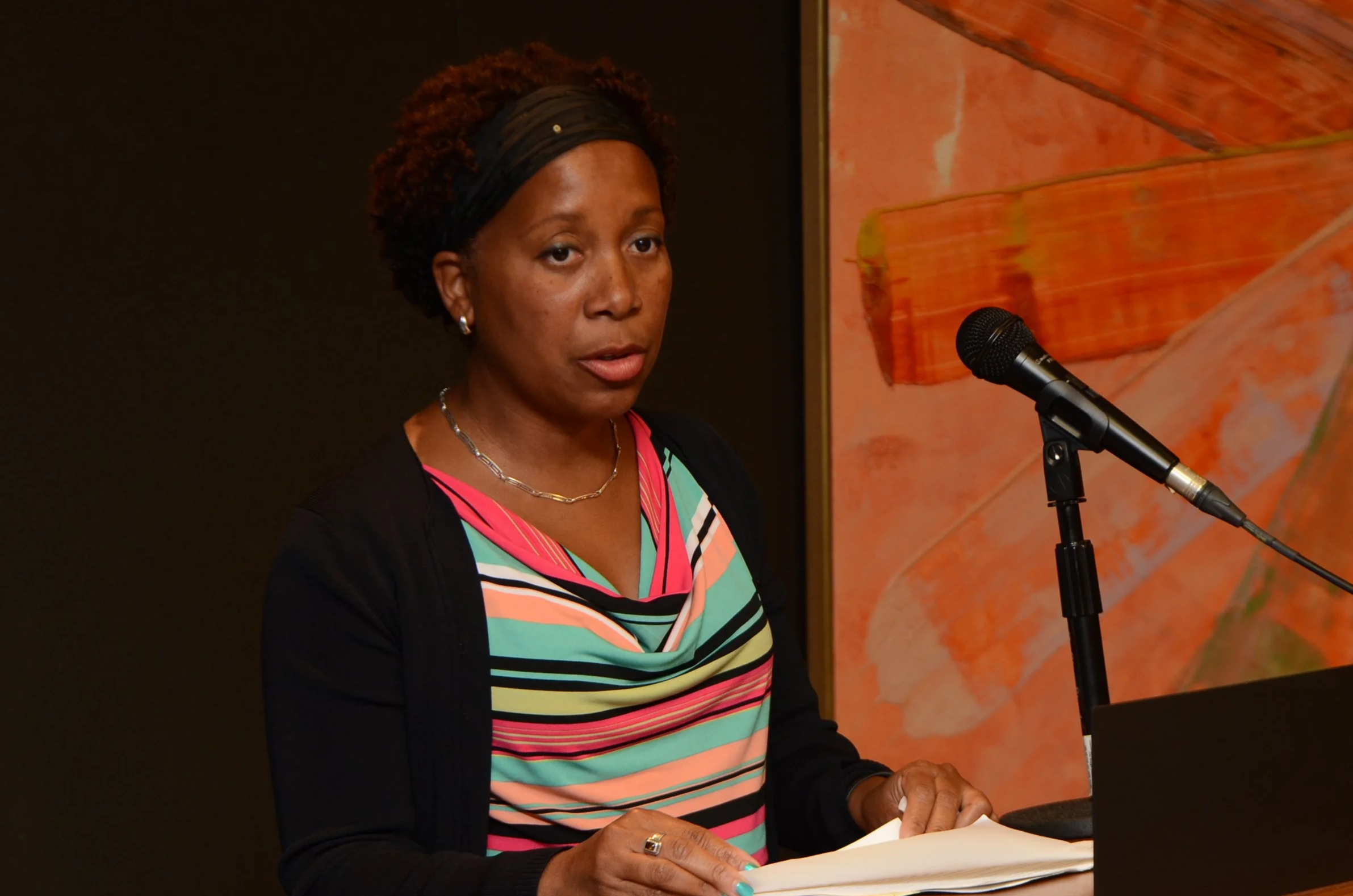
Juliet Daniel speaking at a community event in Toronto (Photo by Ron Fanfair)
Kay McConney, Barbados’ Minister of Education, Technological and Vocational Training, was also a schoolmate of Daniel at Queen’s College.
The two shared breakfast just six weeks ago during Daniel’s last visit to Barbados, a moment that now carries added poignancy.
“There were some other friends with us and we had a blast,” McConney said. “Juliet was lively and a ton of fun. Without a doubt, she lived, loved and laughed. Every moment, every message and every move she made had meaning. Her earthly story has no Romeo, but it has a rollicking romance with life that we who loved her unconditionally were privileged to be part of.”
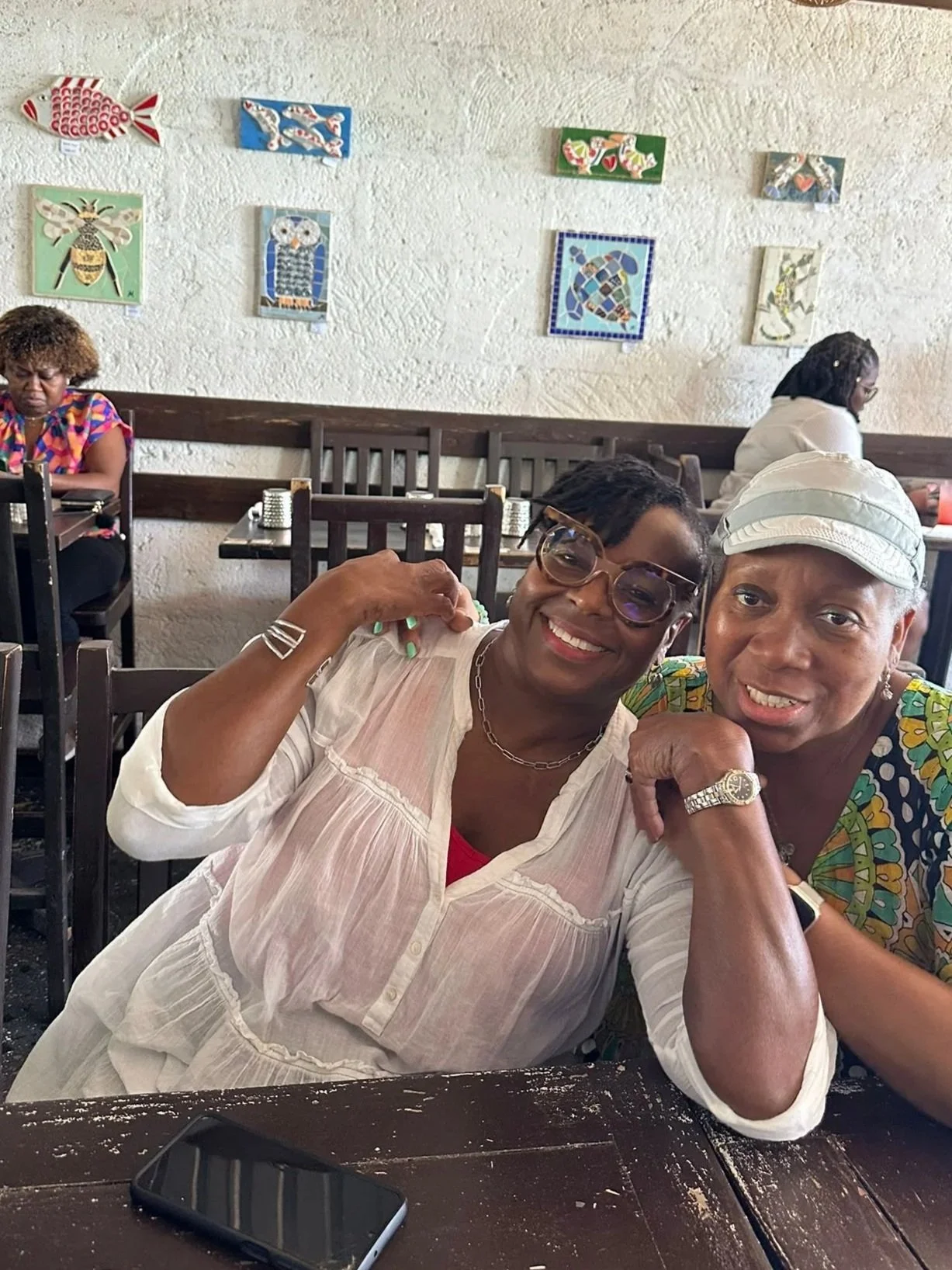
Kay McConney enjoyed breakfast with Juliet Daniel on March 21 in Oistins, Barbados (Photo contributed)
Reflecting on Daniel’s character, McConney underscored the qualities that defined both her personal and professional life.
“With a brilliant mind, a heart for people and a charitable spirit, she was a rebel with a cause,” noted the former Barbados Consul General in Toronto. “When she harnessed her passion, she was relentless, unapologetic and courageous in standing up for what she believed in and for whom she cared. She left no stone unturned for her cause, whether inspiring young Black students to become scientists, raising the profile of Black excellence in science and in every profession, supporting young people through mentorship to pursue their dreams or bringing critical research insight to solving cancer challenges that disproportionately affect Black people and communities of colour. She made science a community service.”
That commitment to purpose now raises urgent questions about how her work can endure.
“A question that lingers now is how do we keep her research alive, not only as a symbol of our love for her, but as a potential saviour for our community,” said McConney who was the driving force behind the formation of Barbados Ball Canada Aid. “We don’t know what our tomorrow will bring in terms of any of us being affected by cancer. I hope her research continues to give every survivor a chance for a cure.”
Daniel’s influence, however, was not limited to research. It extended into the lives she directly inspired.
McConney recalled a defining moment involving her own family.
“The very first time my daughter attended a formal awards ceremony, at age nine, was as Juliet’s guest to support her as she was honoured for her work as a scientist,” she said. “This inspired my daughter to choose to pursue a career in STEM.”

Professor Emeritus George Alleyne (l), Francilla Greaves, Juliet Daniel and the Barbados High Commissioner to Canada Evelyn Greaves at the Barbados Charity Ball in June 2009 (Photo by Ron Fanfair)
McConney introduced Daniel to Pamela Appelt, Canada’s first Black woman citizenship judge, nearly 20 years ago and the two developed a close friendship.
Appelt accompanied her to Barbados last March.
“I had not been there for many years and happily accepted her invitation,” she said. “During the five days we spent there, we visited her lab and met with some of her collaborators on the island. We had a great time. Juliet was a phenomenal woman, and I feel blessed to have shared the final chapter of her active life.”
That same sense of purpose and humanity shaped how others experienced Daniel, both personally and professionally.
Having known her for almost 50 years, Mark Beckles said the loss is profound.
“Anyone who knew Juliet back then knew she was destined for greatness,” the retired financial services executive said. “She possessed a sharp mind and was very curious. She always wanted to solve complicated issues, so it was no accident that she became a scientist. Yet, science was not her first love. People were, and youth in particular. Mindful of her own academic journey, she felt compelled to ensure that students with potential, but who faced barriers, could access the same opportunities with the support needed to secure their futures.”
That commitment to youth development found lasting expression in one of her key initiatives.

Catherine Joseph (l), Nicole Baxter, Juliet Daniel & Wendy Beckles co-founded The Canadian Multicultural LEAD Organization for Mentoring & Training (Photo by Ron Fanfair)
In 2007, Daniel, Catherine Joseph, Nicole Baxter and Wendy Beckles co-founded The Canadian Multicultural LEAD (Leadership, Empowerment, Achievement & Determination) Organization for Mentoring & Training to empower young people.
Through their participation in the program, nearly 94 percent of high school students have transitioned from high school to college/university and the workforce.
Daniel was first diagnosed with cancer in 2009.
“When I got the news, I experienced every emotion you could think about, including shock, fear and anxiety,” she said in an earlier interview.
With the support of family, friends and faith, she endured multiple surgeries and treatments, an experience that deepened both her resilience and her commitment to her work.
That resilience, however, was rooted in a journey that began long before her diagnosis.
Her parents -- her mother, a housewife, and her father, a craftsman who made antique-style mahogany furniture -- scrimped and saved to send their eldest child overseas.
Daniel enrolled at Queen’s University where she completed a Life Sciences degree in 1987.
After earning her Ph.D. in microbiology at the University of British Columbia in 1993, she spent six years as a post-doctoral research fellow between Memphis and Nashville. During her first three years at St. Jude Children’s Research Hospital, she identified and cloned “Kaiso,” a protein that regulates gene expression linked to cell proliferation and, when disrupted, may contribute to tumour progression.
Daniel’s time in Memphis also exposed her to harsh social realities, shaping her worldview beyond science.
“The first 10 days were a nightmare and I almost packed up and came back to Canada,” she recalled. “I couldn’t get a driver’s license which was needed to open a bank account. I broke down in tears at the bank pleading to open an account and making it clear that I was there to deposit a cheque and not steal money. There was this teller who told me to calm down and asked where I was going to work. When I told her I was a new employee at St. Jude, she queried if I was a doctor and asked why I didn’t tell her that from the start. That was a rude awakening for me and it aroused my interest in Black history. I really immersed myself in Black culture after that experience.”
When Daniel’s supervisor relocated the lab to Vanderbilt University Medical Center in 1996, she continued her work before returning to Canada in October 1999.
The following month, she joined McMaster University as an assistant professor, becoming the first Black woman faculty member in the Faculty of Science and one of the few Canadian researchers examining cancer health disparities at the molecular genetic level.
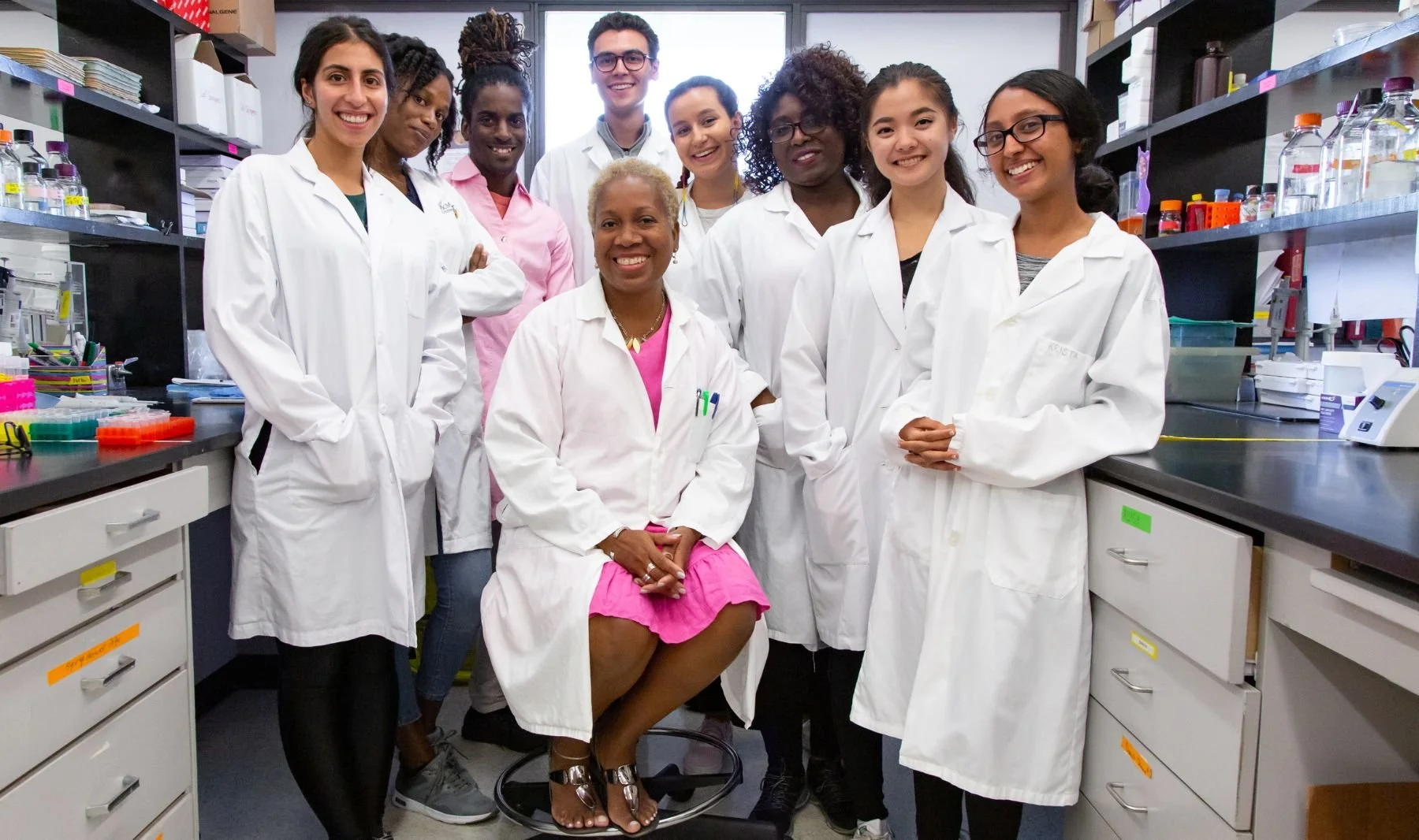
Juliet Daniel surrounded by student researchers in her lab in 2019 (Photo by Jamie Kaushal)
Daniel’s impact at McMaster and beyond was profound, not only in advancing cancer research, but in confronting systemic gaps in how science serves diverse populations.
Her research, funded nationally and internationally, has been cited more than 6,400 times.
Over the years, Daniel received numerous honours recognizing both her scientific excellence and community impact. In Canada, those accolades included being named a Black Innovator in Research and Medicine by the Canadian Intellectual Property Office in 2024, election to the Canadian Academy of Health Sciences, and being awarded the title of Distinguished University Professor at McMaster University, its highest faculty honour.
Her contributions were also recognized beyond academia.
Daniel received the Barbados Gold Crown of Merit in addition to Harry Jerome, African-Canadian Achievement, the YWCA Hamilton Woman of Distinction, the Black Arts & Innovation Expo Trailblazer, the Ontario Premier’s Research Excellence and the John Holland awards, reflecting her broad impact across research, leadership and community advocacy.

Juliet Daniel (r), Kardinal Offishall (l) and Roger Mahabir were the recipients of Trailblazer Awards at the second annual Black Arts & Innovation Expo in February 2016 (Photo by Ron Fanfair)
Beyond accolades, her work remained grounded in addressing a critical and often overlooked gap in modern science, the underrepresentation of Black populations in genomics research which is a disparity that has contributed to biased findings and poorer health outcomes.
In response, a ground-breaking research initiative aimed at improving precision medicine for chronic diseases among Black communities in Canada secured significant funding.
Titled Genomic Evidence for Precision Medicine for Selected Chronic Diseases Among Black Peoples in Canada, the project was approved for up to $17.6 million over four years, with Genome Canada contributing up to $8.3 million after inviting the Canadian Black Scientists Network (CBSN) to develop a proposal addressing the issue.
Daniel was part of a team that included McGill University professor Loydie Jerome-Majewska, Dalhousie University professor OmiSoore Dryden and Upton Allen of SickKids Hospital, leading work that represents a significant step toward more equitable healthcare solutions.
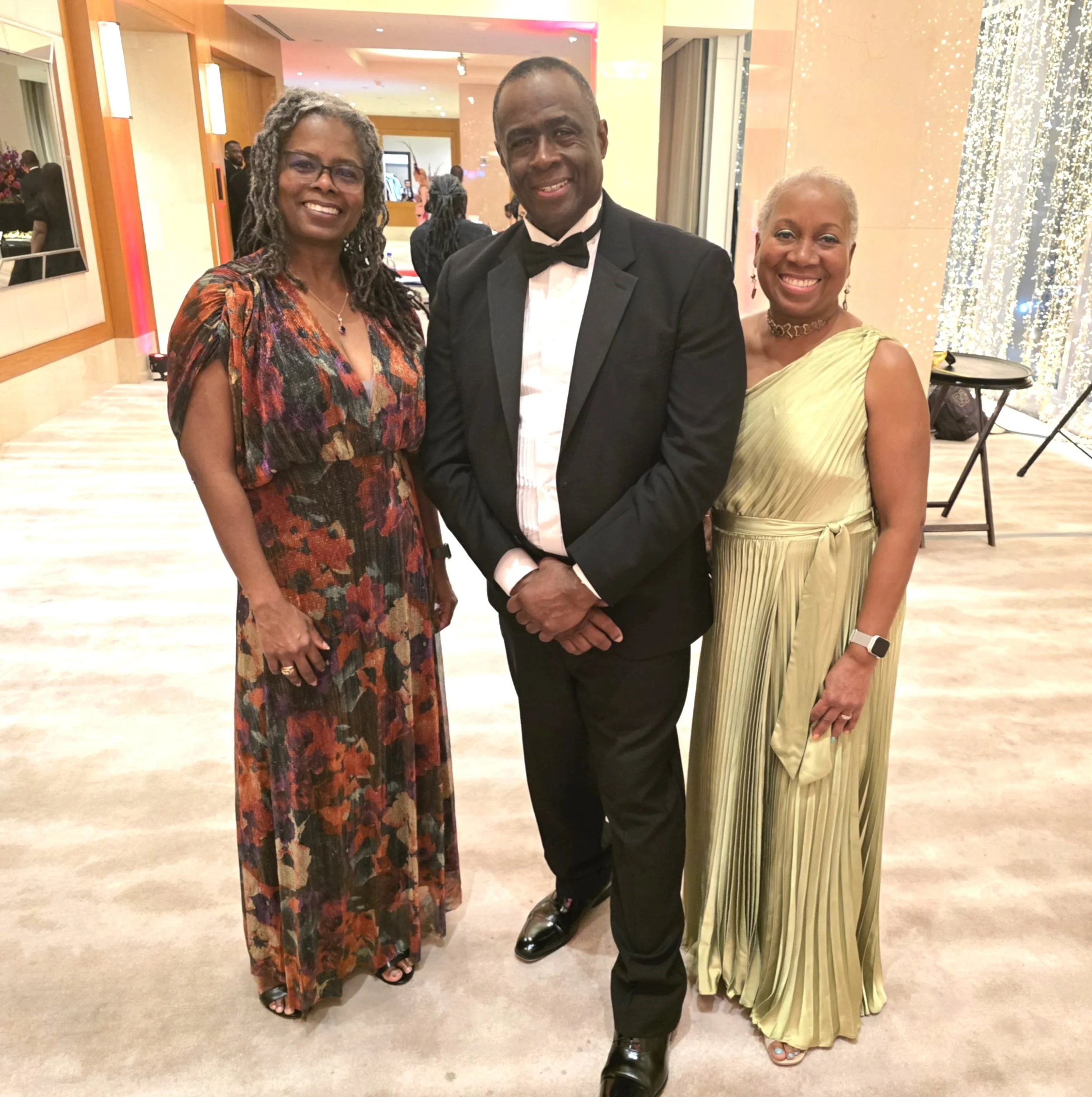
Loydie Jerome-Majewska (l), Upton Allen & Juliet Daniel (Photo by Ron Fanfair)
At its core, the research draws on genomics, the study of an organism’s complete set of genetic material, helping scientists better understand disease and tailor treatments to specific populations.
That work reflected the broader purpose that defined Daniel’s career, advancing science while addressing inequity.
Dr. Shawn Hercules, who worked in her lab, said her mentorship was transformative.
“Dr. Daniel impacted me and changed my life forever,” he said. “She saw potential in me during a brief meeting in Barbados and took a chance on me to pursue my doctorate in her lab at McMaster University. In addition to her academic mentorship and giving me endless opportunities to achieve academic success, she gave me space for my own personal development and growth and allowed me to embrace myself fully. I will remember her as a second mom to me. She was kind and always pushed me to reach my full potential in spite of me not always seeing that vision and potential that she saw. I will always have deep love and appreciation for her.”
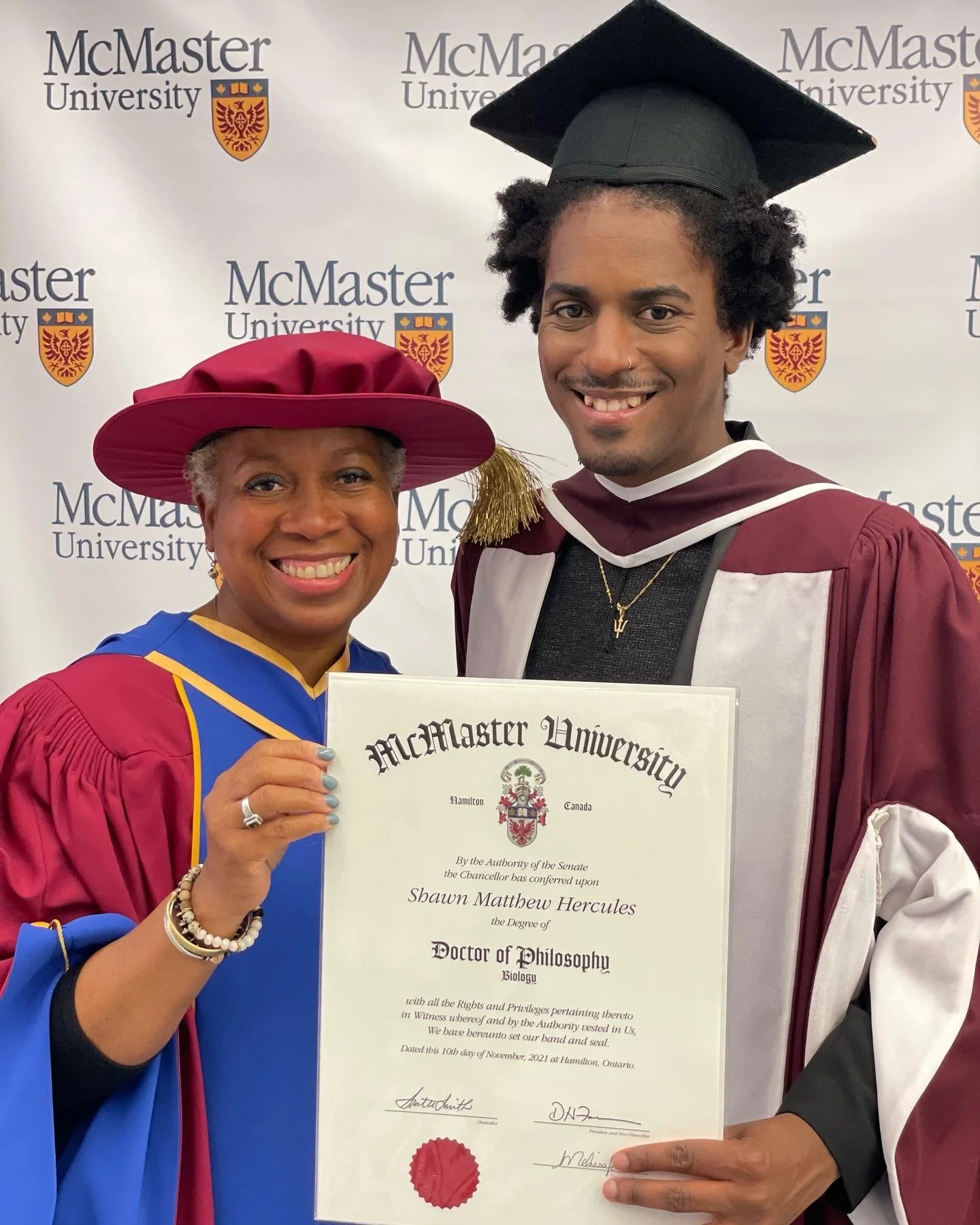
Juliet Daniel with Shawn Hercules who received his doctorate in 2021 (Photo contributed)
That commitment to mentorship extended beyond academia into community partnerships. One of the most significant was with The Olive Branch of Hope, co-founded by Leila Nicholls-Springer to support Black women diagnosed with breast cancer.
“I first met Dr. Daniel in 2013 after being introduced by an Iranian colleague who, having learned of Juliet’s background and her research focus on breast cancer and its impact on Black women, felt it was important that we connect,” she said. “That introduction proved to be both meaningful and timely. At the time, being a fairly new organization and the only organization in Canada with a focus on black women with breast cancer, we were in urgent need of credible, evidence-based research to strengthen our work, and Juliet was exactly the right person to help us move forward. We were both overjoyed to discover that we shared Barbadian roots, which deepened our connection almost instantly.”
Their work extended beyond Canada into the Caribbean, reinforcing the global reach of Daniel’s impact.
“We worked together on workshops in Jamaica and Barbados where we donated over $30,000 to the Jamaican and Barbados Cancer society to support the women who needed mammograms but could not afford them,” added Nicholls-Springer. “She was especially excited when we were gifted two acres of land in Barbados where we hope to build a health centre that would host her very own Julian Daniel lab and serve not only Barbadians but the Caribbean region. That project became her fundraising aspiration.”

Sandrea Maynard (l) who is the UWI Pro Vice-Chancellor of Global Affairs, Vivian Lewis who is McMaster University Associate VP and Librarian, Juliet Daniel & Clover Hemans who is the former President of the Federation of Medical Women of Canada (Photo by Ron Fanfair)
In the end, Daniel’s legacy is not confined to laboratories or lecture halls. It lives in the communities she helped empower, the inequities she worked to dismantle and the lives she touched through both knowledge and compassion.
She pursued answers to some of medicine’s most difficult questions, but never lost sight of the people behind them, transforming science into service and leaving a legacy that will continue to inspire long after her voice is gone.
Daniel’s visitation will be held on Friday, May 8, from 1–5 p.m. and 5–9 p.m. at Circle of Life Cremation & Burial Centre, 100 King St. E. in Dundas. A private interment will follow.
A celebration of her life will take place on May 30 at 10:30 a.m. at Heartland Church, 1100 Canadian Place in Mississauga.
Instead of flowers, donations can be made to The Canadian Multicultural LEAD Organization for Mentoring and Training www.theleadorg.com