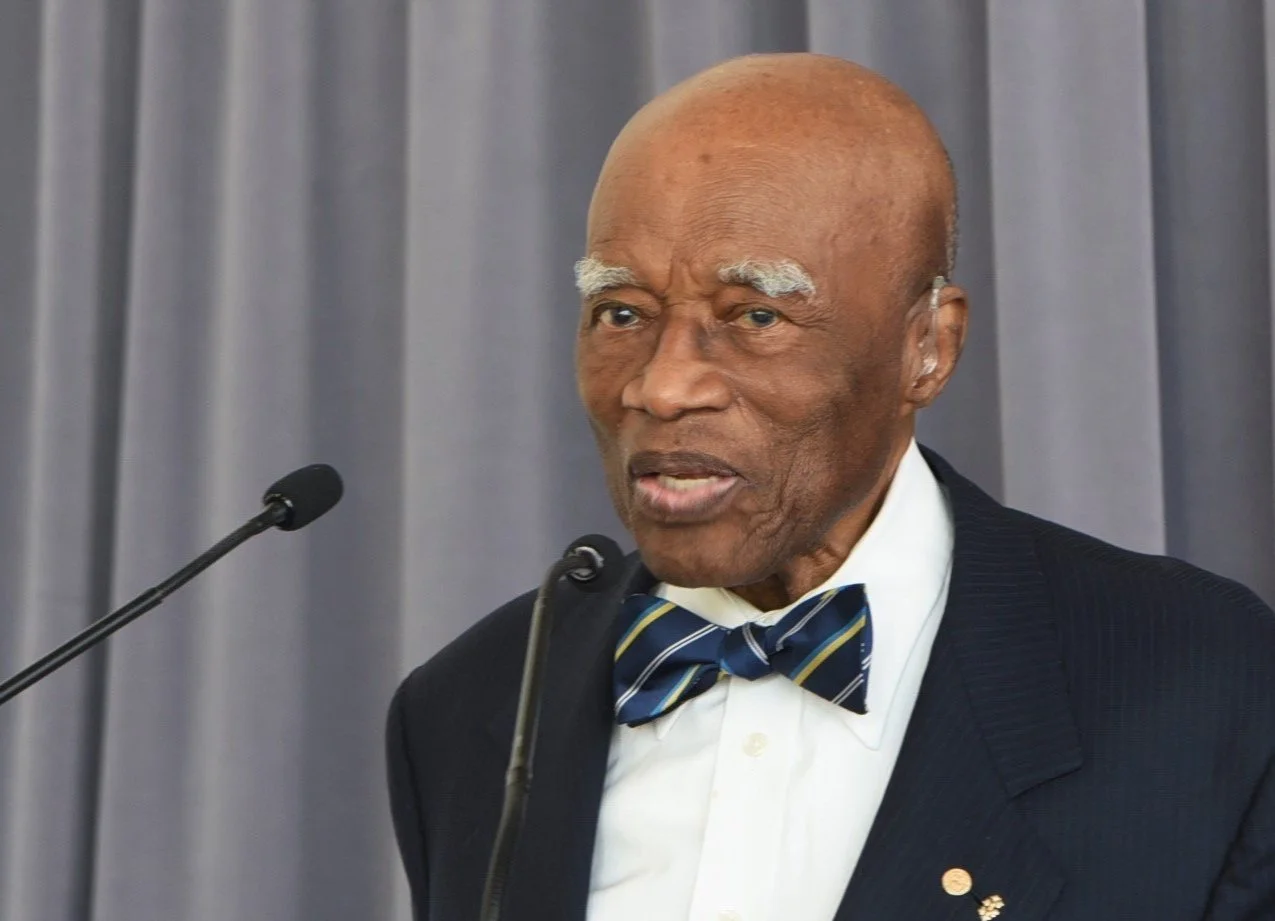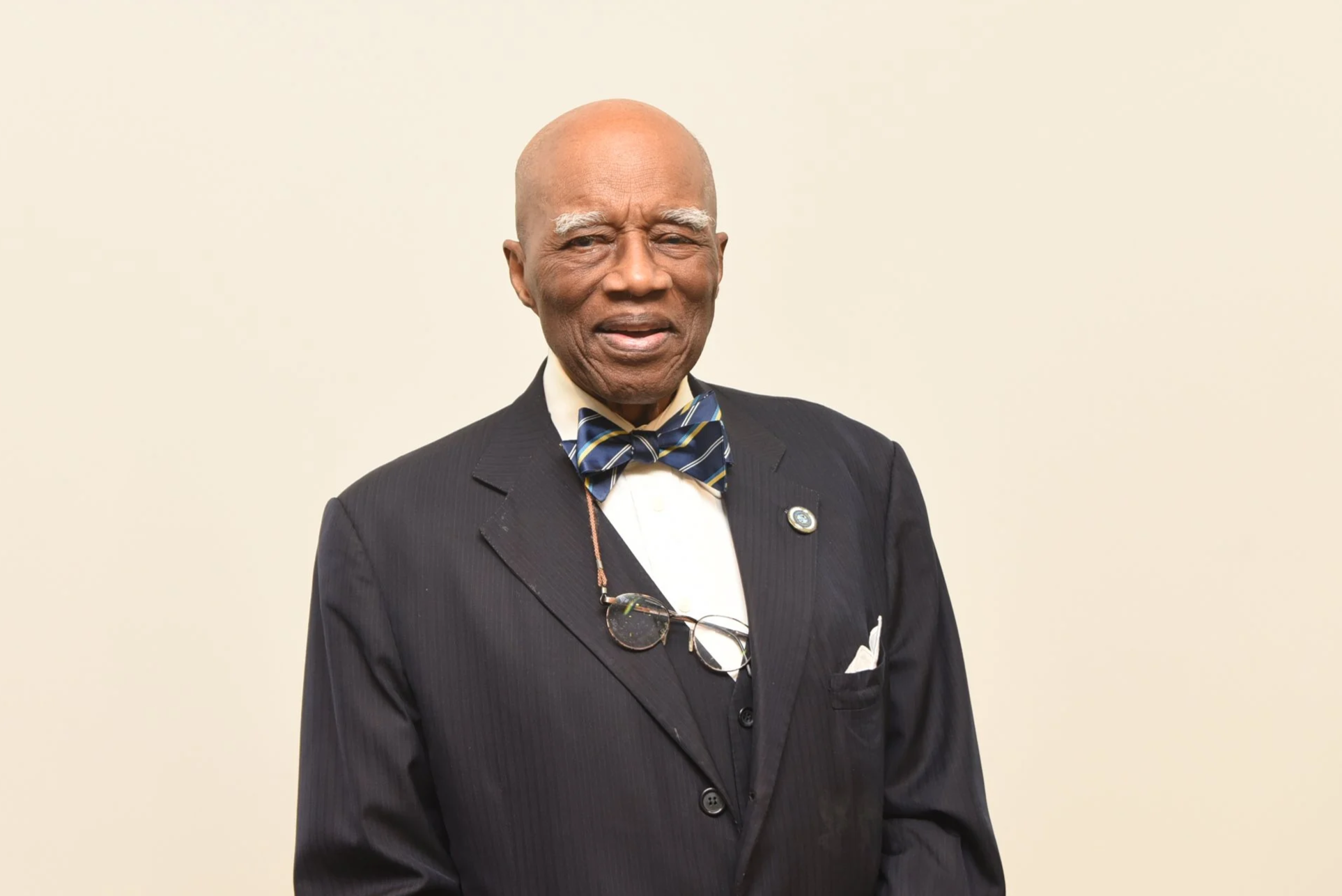
Arthur Downes opened doors and brought communities together
November 1, 2026
Some of Sheldon Taylor’s most enduring lessons about Canada came while riding in Arthur Downes’ old Chrysler.
On their way to community meetings, he explained politics, shared his knowledge of Canadian institutions and helped a younger man understand the society whose Black history he would later document.
Taylor had known him since 1971.
Across the decades, those conversations grew into a relationship sustained by Downes’ willingness to share his knowledge, introduce people and help others find their footing.
The community elder, who died on October 30 at age 99, offered that guidance with little fanfare. He supported community organizations, encouraged younger people and nurtured relationships between Toronto’s Black and Jewish communities.
Fashion consultant and filmmaker Linda Carter, who was related to Downes through her mother’s family, remembered the warmth and enthusiasm behind those commitments.
“He was full of joy, love and history and he always had stories,” the former model said.
Joe Halstead encountered the same generosity when he was relatively new to Canada and accepted an invitation to join Eureka Lodge about 50 years ago.
Downes was among the established members who welcomed him.
“In his quiet, unassuming way, he kind of grabbed us younger guys under his wing and began to tutor us, tell us the value and benefits and the lifestyle,” Halstead recalled. “He was very kind and very generous with his time and taught us all the principles of Freemasonry.”
For the former Ontario assistant deputy minister, the relationship remained personal and affectionate long after those early lessons.
“I had a very warm relationship with him,” Halstead said. “He was always the elder gentleman.”
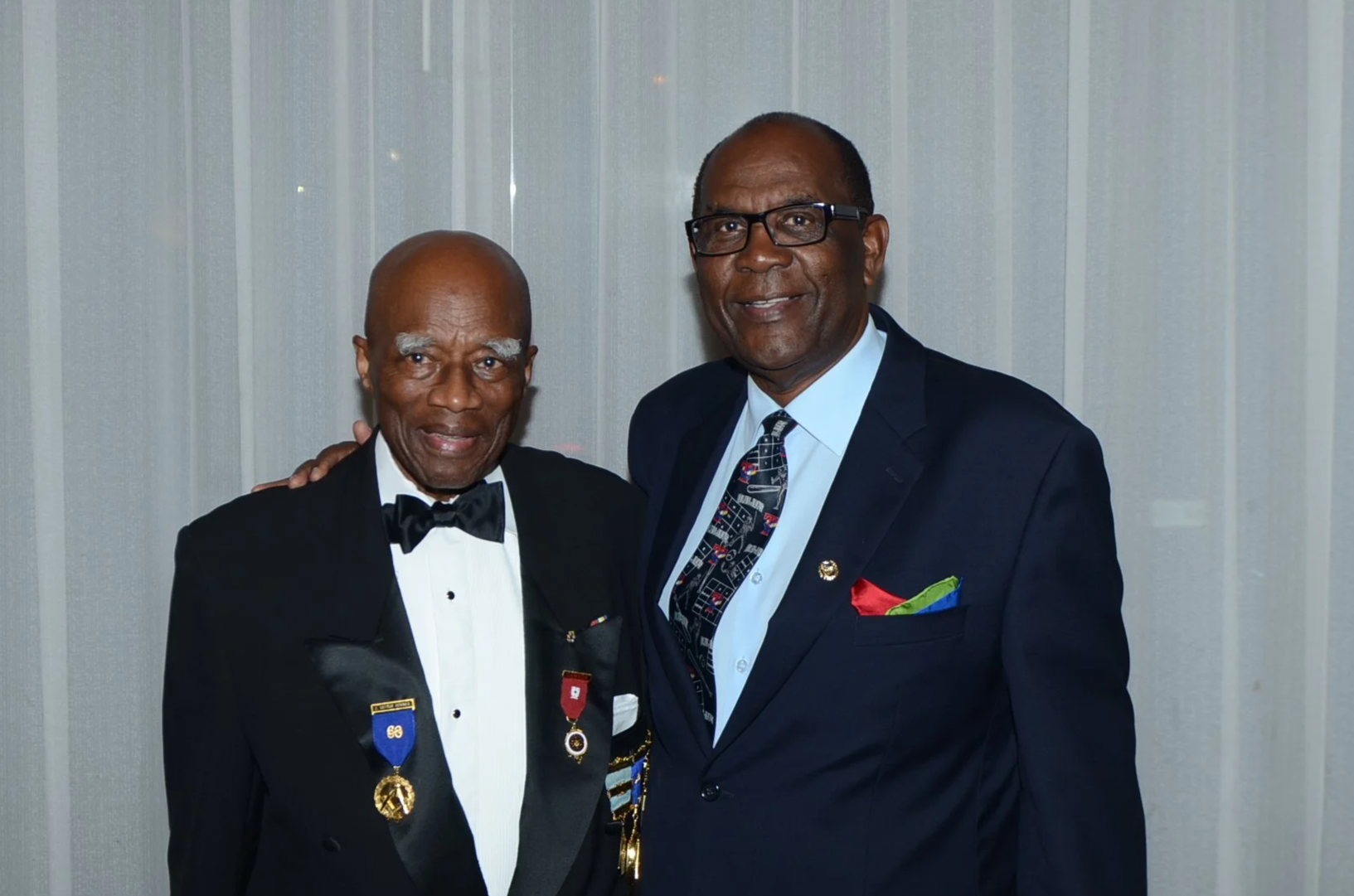
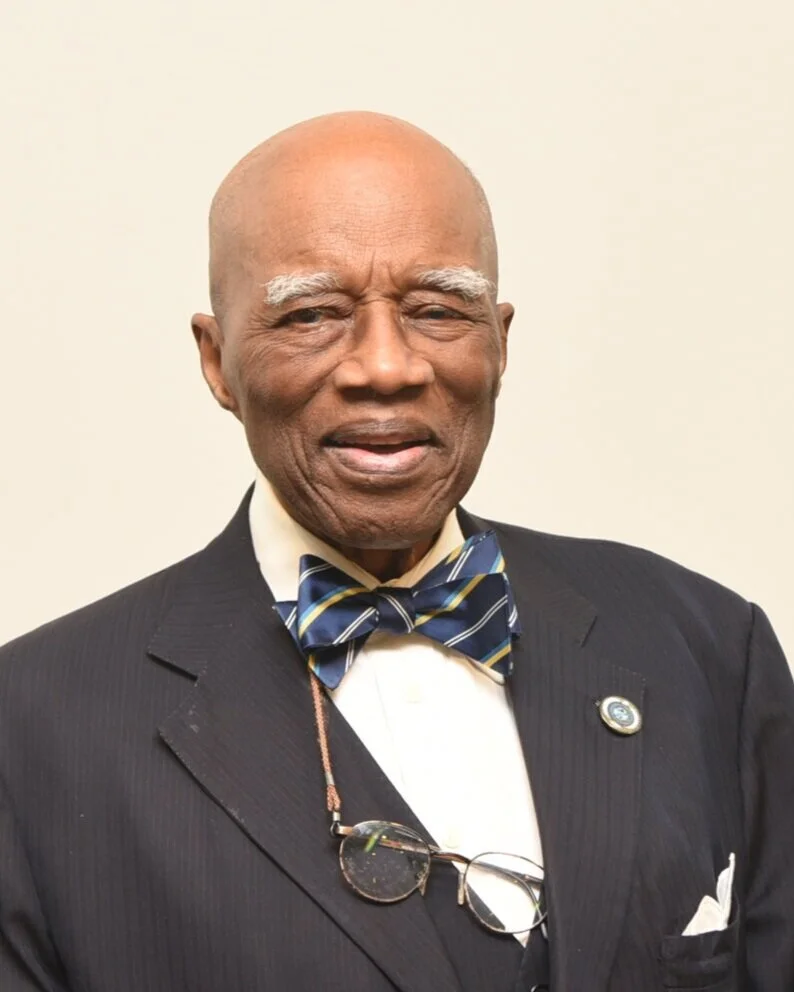
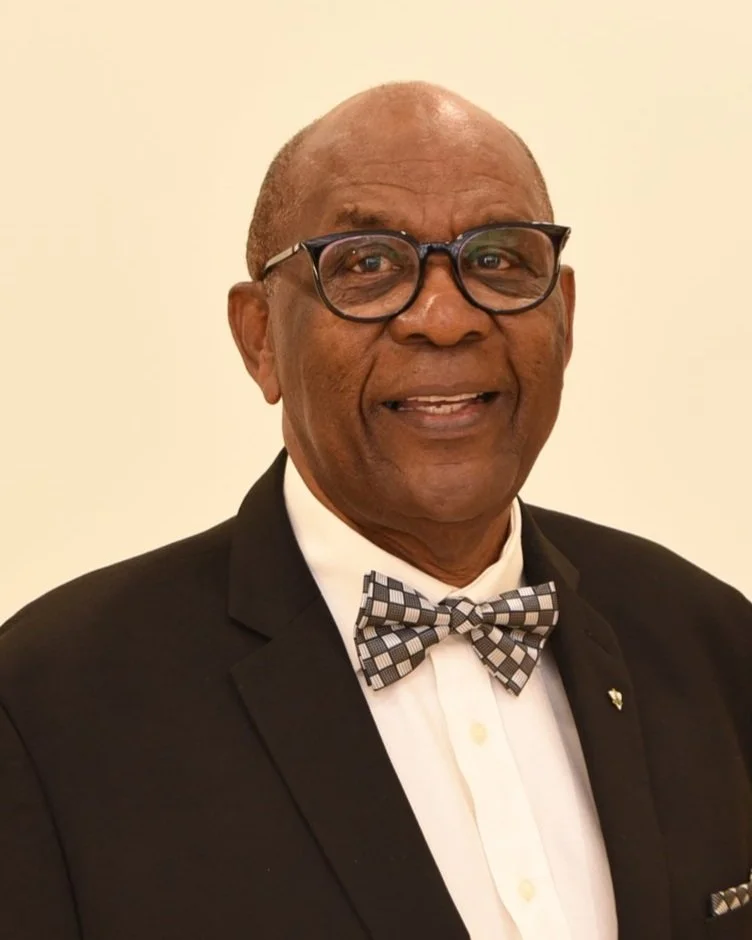
Arthur Downes (l) and Joe Halstead (Photo by Ron Fanfair)
Taylor’s memories reveal the range of Downes’ interests and the practical nature of his mentorship.
Having worked for clothier Harry Rosen, he understood men’s fashion and took the time to share that knowledge.
“Arthur was a champion of men’s fashion,” Taylor said. “I got all my advice as a young man in terms of how to dress and how to put a knot in my tie from him.”
Downes guidance extended beyond clothing to the relationships Taylor needed to pursue his work.
The historian recalled a distance that sometimes existed between established Black Canadian families and more recent Black immigrants.
Downes and the late Malcolm Streete helped him gain acceptance among people whose experiences and memories were important to his research.
“Arthur was a good linchpin, just like Malcolm Streete was for me,” he said. “I got acceptance in that community, so it was easier for me to do my work. An introduction from him carried credibility. He knew the people, understood the community and was prepared to put his standing behind a younger person.”
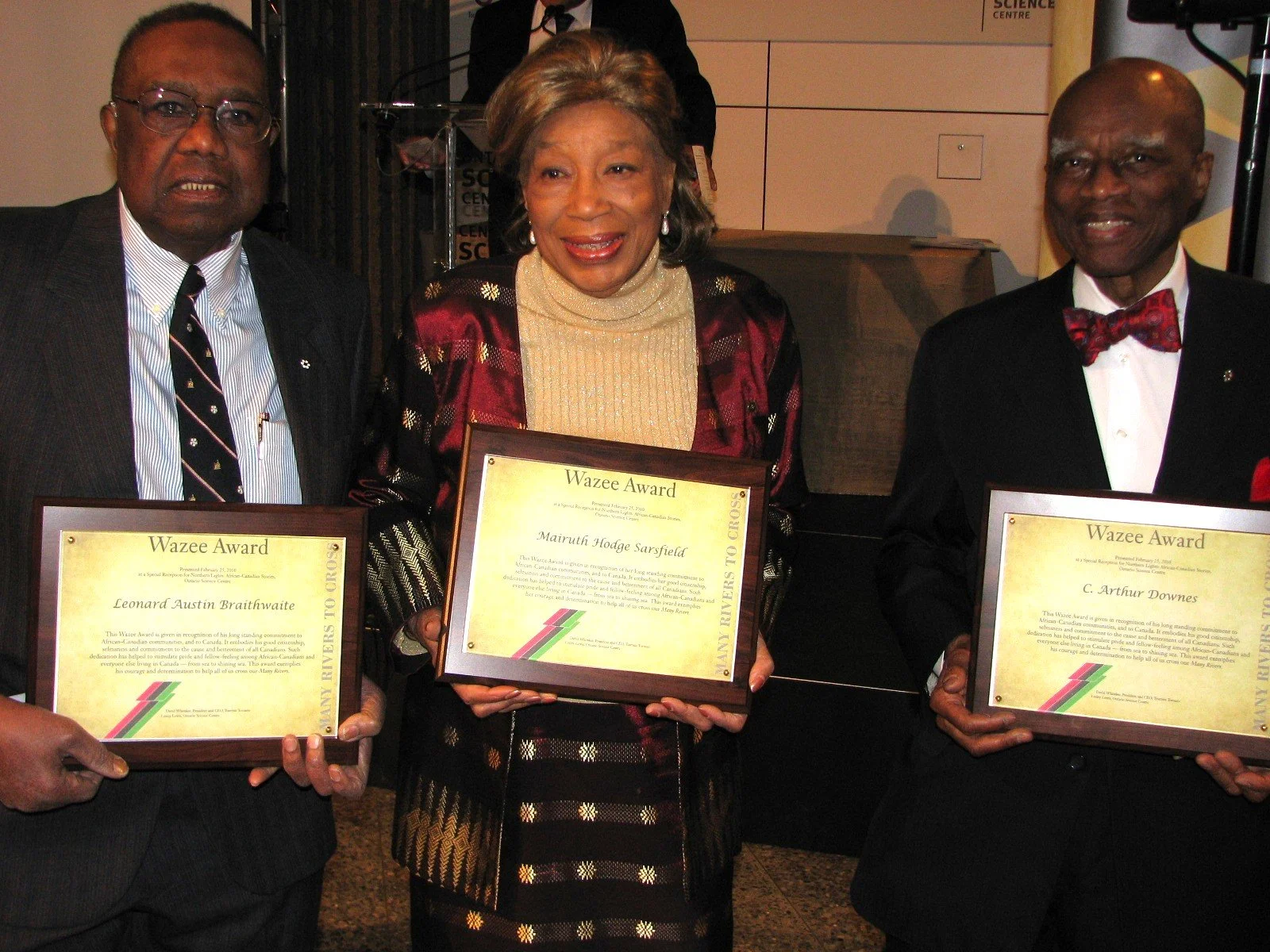
Leonard Braithwaite (l), Mairuth Sarsfield & Arthur Downes were presented with Wazee Awards in 2010 (Photo by Ron Fanfair)
That support continued throughout Taylor’s university studies.
“He worked and supported my efforts concerning wanting to have contacts for Black history events,” the former National Black Coalition of Canada regional chair said. “When I went into university, at my three different levels in terms of degrees, he was there to provide contacts.”
Through St. Michael and All Angels Anglican Church, Downes introduced Taylor to Bishop Arthur Brown, who also supported Taylor’s youth organization.
Their association extended into efforts to improve relations between Toronto Police and the Black community.
With the support of National Black Coalition regional chair Kay Livingstone, Downes, research chemist Thomas Massiah and Taylor made a presentation to Toronto Police in 1972. Their work helped establish liaison committees between police and the Black community.

Arthur Downes (l), Thomas Massiah and Sheldon Taylor (Photo by Ron Fanfair)
Taylor remembered travelling to meetings near Bayview and Finch, a journey that seemed considerably farther in the Toronto of that era. The work required sustained participation, and the drives gave Downes another opportunity to share what he knew.
He brought the same commitment to his relationships with Toronto’s Jewish community.
Taylor, Downes and Morley Wolfe co-curated The Ties That Bind, an exhibition examining connections between the Black and Jewish communities, including the importance of Harbord Collegiate Institute.
Wolfe, Downes’ friend since their Harbord school days, died in August 2026.
“It was one of my smaller exhibitions, but it had an impact, particularly in the Jewish community, because it was well received,” noted Taylor.
Downes’ friendships gave the exhibition a personal foundation. He had attended school with people from immigrant neighbourhoods who went on to become professionals.
“He was well respected in that community,” said Taylor.
Those longstanding connections also informed Downes’ involvement in the Black/Jewish Dialogue, relaunched in 2000. His approach drew on the familiarity of growing up alongside one another, while recognizing that later generations did not necessarily have the same opportunities to form those friendships.
In a 2020 interview with ronfanfair.com, Downes described the motivation behind his community involvement.
“I enjoyed communicating and bringing people together,” he said. “It really didn’t matter what the field of endeavour was. I felt that if I was sitting at a table, I could see a viable alternative method to what the struggle was all about. Those were the areas I moved into where I could compete favourably.”
His service reached into education, diplomacy, health care, the arts and the justice system.
Downes was a Justice of the Peace in Ontario from 1978 to 1997, a Humber College lecturer and honorary consul for the Republic of Guinea for 16 years until 2009.
He was the founding board chair of Doctors Hospital Foundation, now Kensington Foundation, and served on boards supporting health and community services. He also served as vice-president of the Brampton Symphony Orchestra.
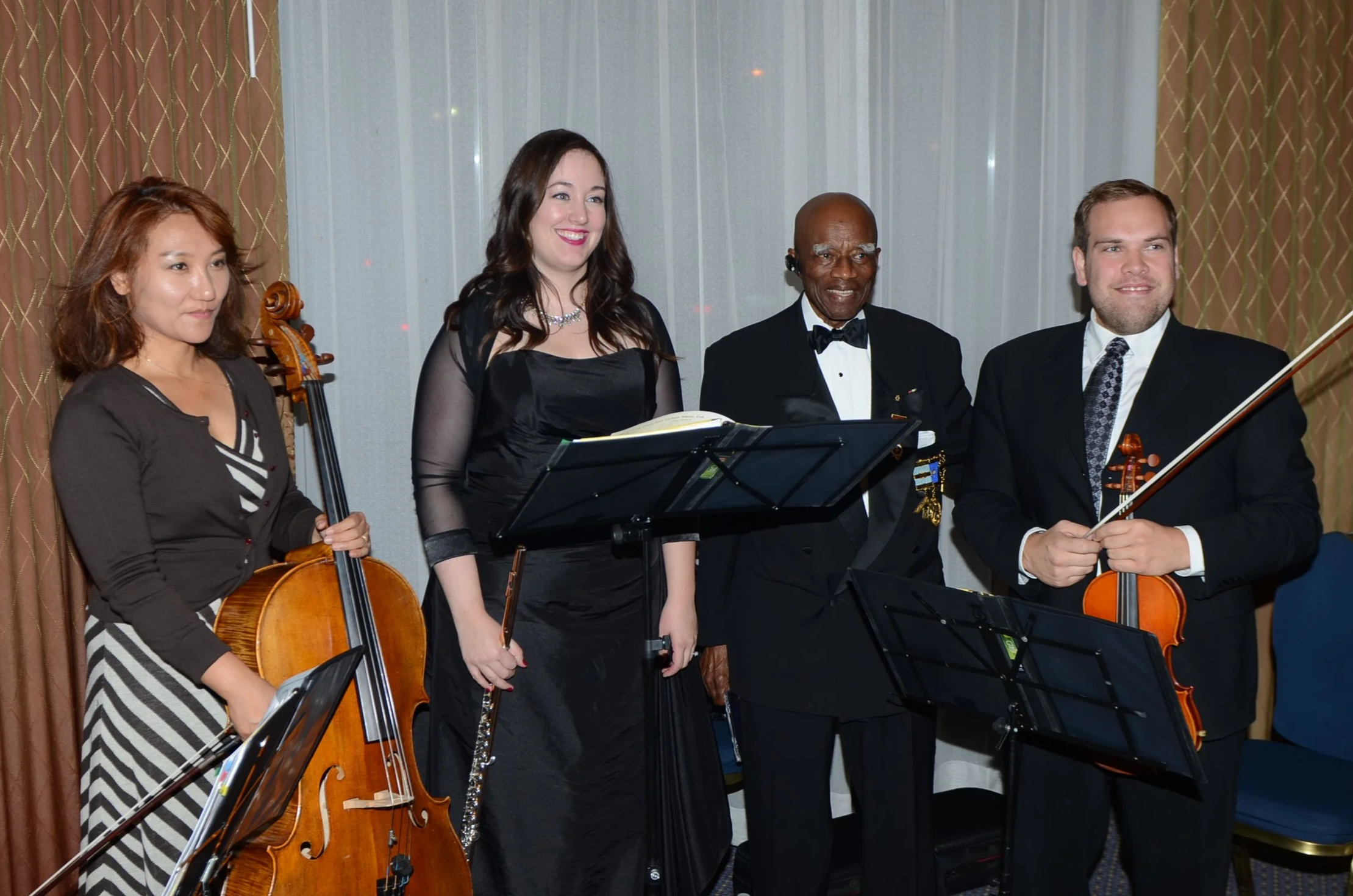
Arthur Downes with Brampton Symphony Orchestra members (Photo by Ron Fanfair)
Downes long association with Freemasonry began when he joined Eureka Lodge No. 20 in February 1949. He served as Worshipful Master and became one of Canada’s first Black Grand Masters.
His other Masonic roles included past potentate of Hadji Temple No. 61, trustee of the Scottish Rite United Supreme Council’s Northern Jurisdiction, honorary past imperial potentate of the Ancient Egyptian Arabic Order Nobles of the Mystic Shrine, illustrious deputy of the Orient of Eastern Canada and Southern Jurisdiction Sovereign Grand Inspector General.

Worshipful Grand Master Stanley Henry (l) and Grand Senior Warden Desmond Richards with Arthur and Joan Downes at a celebration to mark Downes' 50th year in September 2013 as a Most Worshipful Prince Hall Grand Lodge member (Photo by Ron Fanfair)
Those responsibilities reflected a commitment that spanned much of his life.
Taylor also remembered Downes’ involvement in Club 65, a social and reunion club for older men who had grown up in Toronto’s Harbord Village area. Much of his work, however, seldom became part of his public profile.
“Much of the work that he did, he never spoke about,” he said. “He was not an imposing figure. He wasn’t out there.”
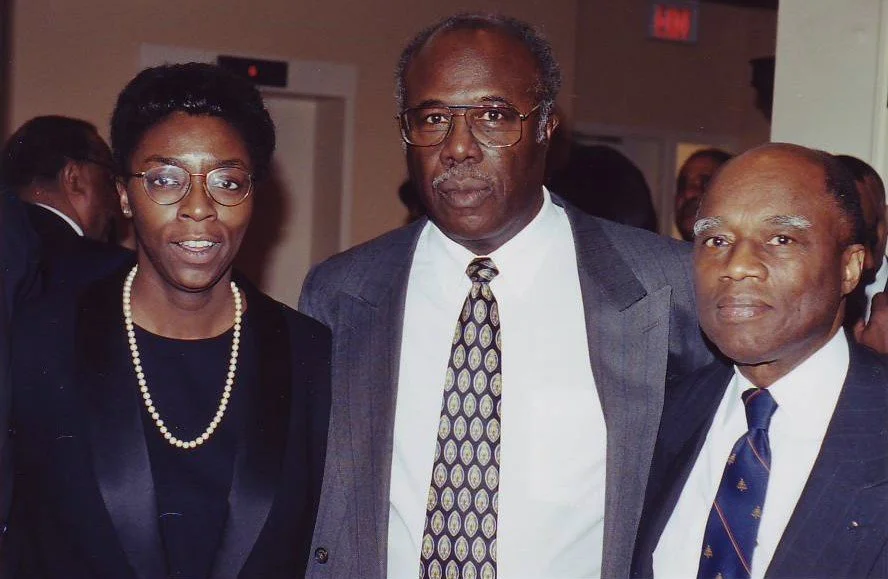
Arthur Downes (l) with Lee Ann Mercury and her godfather Art Kirkwood at Al Mercury’s funeral in April 1998 (Photo by Ron Fanfair)
Born on August 8, 1927, Downes was the son of Caribbean immigrants. His father, Dudley, came from Barbados, and his mother from Jamaica.
He completed high school at Harbord in 1945 and became a jeweller’s apprentice. Later, he studied political science at the University of Toronto’s Woodsworth College, though family responsibilities prevented him from completing the program.
His own educational path was interrupted, but he continued to help others pursue their studies and ambitions.
Downes also took an active interest in the history of the neighbourhood where he grew up. He won a Harbord Club competition, launched in 1979, for research into the origin of Harbord Street’s name.
Over time, his contributions brought recognition from institutions he had served and communities he had helped connect.
He received an honorary Doctor of Letters from the now-closed Mary Holmes College in Mississippi and was invited a few months later to deliver its commencement address.
In 2015, he received the Order of the Diocese of Toronto, recognizing outstanding volunteer service. The Ontario Black History Society presented him with a Lifetime Achievement Award in January 2020.
His family connections reached into other areas of Canadian public and cultural life. He was a cousin of the late jazz pianist Wray Downes, who was once married to Marguerite ‘Peggy’ Downes, Ontario’s first Black woman honorary aide-de-camp. She died in 2009.
Downes is survived by his wife Joan and their children Douglas and Keisha.

Arthur Downes (second from left) with his wife Joan, children Keisha and Douglas, Douglas’ partner Lisa Puopolo and goddaughter Jill Vanderkooy Mather (far left). (Photo by Ron Fanfair)
The family’s place in Toronto’s history received a lasting public acknowledgment in 2022.
Asked to suggest Black candidates for street naming, the Ontario Black History Society recommended the Downes family. Downes attended the July 26 ceremony with Joan, Douglas and other relatives.
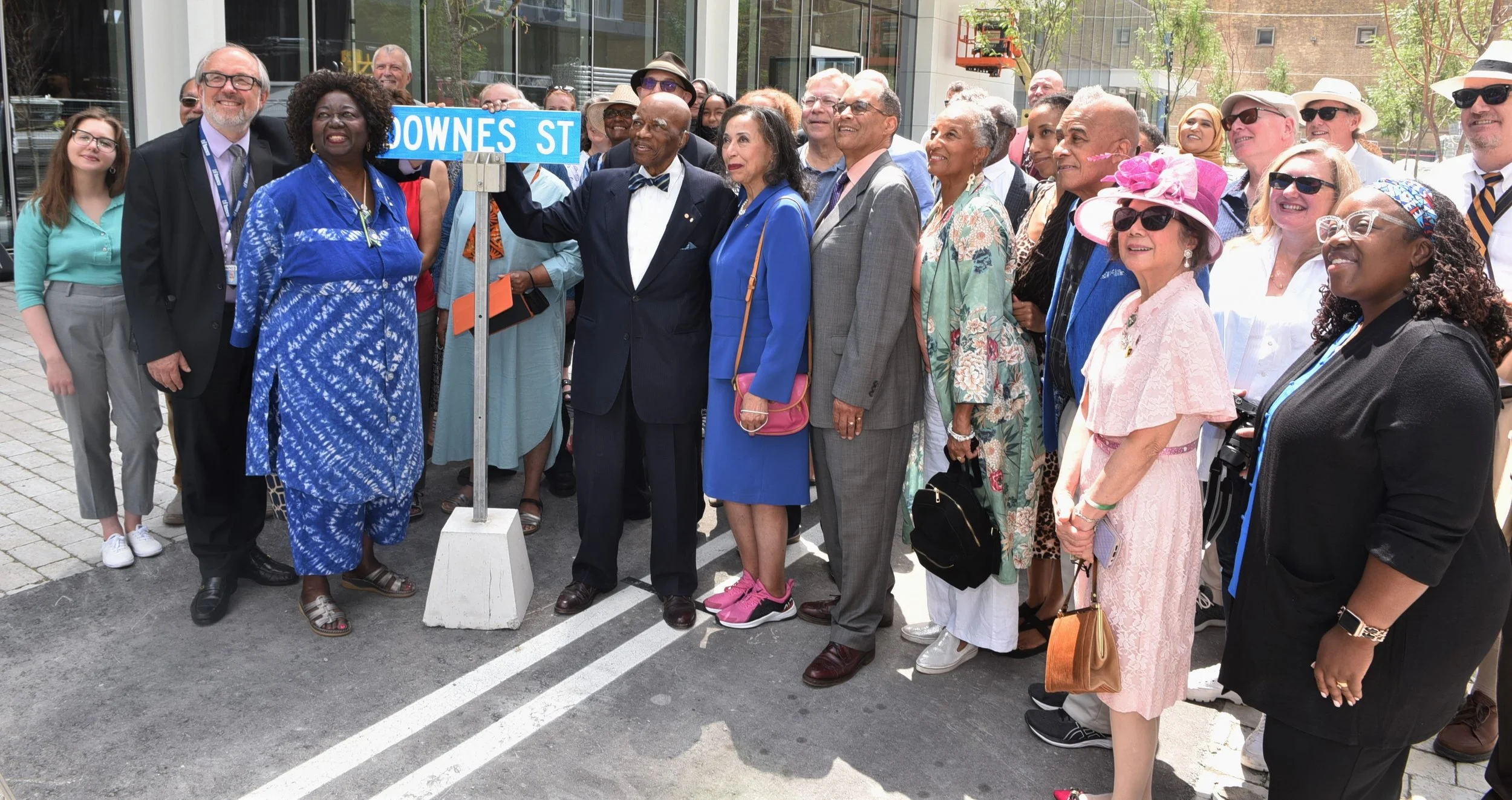
Arthur Downes at the unveiling of Downes St. in July 2022 (Photo by Ron Fanfair)
Downes Street, in the Lower Yonge Precinct, recognized a family whose story was woven into the city’s history. The occasion also allowed a man who had spent years helping others to hear his own contributions acknowledged.
Taylor spoke at the ceremony about the significance of a street name people would use in daily life, making the family part of the city’s vocabulary.
“It is a joy to know that the Downes family will have a street sign,” he pointed out. “But more importantly, people regularly will call that name ‘Downes’ which becomes very important for all of us. Streets are meant to symbolize not just names of individuals, but they are supposed to take you somewhere important. What I know about Downes St. is it will take you to Yonge St. where there is a weave of African-Canadian history, starting at the water edge of Lake Ontario and going all the way to York Mills.”

Councillor Joe Mihevc (l) presents the Downes St. sign to Arthur Downes in July 2022 (Photo by Ron Fanfair)
Downes viewed the recognition as something shared.
He spoke of his mother’s family and other relatives, extending the honour beyond himself to the wider community. Even then, his response retained the humour and ease remembered by those close to him.
“All I ask is that when you drive down Yonge St., toot your horns as you go by Downes St,” he said.
Downes Street will carry his family’s name into Toronto’s future. His influence will travel farther through the people he encouraged, the doors he opened and the relationships he helped sustain.