Sunday Best celebrates the power of Black style
October 22, 2026
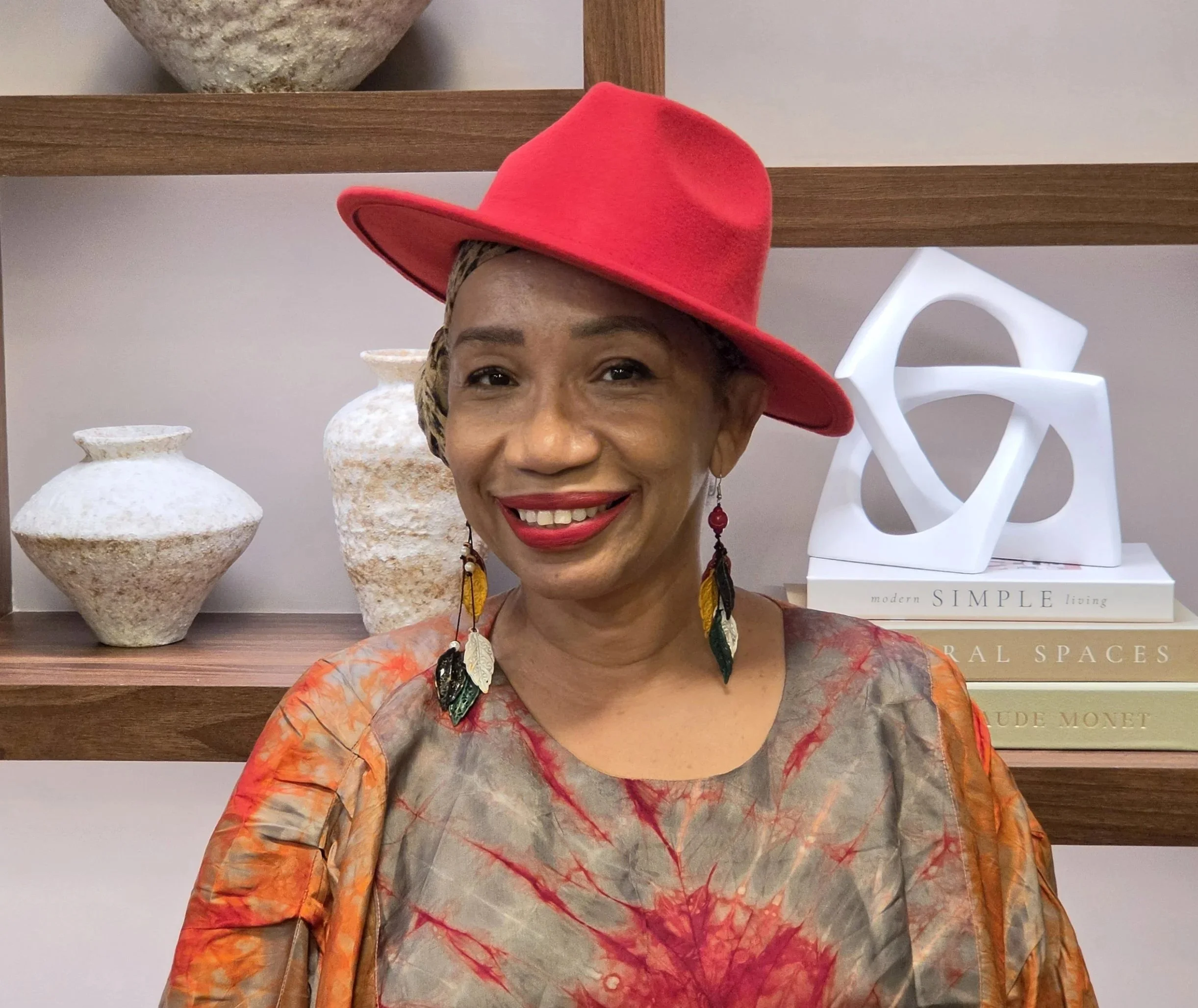
For years, Mel Gabriel has been telling the world that Caribbean fashion deserves serious attention.
On her first visit to Toronto, the Trinidad-based founder of Caribbean Lookbook arrived as a contributor to an exhibition catalogue placing the region’s creativity within a wider history of Black style.
Gabriel’s involvement in Sunday Best: The Power & The Glory of Black Style at the Art Gallery of Ontario (AGO) began when curator Julie Crooks discovered her work documenting Caribbean designers and artisans.
“I really admire what Mel is doing,” said the AGO’s Curator, Arts of Global Africa & the Diaspora. “There are Instagram platforms like Know Your Caribbean that do a great job of sharing Caribbean history. What makes Mel’s work unique is her focus on Caribbean fashion and designers.”
Conceived and curated by Crooks and Dr. Jason Cyrus, Sunday Best explores how Black communities have used clothing to express identity, preserve dignity, challenge exclusion and assert their place in the world.
Cyrus is an Associate Lecturer at the London College of Fashion.
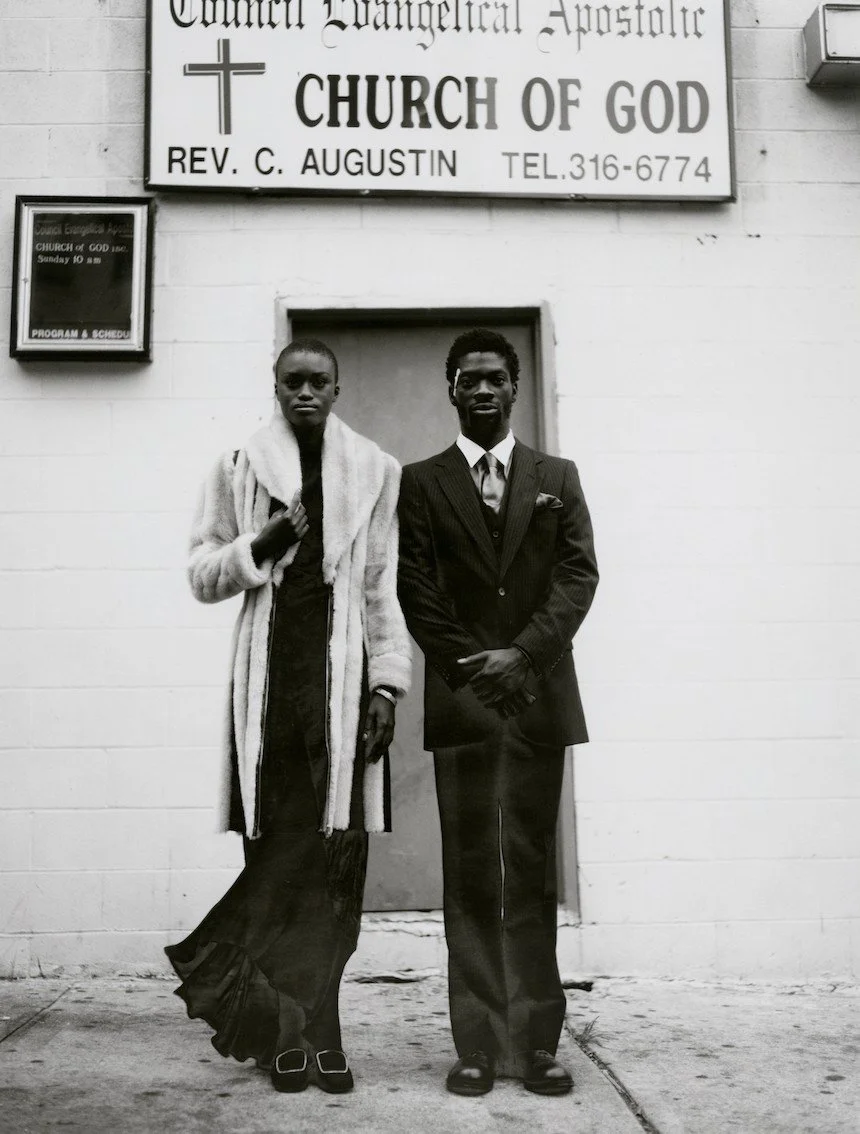
Melodie McDaniel, Untitled 4, from the series Sunday Best, 1995. © Melodie McDaniel
They developed the exhibition with Amanda Bock of the Philadelphia Museum of Art and Clare Sauro of Drexel University’s Robert and Penny Fox Historic Costume Collection.
Organized by the AGO and the Philadelphia Museum of Art, Sunday Best is making its world debut in Toronto and runs until February 28, 2027.
To create a lasting record beyond the exhibition, Crooks wanted the accompanying catalogue to include contributors with distinct perspectives. Gabriel brought knowledge of the Caribbean and the designers shaping its fashion industry.
“The exhibition is one thing, but it’s ephemeral, and it’s going to disappear,” she said. “We needed a document that is long-lasting in terms of a catalogue that told the story and contributors that came from very unique perspectives.”
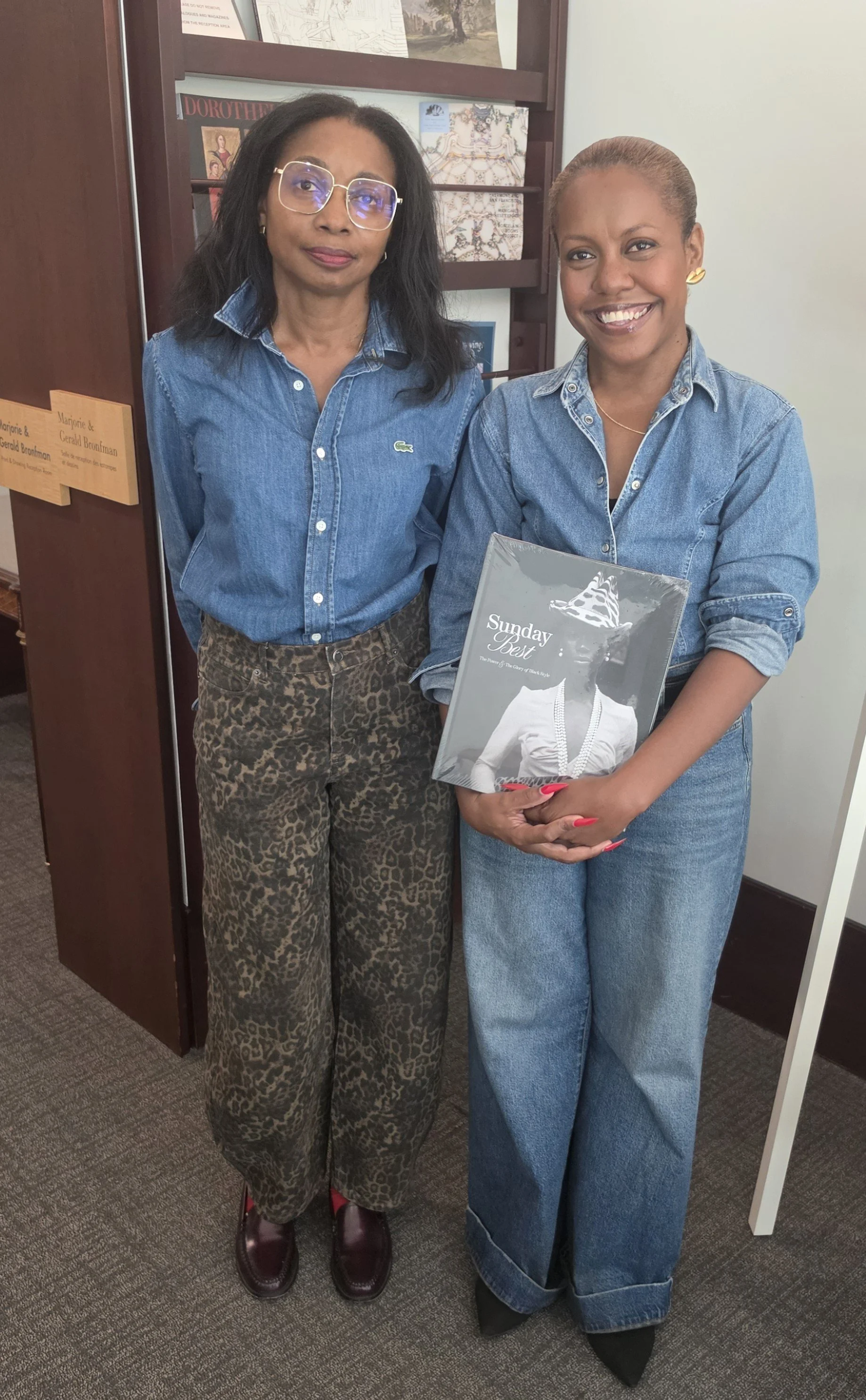
Julie Crooks (l) presented a copy of the catalogue to Mel Gabriel (Photo by Ron Fanfair)
Gabriel’s years of documenting Caribbean designers gave her the knowledge and cultural insight Crooks wanted for the catalogue.
“I was so thrilled when I reached out to Mel and asked her if she would be willing to contribute,” Crooks said.
She invited Gabriel to examine the work of a designer featured in the exhibition.
“Of course, Mel hit it out of the park,” Crooks added. “It was really important that we have a range of contributors from a range of perspectives representing Africa and its diaspora.”
Gabriel began developing Trinidad Lookbook in 2009 before launching the platform in 2010. It later evolved into Caribbean Lookbook, expanding its coverage to designers, artisans and tastemakers across the region and its diaspora.
She believes a social media series highlighting Caribbean designers helped bring her work to Crooks’ attention.
“I started doing a series called Caribbean Designers You Need to Know in 2023, and that was really well received by the audience,” Gabriel said. “I think somebody tagged me in something and Julie saw it, and she did a deep dive.”
Her catalogue essay focuses on a wedding dress by Jamaican designer Rachel Scott, whose label, Diotima, combines Caribbean craft traditions with contemporary fashion.
“She works mainly with crochet, blending it with European tailoring,” Gabriel said. “In my essay, I explored how dress shapes our sense of belonging and how techniques we traditionally call craft in the Caribbean, such as crochet, can translate seamlessly into luxury fashion.”
Caribbean fashion history also informs Dr. Elli Michaela Young’s essay on Jamaican designer Ivy Ralph’s Kariba suit.
A lecturer in Fashion and Visual Cultures at Middlesex University in London, she explores the relationship between clothing, identity and Jamaica’s transition from colonial rule to independence.
“Her research is on Jamaican fashion history and fashion design, and she’s trying to uncover all of these unknown designers in Jamaica that have contributed to that important sartorial history,” Crooks said.
Co-edited by Crooks, Cyrus and Zoomer Editor-in-Chief Suzanne Boyd, the catalogue brings together 18 essays spanning fashion, art, scholarship and cultural practice. It is published by the AGO and the Philadelphia Museum of Art in association with Yale University Press.
Its exploration of Caribbean dressmaking grew out of the curators’ memories of relatives and community members who made clothes.
“It started from that kernel of who we were and people we knew who had aunties or grandmothers who also were dressmakers,” Crooks said. “There’s a huge history of dressmaking in the Caribbean and tailoring.”
Those personal connections helped the curators trace how dressmaking traditions rooted in church and family life continue to influence contemporary designers. They also revealed how clothing has long served as an expression of resistance.
“The idea of resistance runs throughout this exhibition,” Crooks said.
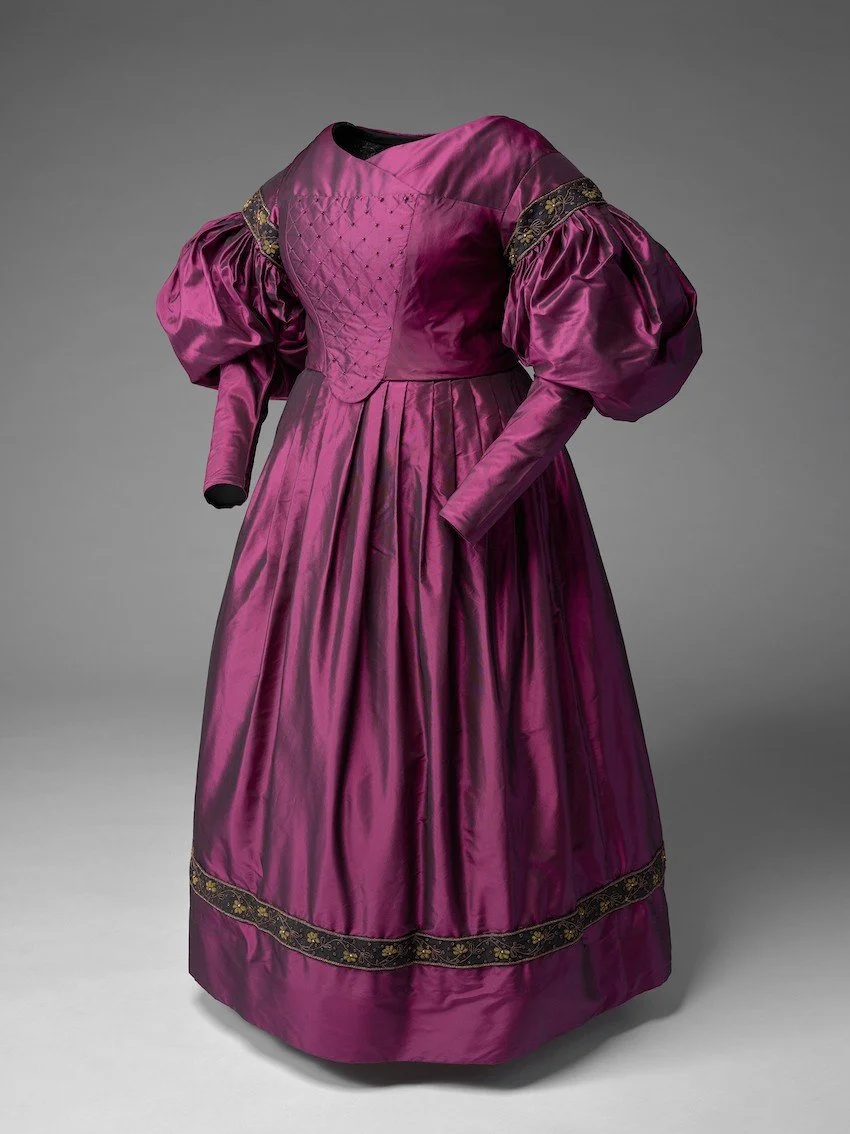
Cassandra Bromfield, Anna Murray Douglass Wedding Dress (artist's interpretation), 2022. Silk, glass beads, cotton. Collection of Lana Turner. Photo: AGO
Among the works on display is a photograph of abolitionist Frederick Douglass whose carefully constructed public image demonstrates how dress could convey dignity and authority.
“We actually start the exhibition thinking about this notion, not only about the garment, the suiting, the dress, whatever it is, but the ways in which clothing becomes this armour of protection, a way of self-fashioning your identity,” Crooks said. “It runs from the 19th century into the 21st century. We continue to use clothing as political statements.”
The relationship between dress, identity and visibility also connects the exhibition to Toronto’s Black fashion history.
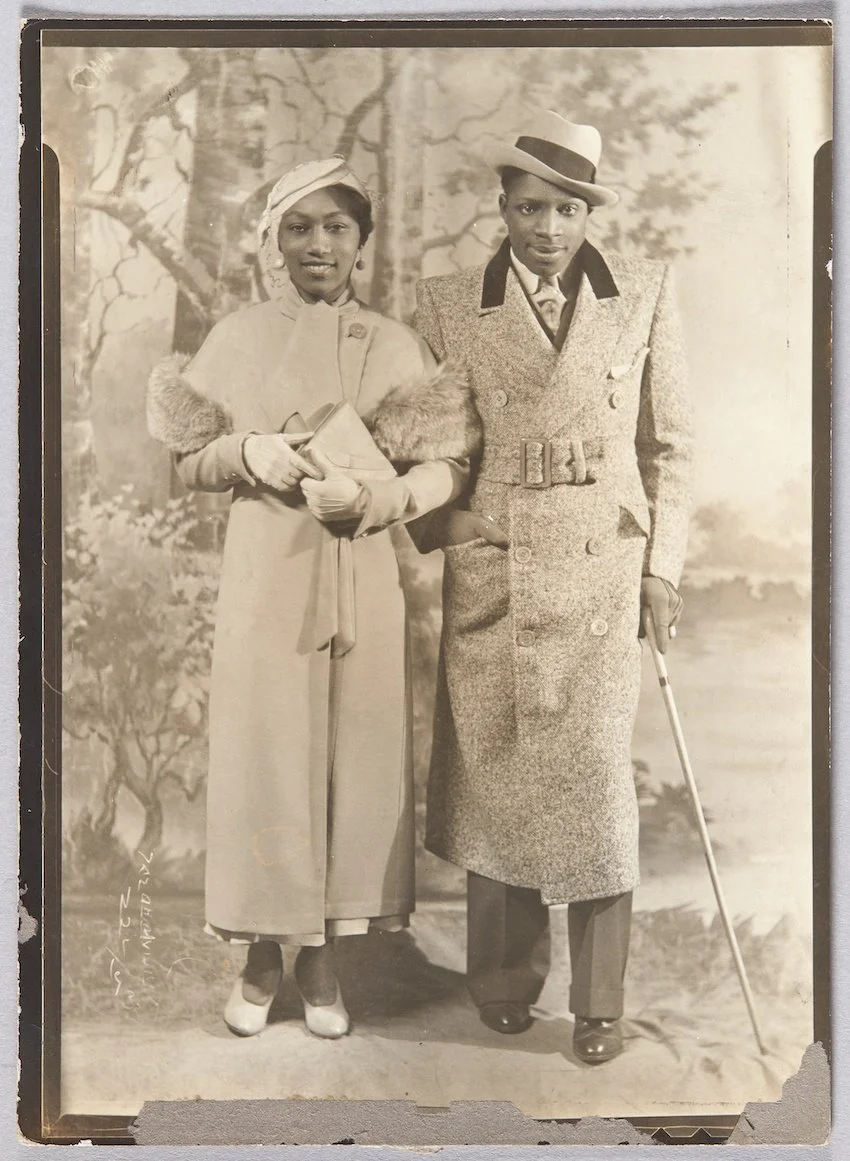
Linda Carter built a career spanning modelling, acting, production and broadcasting. Her contribution to Sunday Best highlights the historical value of clothing, accessories and photographs preserved by families.
These objects trace her family’s journey from Barbados and St. Kitts to Toronto, reflecting a heritage she credits with nurturing her love of fashion.
Crooks cited Carter’s preservation of her mother’s and grandmother’s clothing and accessories as an example of how personal collections can help document a community’s history.
“These pieces offer glimpses of taste, aspiration and everyday life that might otherwise be lost,” she pointed out.
Iris Simpson’s career adds another chapter to that history.
A buyer and stylist who worked at Eaton’s, Creeds, Holt Renfrew and the Yves Saint Laurent boutique at Hazelton Lanes, she helped shape Toronto’s luxury retail industry.
Her work has also extended into education and mentorship.
Crooks said Simpson established herself in an industry where Black participation was limited and access tightly controlled.
“She was kind of on her own and making her own mark in that industry,” she said.
Simpson served on the Sunday Best advisory committee and contributed family photographs to a display of people dressed in their best. Carter’s photographs are also featured.
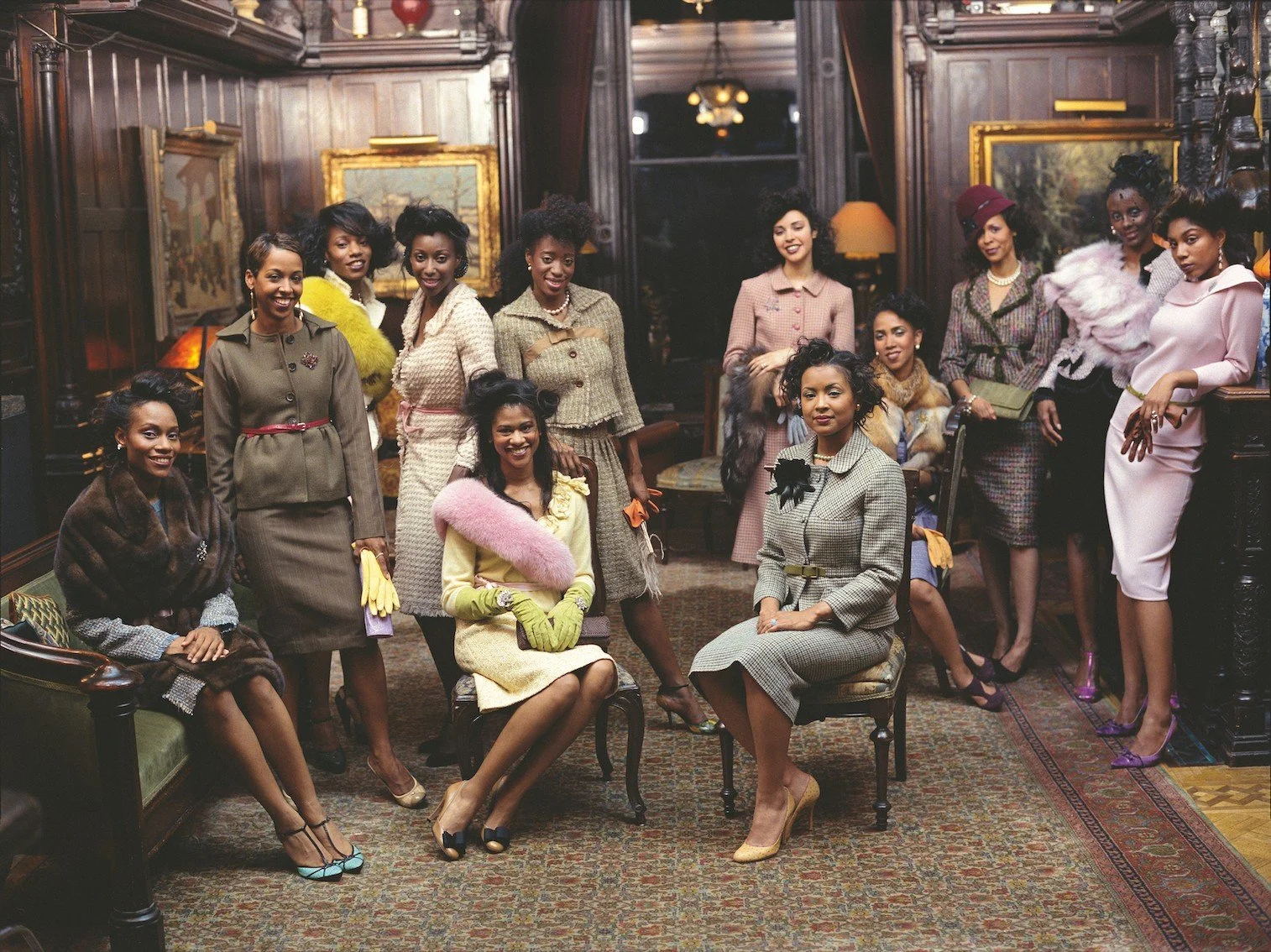
Jamel Shabazz, Church Ladies, NYC., 2004. Digital C-print. Courtesy of Jamel Shabazz. © Jamel Shabazz
Their contributions connect the fashion industry to the everyday choices through which individuals and families expressed their identities.
“Alongside couture, we are showing what people wear in their everyday lives and how those clothes reflect their experiences,” Crooks said. “It’s important to preserve these garments and photographs. Without them, these histories could be lost.”
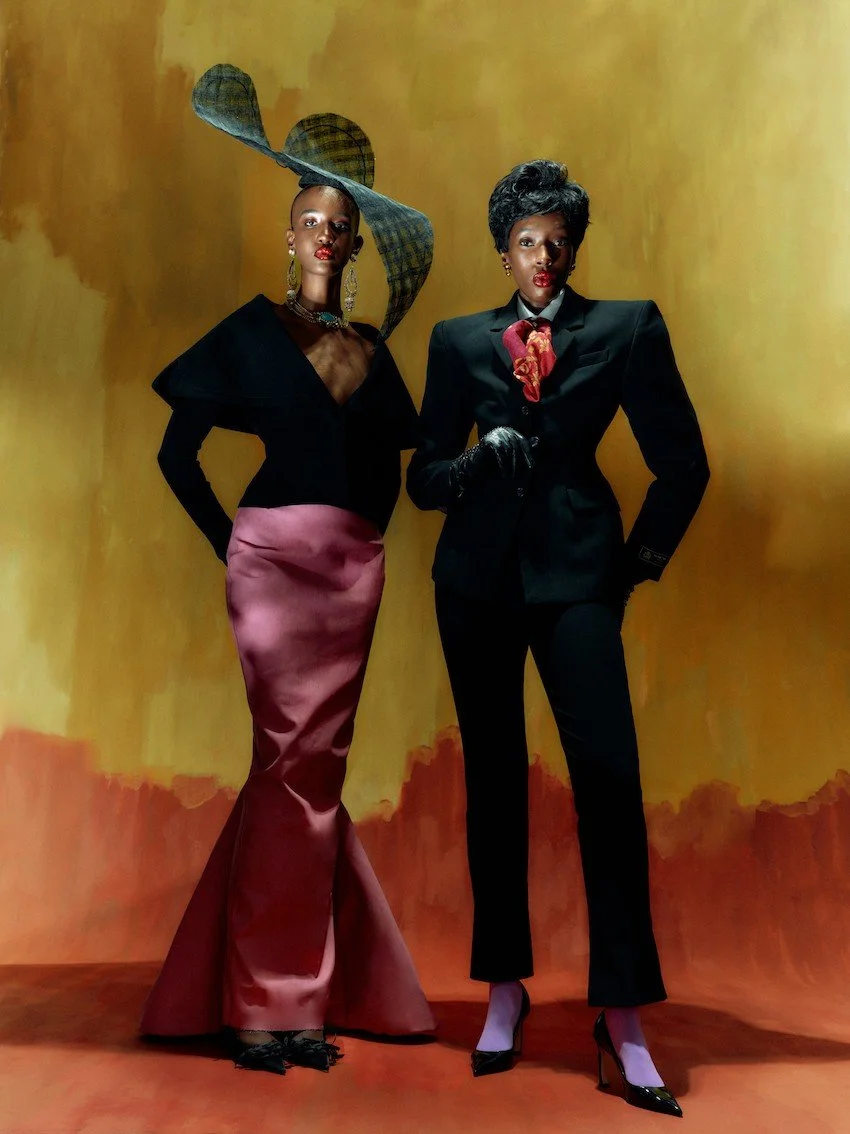
William Ukoh, Untitled from the series Aunties in Suits, 2025. Archival pigment print, Framed: 71.1 × 55.9 cm. Courtesy of the artist and EMC Contemporary. © William Ukoh
Preserving those traditions also allows younger generations to reinterpret them.
Crooks remembers women in her family wearing coordinated hats, bags, gloves and dresses, while men wore suits and ties. She sees that legacy evolving through contemporary designers such as Spencer Badu, whose work explores streetwear and tailoring.
“That flexibility, that nimbleness with style is important,” she said. “That’s the evolution, and I think that’s okay.”
Gabriel hopes the exhibition similarly broadens perceptions of Caribbean fashion, particularly among young Caribbean Canadians.
“I want them to see that Caribbean fashion belongs in many different settings,” she said. “It’s not limited to cotton and linen. We work with a range of fabrics and textures, including wool, adapting them in ways that retain our Caribbean identity.”
Gabriel sees opportunities for Caribbean fashion to adapt to colder climates while retaining its character.
She also emphasized that greater visibility must be matched by practical support to help designers sustain and grow their businesses.
“We need stronger systems and infrastructure in the Caribbean to support our designers’ growth,” Gabriel said. “The region has no shortage of originality. Designers need financing, production capacity and professional support to develop their businesses. They’re all doing it this bespoke kind of slow fashion way, and it works for some brands.”
For others, producing every piece themselves restricts how much their businesses can grow.
Among the designers whose work informs Gabriel’s advocacy is Trinidadian Robert Young. His use of colour, texture and appliqué reflects a distinctive creative and political outlook.
“I always describe Robert as the quintessential Caribbean designer,” she said. “He refuses to limit himself to one style and is constantly experimenting with texture and colour.”
Through Caribbean Lookbook, Gabriel has worked to bring sustained attention to designers across the region. Her contribution to Sunday Best introduces their stories to a wider audience while helping preserve them.
Alongside Young’s scholarship, Carter’s family collection and Simpson’s photographs and industry experience, her essay helps document how clothing reflects the lives, ambitions and identities of the people who wear it.