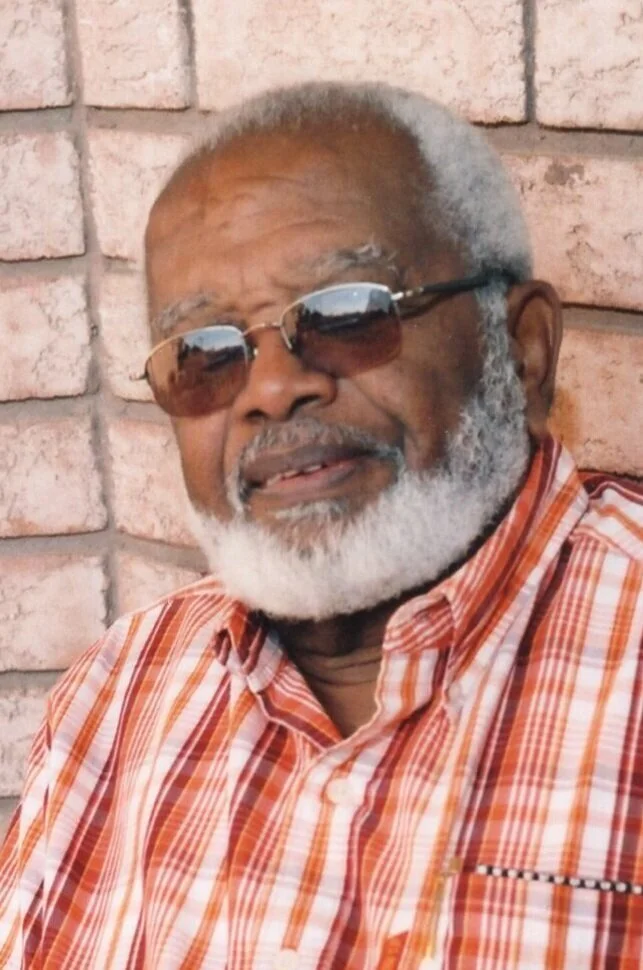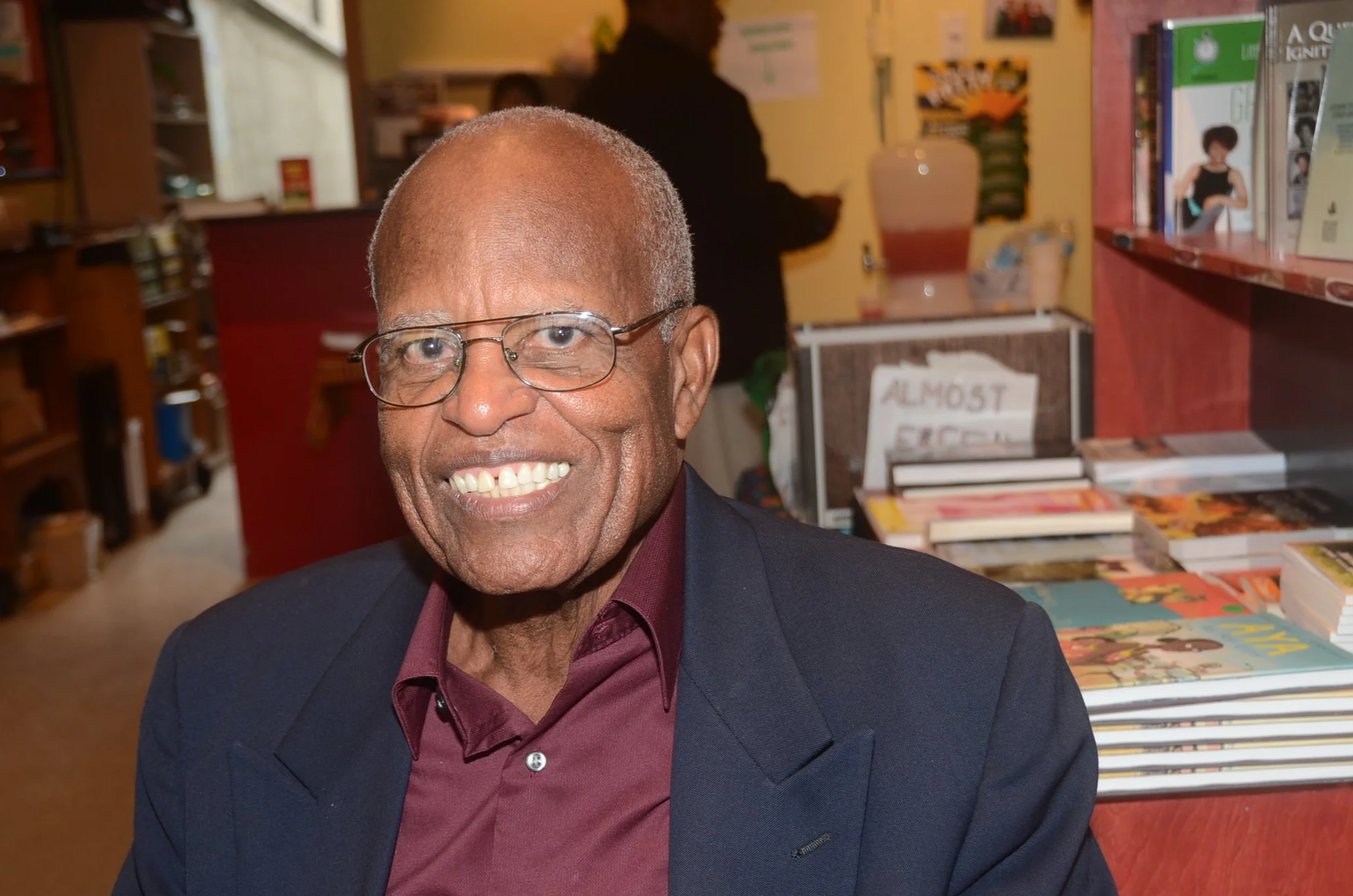
Basil Ince made sporting history, then devoted himself to preserving it
October 21, 2026
At Itah Sadu’s Toronto home, a breakfast gathering with Basil Ince and late novelist Austin Clarke turned into an animated dispute about a race neither man seemed prepared to concede.
The disagreement concerned a contest from their younger days, and they insisted another race would settle the matter.
Both had competed on the track. Ince was a Pan American Games medallist while Clarke had represented Harrison College in Barbados in the 880 yards.
“Throughout his visit, they kept challenging each other to another race to settle the matter,” Sadu recalled. “Basil arrived in Toronto saying he was going to race Austin, and Austin was just as determined to race him.”
As the exchanges grew more spirited, she decided to call their bluff.
“I said something to them like, ‘Okay, let’s go outside and race’,” Sadu said.
Their reaction suggested they were quite comfortable keeping the competition at the breakfast table.
The recollection brings warmth and humour to the life of Ince, the Trinidad and Tobago athlete, scholar, diplomat, government minister and author who died in Philadelphia on October 15 at age 93.
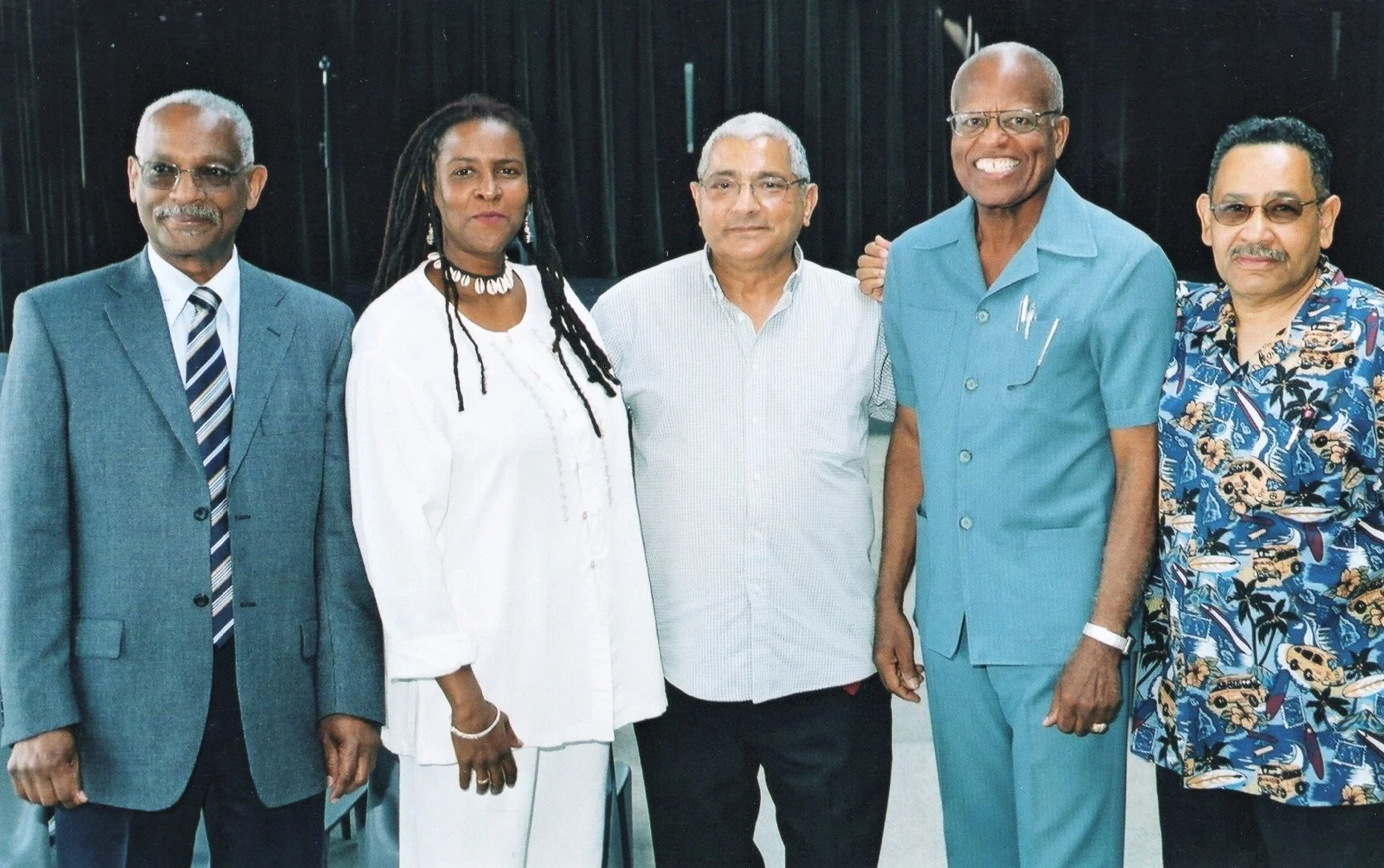
Basil Ince (second from right) with University of Manitoba professor emeritus Keith Sandiford (l), Itah Sadu, Hansib Publications founder and publisher Arif Ali & Sadu’s husband, Miguel San Vicente (Photo by Ron Fanfair)
To Sadu, co-owner of Toronto’s A Different Booklist, his distinguished accomplishments were accompanied by an engaging personality and a gift for bringing the past to life.
“Basil was an incredible storyteller and just a joy to be around,” she said.
That gift shone when he described managing Trinidad and Tobago’s track and field team at the 1976 Montreal Olympics, where Hasely Crawford won the men’s 100 metres, securing the country’s first Olympic gold medal.
Listening to him, Sadu felt transported to the race.
“He took you to the moment,” she noted. “He had that ability to recapture those incredible moments in sports.”
Sadu also recalled his knowledge of health and exercise, his interest in younger athletes, and his pride in those who represented his country.
“He was very knowledgeable and just very proud of the accomplishments of athletes of Trinidad and Tobago,” she added.
That pride found lasting expression in his writing.
Through interviews, research and personal experience, Ince documented the athletes who helped establish his country and the wider Caribbean on the international sporting stage.
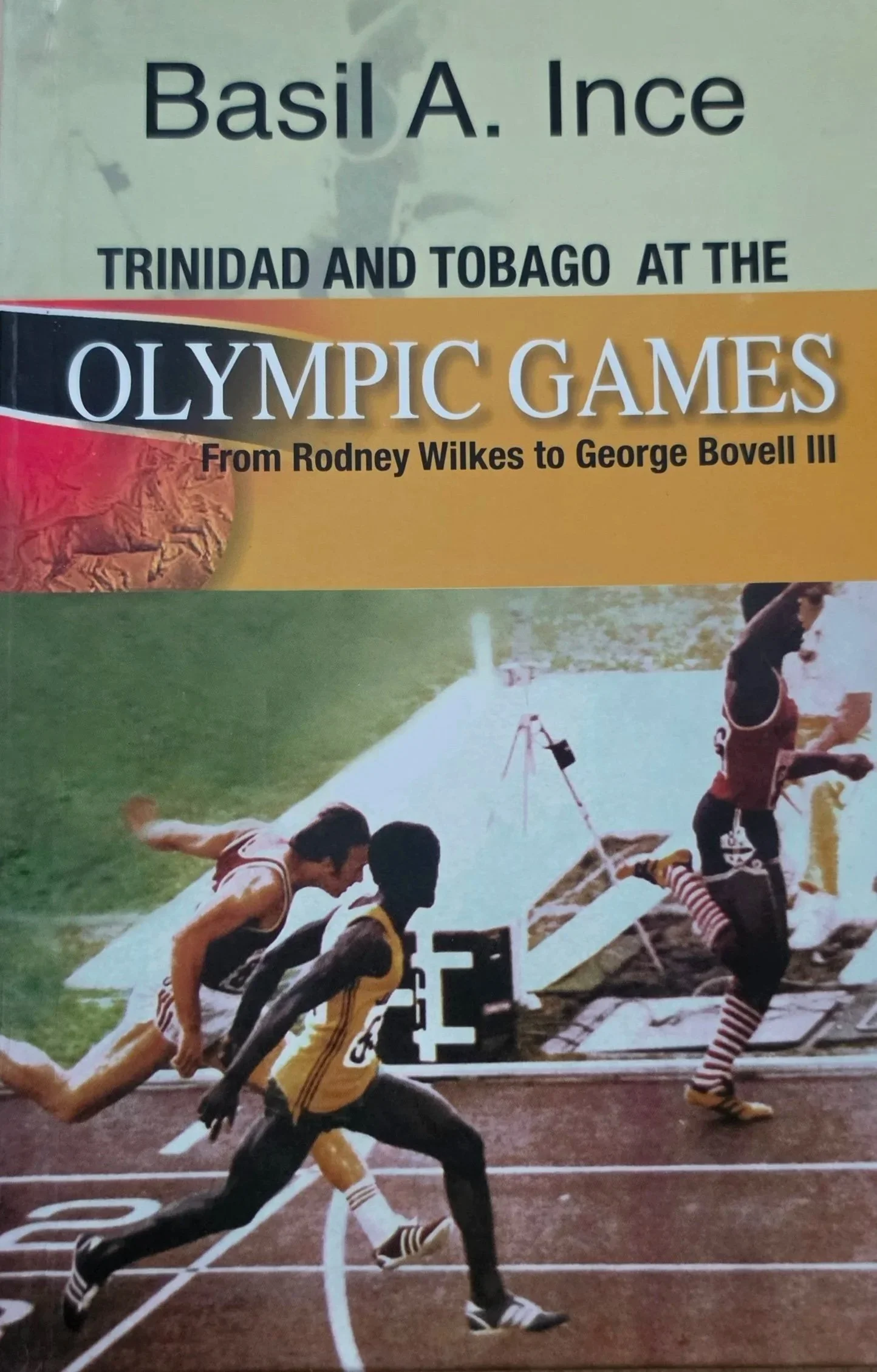
In June 2005, he visited Toronto for the Canadian launch of Trinidad and Tobago at the Olympic Games: From Rodney Wilkes to George Bovell III.
At a reception recognizing Ince and fellow Trinidadian scholar Selwyn Cudjoe, then Trinidad and Tobago High Commissioner to Canada Arnold Piggott celebrated the breadth of their contributions.
“In looking at the long and accomplished achievements of these two distinguished sons of Trinidad and Tobago, I could not help but notice the similarities in the many areas in which they have both excelled,” Piggott said.

Basil Ince ® & Selwyn Cudjoe in Toronto in 2005 (Photo by Ron Fanfair)
For Ince, recording sporting history was a responsibility.
After completing his assignment as High Commissioner in London, he interviewed Trinidad and Tobago’s Olympic medallists, including those living in the United States, and continued updating the material over the years.
“I did this because I believe it’s important that we record the history of the people who have done us proud,” Ince said during the Toronto visit. “We need to tell their stories.”
His commitment to that work drew on a life spent moving between sport, scholarship and public service.
Former Trinidad and Tobago Consul General in Toronto Michael Lashley first knew Ince through his work at the University of the West Indies.
“I remember him first and foremost as an academic,” he said. “He was a lecturer and then director of the Institute of International Relations.”
Discovering Ince’s sporting achievements deepened Lashley’s admiration for a man whose talents reflected a broader tradition of excellence in scholarship and athletics.
“Up to about the ’70s, particularly the ’60s, it was quite common for people to perform at a very high level in both academics and athletics,” he noted.
Ince’s promise as a runner emerged at Queen’s Royal College in Trinidad where he attracted the attention of Tufts coach Clarence ‘Ding’ Dussault.
At the university, he became an outstanding sprinter.
During his senior season in 1959, Ince was undefeated in dual meets over 600 yards indoors and the 100, 220 and 440 yards outdoors. He won the IC4A 440-yard title in 46.9 seconds and received the university’s ‘Pop’ Houston Award as its best male athlete.
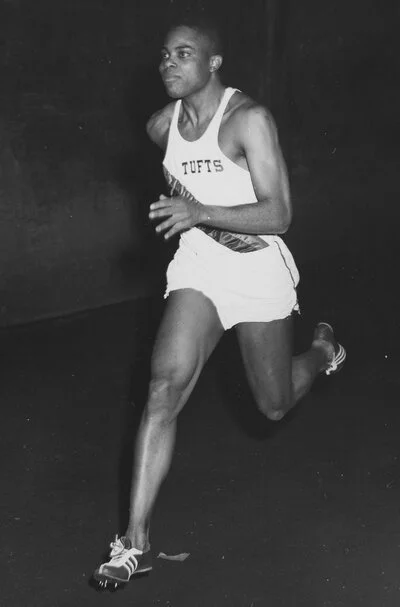
Basil Ince represented Tufts in track & field and cross country in the 1950s (Photo contributed)
Representing the British West Indies at the Pan American Games in Chicago later that year, he won silver in the individual 400 metres and gold in the 4x400-metre relay.
Illness prevented him from competing at the 1960 Rome Olympics, but his involvement in athletics continued. In 1976, he became president of Trinidad and Tobago’s National Association of Amateur Athletes and managed the country’s Olympic track team in Montreal.
Alongside those sporting commitments, Ince built a career in international relations.
After studying history and political science at Tufts, he completed master’s and doctoral studies at New York University. He taught at the University of the West Indies’ (UWI) Institute of International Relations and served as Trinidad and Tobago’s High Commissioner to the United Kingdom.
His public service also included appointments as a senator and Minister of External Affairs under Prime Minister George Chambers, as well as responsibility for Sport, Culture and Youth Affairs.
Writing eventually brought his academic training and sporting experience together.
His 2005 Olympic history was followed in 2011 by Olympian: 75 Years of Trinidad and Tobago in Olympic Sport 1934–2010. A year later, he broadened his focus with Black Meteors: The Caribbean in International Track and Field.
Olympian was longlisted for the 2012 OCM Bocas Prize for Caribbean Literature, placing his work on sporting history among the region’s recognized literary achievements.
The books also strengthened his connection to Toronto’s literary community. A Different Booklist hosted a launch for Olympian and Black Meteors at its former location at 746 Bathurst Street.
Together, the three volumes preserved more than results and medal counts. They recorded athletes’ experiences and traced the performances that helped shape the Caribbean’s international sporting reputation.
UWI recognized that contribution with its inaugural Award for Excellence in the Scholarship of Sport, acknowledging his efforts to address the shortage of published material on Caribbean sport and its development.
In June 2024, the achievements of Ince’s own youth brought him another honour.
At 91, he travelled from Philadelphia to attend his induction into the Tufts Athletics Hall of Fame. The June 7 ceremony at Gillette Stadium in Massachusetts celebrated a university champion whose contributions had extended across several professions.
Introducing him, former Tufts student-athlete Heather Sibbison expressed her amazement at the scope of his life.
“After reviewing our next inductee’s bio and list of accomplishments, I was awestruck,” she said. “Our next inductee is Dr. Basil Ince, and he is Jumbo royalty.”
More than six decades after graduating, Ince was there to receive the honour himself.
For those who knew him in Toronto, that distinguished record sits alongside memories of a lively visitor who could recreate an Olympic final in conversation or turn breakfast into a spirited sporting debate.
Ince understood the value of those stories. He earned his own place in Caribbean sporting history, then devoted years to preserving the achievements of others.