50 years on, Urban Alliance on Race Relations mission remains urgent amid rising systemic racism
December 2, 2025
Fifty years in the life of an organization is quite an impressive accomplishment.
Urban Alliance on Race Relations (UARR) is celebrating its golden anniversary this year, a milestone that stands as a powerful testament to the organization’s unwavering commitment to equity, justice and the ongoing fight against systemic racism.
For half a century, it has championed meaningful dialogue, advocated for policy change and empowered communities to confront discrimination in all its forms.
“Elders founded this organization in 1975 to confront overt racism,” said UARR president Nigel Barriffe. “While those blatant forms of discrimination have declined, racism today often shows up in more subtle ways, embedded in institutions, policies and everyday interactions which makes it harder to identify and address.”
In the 1960s and early 1970s, Toronto experienced a surge in immigration, rapid urban growth and a corresponding increase in cultural and ethnic diversity. Those demographic changes brought new challenges. Despite Canada’s self-image as a tolerant, multicultural society, many racial and ethnic minorities, especially Black and South Asian communities, continued to face systemic discrimination in key areas such as housing, policing, education and access to social services.
In response to increasing incidents of hate-motivated violence and rising concerns over racial tensions in Toronto, a group of concerned citizens met in May 1975 to discuss the problem. They were Sam Fox, Marvyn Novick, Ben Kayfetz, Albert ‘Al’ Hershkovitz, Terry Meagher, Rabbi W. Gunther Plaut, Leon Weinstein and Dr. Wilson Head.
Novick, a Social Planning Toronto staff member, suggested the name ‘Urban Alliance on Race Relations’ for the organization they planned to establish.
“The name was a misnomer because there was no intention of forming an alliance of a variety of other existing groups,” said Head in his memoirs, A Life on the Edge: Experiences in ‘Black and White’ in North America, released in 1995. “The Urban Alliance was to be a group of individuals elected based on their individual interests and concerns about race relations issues. A major feature of the new organization was that it was designed to be interracial in character, unlike other similar organizations. It would not be ethno-specific, a focus which required making specific and determined efforts to recruit members from groups who had been accustomed to working in an interracial or multicultural context.”

Dr. Wilson Head & Dr. Glenda Simms were awarded Toronto Metropolitan University Fellowships in 1993. Head co-founded the UARR (Photo by Ron Fanfair)
Despite its modest beginnings and somewhat misleading name, former UARR board member Dr. Sheldon Taylor said the organization proved to be a good model for its time, even though it was often disliked.
“Wilson was closely associated with it, and he didn’t hold his tongue,” said the former board member. “However, the organization did a lot of good work, producing a lot of reports, which was key. Being an intellectual and a professor, he understood the importance of making sure that everything was on record.”
Over the years, the UARR has achieved many important milestones.
It served as an intervenor before the Supreme Court of Canada in cases concerning whether lawyers could screen potential jurors for racial bias and helped organizations and individuals better understand racism, discrimination and equity through its Volunteer Equity Program.
The Alliance also published Currents: Readings on Race Relations, which was, at the time, the only Canadian journal dedicated to research and dialogue on race relations.
Coming to Canada from Pakistan in 1975, Dr. Maria Wallis found inspiration in the work of the UARR.
“I was told South Asians were being pushed off subway platforms, and anyone who was doing anti-racism work was standing up, saying ‘this is crazy’,” she said.
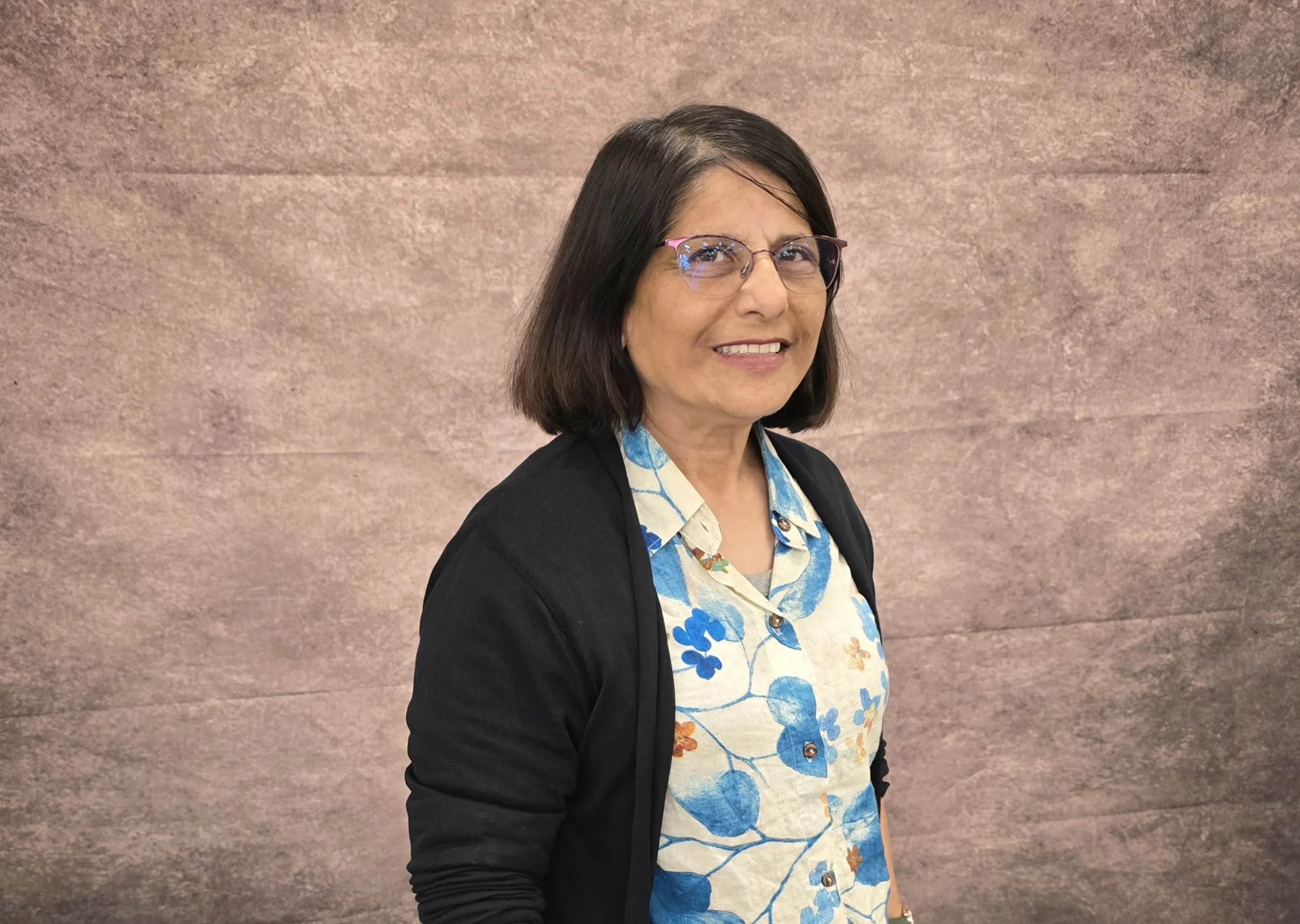
Dr. Maria Wallis (Photo by Ron Fanfair)
Another way the organization influenced Wallis was through her own experience in high school in Brantford, where she, her sister and another Black student were the only racialized students in the entire school.
The former UARR executive director said the current social climate makes the organization’s work more urgent than ever.
“There is a real space for an organization like this right now,” added Wallis who is a registered social worker. “We need to be making connections everywhere.”
Beyond education and advocacy, UARR runs a leadership development program that empowers marginalized youth and hosts its annual Racial Justice Summit. The organization also holds a Racial Justice Awards Night to celebrate and honour outstanding individuals and organizations making significant contributions to advancing racial equity and social justice.
Recognizing these leaders is vital, as their tireless dedication and hard work, often behind the scenes, drive real and lasting change in communities.
Dr. Jill Andrew’s journey into social justice began in 1991 when she and two close friends pushed for a Black History Month assembly at their Scarborough high school.
“We were just kids championing our right to be seen, heard and counted,” she said.
Representing the provincial New Democratic Party (NDP) party, Andrew made history in 2018 by winning the Toronto–St. Paul’s riding, a seat long held by the Liberals. Her election was significant because she became the first Black and queer person ever elected to a provincial legislature in Canada.
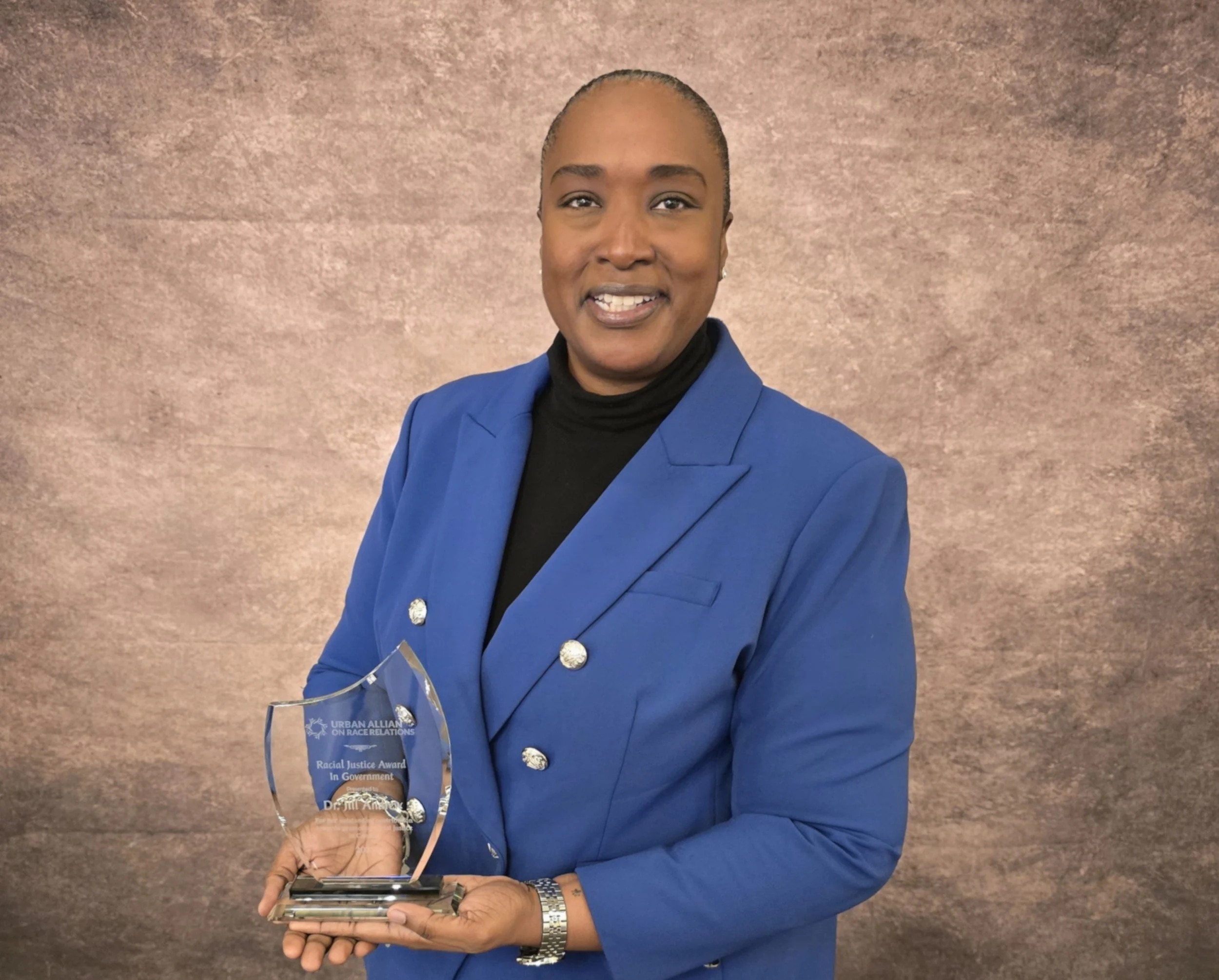
Dr. Jill Andrew (Photo by Ron Fanfair)
In April 2019, the Ontario NDP formally established a Black Caucus which included her, Dr. Laura Mae Lindo, Kevin Yarde, Dr. Rima Berns-McGown, and Faisal Hassan.
When receiving the Government Award, Andrew dedicated it to her mother, the members of the Black Caucus and Sarah Jamma who served with her in the legislature.
“My mother told me I was beautiful, brilliant and boundless and that I could achieve anything I set my mind to with the right support,” said the Body Confidence Canada co-founder. “I can still remember the many Black women in our apartment building, working as a network of guardians babysitting us, instilling pride and helping us get to daycare or school each morning on time.”
During her acceptance speech, Andrew delivered a powerful call for young people, especially Black youth, to step into the political arena and make their voices heard.
“If we are not at the table, we are on the menu,” the Shadow Minister for Arts, Culture & Heritage and Women’s Social & Economic Opportunities pointed out. “Our fight against anti-Black racism in education and health care must be centred, otherwise the policies will not reflect our needs.”
Though making political history and receiving several accolades in the last two decades, Andrew said earning a PhD in Education from York University has been the highlight of her career.
Her thesis explored how Black women experience the combined effects of anti-Black racism, sexism and fatphobia, and how they respond to and resist dominant beauty ideals through fashion, self-worth and social interactions at home.
“During my student journey, I, like many other Black students in secondary and post-secondary education, found myself having to clap back against systemic and anti-Black racism, ableism and misogynoir in my department,” Andrew added. “Thankfully. I was supported by our student union, and we were successful in our quest for justice.”
Fleeing Sri Lanka’s civil war as a refugee in 1995, Neethan Shan contextualizes his life through the lens of privilege, recognizing the opportunities he received as he built a life in Canada while remaining committed to social justice.
“Many people in my birth country don’t have these opportunities,” said the recipient of the Agent of Change Award. “I have always made sure that my life is dedicated to advancing rights.”
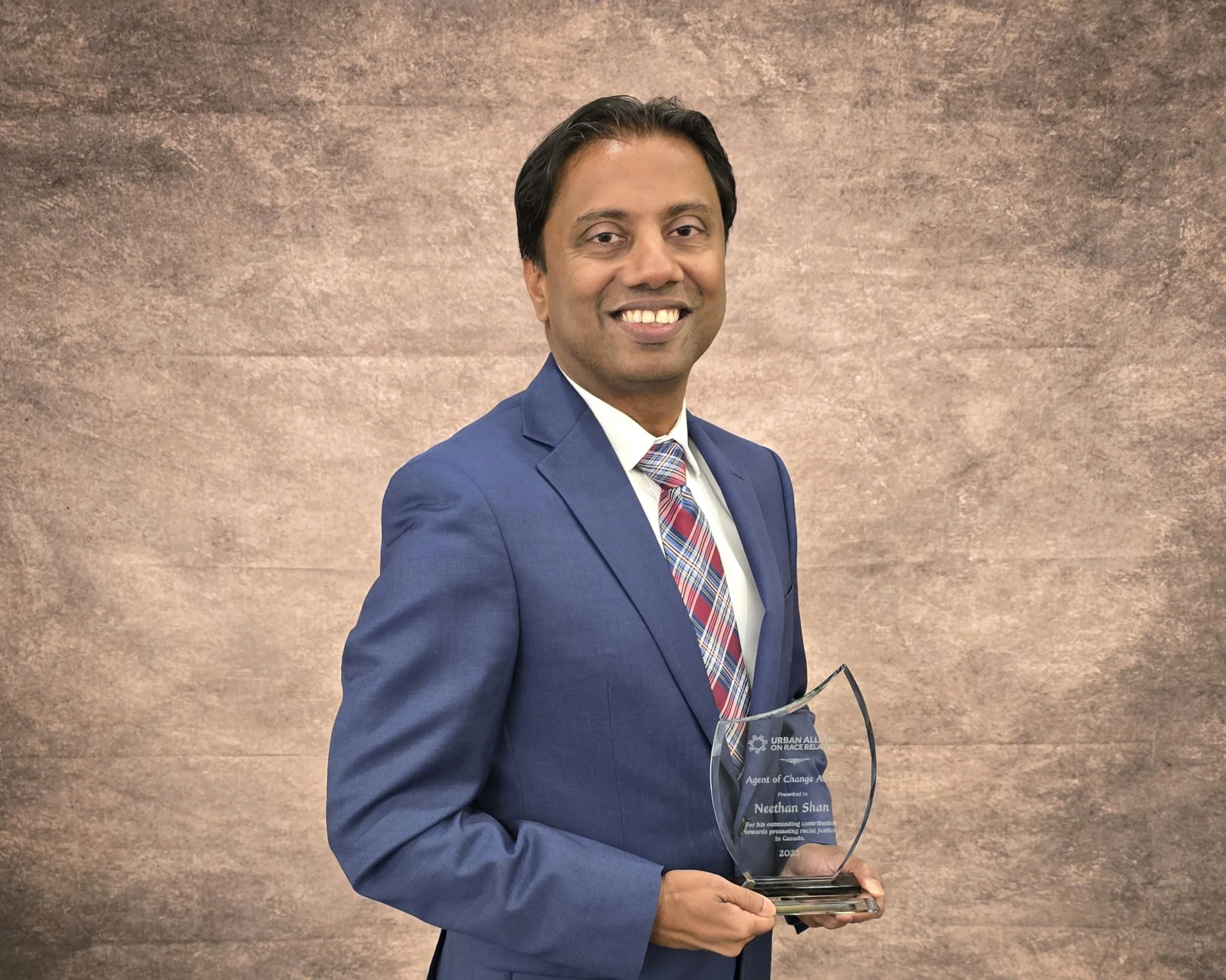
Neethan Shan (Photo by Ron Fanfair)
Shan, who resigned as the UARR executive director after being elected to city council last September in a by-election in Scarborough-Rouge River, said the true legacy of the organization isn’t its 50 years, but the hundreds of leaders it created who are driving anti-racism work across Canada.
“The anti-racism movement in this country needs organizations like Urban Alliance to survive,” Toronto’s first Tamil-Canadian councillor said. “Ideally, we wouldn’t still need such organizations, but many of the gains we’ve made are eroding. We also need to remember that progress should be measured against the scale of the problem. While we have made strides, they are not enough to keep pace with how systemic racism continues to grow.”
Andrea Vasquez Jimenez, the founder, director & principal consultant of Policing-Free Schools (Canada), was the recipient of the Justice Award.
She repeated her call for the rejection of Bill 33 and demanded increased funding for education instead of policing.
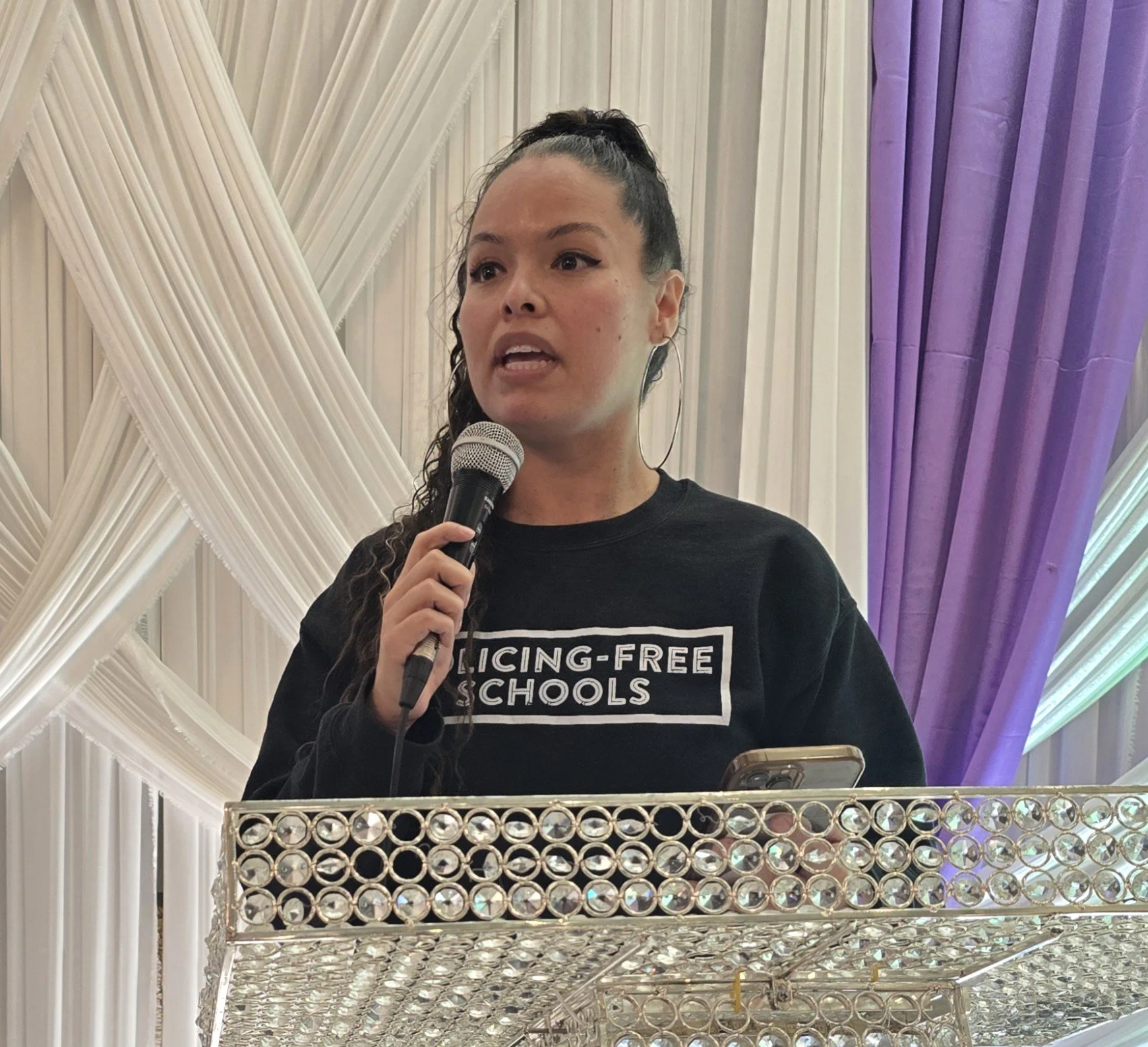
Andrea Vasquez Jimenez (Photo by Ron Fanfair)
The Supporting Children and Students Act is a provincial bill that gives the Ontario government increased power over school boards, colleges and universities. Key provisions include the implementation of school resource officer programs.
“The bill creates a false goalpost,” she said. “We have to defeat Bill 33 rather than recognize the reality that we must continue beyond that and move towards a policing-free school in Ontario that is inclusive of a broadly funded and broadly resourced supported public education system.”
Having personally experienced racism alongside her family, Vera Cheng is deeply committed to advocating for racial justice and equity.
In response to the March 2021 Atlanta spa shootings, where eight people -- six of them Asian women -- were killed at three different spas, the registered social worker and psychotherapist launched the Stop Asian Hate Mask Initiative, a community-focused project promoting healing and solidarity.
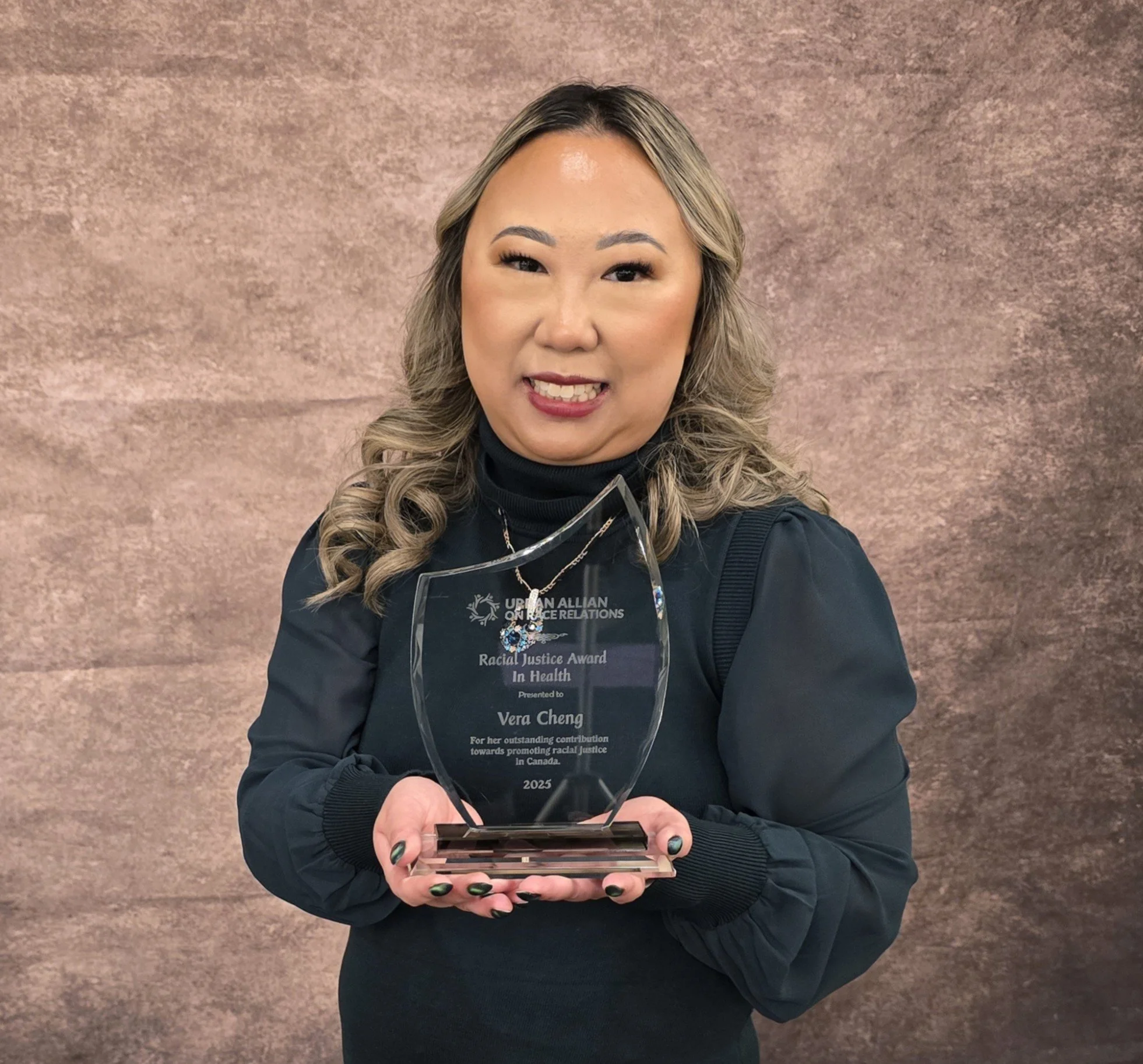
Vera Cheng (Photo by Ron Fanfair)
Working with a BIPOC artist, she created a mask celebrating Asian resilience and donated a portion of the sales to a local organization supporting sex workers, demonstrating her commitment to marginalized communities.
“Receiving an award from Urban Alliance not only recognizes the tangible impact of my efforts but also affirms the power of using personal experience and compassion to drive meaningful change,” said Cheng who was the Health Award winner. “It means a lot to me.”
During her college and graduate studies, doctoral candidate Adebola Adefioye rarely encountered professors who looked like her, an absence of representation that motivated her to pursue a career in academia.
“I am still on that journey, working to be the representation I once needed and to help open doors for others who deserve to see themselves in the spaces they hope to reach,” said the Toronto Metropolitan University Faculty of Community Services member who received the Education Award. “…Education to me is not just about content. It is about consciousness, critical thinking, empowerment and human connection.”
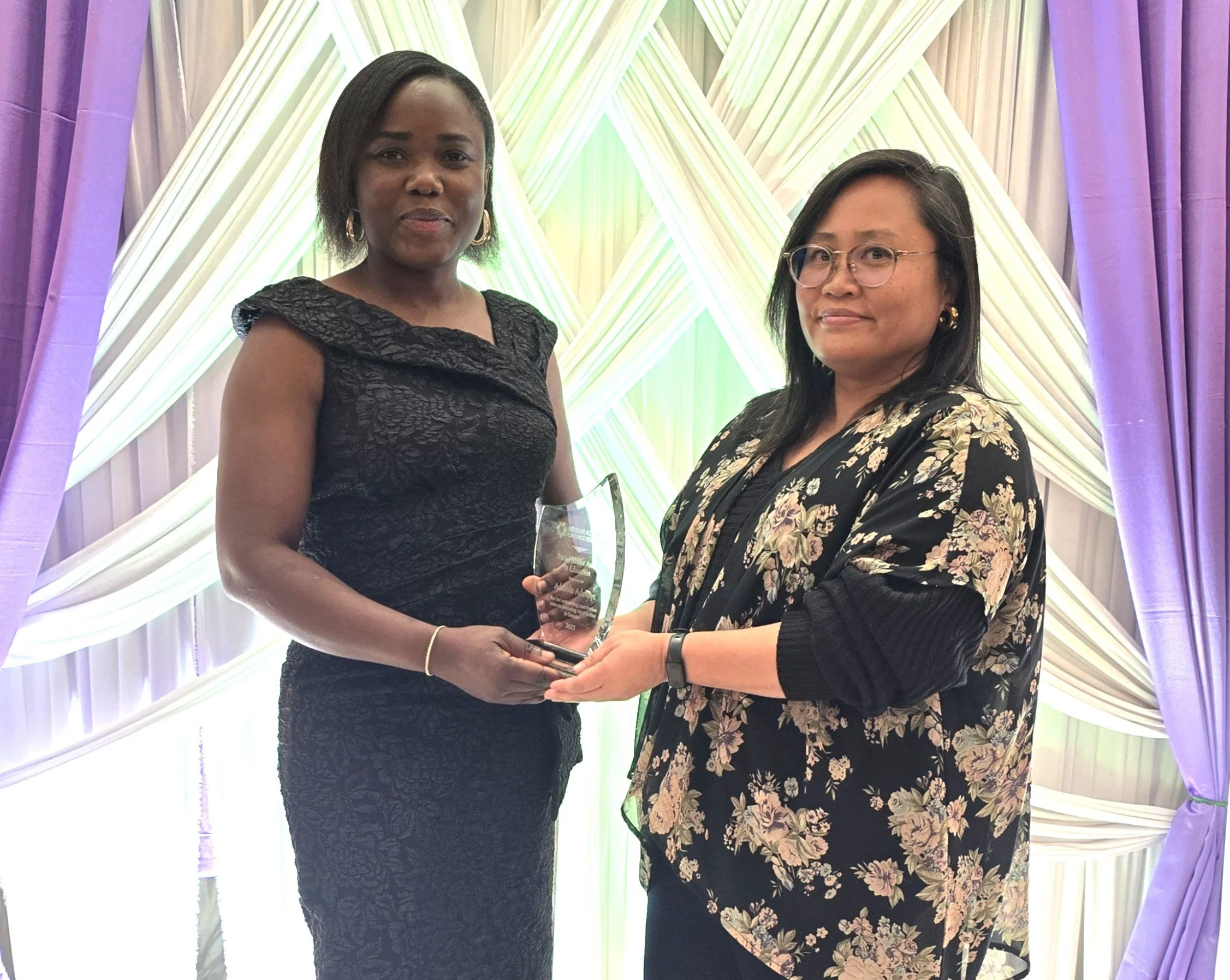
UARR board member Zenia Castanos (r) presents the Education Award to Adebola Adefioye (Photo by Ron Fanfair)
Adefioye’s purpose deepened after her daughter experienced racism in school, an incident that eventually inspired her to establish the Afro Women and Youth Foundation.
“We were newcomers to Canada, and my children were excited about starting school,” she said. “On the first day of my daughter’s Grade 2 class, other children told her she couldn’t join them because she is Black. She came home crying every day, saying she wanted to return to Nigeria.”
Migrants and undocumented people need advocates because they often face significant challenges and vulnerabilities that make it difficult to access basic rights and protections.
“We have seen the massive attacks migrants and working-class people face,” said Saron Rho who is an organizer with the Migrant Workers Alliance for Change.
Her experiences growing up in Flemingdon Park inspired a lifelong commitment to advocating for marginalized communities and challenging cycles of disadvantage.
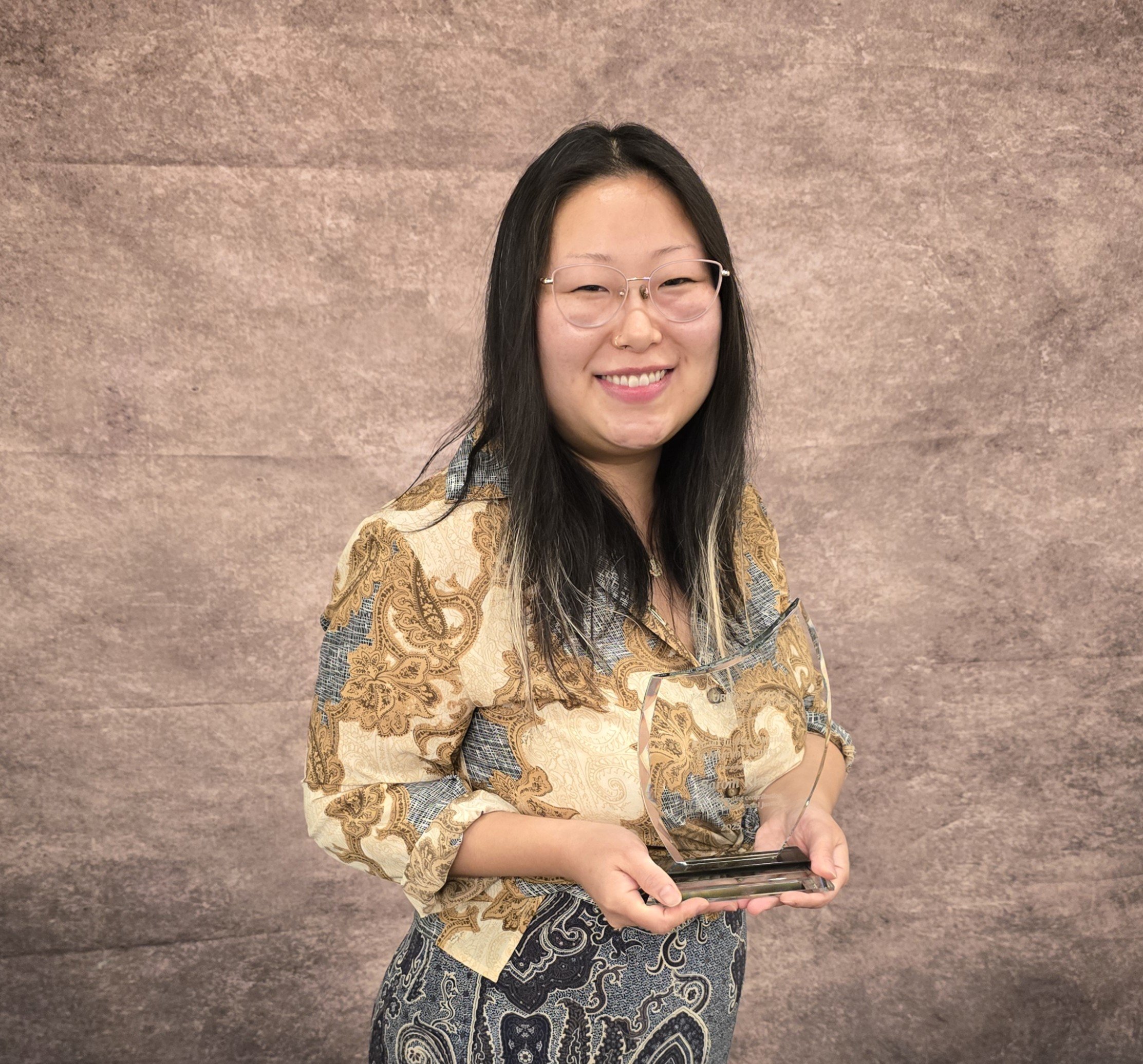
Saron Rho (Photo by Ron Fanfair)
“Other students and I often heard teachers and guidance counsellors tell us we wouldn’t amount to anything,” added Rho who was recognized with the Migrant Rights Award. “Those experiences stay with me, and they fuel my work today because, by raising expectations and supporting our communities, we can break cycles of disadvantage and create real opportunities for change.”
On several occasions, Jay Douglas met Head who was a close friend of his maternal uncle, retired Toronto Police Service member Stan Pinnock who, with his wife, Stella Pinnock, attended the awards celebration on November 29 in Scarborough.
“I learned about the important work Wilson was doing with Urban Alliance and how it was helping to uplift racialized communities,” said the three-time Juno nominee who received the Arts Award. “The organization is making a meaningful and lasting impact on the communities it serves just as I hope to make my mark.”
Leaving Jamaica in 1964 to join his mother who migrated a decade earlier through the West Indian Domestic Scheme, the singer-songwriter has had only one other job, a part-time position at a Dominion store on Bloor Street W. for four months while attending Central Technical School.
“Before I quit, I told the manager that the work was tough and that there’s no industry like show business,” Douglas recalled.

Jay Douglas stands next to the Yonge St. mural with his painting in August 2017 (Photo by Ron Fanfair)
He performed with the Central Tech band before becoming the frontman for The Cougars that electrified audiences across Montreal and Toronto’s legendary Yonge St. nightlife strip.
This year has been a milestone for Douglas who spearheaded the 2006 Jamaica to Toronto reunion concert at Harbourfront Centre.
TVO, along with other partners, produced the documentary, Play It Loud! How Toronto Got Soul, which tells the story of how Jamaican music came to Canada and shaped Canadian culture, with a focus on Douglas’ life and career.
The Canadian Museum of History also opened a new exhibition, Retro – Popular Music in Canada from the ’60s, ’70s and ’80s, featuring artifacts, memorabilia and music from historic Canadian artists. His personal artifacts are included, highlighting his role in Canada’s musical heritage.
Renowned scientist, broadcaster and environmental activist David Suzuki was recognized with the Environment Award, and social justice educator and activist Jojo Geronimo was honoured with the Labour Award.
By celebrating racial justice leaders and ensuring institutional memory, UARR helps remind communities and policymakers that progress isn’t inevitable and that it must be nurtured, defended and built upon across generations.