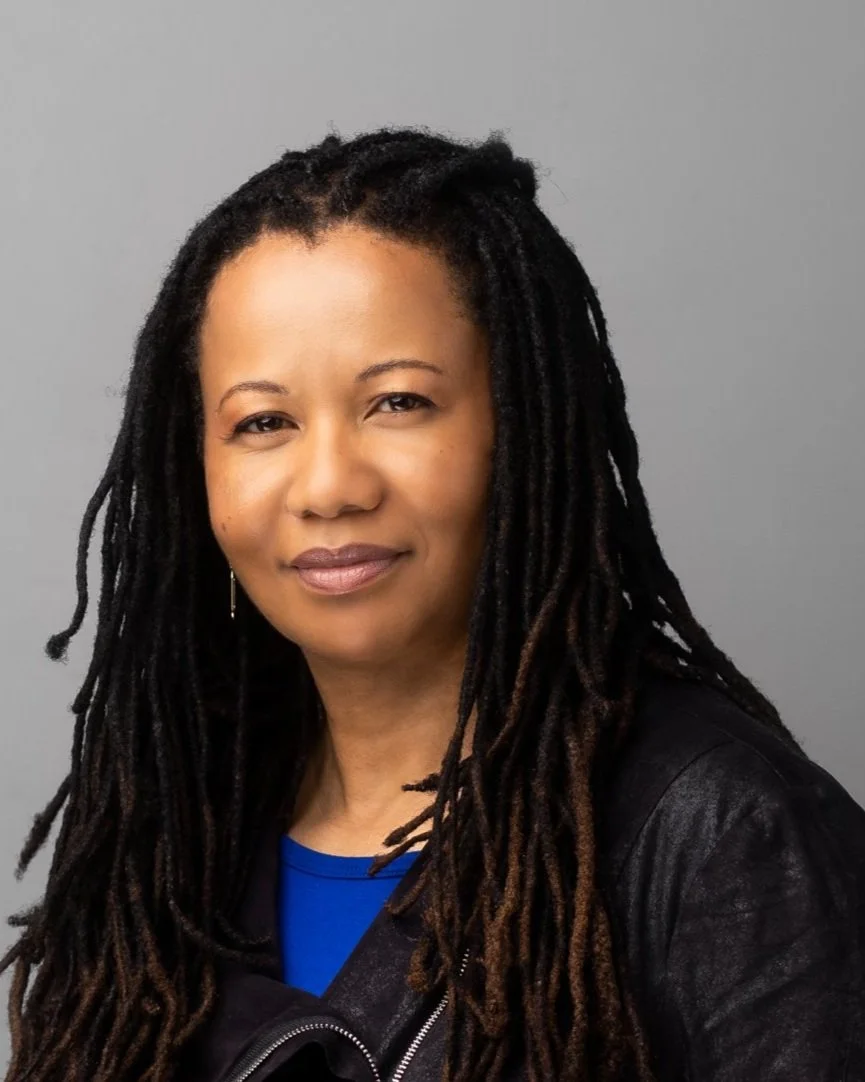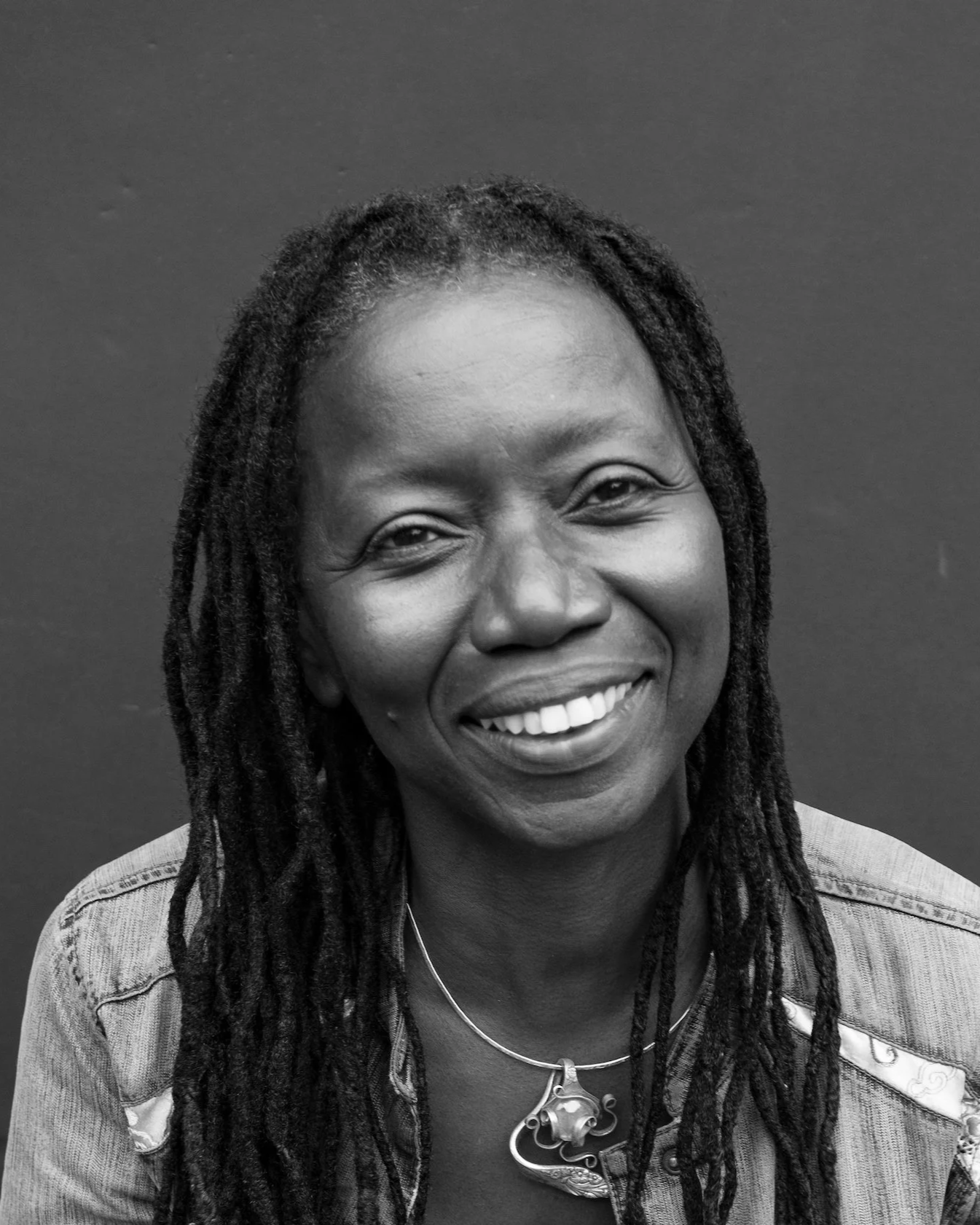
Art and academia unite through two Canadians to confront Northern Slavery in New England
February 13, 2026
When Dr. Charmaine Nelson became the first Black tenured or tenure-track professor of Art History in Canada in 2001, she helped reshape the intellectual landscape of Canadian art history.
Years later, as founding director of the Slavery North Initiative at the University of Massachusetts Amherst, she expanded that work beyond national borders, building an international research hub dedicated to studying Canada’s and the northern United States’ entanglement with transatlantic slavery. Her scholarship has consistently challenged the myth that slavery was solely a southern phenomenon, reframing the historical narrative through rigorous archival research and public scholarship.
That scholarly foundation now converges with the creative practice of Dr. Camille Turner whose exhibition, Land of the Free, recently opened at the University Museum of Contemporary Art in New England. Developed in collaboration with Slavery North, the exhibition translates academic research into an immersive artistic experience, examining slave ships built in the region and confronting audiences with the human cost of that history.
“Black scholar-artists tend to approach this work by centering the enslaved and recognizing them as our ancestors,” Nelson said. “Being from Canada as I am, Camille comes from a context where we have confronted the same denial since we began doing this work. Through this exhibition, she is awakening audiences to the reality that what happened in Canada and the United States is interconnected and that this history cannot be erased.”
Since moving to New England four years ago, Nelson has observed that New Englanders can resemble Canadians in their reputation for politeness and in what she describes as a long-practised ignorance of colonial histories, including the transatlantic slave trade.
She argues that societies do not simply ‘forget’ 200 years of history within a 400-year institutional legacy.
“Forgetting on that scale requires effort,” said Nelson who was the second Black professor to hold the prestigious William Lyon Mackenzie King Chair for Canadian Studies at Harvard University in 2017-18. “The records are there. Enslavers were not ashamed. They documented everything. There is no shortage of archival material. What we have inherited, however, is an archive shaped by the enslavers’ worldview. They reduced African ancestors to property, to chattel. As a result, the records rarely humanize the people they exploited. You might find a line describing a Negro boy, 10 years old, worth 10 pounds. That may be all that remains. There is no name, no family and no story.”
It is this absence and violence of documentation that Turner confronts in her work.
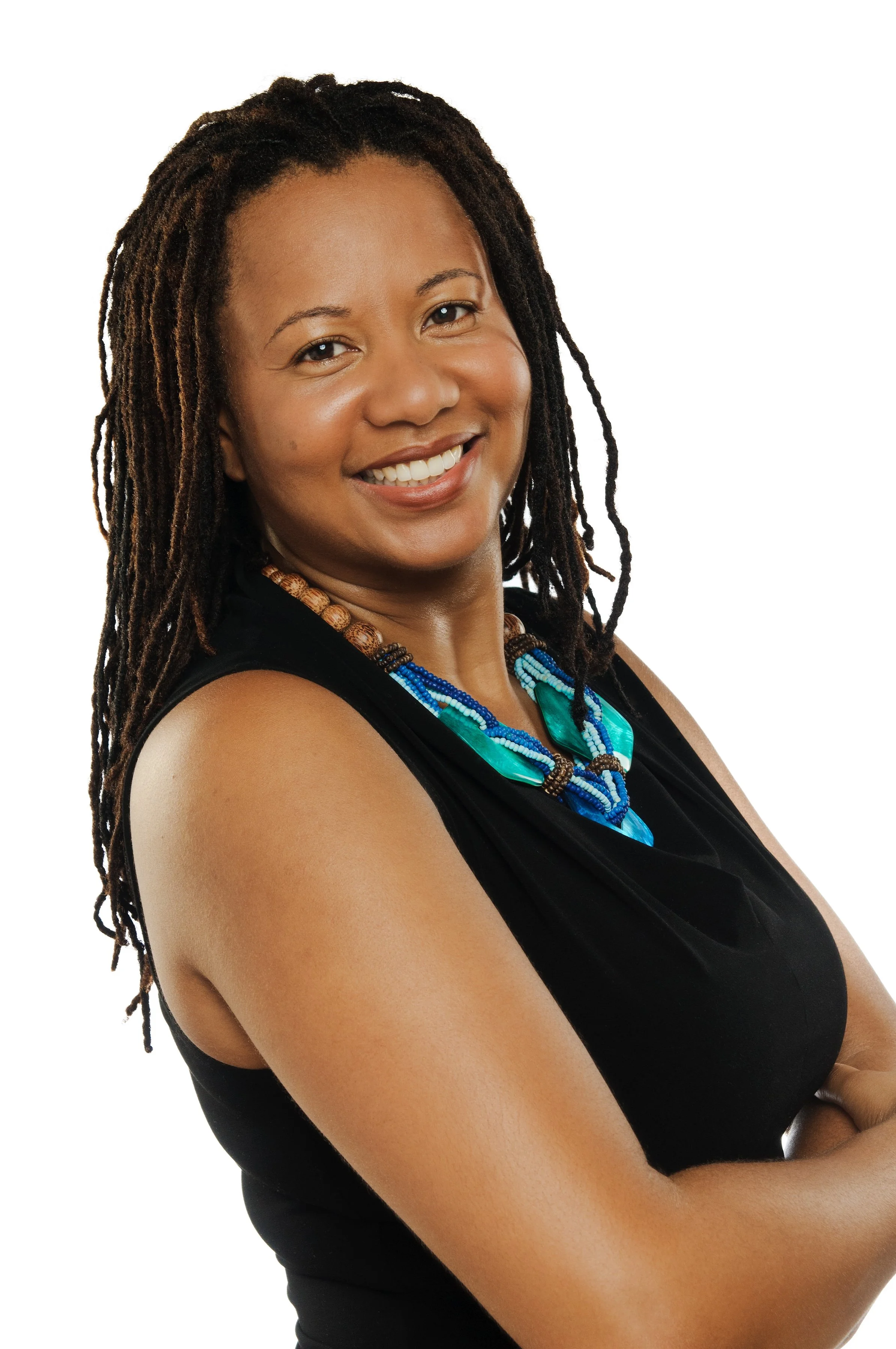
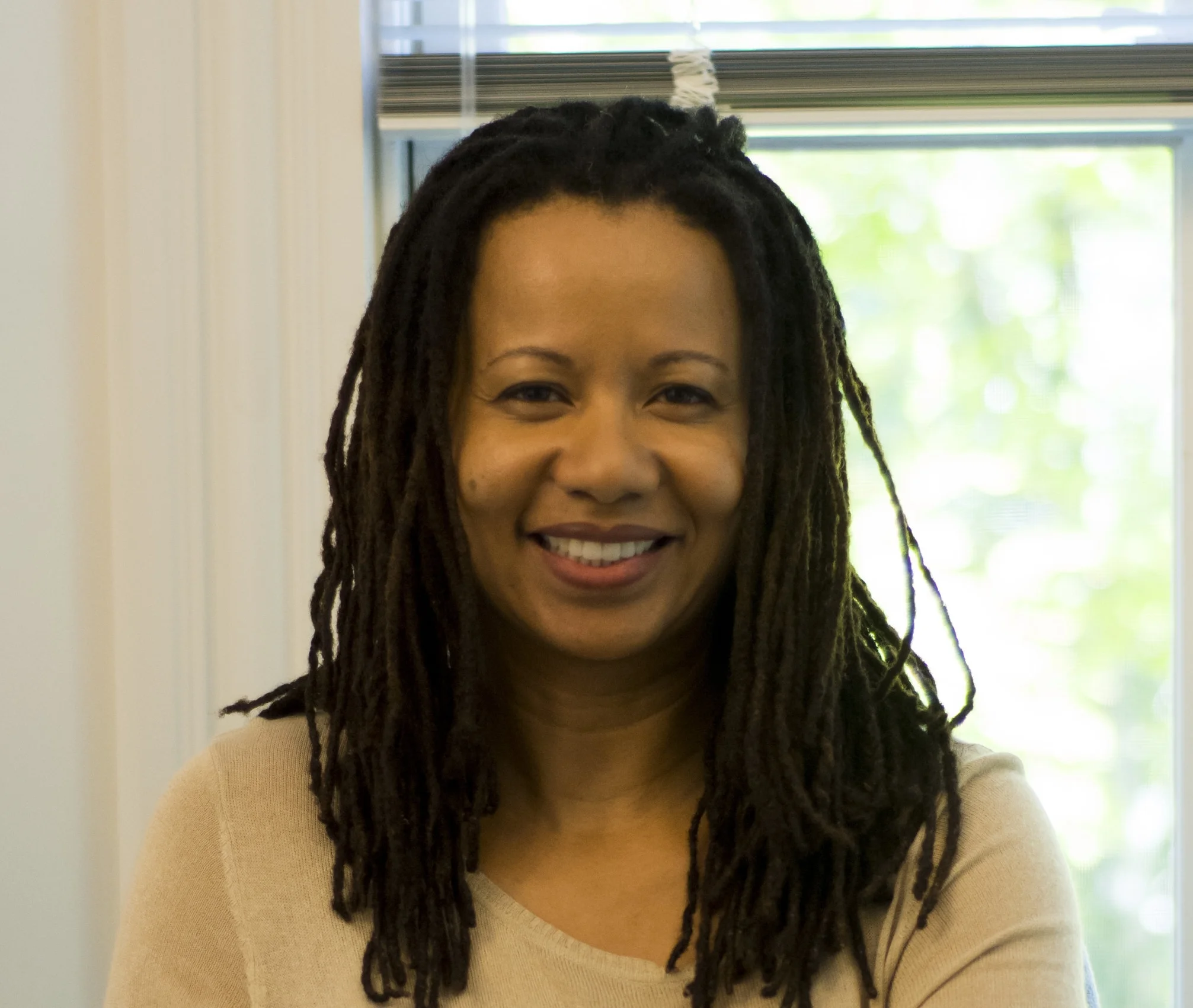
Charmaine Nelson (Photo contributed)
“Camille’s exhibitions make some viewers uneasy because they implicate them in the legacy of slavery and its erasures,” Nelson noted. “But the power of her work lies precisely there. She calls us to witness. In memorializing the 80 Africans who died of flux and flu during a single voyage and were casually written off in shipping records, she insists on their humanity. She lets us know they were human beings, not cargo. She compels us to reckon with their loss, to bear witness and to mourn with her. In doing so, she transforms archival fragments into acts of remembrance, refusing to let those lives remain forgotten.”
Academic research lays the foundation for historical understanding. However, scholarship often circulates within classrooms, conferences and academic publications that, by their nature, reach a limited audience.
It requires time, access and a willingness to engage complex material. That is not a flaw of scholarship. It is the structure of it. Still, histories of slavery and resistance demand audiences beyond the academy.
This is where art becomes transformative.
“Camille reaches people who will never open my academic books,” Nelson said. “They will attend her art exhibitions. If artists like her are not at the table doing this kind of brilliant work, we will never reach the broader public. And we need to reach them to shift mindsets and change how we relate to one another.”
Land of the Free, which runs until May 8, builds on Turner’s expansive, research-driven body of work examining 19 slave ships constructed in 18th-century Newfoundland. It also marks the first expansion of the project into the United States.
“This has been an interesting journey,” said the award-winning artist and scholar whose work sits at the intersection of historical research and Afrofuturism, a movement that blends science fiction and fantasy with Black history and culture. “In Canada, I assumed people in the U.S. knew that slavery existed in the North. Just like us in Canada, many were taught that slavery happened somewhere else, only in the tropical South. That idea is not part of how they were taught to understand themselves or their history.”
Turner noted significant differences between her research in Newfoundland and her work in New England. In Newfoundland, much of her investigation took place along the coast where the slave ships were built. In New England, her approach required extensive archival research, reading and conversations with community members.
“There is so much more work to do,” said the recipient of the Toronto Biennial of Art 2022 Artist Prize. “While there were 19 ships built in Newfoundland, I was trying to keep track of many more in New England. There are 230 recorded voyages in the Slave Voyages database connected to ships built in New England, and vessels were also arriving from other places. It was quite a hub. What surprised me most was the extent of the absence and silence.”
Though much of Turner’s practice is research-driven, she is clear about how she approaches the gaps and omissions within the archive.
“I step into those silences,” she said. “That is my role. I describe what I do as critical fabulation. I was thinking about the entanglement of geographies and geologies. When I was in Newfoundland researching the slave ships, I reflected on the ballast the ships were weighed down with. They were built as displacement vessels designed to carry cargo. When they had no cargo, they had to be weighted with whatever was heavy. In Newfoundland, rocks were loaded onto the ships, and when they arrived in West Africa, those stones were removed so that people, treated as cargo, could be put on board. The rocks were left on the shore in West Africa.”
Through this framing, Turner bridges historical rigour with artistic interpretation, stepping into archival silences while remaining anchored in documented realities.
Leaving Jamaica at age nine, she grew up in Hamilton and developed what she describes as an Afronautic research approach that re-examines colonial archives from the vantage point of a liberated future.
“One of the principles I work with is the idea that time is non-linear,” said Turner who, in 2015, created BigUpBarton which was a pop-up museum consisting of audio interviews of people who lived and worked on Barton St. in Hamilton. “If we share time with those in the past, then we also share it with those in the future. That understanding anchors me. It’s what allows me to enter the archives and engage in this work.”
As a Jamaican-heritage artist working across multiple Atlantic geographies, she said her diasporic lens shapes the questions she brings to history.
“Being from the Caribbean, I realized the absolute centrality of the region to this whole story,” the 2016 Ontario Graduate Scholarship winner said. “When you look at the people who were taken from Africa, the majority were brought to the Caribbean and Brazil. The region was pivotal. In searching for my own story, I find it everywhere. There is no innocent space.”
Turner completed a PhD at York University’s Faculty of Environmental and Urban Change and a provost’s postdoctoral fellowship at the University of Toronto’s Daniels Faculty of Architecture, Landscape and Design.
She spent the fall 2025 semester at UMass Amherst researching and creating new work through a joint artist residency between the University Museum of Contemporary Art and the Slavery North Initiative, established at the university four years ago.
The initiative evolved from Nelson’s earlier work in Canada. In 2020, while at the Nova Scotia College of Art and Design University, she founded the Institute for the Study of Canadian Slavery. After relocating to UMass Amherst, she re-established and expanded that work as the Slavery North Initiative, widening its focus to include histories of slavery in the northern United States.
Turner held a rare cross-appointment, serving simultaneously as Artist-in-Residence at the museum and as a Fellow with Slavery North.
Nelson described the arrangement as extraordinary because it directly connected creative practice with an academic research institute.
“When the museum approached us about marking their anniversary and said they wanted to bring in an artist for an extended period, they asked if I would be on board,” she recounted. “I said yes. When they asked if I had ideas about who they should invite, I said yes again. Camille was at the top of my list. She received a dedicated exhibition, delivered the Slavery North Fellows talk and will return in April to give a public lecture. She is a symbol of what is possible in terms of cooperation across institutions on campus.”
Land of the Free presents four video works meditating on the lives of people transported in the holds of slave ships along North America’s eastern seaboard. At its heart is Turner’s new film, 80 Died of Flux and Flu, a memorial to enslaved Africans who died during the Atlantic crossing. Two other films, Nave and Fly, honour enslaved ancestors.
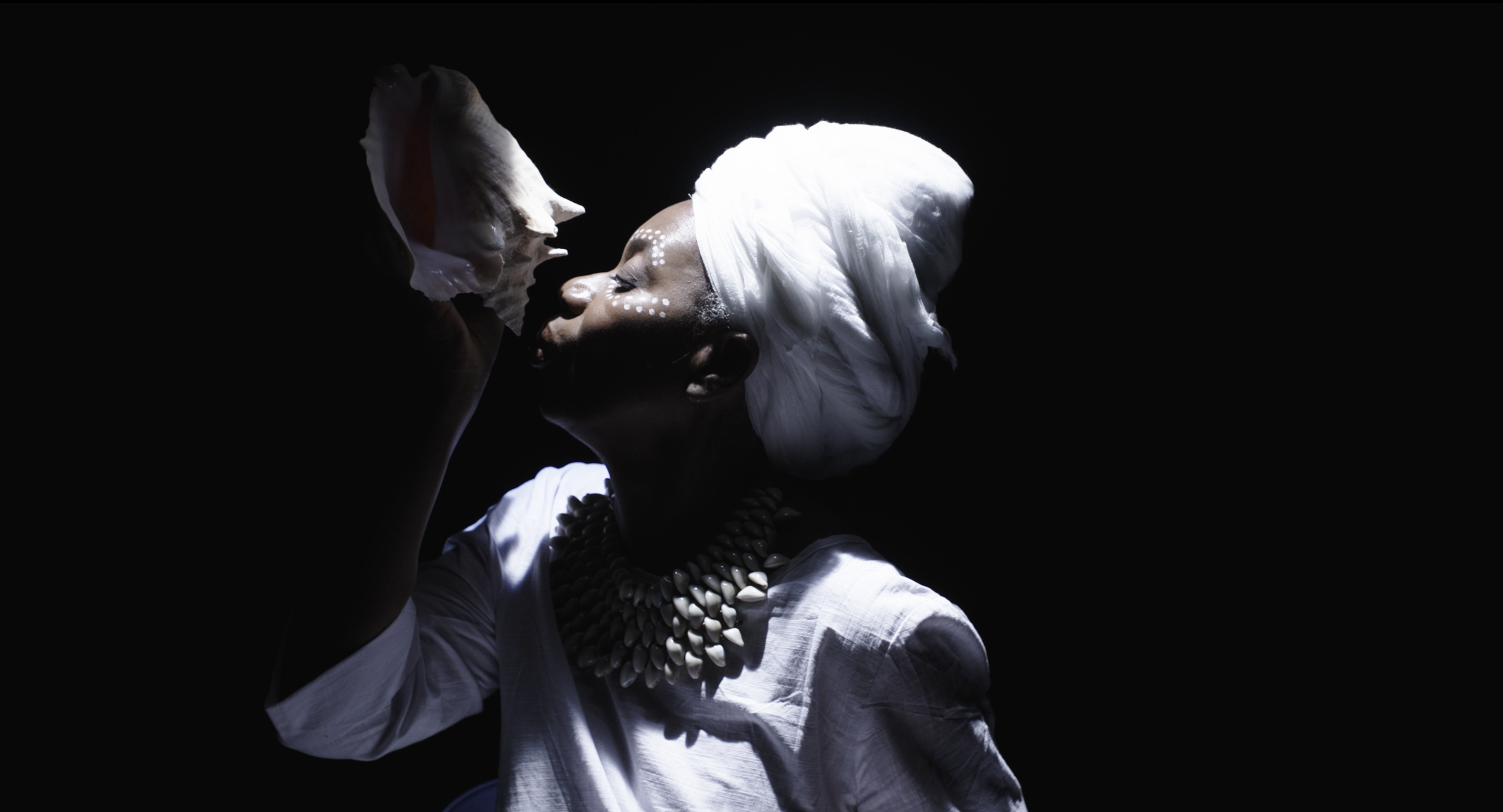
Camille Turner, 80 Died of Flux and Flu, 2025. Video still image from a single channel video installation.
In the North Gallery, she also presents a New England-specific installation of her ongoing social practice project, the Afronautic Research Lab, where visitors encounter suppressed archival documents that provide evidence of New England’s participation in the transatlantic slave trade and its enduring legacies.
Asked what she hopes visitors carry with them after leaving the exhibition, especially those encountering New England’s involvement in the slave trade for the first time, Turner was clear.
“I hope they arrive with curiosity and leave with even more questions and a desire to learn,” she said. “I want the exhibition to make them more aware of the ground they walk on and the assumptions they carry. I also hope it prompts them to think about the kind of world they want to help create. I do this work to honour the people of the past, but I am equally focused on shaping a more conscious future.”
The exhibition coincides with the launch of the first English-language children’s book about Canadian slavery.
Written by Nelson, Joe the Pressman recounts the remarkable true story of a boy stolen from his family and forced onto a slave ship. Transported to the Caribbean and then to Philadelphia, he was enslaved by a printer before being taken to Quebec City, where he was forced to work for William Brown and Thomas Gilmore, co-founders of the Quebec Gazette. Renamed Joe, he became the pressman.
Like the exhibition, the book challenges the long-standing myth that slavery was absent or insignificant in northern regions.
“Children’s literature and museums reach people who might never set foot on a university campus or open an academic book,” Nelson said. “Through this book, I am reaching young readers who are learning this history far earlier than Camille or I did. What might it have meant for us to know this as children? How might it have shaped the work we pursued in high school or the paths we chose at university?”
The 2010 Fulbright Visiting Research Chair at the University of California, Santa Barbara explained that writing for children allowed her slightly more room to imagine aspects of Joe’s life than she would in his scholarly adult biography.
At the same time, Nelson remains deliberate about confronting the silences in the historical record.
“For this project, I am making a conscious decision to have readers sit with the violence of the archive, with what I cannot know about Joe,” she said. “The questions I ask about him may never be answered, not because Joe left no trace. In fact, he is exceptional. After being forced to work in the printing press, he became literate in English and French which was highly unusual. He may have written letters or kept a diary that have since disappeared. I am piecing together his life through the words and actions of the two men who enslaved him in Quebec City.”
Nelson’s research leadership and Turner’s interdisciplinary artistry demonstrate how two Canadians, one rooted in scholarship and the other in creative inquiry, have joined forces to bring a deeply resonant reckoning with northern slavery to audiences in New England, transforming archives into public memory and dialogue.