African Canadian Christian Network opens doors for Black students to attend private schools and engage with STEM fields
Due to greater flexibility and resources, private schools offer more opportunities for young people seeking academic, extracurricular and career success.
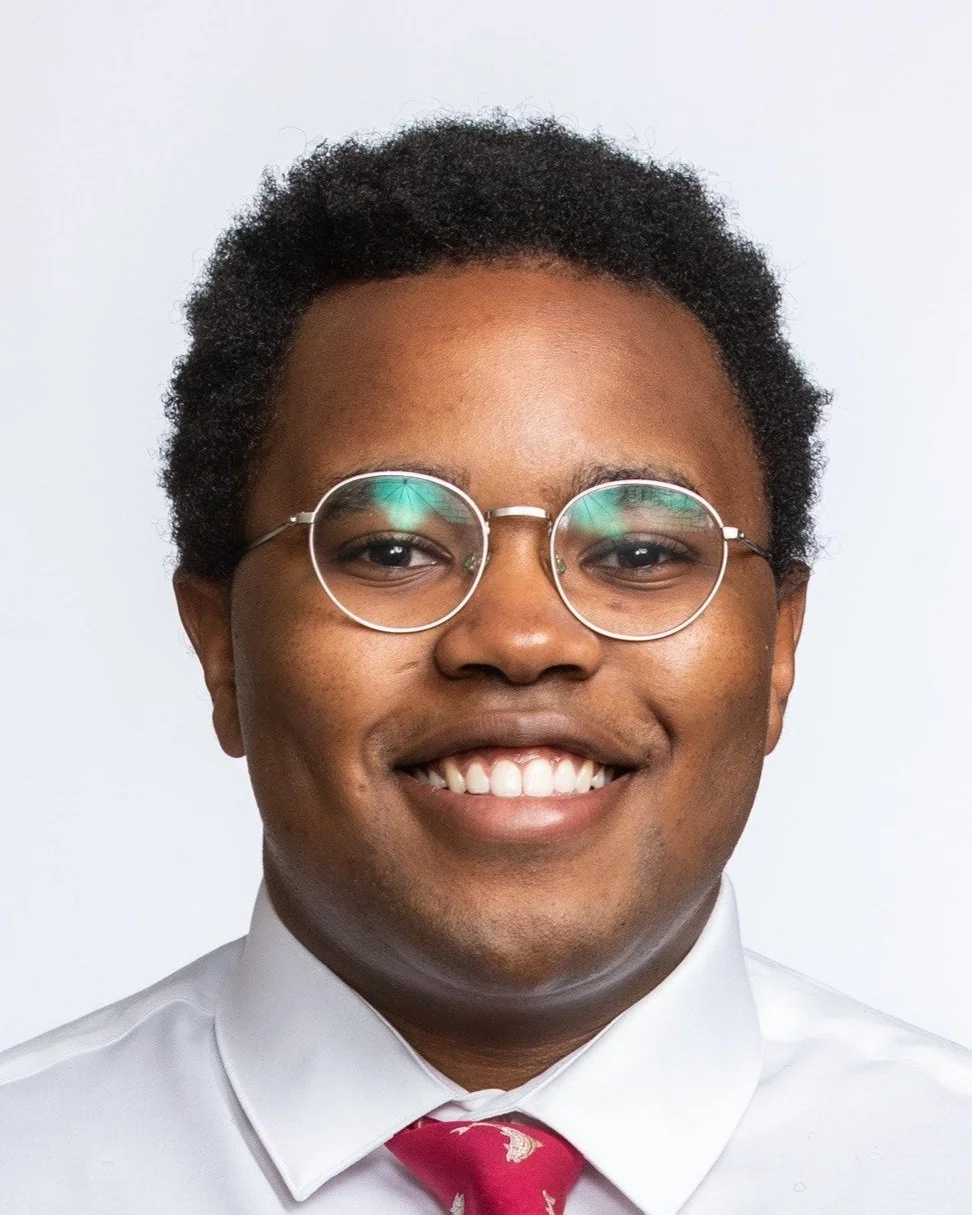
Haniel Azza took full advantage of the enhanced programs and networks to maximize his learning and personal growth.
After middle school at Sterling Hall, he completed high school at Crescent School where students have access to university and college preparation classes and a state-of-the-art robotics lab.
Azza took Advanced Placement Economics in Grade 11 and completed Physics, Biology, and Chemistry in his final year, earning university credits.
“Even though I am not in a science field, the knowledge I gained from doing those programs helped me tutor Grade 10 students in math and science,” the third-year Western University Actuarial Science student said.
Azza was also part of the school’s student-run investment club, where members learn firsthand about stock markets and make real investments in Canadian and American stocks and Exchange-Traded Funds.
“We invested money in the health sector by determining which bids to choose based on financial statements, ratios and how the firm was built,” he noted. “I would not have received that experience in public school.”
Working toward a career as an actuary, the investment skills are an important part of Azza’s toolkit, especially if he gets into pension, insurance and financial risk management fields where investment decisions and asset liability management are crucial.
The teenager was among nearly 35 young people honoured at a celebratory event in Scarborough.
Hosted by the African Canadian Christian Network (ACCN) which administers the Youth Advance, Umoja Robotics and Independent School programs, the ‘Celebration of Black Excellence’ brought together families, mentors and community supporters to recognize local youth graduating from high school.
A total of 100 percent of the graduating cohort is pursuing post-secondary education with 90 percent enrolled in science, technology, engineering and mathematics (STEM) programs.
“Besides excelling academically, these young leaders are breaking barriers in fields where Black representation is still limited,” noted ACCN Executive Director Cherryl Lewis. “It is so important to recognize these young people as they leave behind a legacy in their communities. Their determination, brilliance and commitment to excellence inspire us all and we are proud to stand with them as they take bold steps in their future.”
Since 2007, the ACCN has partnered with over 30 private schools in the Greater Toronto Area. In that time, over 300 Black students have received private school placements, receiving over $60 million in scholarships and financial aid.
In addition, over 400 Black youths have been engaged in FIRST Robotics and STEM learning.
Getting into robotics in Grade 7 helped Azza build skills and discover what he enjoyed.
The teenager took part in the First Power Up 2018 Robotics competition.
“I got into robotics because of my older brother and my mom who encouraged me to try it,” Azza said. “Going to that competition after building the robot and seeing the competitors’ energy was transformative.”
Throughout high school, he was the ACCN Umoja Team 7712 lead driver.
“I was committed to the team during those years,” said Azza who coaches the drive team. “After graduating, I come back every year to coach the drive team.”
In 2018, Nana Camara received a scholarship to attend J Addison School in Markham.
She graduated this year.
“The private school experience was extremely rewarding,” said Camara who was the basketball team manager for her last three years. “Surrounded by students who were focused on career goals, I was motivated to work harder. I also appreciated the fact that the school offers Advanced Placement programs that allowed me to take college-level courses.”
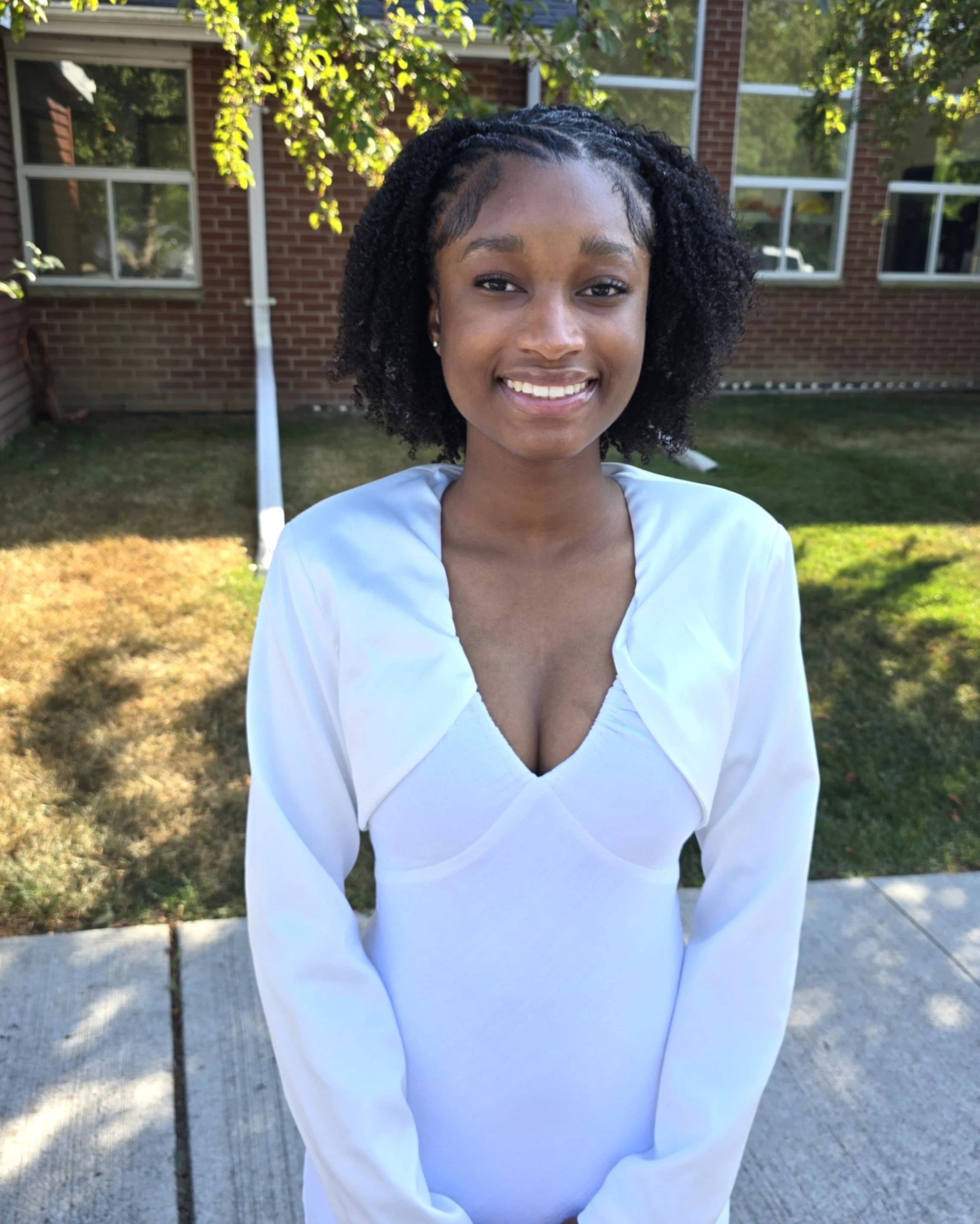
Nana Camara (Photo by Ron Fanfair)
Next month, she will enter the University of Ottawa to study biomedical mechanical engineering.
Always passionate about medicine and being exposed to robotics which allowed her to explore the intersection of medicine and engineering, Camara is motivated to contribute to innovations that shape the future of patient care.
“I like the hands-on experience with robotics in being able to design a project and see it come to life,” she said. “I also like the teamwork aspect of it.”
Camara said family support played a huge role in her robotics journey.
“My parents took me to robotics meet-ups and were there encouraging me when I was working on projects late at night,” she pointed out. “They were there for me every step of the way and I appreciate it.”
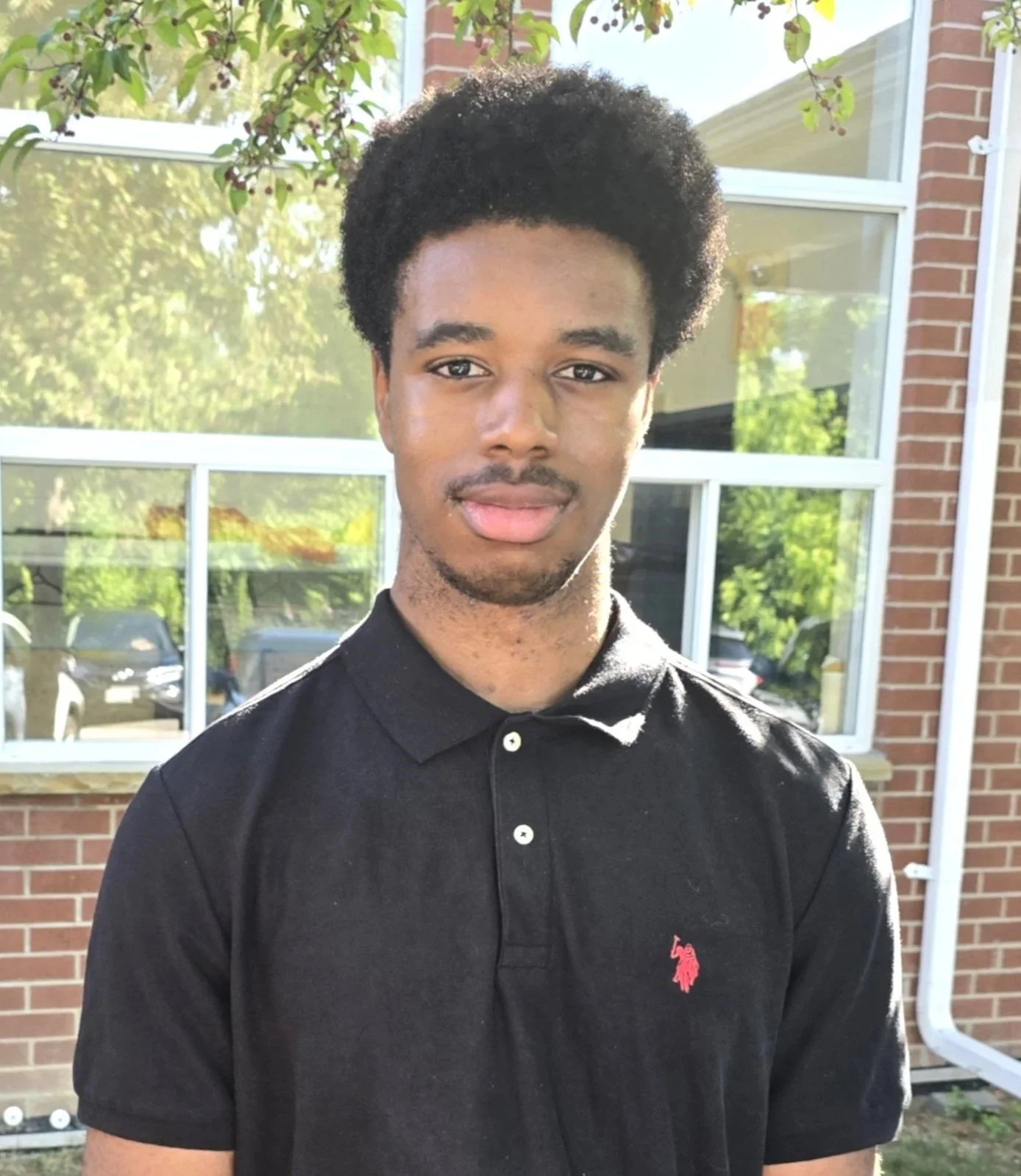
Finishing high school at Upper Canada College (UCC) in 2023, Daniel McDonald completed his health science certification with honours last May at Queen’s University where he is pursuing a Doctor of Medicine degree.
The private school experience, he said, was fulfilling.
“I missed out on a few things like hands-on learning and social activities because of COVID,” said McDonald who volunteered with United Achievers Foundation and Martha’s Table.
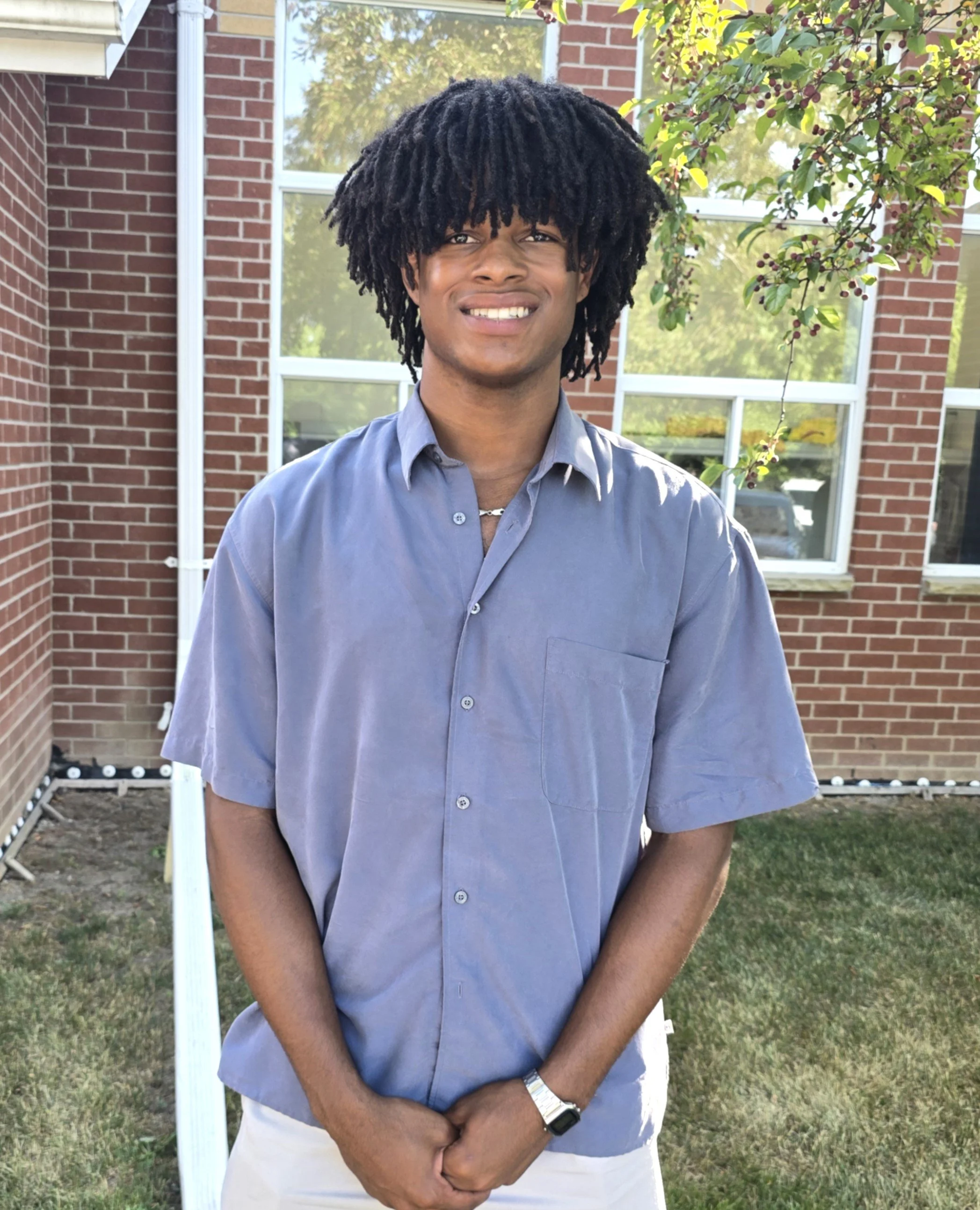
Daniel McDonald ({Photo by Ron Fanfair)
He is leaning towards specializing in neurosurgery.
“The brain, in my opinion, is the most interesting and unknown organ,” said McDonald. “Despite years of research, there is so much that we don’t know.”
He is the second sibling in his family to attend UCC.
Frustrated with the public school system in Peel where she is a trustee, Kathy McDonald and her husband were planning to homeschool their eldest child, Benjamin McDonald, when he received a full scholarship in 2012 to attend UCC where he launched a Black history club.
“We have a serious Anti-Black racism problem in education, and we must ensure that our children are in an environment where they can thrive and be successful,” she said. “In private school, I found that the staff believe in children’s ability. Our kids face far too many microaggressions in the public school system that are not adequately addressed. I don’t think some educators understand the impact of the trauma that is leading to behavioural issues with our children. There must be difficult, but necessary discussions to address these issues.”
Benjamin McDonald graduated in 2016 and completed a Bachelor of Science with distinction from the University of Toronto in 2020 and a graduate degree in kinesiology from the University of Waterloo three years later before switching to policing.
His sister, Naomi McDonald, will be the School Captain in her final year at Havergal College.
“I have had a very positive high school experience,” the aspiring cardiac surgeon said. “The biggest difference between the public and private schools is that the teachers believe in you and push you to succeed.”
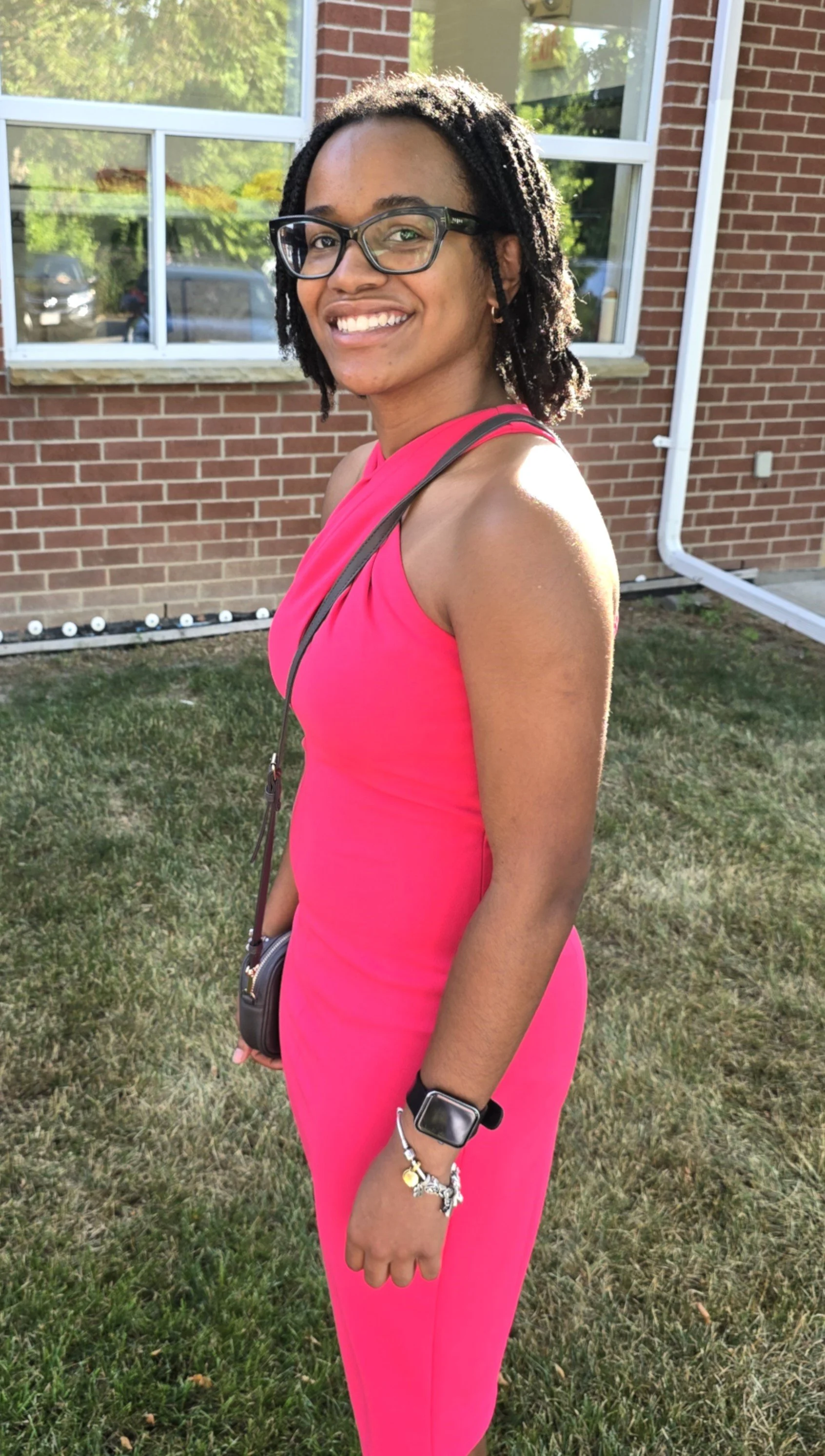
Naomi McDonald (Photo by Ron Fanfair)
Diagnosed in Grade 6 with papilledema which is swelling under the optic nerve that can lead to blindness if not treated, she recently released her first fictional book, ‘Midnight Warriors: The Last Breath’.
Kathy McDonald plans to send her youngest child, Ruth McDonald, to private high school when she is eligible.
Technical, creative and teamwork skills are robotics requirements.
“I have this diverse range of skills that I didn’t know I could use in this scientific area,” said University of Ottawa second-year student Amelia Bork. “I thought it was just about coding and building stuff. I am an artsy person who loves drawing and presenting. It was not until I got into robotics that I realized these skills fit into the field.”
The Environmental Science honours student was introduced to robotics in Grade 9.
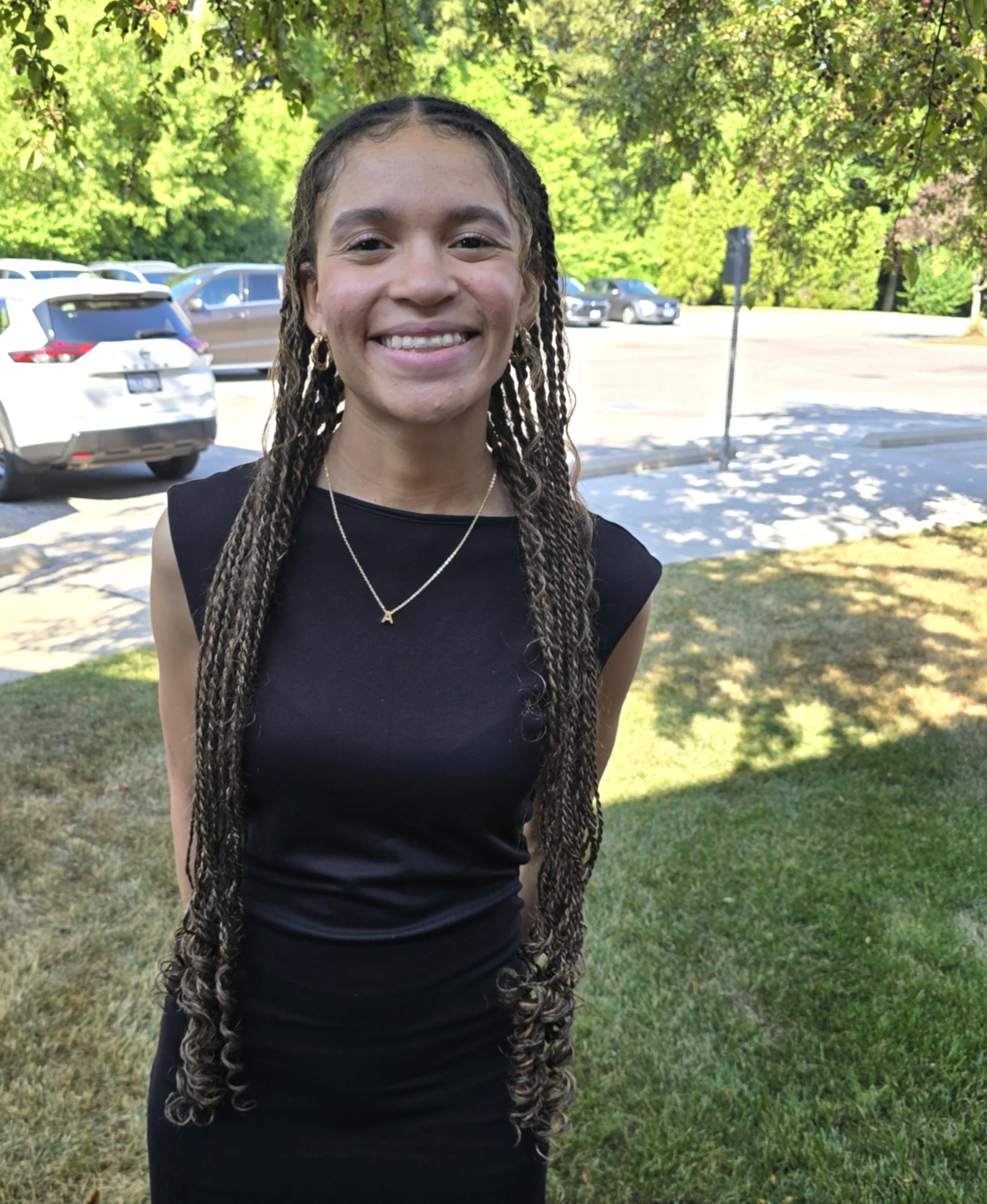
Amelia Bork (Photo by Ron Fanfair)
As a First Robotics Canada (FRC) member for nearly four years, Bork was project development lead, team captain and youth council member. Since May, she has been an FRC STEM program co-ordinator intern.
The career goal is to work with the federal government on climate change research and shape environmental policy.
“Since being introduced to climate change in Grade 6, I am on a mission to connect what I have learned into real-world action,” added Bork.
The ACCN, which fosters and enhances the work of Back churches and community organizations to steer young people away from violence, started conversations about the diversity initiative with UCC president Dr. Jim Power shortly after his installation in 2004.
“Coming from the United States, he didn’t see the diversity of Toronto reflected in the classrooms when he got to UCC,” said ACCN chair Alvin Nicholson. “That didn’t sit well with him and while browsing the internet for Black organizations to connect with, he saw that the First Baptist Church on Huron St. is the oldest Black institution in the city.”
Power contacted Pastor Michael Morris who was the ACCN co-chair at the time.
Many notable figures in Canadian politics, business and other fields graduated from the all-boys UCC established in 1829.
Annual tuition is around $43,000 and the yearly boarding program cost is about $74,000.
UCC offered scholarships in 2007 to Loyan Issa, who is vice-president of investments at Brookfield Asset Management in New York, and Devon Morris.
In 2011, then Grade 11 student Sevion DaCosta made history as the first Black UCC head steward responsible for managing and promoting various aspects of student life. He also made presentations to the school’s leading donors.
Being raised by a single mother in a challenged neighbourhood doesn’t necessarily mean a child will not succeed.
DaCosta’s mom was determined that the environment in which he was raised would not define him.
“She taught me to have self-confidence and be the best I can be,” he said. “She pushed me to find my passion and be curious.”
DaCosta attended Berner Trail Junior Public School in Malvern before securing a scholarship from UCC through the ACCN.
Most private schools require applicants to submit application forms and personal statements or essays.
“Going through the application process that included interviews provided me with confidence,” said DaCosta. “Along the way, I benefitted from being exposed to a broader range of subjects and ideas and I learnt a lot about myself.”
DaCosta, who made the daily three-hour commute to and from school from Grade 7, was a UCC Lang Scholar in 2015.
The program was launched in 2013 to recognize top student-athletes with significant leadership potential and help them fulfil it through access to unique enrichment opportunities complete with leadership training conferences, guest speakers and various activities.
Lang Scholars are also expected to contribute to college life by mentoring younger students.
“Private school provided me with an amazing foundation to find intellectual curiosity to the highest degree,” DaCosta said. “I became interested in a lot of different things. I created the mock trial club, I was president of the student body, I captained the football team and was on the basketball and rugby teams and I did a lot of public speaking to alumni.”
He is also the youngest member ever of the UCC Association Council which is a governing body that represents various stakeholders and reports to the Board of Governors.
After graduating from UCC, DaCosta received a scholarship to attend Claremont McKenna College in Southern California where he majored in philosophy, politics and economics. He was also a member of the college’s Robert Day Scholars program that prepares highly motivated students for leadership roles in a variety of industries, including financial services, consulting, technology and non-profit organizations.
In addition, DaCosta worked at the Rose Institute of State and Local Government which enhances college students’ education to produce high-quality research and promote public understanding of issues of state and local government, politics and policy with an emphasis on California.
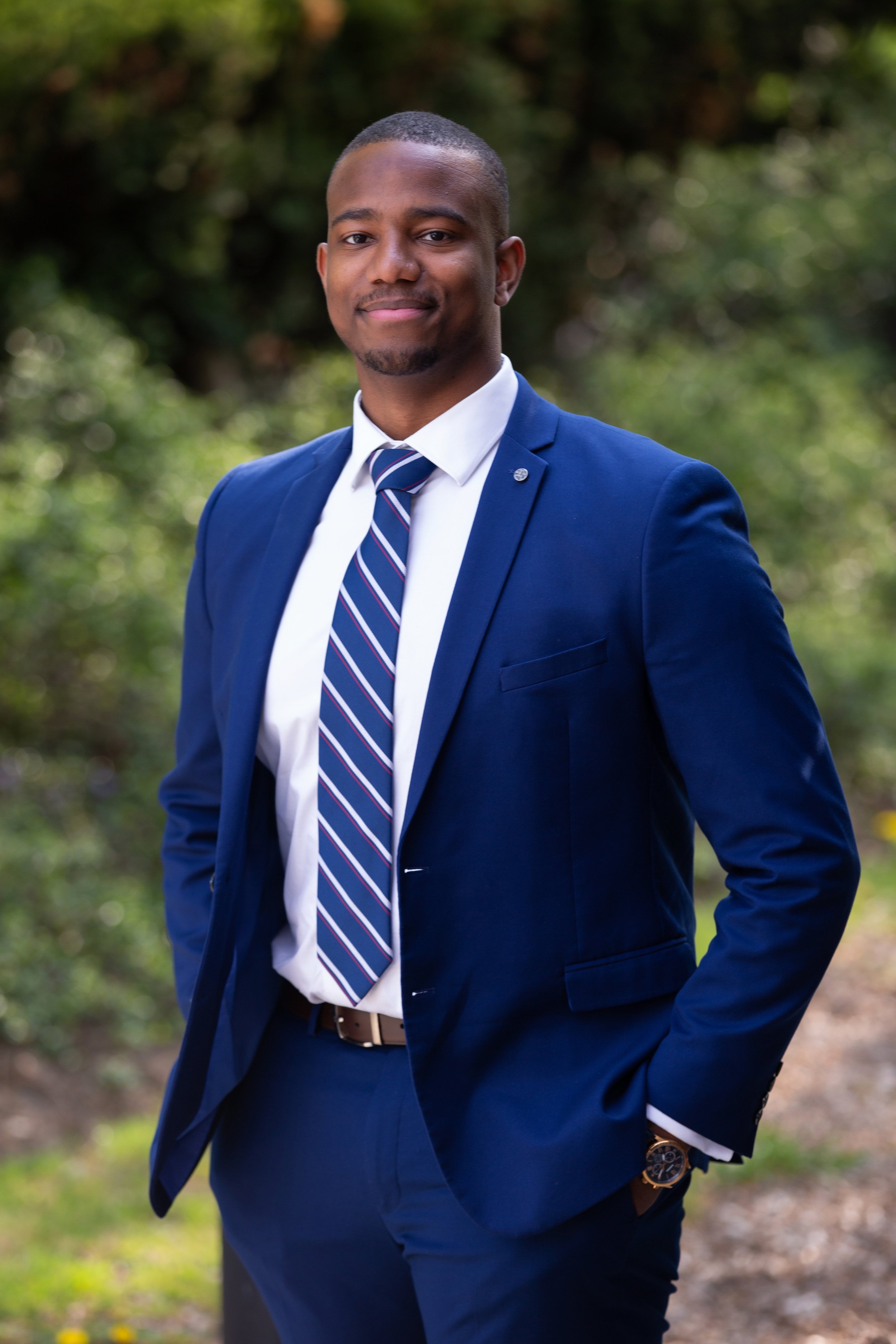
Sevion DaCosta (Photo by Caley Taylor)
During his first summer in the United States in 2018, he was an Appel Fellow for six months, interviewing Tim Hortons customers across Ontario as part of an independent research project.
Thinking he was going to law school, DaCosta interned at the Public Defender Service for the District of Columbia in his junior year.
“I loved that experience as I got to do investigative work, go to crime scenes and write affidavits and subpoenas,” he pointed out.
While on the placement, a few attorneys suggested DaCosta take time to explore something new before diving into law school.
On a remote internship with BlackRock’s Legal Compliance department during COVID, iShares Americas Strategy in San Francisco recruited him.
BlackRock is the world’s leading asset manager with nearly $12.5 trillion in assets under management. In 2009, the firm acquired the iShares Exchange-Trade Funds (ETF) business that was Barclays Global Investors.
Trying something new led to a career shift.
After the internship, DaCosta joined BlackRock full-time as an iShares Business Strategist.
“In my almost three-and-a-half years there, I worked with senior leaders across the company, including the global head of the ETF Strategy,” he said. “I was learning the traditional finance world and a ton about asset management, but I wanted to learn more and grow.”
Last November, DaCosta joined Apple as a senior financial analyst, forecasting the audio business.
Nine years ago, Lewis confidently predicted the young man would go places.
“I get emotional when I see what he and the other students who have passed through this program have accomplished,” she said at the time.
Lewis now shines with pride at DaCosta and the others’ success.